Address
304 North Cardinal St.
Dorchester Center, MA 02124
Work Hours
Monday to Friday: 7AM - 7PM
Weekend: 10AM - 5PM
Address
304 North Cardinal St.
Dorchester Center, MA 02124
Work Hours
Monday to Friday: 7AM - 7PM
Weekend: 10AM - 5PM


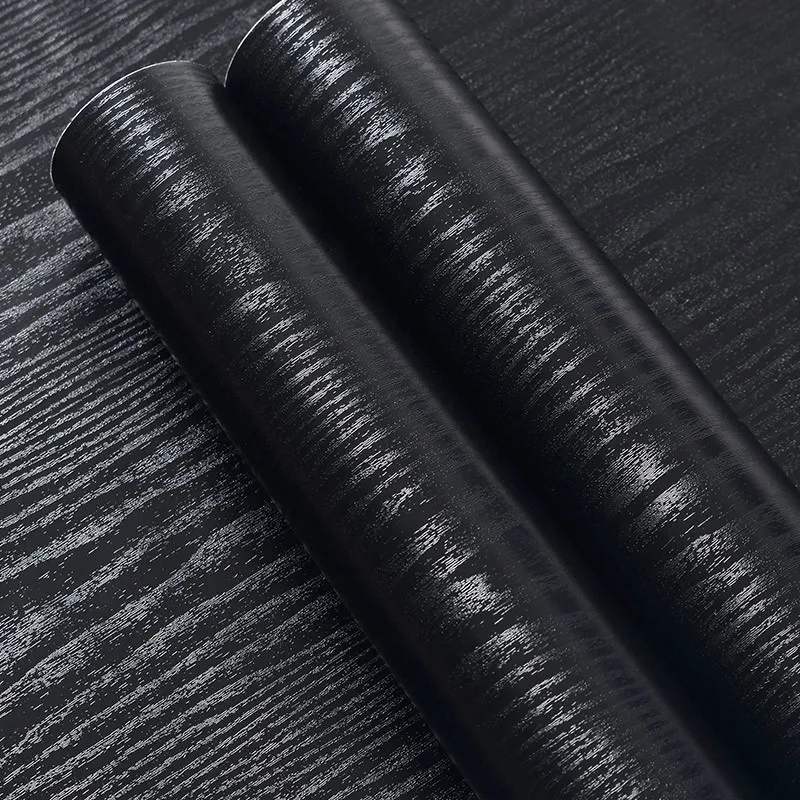
Colored PVC film is more than a decorative layer—it is a manufacturing material that directly affects product appearance, durability, processing efficiency, and total cost. If you are sourcing a colored PVC film manufacturer for furniture, building decoration, electronics, advertising, medical packaging, or home applications, the most important factors are: consistent color, stable thickness, reliable bulk supply, and repeatable surface performance across every roll and every batch.
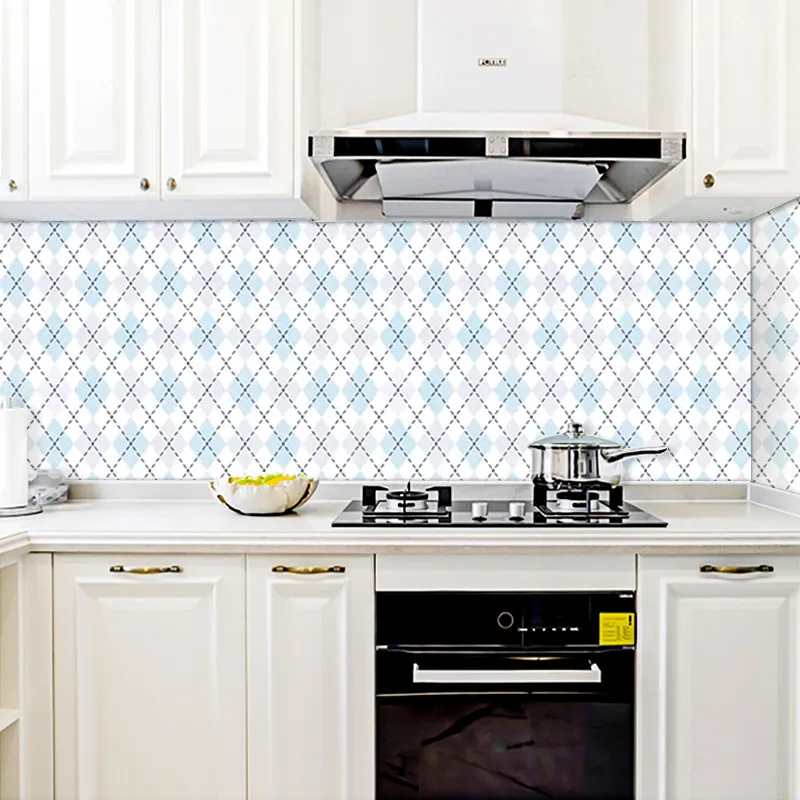
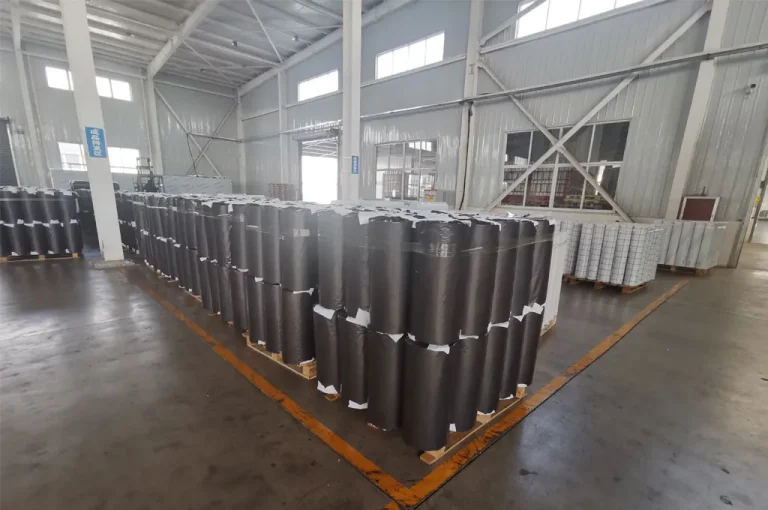
Pulivk Film focuses on R&D and manufacturing of PVC films, including calendered film, decorative film, flooring film, soft-touch film, transparent film, and many functional variants. With complete in-house lines for calendering, printing, slitting, and packaging, we control quality from raw material to finished rolls—helping importers, brand owners, and factories scale without surprises.
Key takeaway:
Choosing the right colored PVC film supplier is not just about “matching a color.” It’s about building a stable, repeatable supply chain where color difference (ΔE), thickness tolerance, surface finish, adhesion, and packaging are all controlled for your process.
In mass production, even small deviations can create big costs. A slightly inconsistent tone can cause visible panel mismatch on cabinet doors. An unstable thickness can lead to lamination issues, poor vacuum forming, or uneven embossing depth. A film that performs well in sampling but fails in bulk often points to weak process control, unstable raw materials, or inconsistent curing/printing conditions.
Color development for PVC film is a balance of pigment system, base resin, plasticizer, additives, processing temperature, and (if printed) ink formulation. A professional manufacturer should support custom color matching with measurable standards, not just “visual approval under one light.”
If your project includes tactile appearance (premium cabinet doors, hotel wall cladding, retail fixtures), surface texture and gloss can influence perceived color. That’s why OEM development should confirm color on the final structure (single-layer or laminated/multi-layer, with or without adhesive, and on the actual substrate).
Thickness selection depends on forming method, substrate, and the required durability. A capable supplier should offer stable thickness control and help you choose the right construction—single-layer film, multi-layer composite, fabric-backed, packaging film, release film, or automotive wrap structures.
• Thin films: often used for wrapping, surface protection, printing/lamination where flexibility is key.
• Medium thickness: balanced choice for decorative laminations, cabinet panels, general building decoration.
• Thicker films: chosen for deeper embossing, higher impact resistance, or demanding environments (commercial interiors, high-traffic areas).
Many colored PVC films are produced through calendering for stable thickness and smoothness, then enhanced with printing, embossing, or coatings depending on the design. If your priority is uniformity and repeatability for bulk production, calendered film is often the base option for consistent output and controlled tolerances.
Colored PVC film is frequently specified not only by color but also by finish and touch. In retail environments and modern interiors, customers judge quality by reflection, texture, and how the surface hides fingerprints or micro-scratches. Your supplier should offer both visual and functional surface options to match the application.
For high-impact interior projects that require a textured premium look, a specialized decorative option like 3D silk texture film can provide a distinctive surface while maintaining production-friendly roll consistency.
Reliable bulk supply means your film arrives on time, performs the same as the approved sample, and reduces your downstream complaints. Pulivk’s full-process manufacturing (calendering, printing, slitting, and packaging) is designed to shorten lead time while keeping consistent quality.
Every roll can be slit and packed to your requirements, individually wrapped with dust-proof PE film or kraft paper, and labeled with specs for easy receiving and batch management. Good packaging is not decoration—it prevents edge damage, surface scuffing, moisture issues, and misidentification at your warehouse.
If you need branded colors, unique textures, or specialized packaging, OEM/ODM support becomes essential. A strong OEM process should cover: requirement confirmation, sampling, performance testing, approval standard definition, and a repeatable mass-production plan.
• Specifications: thickness, width, roll length/OD, core size.
• Surface: glossy/matte, embossing, pearl, brushed, 3D effects.
• Functional treatments: anti-static, anti-fog, food-grade concept coatings (when applicable).
• Adhesive options: self-adhesive structures for faster installation and retrofits.
• Packaging: individual wrapping, carton/pallet rules, export-ready moisture protection.
Colored PVC film projects often come with tight deadlines: store remodeling, apartment turnover, hotel refresh cycles, and high-volume cabinet programs. Selecting “ready-for-production” film types can shorten development time while keeping visual consistency.
For interior decoration and human-contact environments, safety compliance and stable QC are non-negotiable. Pulivk uses environmentally friendly, non-toxic inks and aims for durable performance even under demanding conditions. Materials can be aligned with widely requested compliance needs, and test reports can be provided based on project requirements.
Bulk colored PVC film procurement usually involves multiple SKUs—different colors, textures, widths, and roll lengths. Lead time depends on complexity and order volume. MOQ varies by type and customization level, and many customers start with small trial orders before scaling.
For international customers, export-ready packing with moisture and damage protection helps reduce claims during sea freight. Multi-option shipping (air/sea) and clear labeling also simplify warehouse receiving and batch management.
Before committing to long-term supply, evaluate the manufacturer not only on price, but on process capability and repeatability. Colored PVC film is highly sensitive to process variation—your goal is to prevent future rework, returns, and color disputes.
PVC film is a thin sheet made from polyvinyl chloride used for decorative, industrial, and packaging purposes. It can deliver consistent color, patterns (wood/stone/metal), and surface finishes with good durability and easier maintenance than many traditional materials.
Yes. Provide a Pantone/RAL code or a physical sample, confirm gloss/texture, and agree on acceptance standards for batch consistency. Final confirmation should be done on the same structure and substrate used in production.
It depends on your process (lamination, wrapping, vacuum forming) and durability needs. Thin films favor flexibility, medium thickness suits general decorative laminations, and thicker films support deeper embossing and tougher environments.
MOQ depends on product type and customization, but trial orders are supported in many cases. Sharing full specs (type, thickness, width, finish, color/pattern, quantity) helps confirm feasibility quickly.
Consistency is maintained through full-process control (calendering/printing/slitting/packing), multi-step QC checks, batch traceability, and testing for key indicators like thickness, surface defects, adhesion (if applicable), and optical appearance.