Address
304 North Cardinal St.
Dorchester Center, MA 02124
Work Hours
Monday to Friday: 7AM - 7PM
Weekend: 10AM - 5PM
Address
304 North Cardinal St.
Dorchester Center, MA 02124
Work Hours
Monday to Friday: 7AM - 7PM
Weekend: 10AM - 5PM


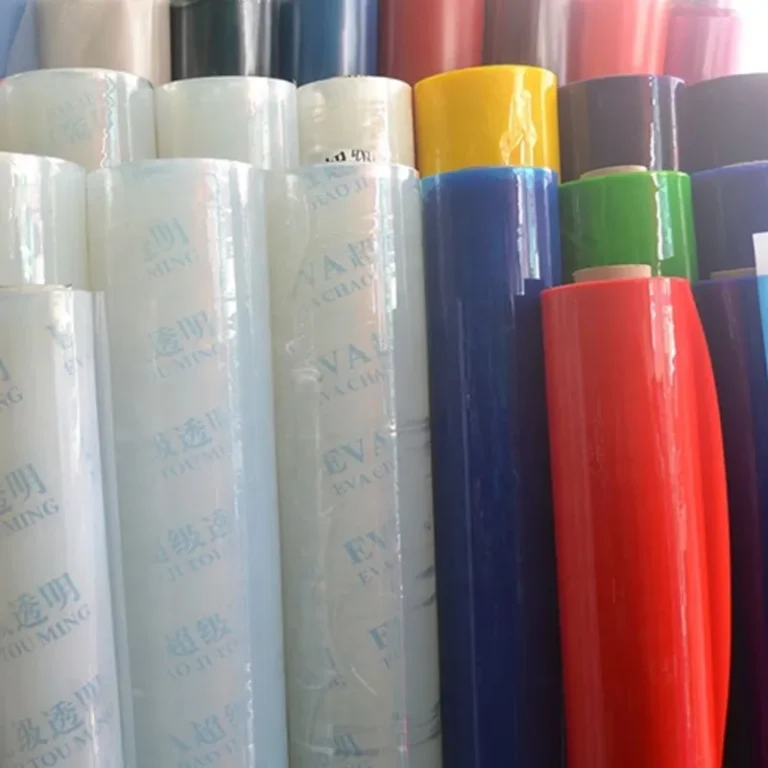
Finding the right PVC film roll supplier is not only about getting a good price—it’s about securing stable quality, consistent color, reliable lead times, and flexible customization that fits your production line. Whether you manufacture furniture panels, interior wall systems, flooring, advertising boards, or industrial packaging, PVC film performance affects yield, rework rate, and customer satisfaction. This guide explains how to evaluate top PVC film roll suppliers and what to demand: quality assurance, custom sizes, fast delivery, and competitive wholesale pricing.
A supplier becomes “top-tier” when it can serve as a long-term manufacturing partner, not just a reseller. In practice, leading suppliers demonstrate:
✔ Full-process capability (calendering/printing/slitting/packaging) to control quality and shorten lead time.
✔ Repeatability across batches: gloss level, thickness tolerance, embossing depth, and adhesion consistency.
✔ Export-grade operations including moisture-protected packaging, clear labeling, and stable shipping documentation.
Pulivk Film is positioned in this category by combining R&D + production across PVC calendered film and decorative film types (wood grain, stone grain, solid colors, soft-touch, transparent, anti-static, self-adhesive), supporting industries from furniture and construction to electronics, medical/cleanroom, and home products.
Different projects demand different substrates and surfaces. A strong supplier will guide you to the best film structure and finish instead of pushing a “one-film-fits-all” option.
Calendered film is widely used where dimensional stability matters—lamination, vacuum pressing, wrapping, and general-purpose industrial applications. If you need predictable processing and tight tolerance, review
Calendered Film
options and confirm tolerance targets (thickness, width, roll length) before ordering.
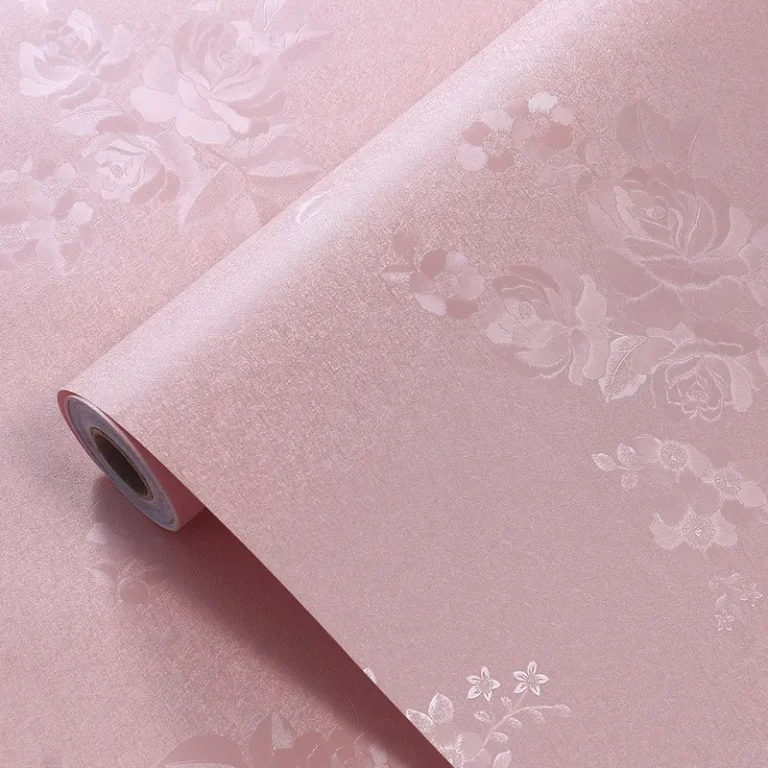
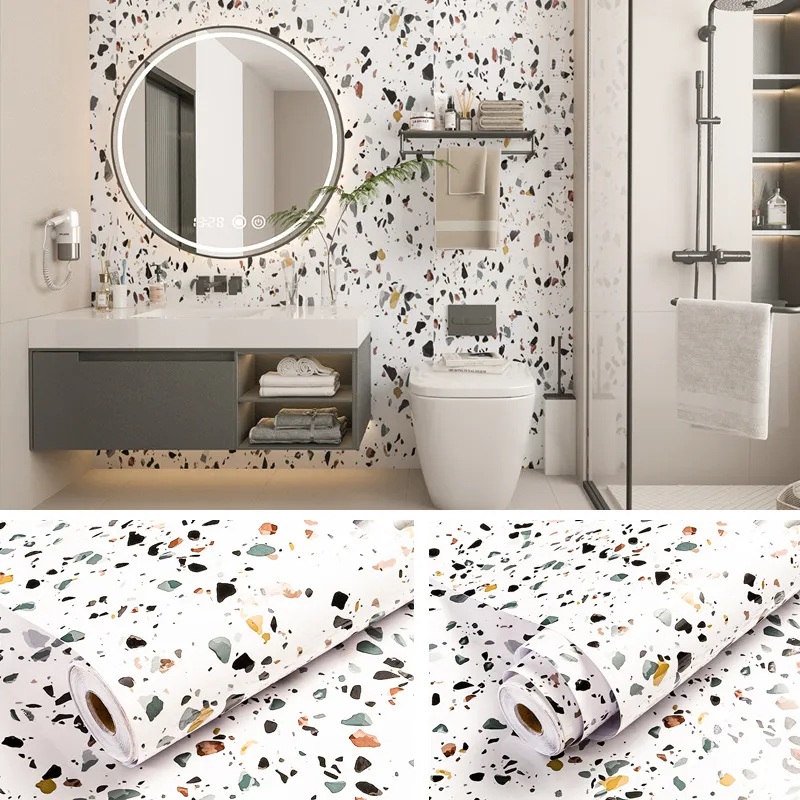
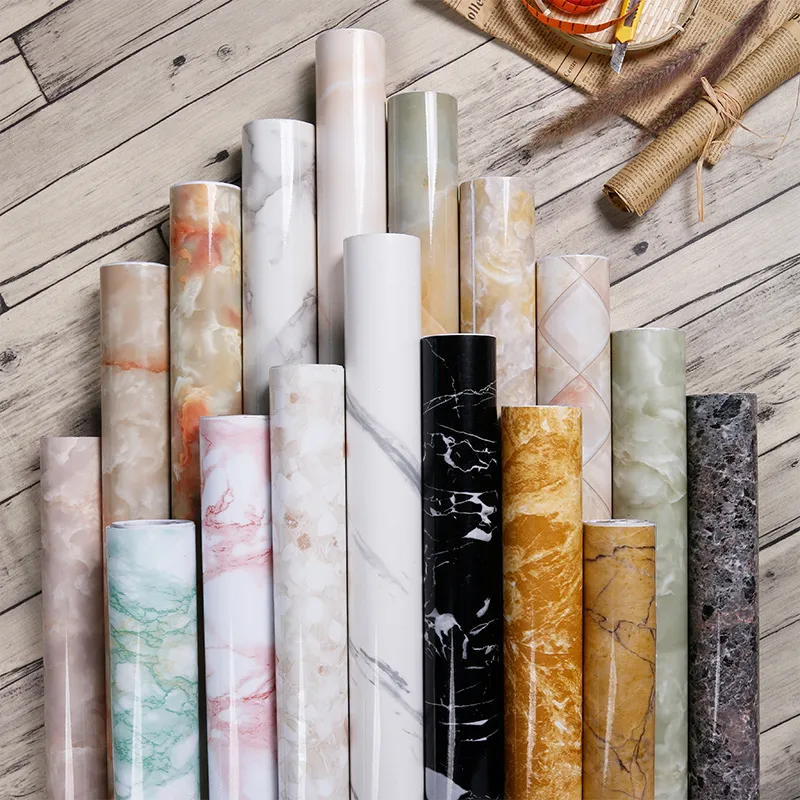
Decorative films are designed to deliver both aesthetics and protection. Popular categories include wood grain, marble/stone grain, brushed metal, textile effects, glossy/matte solids, and embossed 3D textures. For higher perceived value on furniture and panels, explore
Wood Grain Film
or premium texture collections like
3D Silk Texture Film.
Flooring applications typically require stronger wear performance, stable surface friction, and long-term appearance retention. If your project includes floor protection or decorative flooring layers, compare specifications for
Floor Film
and verify abrasion resistance targets based on your market requirements.
Quality is not a single metric. It’s the combined outcome of resin selection, calendering control, ink/adhesive systems, embossing tooling, curing, and roll handling. Use the checklist below during supplier evaluation.
● Thickness tolerance & roll flatness: ask for batch data (not only “standard range”).
● Surface consistency: gloss/matte uniformity, emboss depth stability, no pinholes or streaks.
● Adhesion performance: especially for self-adhesive, wrapping, or lamination lines—request peel test approach and reference substrate.
● Mechanical properties: tensile strength, elongation, tear resistance aligned with your forming method (vacuum press, membrane press, profile wrapping).
● Compliance: confirm ISO management and chemical compliance (REACH/RoHS/FDA where applicable), plus third-party reports when required.
Pulivk Film emphasizes multi-stage QC from raw material to finished roll, plus batch traceability and testing for thickness, strength, adhesion, and optical performance. This matters most when you need repeatable output across multiple containers and multiple months of purchasing.
Many buyers focus on color/pattern, but production efficiency often depends more on roll build and cut accuracy. A capable supplier will support OEM/ODM with practical manufacturing parameters:
➤ Thickness: match forming depth, rigidity, and cost target.
➤ Width & roll length: optimize for your laminator/wrapper to reduce splice frequency.
➤ Surface finish: glossy, matte, soft-touch, brushed, embossed, 3D textures.
➤ Functional coatings: anti-static, anti-fog, food-grade, waterproof and other functional needs.
➤ Packaging & labeling: dust-proof PE wrap or kraft paper, per-roll labels with SKU/spec to prevent warehouse mistakes.
Pulivk’s integrated lines (calendering, printing, slitting, packaging) are specifically valuable for custom sizes because each step can be coordinated under one production plan—helping you avoid the common “printer vs. slitter” blame game that delays shipments.
“Fast delivery” should never mean rushed QC. The best suppliers reduce lead time by improving workflow, holding smart inventory, and using reliable packaging standards—so your rolls arrive ready to run.
Confirm the supplier can provide: sample turnaround timing, production scheduling rules, packaging readiness, and shipping options (air/sea) for your destination. If your line cannot stop, you should also ask about partial shipments (shipping the first finished rolls early).
● Scientific production planning: clear capacity allocation for repeat customers.
● Standardized export packaging: reduces damage claims and re-ship delays.
● In-house slitting & packing: reduces outsourcing queues and mismatch errors.
Pulivk supports bulk orders with fast delivery and uses dust-proof roll wrapping (PE film or kraft paper) plus specification labels per roll—small details that prevent warehouse confusion and installation mistakes at the customer site.
Wholesale pricing is meaningful only when the product specification is identical. In PVC film procurement, a cheaper quote can hide higher scrap rates, color drift, weak adhesion, or roll defects that cost more than the savings. Use a total-cost approach.
① Match the spec: thickness, width, roll length, core size, finish, emboss, adhesive/coating, and tolerances.
② Confirm compliance & testing: ISO/REACH/RoHS/FDA where needed; request test reports for critical projects.
③ Include packaging & damage risk: export packing, moisture protection, palletization, labeling method.
④ Measure yield: evaluate trial rolls on your actual line to compare scrap rate, speed, and rework cost.
Pulivk’s cost advantage comes from upstream control of raw material and process, plus full-process production that reduces external fees and time loss—often enabling competitive pricing without sacrificing consistency.
If you buy PVC film across multiple product lines, it helps to standardize selection rules by application. Below are practical matching ideas used by manufacturers and distributors.
Furniture manufacturing: wood grain, cloth grain, cabinet door films, tabletop protective films—prioritize emboss realism, color stability, and scratch resistance.
Construction & decoration: wall films, stone grain, partition films, ceiling films—prioritize easy cleaning, UV stability where required, and stable batch matching.
Electronics & appliances: anti-static, protective, insulation films—prioritize functional coatings and consistent dielectric/anti-static behavior.
Advertising & exhibition: lightbox films, display background films—prioritize color accuracy, flatness, and print compatibility.
Medical & cleanroom: protective films, clean packaging films—prioritize compliance, low odor, and controlled contamination risk.
Even perfect film can be ruined by poor roll handling. Ask your supplier exactly how each roll is protected. Pulivk individually wraps rolls using dust-proof PE film or kraft paper and attaches specification labels—simple practices that reduce transit damage and help your warehouse identify rolls quickly.
Important: If your film will be stored for weeks before use, request guidance on storage temperature, humidity, and stacking to prevent telescoping, edge damage, or adhesive aging (for self-adhesive films).
Tip for distributors: ask for roll labels that include thickness/width/finish/batch number—this improves traceability and speeds up after-sales issue resolution.
For fast and accurate quoting, provide a complete requirement set: film type, thickness, width, roll length, surface finish (gloss/matte/emboss/soft-touch), color or pattern reference, required functional features (anti-static/anti-fog/food-grade), order quantity, and destination port. Clear input reduces back-and-forth and helps the supplier schedule sampling and production correctly.
If you need company background, product scope, or service details, you can review official pages such as
About Us,
browse the full
Product
catalog, or send requirements directly via
Contact.
PVC film is a thin sheet made from polyvinyl chloride. It’s widely used because it supports many finishes (wood/marble/solid/metal/soft-touch), protects surfaces, and can be customized for different industrial and decorative needs.
Yes. Leading suppliers support OEM/ODM customization for thickness, width, roll size, surface finish, and packaging (including dust-proof wrap and labeled rolls) to fit your production and warehouse workflow.
MOQ depends on film type, thickness, pattern, and customization level. Many manufacturers can support trial orders as well as full container production—share your spec for an exact MOQ.
Request samples, run them on your real process (lamination/wrapping/vacuum pressing), and ask for QC data on thickness tolerance, adhesion tests, and batch traceability. For regulated markets, request compliance documents and test reports.
Experienced exporters ship worldwide by sea or air with export-ready packaging. Look for moisture/dust protection, strong outer packing, and clear per-roll labeling to reduce damage and receiving errors.