Address
304 North Cardinal St.
Dorchester Center, MA 02124
Work Hours
Monday to Friday: 7AM - 7PM
Weekend: 10AM - 5PM
Address
304 North Cardinal St.
Dorchester Center, MA 02124
Work Hours
Monday to Friday: 7AM - 7PM
Weekend: 10AM - 5PM


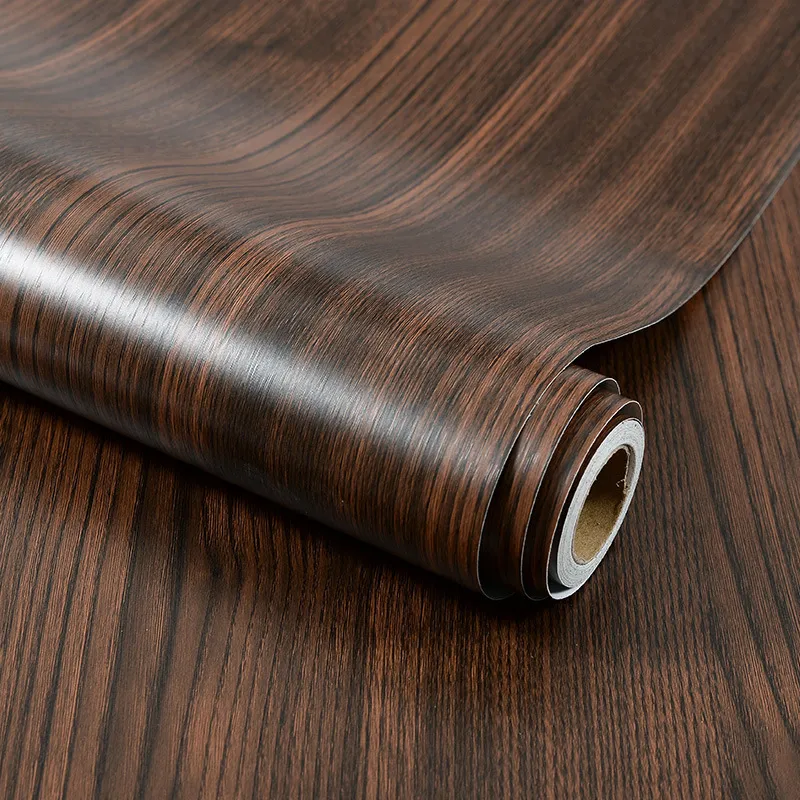
Interior design is constantly evolving, and one material that has proven its versatility and staying power is PVC decorative film. This innovative surfacing solution offers a world of creative possibilities for homeowners, designers, and contractors alike. It’s a thin, flexible sheet that can transform ordinary surfaces into stunning features, mimicking high-end materials like wood, stone, and metal at a fraction of the cost and with significantly easier installation.
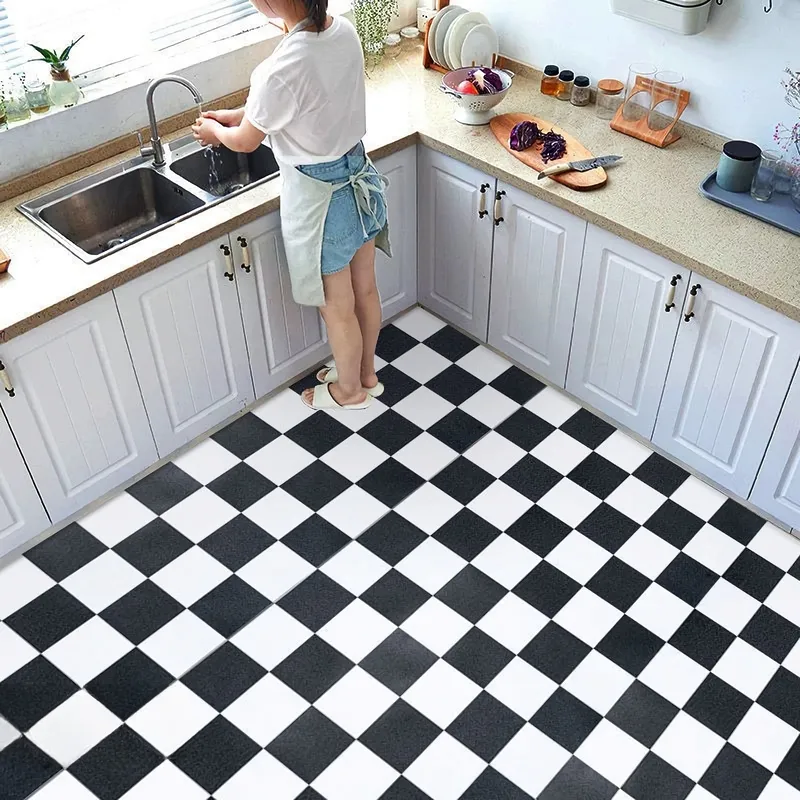
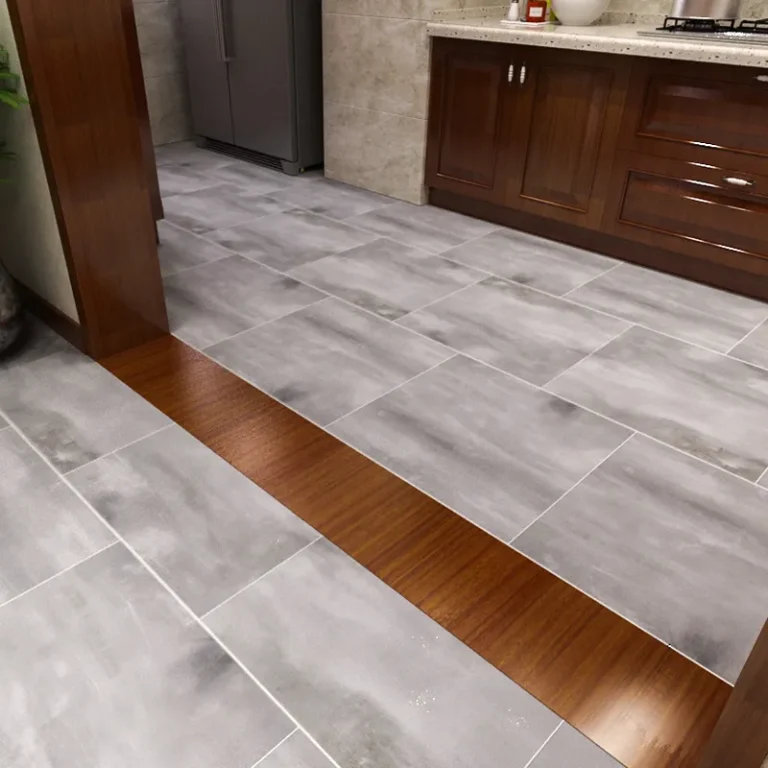
The appeal of PVC film lies in its unique combination of aesthetic flexibility and practical benefits. Unlike traditional materials, it is lightweight, durable, and remarkably easy to maintain. It resists moisture, stains, and scratches, making it an ideal choice for high-traffic areas like kitchens, bathrooms, and commercial spaces. Furthermore, its extensive range of finishes—from realistic wood grain textures to sleek, modern glosses—allows for complete design freedom without the logistical challenges of heavy, solid materials.
→ Key Advantage: PVC film is a cost-effective and non-invasive renovation tool. It allows for dramatic room makeovers without the dust, debris, and extended timelines associated with demolition and traditional material installation.
Unlock the potential of your living spaces with these creative applications of decorative PVC film.
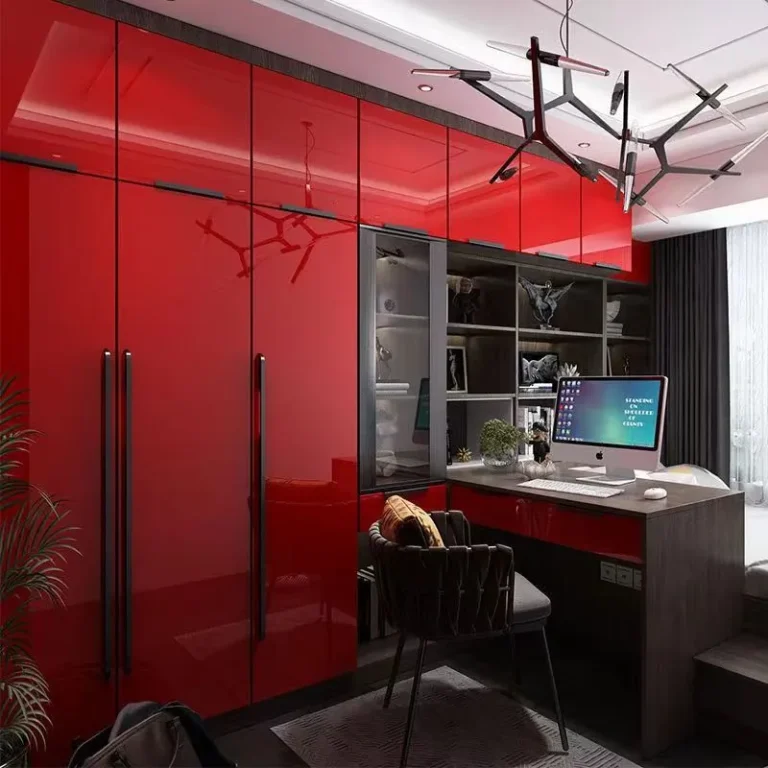
Give outdated kitchen cabinets a fresh, modern look. A high-gloss white or a sophisticated marble film can instantly brighten the space. For a contemporary feel, consider textured options like a 3D silk texture film. This is also a perfect solution for creating cohesive appliance panels or updating a tired backsplash.
Breathe new life into old furniture, from dressers and tables to bookshelves and office desks. A wood grain film can restore the warmth of wooden furniture, while metallic or bold solid colors can turn a simple piece into a statement. This approach is also excellent for customizing built-in storage units to match a room’s new color scheme perfectly.
Create an accent wall with dramatic effect. Use geometric-patterned films, realistic brick or stone textures, or elegant solid color wallpaper films to define a space. PVC film is also ideal for wrapping columns, covering dated wall panels, or adding detail to door frames and skirting boards for a seamless, high-end finish.
Thanks to its moisture resistance, PVC film is a smart choice for bathrooms. Use it to refinish vanity units, line shower niches, or cover laminate countertops. It provides a hygienic, wipe-clean surface that stands up well to steam and humidity, offering a budget-friendly alternative to full tile or stone replacement.
For a truly dynamic interior, combine different film textures. Pair a smooth, glossy wardrobe film on cabinet doors with a matte, textured film on the surrounding walls. Contrast a cool metallic finish with the organic feel of a wood grain. This layering adds depth and visual interest, creating a professionally designed look.
Proper installation is key to achieving a professional, long-lasting result. While specific techniques may vary by product, the following guide outlines the universal best practices for applying self-adhesive PVC decorative film.
The surface must be impeccably clean, dry, smooth, and grease-free. Sand down any imperfections on wood or MDF. For laminate or painted surfaces, clean thoroughly with isopropyl alcohol to remove all traces of wax, oil, or polish. Any dust or debris will be visible under the film and can compromise adhesion.
Measure your surface carefully and cut the film to size, leaving an excess of 2-3 inches on all sides for final trimming. Use a sharp utility knife and a metal straightedge for clean cuts. For complex shapes, create a paper template first.
Begin by peeling back a small portion of the film’s backing paper. Align the film precisely with the top edge of your surface. Using a soft squeegee or a plastic application card, slowly press the film onto the surface as you gradually peel away the rest of the backing. Work from the center outwards to smooth out air bubbles.
→ Crucial Technique: Apply firm, even pressure with the squeegee. For large areas, having a second person to help hold and align the film is highly recommended. Go slowly to avoid wrinkles and misalignment.
If small air bubbles appear, gently pierce them with a fine pin and press the air out. Use the squeegee to push any remaining bubbles toward the nearest edge. Once the film is fully applied and smooth, use a sharp blade to trim the excess material flush with the edges of the surface.
Allow the adhesive to cure for 24-48 hours before subjecting the surface to regular use or cleaning. After curing, clean with a soft, damp cloth and mild detergent. Avoid abrasive cleaners or scouring pads.
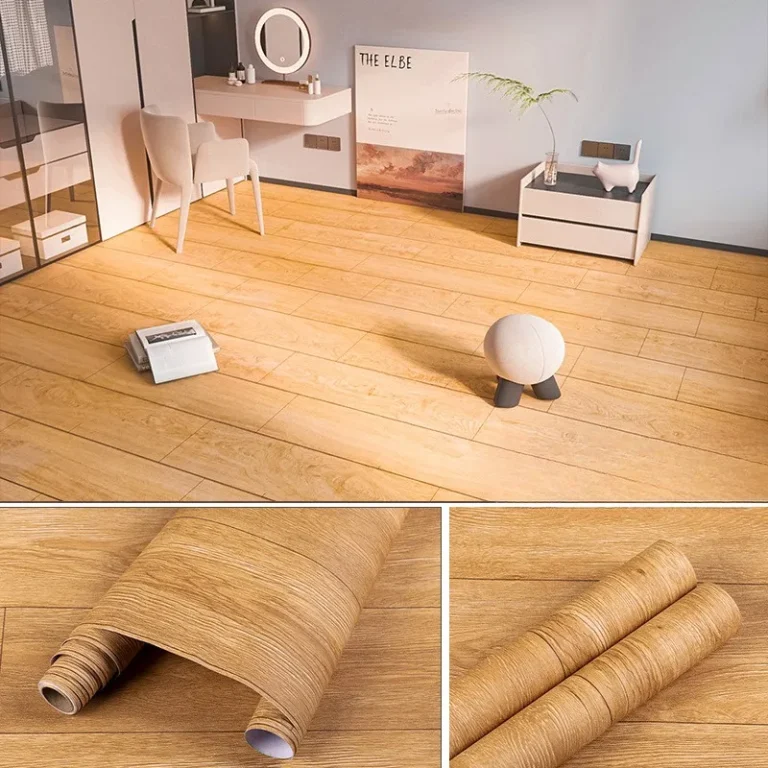
Yes, high-quality PVC film is designed for durability. It is resistant to scratches, fading, and moisture. With proper installation and care, it can last for many years, making it a reliable choice for both residential and commercial interiors. For high-wear areas like floors, consider a dedicated floor film product.
Generally, yes. Most self-adhesive films are designed to be removable. Applying gentle heat with a hairdryer can soften the adhesive for easier peeling. However, the outcome depends on the original surface’s condition and the film’s adhesive type. Always test in an inconspicuous area first.
PVC film adheres best to smooth, non-porous surfaces such as laminate, melamine, glass, metal, and painted wood. It is not suitable for porous or uneven surfaces like raw brick, unfinished wood, or heavily textured walls without specialized primers or surface preparation.
Consider the room’s function and desired aesthetic. Glossy finishes reflect light and create a modern, sleek look but may show fingerprints more easily. Matte finishes offer a sophisticated, contemporary feel and hide imperfections well. Textured finishes (wood, stone, fabric) add warmth and tactile interest, ideal for creating focal points.
For detailed information on our full range of films, from decorative to functional, visit our comprehensive knowledge base and product catalog. You can also explore our FAQ page for more technical and purchasing information.