Address
304 North Cardinal St.
Dorchester Center, MA 02124
Work Hours
Monday to Friday: 7AM - 7PM
Weekend: 10AM - 5PM
Address
304 North Cardinal St.
Dorchester Center, MA 02124
Work Hours
Monday to Friday: 7AM - 7PM
Weekend: 10AM - 5PM


In the world of modern materials, PVC film stands out as a remarkably versatile and indispensable product. From enhancing the aesthetics of your living room furniture to protecting sensitive electronic components, this flexible sheeting offers solutions across a vast spectrum of industries. Its unique combination of durability, cost-effectiveness, and adaptability has made it a cornerstone in manufacturing, construction, and design. This guide delves deep into the various types of PVC film, explores their extensive applications, and highlights the significant benefits they bring to both producers and end-users.
PVC film is not a one-size-fits-all material. It is engineered into various formulations and finishes to meet specific functional and aesthetic demands. The production process itself, often involving calendering, determines key characteristics like thickness, flexibility, and surface texture.
Glossy Film
Matte Film
Soft-Touch Film
This category is driven by visual and tactile appeal. Glossy films provide a high-shine, reflective surface that is easy to clean and adds a modern, sleek look, commonly used for cabinet doors and appliances. In contrast, matte or satin finishes offer a subdued, non-reflective appearance that hides fingerprints and scratches, ideal for office furniture and high-touch areas. Soft-touch films add a luxurious, velvety texture, enhancing the user experience for electronic device casings and premium interior panels.
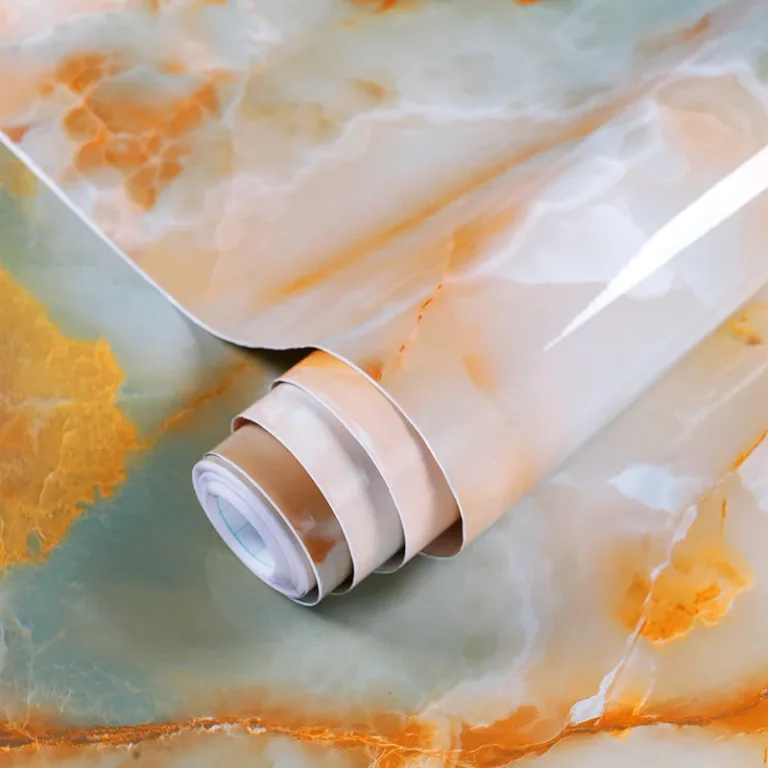
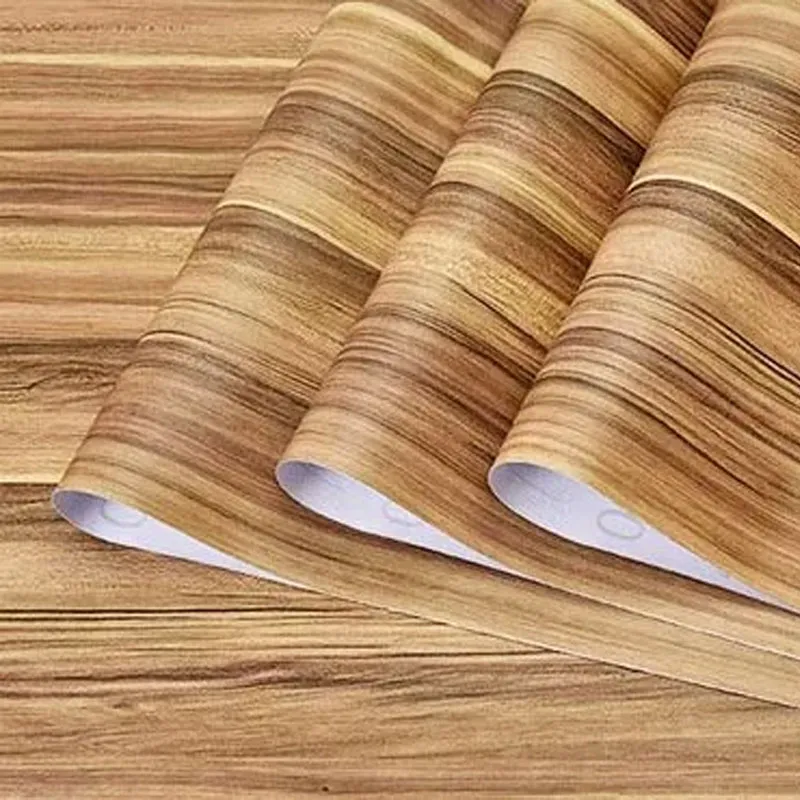
Here, PVC film mimics natural materials or creates unique artistic effects. Wood grain films are incredibly popular, offering the warm, natural look of oak, walnut, or maple without the cost and maintenance of real wood. Stone or marble films replicate the elegant veining of natural stone for backsplashes and decorative panels. For more dimensional interest, embossed, 3D, and texture films like linen, leather, or geometric patterns add depth. Advanced options like 3D silk texture film create sophisticated visual effects that change with the viewing angle.
Beyond looks, PVC films are engineered for performance. Self-adhesive films come with a pressure-sensitive backing for easy application on walls, furniture, and DIY projects. Anti-static films are critical in electronics manufacturing to prevent damage from electrostatic discharge. Fluoropolymer-coated films provide exceptional oil and chemical resistance, perfect for kitchen anti-oil applications. Other specialized types include UV-stabilized films for outdoor use, fire-retardant films for safety compliance, and FDA-compliant films for food contact.
The utility of PVC film spans from industrial settings to the heart of your home. Its adaptability allows it to solve problems in virtually every sector.
This is one of the largest application areas. PVC films are laminated onto particleboard, MDF, or plywood to create durable, attractive surfaces for kitchen cabinets, wardrobes, office desks, and shelving. They offer an endless array of colors and patterns, allowing for mass customization. Glossy wardrobe films and solid color films for walls are particularly sought after for modern interiors. The film acts as a protective layer, resisting moisture, stains, and daily wear.
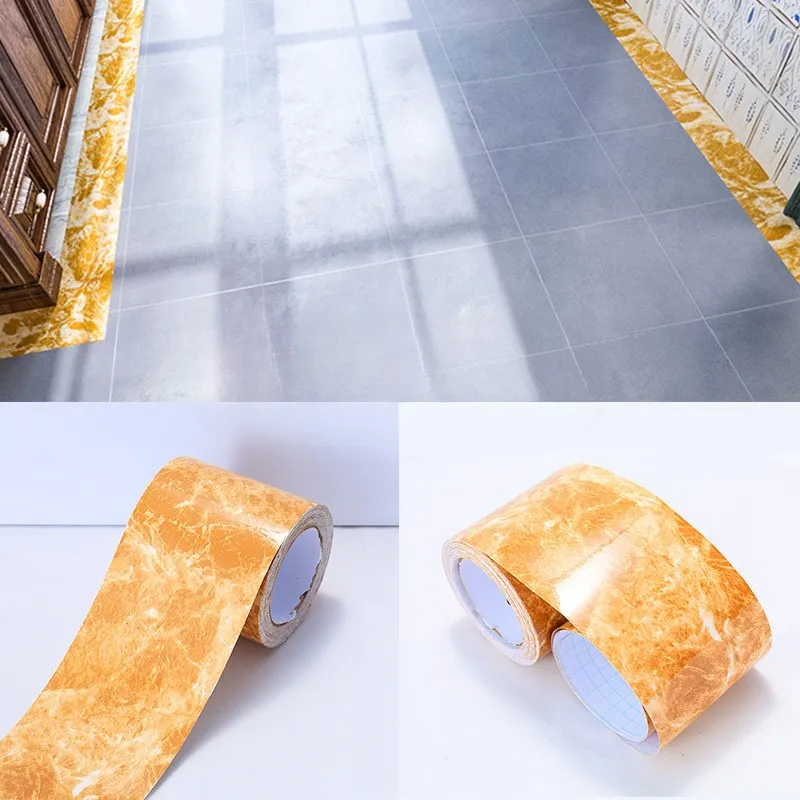
In construction, PVC films are used as decorative laminates for wall panels, ceiling systems, door skins, and window profiles. They provide a cost-effective way to achieve high-end finishes like brushed metal or natural stone. Specialized PVC skirting films and flooring films are designed to withstand foot traffic and cleaning, making them ideal for residential and commercial spaces. Their waterproof nature also makes them suitable for bathroom and kitchen areas.
The printability of PVC film makes it a favorite for point-of-sale displays, billboards, vehicle wraps, and promotional banners. Its durability ensures the graphics remain vibrant outdoors. In packaging, transparent PVC films offer excellent clarity for blister packs and clamshells, protecting products while allowing them to be visible. It’s also used for book covers, menu cards, and ID badges.
This is where functional properties shine. PVC films are used for electrical insulation tapes, membrane switch overlays, and protective coverings for electronic device screens. In the medical field, it’s used for sterile packaging and clean room applications. The automotive industry uses it for interior trim, instrument panel coverings, and temporary paint protection films.
The widespread adoption of PVC film is driven by a compelling set of advantages that address both practical and economic concerns.
PVC films are tough. They resist abrasion, impact, chemicals, and moisture far better than many untreated surfaces. This extends the lifespan of the underlying material, whether it’s a cabinet door or an industrial machine panel. Films can be treated for extra resistance to UV rays, preventing fading and degradation from sunlight.
PVC film provides the appearance of expensive materials like solid wood, metal, or stone at a fraction of the cost. It also reduces manufacturing expenses by simplifying production processes—laminating film onto a substrate is often faster and requires less labor than finishing raw materials. For large-scale projects, this cost saving is significant.
This is a paramount benefit. Manufacturers like Pulivk Film offer extensive OEM/ODM services, allowing clients to specify exact colors, patterns, textures, thicknesses, and functional coatings. Whether you need a specific brand color match, a unique embossed pattern, or a film with anti-fog properties, it can be produced. This enables brands to differentiate their products in the market.
Surfaces laminated with PVC film are typically non-porous and seamless. This makes them incredibly easy to clean—most spills and stains can be wiped away with a damp cloth. This hygienic property is crucial for applications in kitchens, hospitals, schools, and food processing areas. There’s no need for special polishes or sealants.
Compared to the materials it often replaces, PVC film is very lightweight. This reduces shipping costs and makes handling and installation easier. It can be applied using various methods, including heat lamination, cold lamination with adhesives, or vacuum forming, making it compatible with numerous manufacturing techniques.
Partnering with a reliable supplier is critical to unlocking all these benefits. A supplier with in-house capabilities for calendering, printing, and slitting (like Pulivk Film) maintains strict quality control from raw material to finished roll. Look for suppliers who offer comprehensive technical support, can provide samples for testing, and have a proven track record in your target industry or region. Their ability to ensure consistent color and quality across batches and guarantee on-time delivery directly impacts your production schedule and final product quality.
As environmental considerations become increasingly important, leading suppliers are also focusing on sustainable practices. This includes using eco-friendly inks, developing phthalate-free formulations, and ensuring products comply with international standards like REACH and RoHS. Choosing a partner committed to these principles future-proofs your supply chain.
Calendered PVC film is produced by pressing molten PVC compound between a series of heated rollers. This process yields a film with excellent dimensional stability, consistency, and a slightly stiffer hand feel, making it ideal for furniture laminates and rigid applications. Cast film is made by spreading a liquid PVC paste onto a moving belt and then curing it. It tends to be softer, more pliable, and has superior clarity, often used for adhesive tapes and stretch applications.
Yes, but it must be specifically formulated for outdoor use. Standard PVC films can degrade when exposed to prolonged UV radiation from sunlight. Outdoor-grade films contain UV stabilizers and other additives to resist fading, brittleness, and color change. Always confirm with your supplier that the film you are selecting is rated for exterior exposure and ask for relevant test data.
Thickness is typically measured in “mils” (thousandths of an inch) or microns (micrometers). Common ranges vary by application: very thin films (2-5 mils) for packaging and labels, medium films (6-10 mils) for furniture and interior decoration, and thicker films (10-20+ mils) for heavy-duty flooring or industrial uses. Your supplier can help you determine the optimal gauge based on your substrate and performance requirements.
Modern, high-quality PVC films from reputable manufacturers are designed to be safe. Look for films that are certified as phthalate-free, lead-free, and compliant with relevant safety standards such as FDA regulations for food contact surfaces or stringent European toy safety norms (EN 71-3). Suppliers should be able to provide material safety data sheets (MSDS) and third-party test reports upon request.
To receive a precise quotation, be prepared to share the following details: desired film type (e.g., wood grain, glossy), specific thickness and width, total quantity (linear meters or square meters), core and roll size preferences, any special functional requirements (anti-static, anti-fog, etc.), and target color/pattern references (Pantone codes, physical samples, or digital images). The more specific you are, the more accurate the quote and sample will be.