Address
304 North Cardinal St.
Dorchester Center, MA 02124
Work Hours
Monday to Friday: 7AM - 7PM
Weekend: 10AM - 5PM
Address
304 North Cardinal St.
Dorchester Center, MA 02124
Work Hours
Monday to Friday: 7AM - 7PM
Weekend: 10AM - 5PM


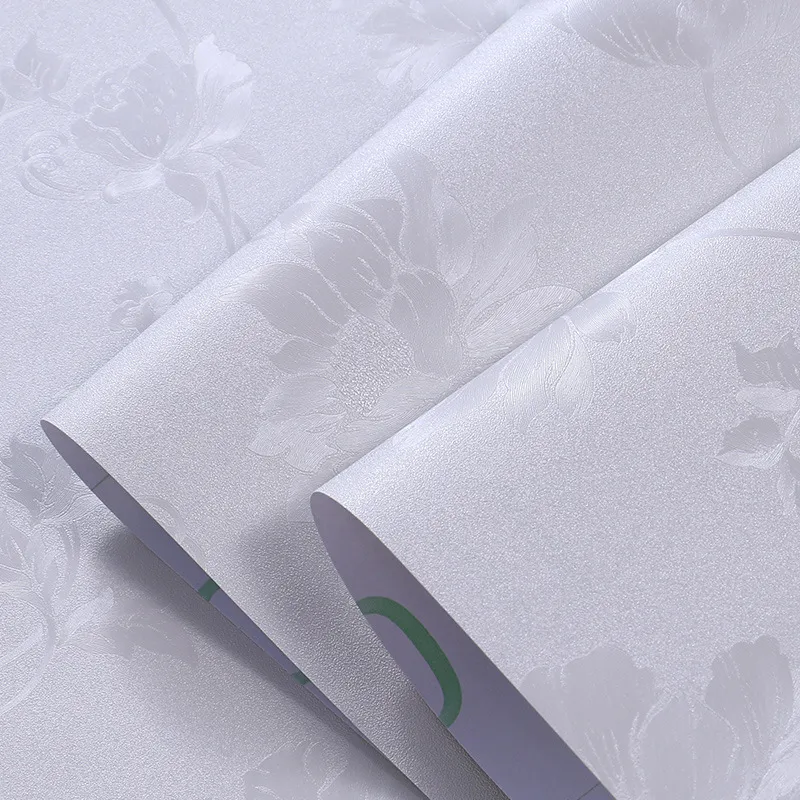
In the world of furniture and flooring, the quest for materials that combine beauty, durability, and practicality is never-ending. Among the frontrunners, PVC film stands out as a remarkably versatile and cost-effective solution. This guide delves into the diverse types of PVC films, their extensive applications, and how custom solutions are transforming interior spaces.
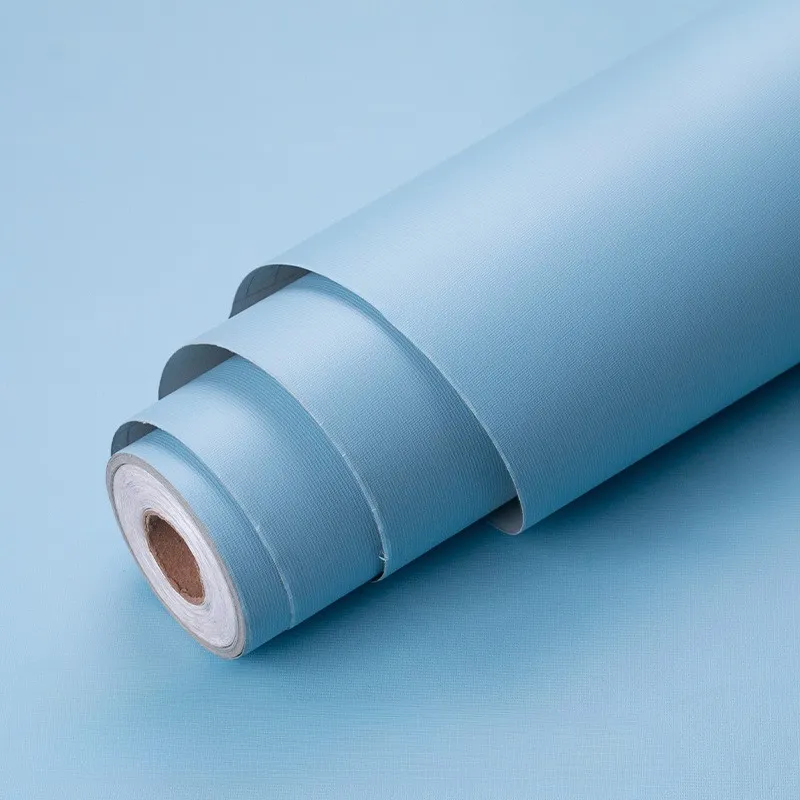
PVC film is a thin, flexible sheet manufactured from polyvinyl chloride. Through processes like calendering, it achieves a uniform thickness and smooth surface, making it an ideal substrate for decorative and functional layers. Its inherent properties—water resistance, ease of cleaning, and resilience to wear—make it a preferred choice for surfaces that face daily use.
Aesthetic Flexibility: Can mimic high-end materials like wood, stone, and metal at a fraction of the cost.
Durability: Resistant to moisture, stains, scratches, and fading, ensuring long-lasting beauty.
Easy Maintenance: Most films require only simple wiping with a damp cloth, perfect for busy households and commercial spaces.
Cost-Effectiveness: Provides an economical way to achieve premium looks without the premium price tag of solid materials.
The market offers a vast array of PVC films, each designed to meet specific aesthetic and functional needs. Understanding these types is the first step in selecting the right material for your project.
These films are the workhorses of aesthetic transformation, applied to surfaces like cabinet doors, tabletops, and wall panels.
Beyond aesthetics, some films are engineered for specific protective roles.
Off-the-shelf options are plentiful, but the true power of PVC film lies in customization. Leading manufacturers offer OEM/ODM services to bring unique design concepts to life.
Thickness & Dimensions: Films can be produced in specific gauges and roll widths to fit precise manufacturing equipment or project requirements.
Color & Pattern Matching: Advanced digital printing allows for exact Pantone color matching and the creation of entirely original patterns, from corporate logos to artistic murals.
Surface Texture & Finish: Combine specific visual patterns with tactile effects, such as a glossy geometric print or a matte leather texture.
Functional Coatings: Add layers for anti-static properties, UV resistance, enhanced fire retardancy, or antibacterial protection based on the application environment (e.g., healthcare, electronics).
Yes, absolutely. Modern PVC films are highly moisture-resistant and easy to clean, making them excellent for kitchens and bathrooms. For areas prone to grease, specialized anti-oil films are recommended. They provide a durable, waterproof barrier that protects the substrate underneath.
PVC film used in flooring, often as the wear layer in LVT, is exceptionally durable. It is designed to resist scratches, scuffs, and stains from foot traffic and furniture. The durability is measured in mils thickness and via standardized abrasion tests (like Taber test). For high-traffic commercial areas, a thicker wear layer is specified.
Yes, it is a popular method for renovation. For furniture, self-adhesive PVC films can be applied directly over old laminate or wood after proper surface cleaning and priming. For floors, PVC film in the form of vinyl plank flooring or luxury vinyl sheets can often be installed over existing, smooth subfloors, creating a completely new look without the mess of demolition.
Maintenance is straightforward. Regularly dust or sweep the surface. For cleaning, use a soft cloth or mop dampened with a mild detergent solution. Avoid abrasive pads, harsh chemicals (like bleach or acetone), and steam cleaners, as these can damage the film’s surface layer and finish.
While large-scale production is most cost-effective, many suppliers now accommodate smaller custom orders, especially for sample runs or specific design validation. The Minimum Order Quantity (MOQ) varies, so it’s best to discuss your specific project scope and volume directly with the manufacturer to find a feasible solution.