Address
304 North Cardinal St.
Dorchester Center, MA 02124
Work Hours
Monday to Friday: 7AM - 7PM
Weekend: 10AM - 5PM
Address
304 North Cardinal St.
Dorchester Center, MA 02124
Work Hours
Monday to Friday: 7AM - 7PM
Weekend: 10AM - 5PM


In the world of materials, especially within construction, manufacturing, and design, terms like PVC film, foil, membrane, and sheet are often used, sometimes interchangeably. However, each represents a distinct type of material with specific properties, manufacturing processes, and ideal applications. Understanding these differences is crucial for selecting the right product for your project, whether you’re a designer, architect, or manufacturer.

Let’s start by clearly defining what we mean by each term. This foundational knowledge will help clarify their unique roles.
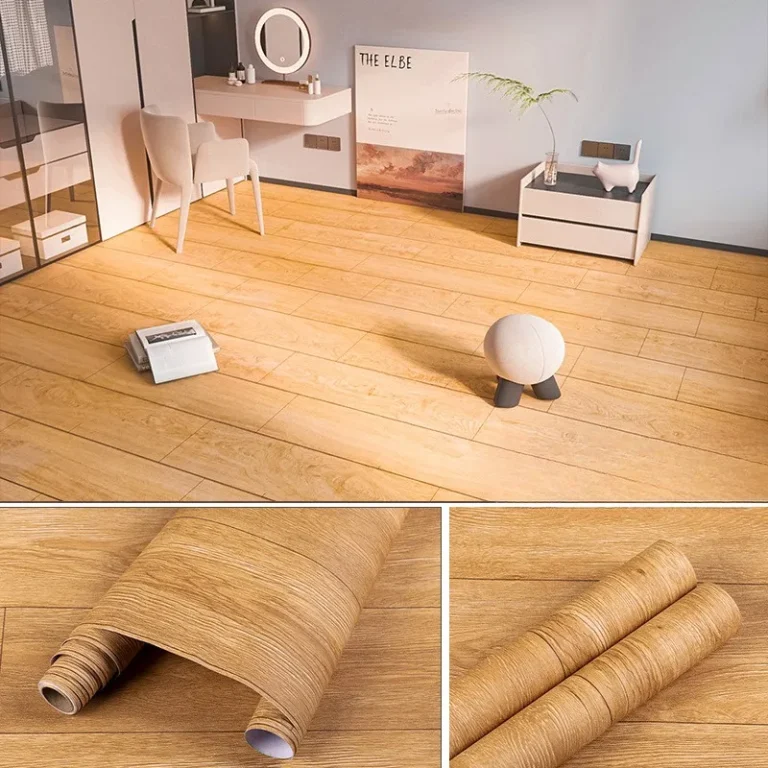
A film is generally defined as a thin, flexible sheet of material, typically with a thickness under 10 mils (0.25 mm). It is often produced through processes like calendering or extrusion. PVC films are a prime example, known for their versatility. They can be clear, colored, printed, or embossed. Common uses include decorative surfaces for furniture (like wood grain film), protective layers, packaging, and adhesive applications. Their thinness makes them ideal for lamination onto substrates like wood, MDF, or metal.
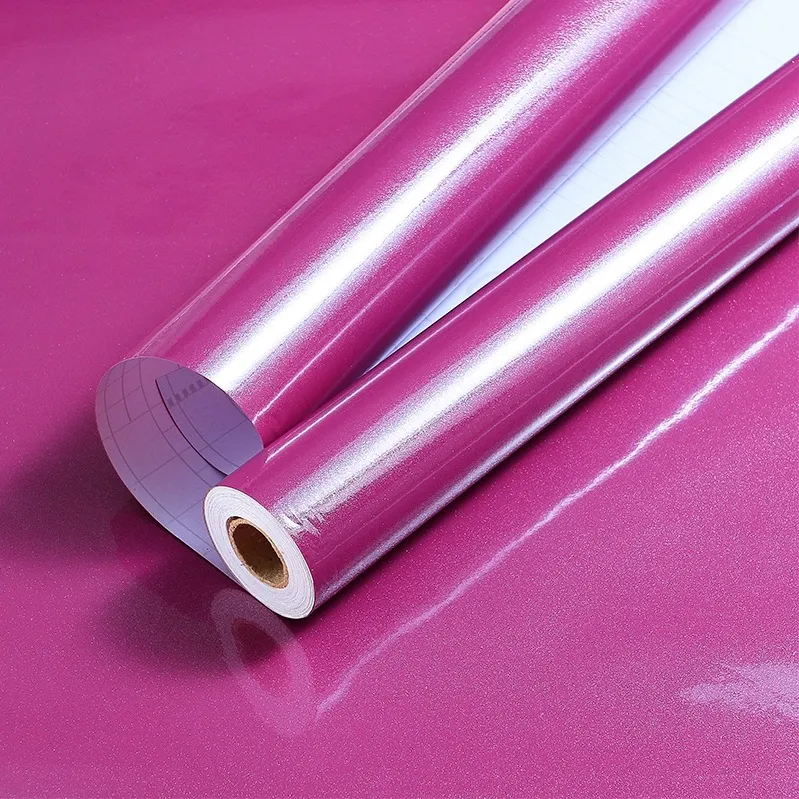
Foil traditionally refers to a very thin sheet of metal, such as aluminum. In modern contexts, especially in interior design, “foil” can describe a decorative material with a metallic, mirror-like, or high-gloss finish. This is often achieved by applying a thin layer of metal (or a metallic pigment) to a carrier film, like PVC or polyester. For instance, a kitchen oil-proof aluminum foil combines the barrier properties of foil with a protective film backing. Foils are primarily used for aesthetic enhancement, creating reflective, luxurious, or high-tech surfaces in furniture, signage, and packaging.
A membrane is a thin, pliable sheet or layer that acts as a selective barrier. Its primary function is often functional rather than purely decorative: to prevent the passage of liquids, vapors, or gases. In construction, waterproofing membranes are critical for roofs, foundations, and below-grade walls. These membranes can be made from modified bitumen, PVC, TPO, or EPDM. They are engineered for durability, weather resistance, and long-term performance under stress, distinguishing them from simpler films or sheets.
A sheet is a broader term for a flat, relatively thin piece of material. It is usually thicker and more rigid than a film, often ranging from 0.5 mm to several centimeters. Sheets can be made from plastic (like PVC, acrylic, or polycarbonate), metal, glass, or composite materials. PVC sheets, for example, are used for signage, tank linings, and thermoformed parts. Their rigidity allows them to be used as structural or semi-structural components, unlike films which typically require a supporting substrate.
Primary Focus: Film = Decorative/Protective; Foil = Aesthetic/Metallic; Membrane = Barrier/Functional; Sheet = Structural/Rigid.
Typical Thickness: Film (Thinnest) → Foil → Membrane → Sheet (Thickest).
Core Property: Film (Flexibility); Foil (Reflectivity); Membrane (Impermeability); Sheet (Rigidity).
PVC films are predominantly created through calendering, a process where heated PVC compound is passed through a series of rollers to achieve a precise thickness and surface finish. This results in what is known as calendered film. Types include:
► Decorative Films: Wood grain, marble, stone, 3D silk texture, and solid colors for furniture and interiors.
► Functional Films: Anti-static, waterproof, self-adhesive, and protective films.
► Surface Finish: Available in glossy, matte, soft-touch, and textured finishes.
Foil production often involves vacuum metallization, where a thin layer of aluminum is deposited onto a film carrier in a vacuum chamber. Alternatively, it can involve lamination of a pre-metallized film to a substrate. The key is the metallic layer, which provides the signature look. Modern foils can also be colored or patterned.
Membranes are manufactured to meet strict performance standards. PVC waterproofing membranes, for instance, are often reinforced with polyester scrim or glass fiber for dimensional stability and tear resistance. They are formulated with plasticizers and stabilizers to ensure long-term flexibility and resistance to environmental factors like UV rays and chemicals.
Sheets are typically produced by extrusion, where molten plastic is forced through a die to form a continuous profile that is then cooled and cut. They can also be produced by compression molding. This process allows for greater thickness and the incorporation of additives for properties like impact resistance, flame retardancy, or UV stability.
The application of each material is dictated by its inherent properties. Here’s how they are commonly used across industries.
Furniture & Cabinetry: Laminating doors, panels, and skirting boards (PVC skirting film).
Interior Decoration: Wall covering (solid color wallpaper), ceiling panels.
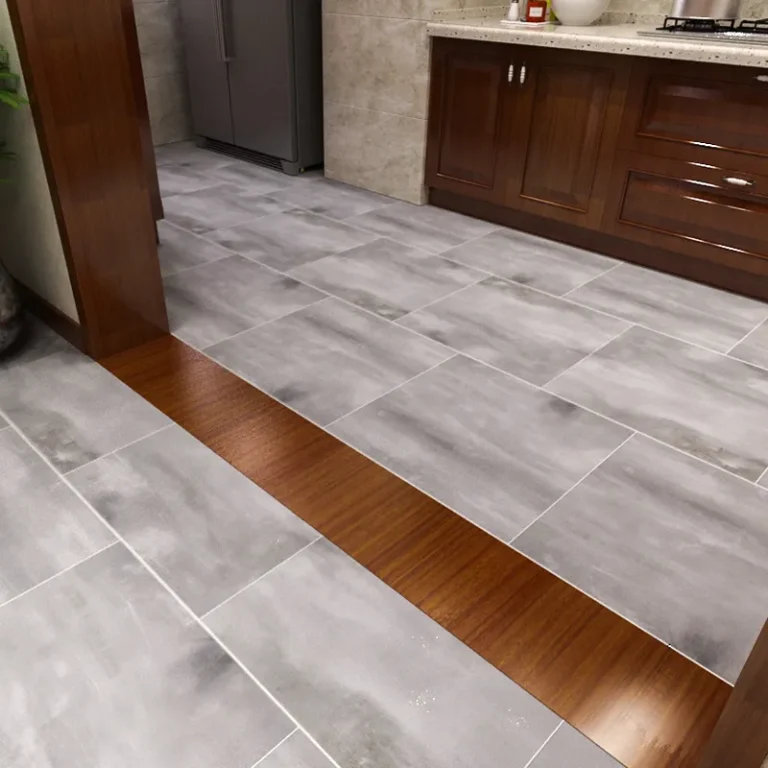
Flooring: As a wear layer on vinyl kitchen flooring or as a temporary floor film protector.
Automotive: Interior trim and decorative elements.
Packaging: Blister packs, clamshells, and shrink wraps.
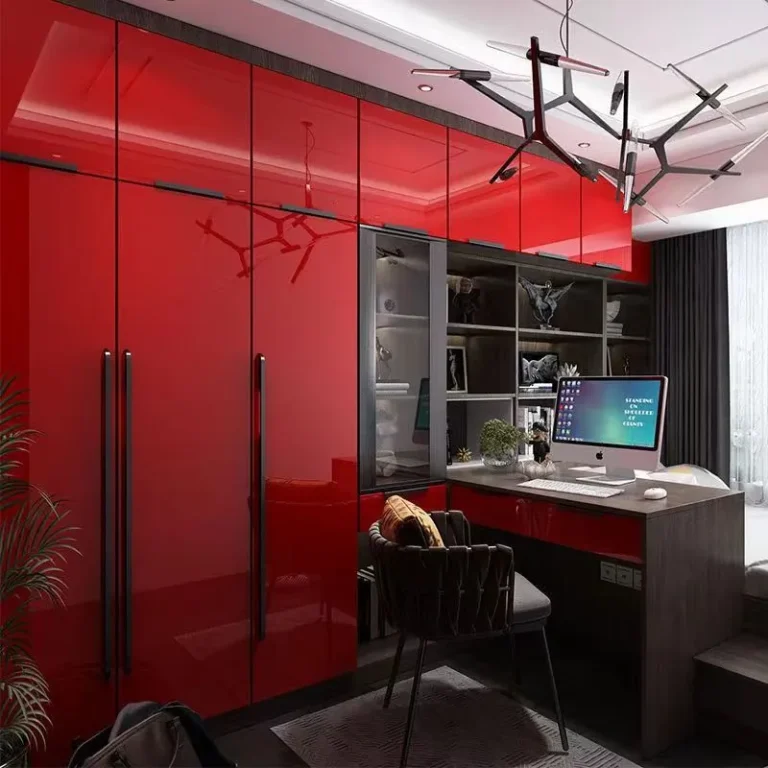
Decorative Laminates: High-gloss kitchen cabinets, accent walls, and retail displays.
Packaging: Luxury product packaging, labels, and holographic security features.
Signage & Graphics: Reflective signs and eye-catching promotional materials.
Haberdashery: Hot-stamping for textiles and book covers.
Membrane Applications are highly specialized: roof waterproofing, below-ground tanking, landfill liners, and pond liners. Their job is to be invisible and perform under duress for decades.
Sheet Applications leverage rigidity: machine guards, sanitary wall cladding, point-of-purchase displays, glazing substitutes, and fabricated industrial parts.
Choosing between a film, foil, membrane, or sheet depends on several project-specific factors:
1. Function: Is the primary need decoration (film/foil), a water barrier (membrane), or a structural component (sheet)?
2. Environment: Will it be exposed to moisture, UV light, chemicals, or physical abrasion? Membranes and certain engineered sheets excel in harsh environments.
3. Substrate & Installation: Films and foils require a smooth, stable substrate for lamination. Sheets can often be used as standalone panels. Membranes require specific installation techniques like welding or adhesive bonding.
4. Aesthetics: For a specific visual effect like a marble film or a high-gloss finish (glossy wardrobe film), decorative films or foils are the answer.
5. Budget & Durability: Films often offer a cost-effective decorative solution, while membranes represent a long-term investment in protection. Sheets balance cost and structural performance.
While some thick, reinforced PVC films have water-resistant properties, they are not typically engineered to the same performance standards as dedicated waterproofing membranes. Membranes are tested for long-term hydrostatic pressure, puncture resistance, and seam strength. For critical waterproofing applications, always use a product specifically designed and certified as a building membrane.
A true metal foil (e.g., aluminum foil) is a freestanding sheet of metal. A foil-laminated film consists of a thin layer of metal deposited or laminated onto a plastic film carrier (like PET or PVC). The latter is more common in decorative applications as it is more flexible, easier to handle, and can be printed or coated.
Choose a sheet when you need a self-supporting material that does not require a substrate, or when you need greater impact resistance, rigidity, and thickness. For example, a protective machine guard requires a PVC sheet, while a decorative surface for an MDF cabinet door uses a PVC film.
Recyclability varies. Pure PVC sheets and films can be recycled, but the process is complex and not universally available. Composite materials (like foil-laminated films or reinforced membranes) are much harder to recycle due to the mixture of materials. Always check local recycling guidelines and consider the environmental policies of your supplier.
For custom projects, especially in furniture or construction, partner with a manufacturer that offers technical support. Provide detailed requirements: application, environment, desired aesthetics, performance standards, and budget. Reputable suppliers, like those with comprehensive product lines and technical knowledge, can guide you to the optimal material—whether it’s a film, foil, membrane, or sheet—and often provide custom OEM/ODM solutions.