Address
304 North Cardinal St.
Dorchester Center, MA 02124
Work Hours
Monday to Friday: 7AM - 7PM
Weekend: 10AM - 5PM
Address
304 North Cardinal St.
Dorchester Center, MA 02124
Work Hours
Monday to Friday: 7AM - 7PM
Weekend: 10AM - 5PM


In the world of modern materials, Heat Insulation PVC Film has emerged as a versatile and highly functional solution for a wide range of applications. This specialized film combines the inherent durability and flexibility of Polyvinyl Chloride with advanced thermal management properties, offering a unique blend of benefits that extend far beyond simple surface decoration. As industries and homeowners alike seek more efficient ways to manage energy, improve comfort, and enhance aesthetics, this innovative material provides a practical and cost-effective answer.
At its core, Heat Insulation PVC Film is a multi-layered or specially treated polyvinyl chloride sheet engineered to reduce heat transfer. Unlike standard calendered films, it incorporates additives, micro-layers, or reflective surfaces that impede the flow of thermal energy. This construction allows it to reflect radiant heat, provide a barrier against conductive heat, and in some cases, add bulk insulation value when applied to surfaces like windows, walls, or industrial equipment.
Key Takeaway: The insulation performance is not an afterthought but a fundamental characteristic engineered into the film’s structure, making it a functional upgrade from purely decorative PVC options.
The adoption of Heat Insulation PVC Film is driven by a compelling array of advantages that address both performance and economic needs.
By reflecting solar radiant heat in summer and retaining interior warmth in winter, these films can significantly reduce the load on HVAC systems. This leads to measurable decreases in energy consumption for cooling and heating, translating into lower utility bills and a reduced carbon footprint for both residential and commercial buildings.
Beyond temperature control, the film improves occupant comfort by minimizing hot spots near windows and reducing uncomfortable glare from direct sunlight. This creates more consistent and pleasant indoor environments, which is particularly valuable in offices, schools, and homes with large glass facades.
The film acts as a shield against ultraviolet (UV) rays, which are a primary cause of fading and deterioration for furniture, artworks, carpets, and vinyl flooring. By blocking up to 99% of harmful UV radiation, it helps preserve the color and integrity of valuable interior furnishings and finishes, extending their lifespan and maintaining aesthetic appeal.
High-quality insulation films are scratch-resistant and add a layer of shatter resistance to glass. In the event of breakage, the film helps hold glass fragments together, reducing the risk of injury from flying shards and enhancing overall safety—a critical consideration for schools, high-rise buildings, and areas prone to severe weather.
Compared to replacing windows with double or triple-pane insulated units, applying Heat Insulation PVC Film is a remarkably affordable retrofit solution. It delivers a strong return on investment through energy savings and interior protection, often paying for itself within a few years.
The benefits are not limited to glass. When used as a wall film or on other surfaces, it can improve the thermal performance of walls, doors, and even industrial enclosures, showcasing its adaptability across different substrates and use cases.
The utility of Heat Insulation PVC Film spans numerous sectors, each leveraging its properties to solve specific challenges.
This is the most common application. The film is applied to windows, skylights, and glass doors in commercial offices, hotels, hospitals, and residential buildings. It is a go-to solution for improving the energy rating of existing structures without the disruption and cost of full window replacement.
Specialized automotive-grade films are used on car, bus, and train windows. They help keep vehicle interiors cooler, protect passengers and cargo from UV exposure, and reduce glare for drivers, thereby enhancing comfort and safety during travel.
In factories and warehouses, the film can be applied to windows in offices or control rooms within the facility, or used on enclosures for heat-sensitive machinery. It helps stabilize internal temperatures, protect equipment, and improve working conditions for personnel.
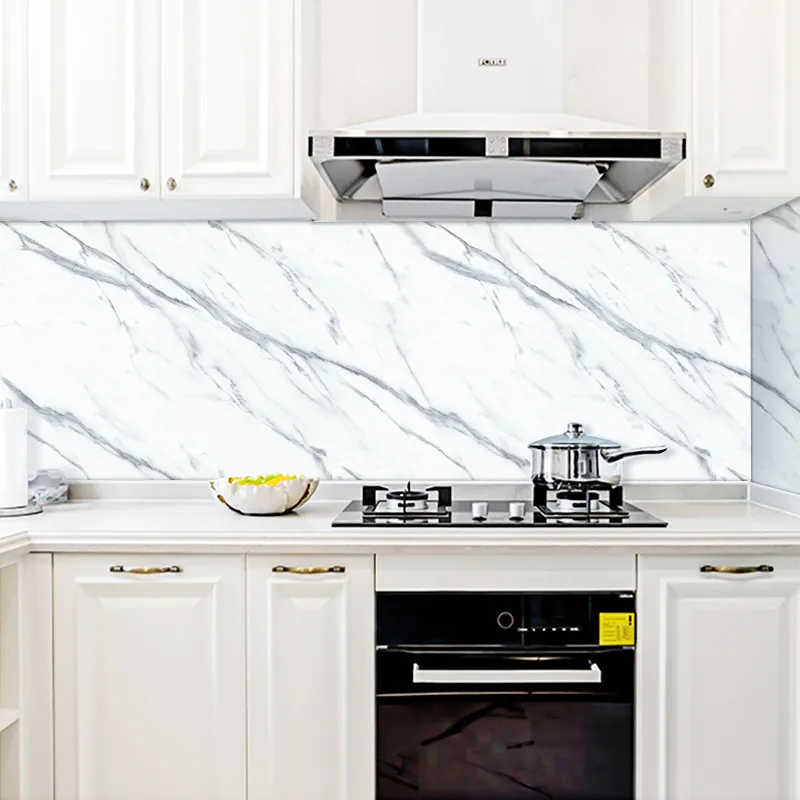
Homeowners increasingly use these films for sunrooms, large picture windows, and garage doors. The DIY-friendly versions allow for easy application, making thermal upgrades accessible. It also pairs well with other decorative films, such as marble film for kitchen backsplashes, where both aesthetics and a slight thermal barrier might be desired.
Museums, archives, and galleries use UV-blocking insulation films to protect priceless artifacts from light damage while managing internal climate more efficiently. Restaurants with large windows use it to maintain comfortable dining temperatures regardless of the weather outside.
Off-the-shelf films serve many purposes, but the true power of this technology is unlocked through customization. Leading manufacturers like Pulivk Film offer extensive OEM/ODM services to engineer films that meet exact project specifications.
Thermal Performance Specifications: Films can be engineered to target specific Solar Heat Gain Coefficient (SHGC) or U-Value ratings, balancing heat rejection with visible light transmission based on climatic conditions and building orientation.
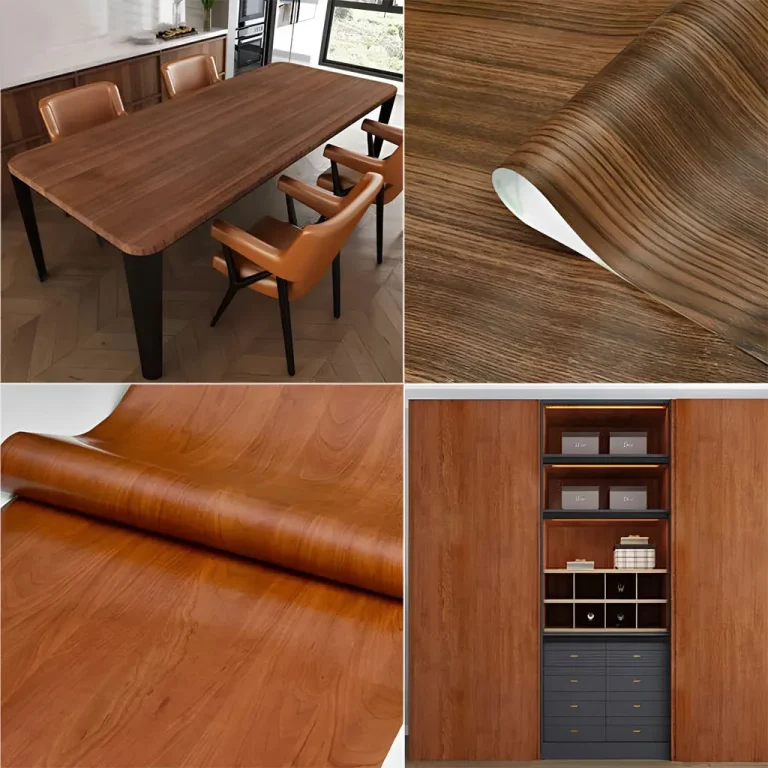
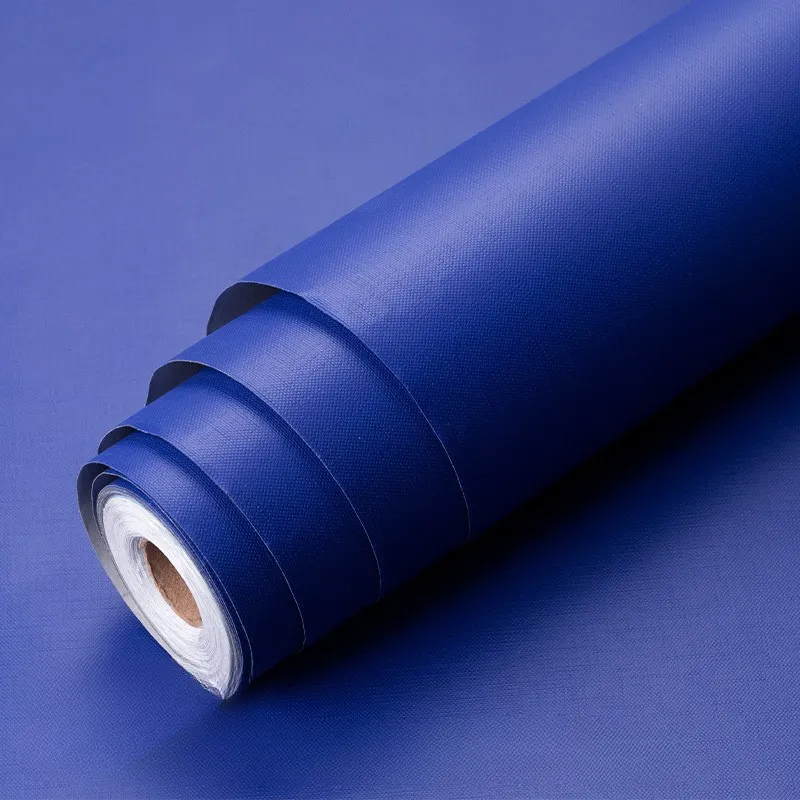
Aesthetic Integration: Insulation functionality can be combined with decorative finishes. A film can be tinted in various shades (bronze, grey, blue, green) or matched to custom colors. It can also be paired with textured finishes, like those found in 3D texture films, to provide privacy, diffuse light, and add style while performing its primary insulating role.
Dimensional and Physical Properties: Custom thickness, width, and roll length are standard offerings. Films can also be manufactured with enhanced tensile strength, specific adhesion properties for challenging substrates, or with anti-scratch coatings for high-traffic areas.
Functional Additives: Beyond heat insulation, films can be customized with additional features:
• Anti-static: For use in electronics manufacturing or cleanrooms.
• Safety/Security: Increased thickness and adhesion for enhanced breakage retention.
• Easy-Clean Coatings: Hydrophobic surfaces that repel water and dirt.
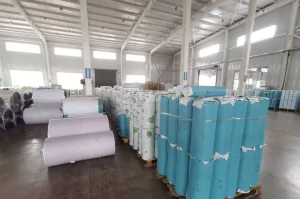
With complete in-house control over the calendering, coating, and slitting processes, manufacturers can maintain stringent quality control from raw material to finished roll. This vertical integration allows for rapid prototyping, consistent batch-to-batch performance, and the agility to accommodate both large-scale projects and specialized small orders. Their global export experience ensures that custom solutions are delivered with an understanding of different regional climate challenges and application standards.
Engaging for a custom solution typically involves a collaborative process: consultation to define needs, laboratory development of samples, performance testing (thermal, optical, durability), and finally, production scaling. This ensures the final product is not just a generic film, but a engineered material solution.
It works primarily through two mechanisms: reflection and absorption. A microscopically thin, transparent metal or ceramic layer reflects infrared radiation (radiant heat). Some films also use dyed or pigmented layers to absorb solar energy, which is then dissipated outward. High-performance films often combine both methods to achieve optimal thermal control.
It depends on the product and the application. Many residential window films are marketed as DIY, requiring a spray solution, a squeegee, and careful technique. For large, complex, or commercial-grade installations—especially those involving safety/security films or custom architectural projects—professional installation is strongly recommended to ensure proper adhesion, avoid bubbles, and guarantee performance warranties.
Not necessarily. Modern insulation films are available with a wide range of Visible Light Transmission (VLT) percentages. You can choose a nearly clear film that rejects heat while allowing over 70% of visible light to pass through, or a darker tint for more glare reduction and privacy. The key is selecting the right VLT for your specific needs and local building codes.
Most films are safe for standard annealed glass. However, caution is required with tempered glass, laminated glass, or windows with existing seals or coatings (like low-E). Applying a film can alter the thermal stress profile of the glass. It is crucial to consult the film manufacturer and your window supplier before application to prevent potential thermal stress breakage. Professional installers are trained to assess window suitability.
High-quality films from reputable manufacturers come with warranties ranging from 10 to 25 years or more against peeling, bubbling, discoloration, and delamination. Maintenance is simple: clean with a soft cloth or sponge, a mild soap or ammonia-free glass cleaner, and plenty of water. Avoid abrasive tools or harsh chemicals that could scratch or damage the film’s surface coatings.