Address
304 North Cardinal St.
Dorchester Center, MA 02124
Work Hours
Monday to Friday: 7AM - 7PM
Weekend: 10AM - 5PM
Address
304 North Cardinal St.
Dorchester Center, MA 02124
Work Hours
Monday to Friday: 7AM - 7PM
Weekend: 10AM - 5PM


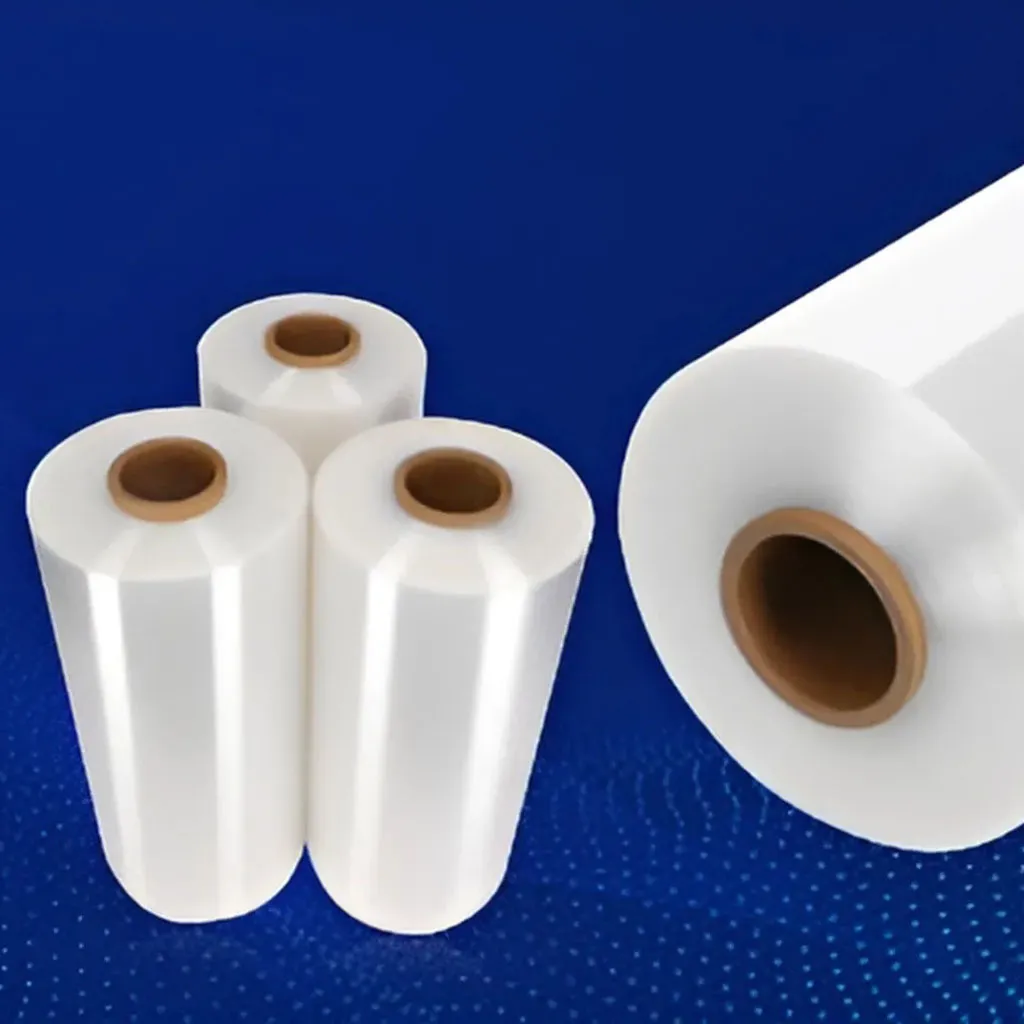
PVC decorative film has revolutionized the way we approach interior design and furniture manufacturing. This versatile material offers a cost-effective and creative solution for updating surfaces, allowing for dramatic transformations without the need for extensive renovation. From kitchen cabinets to feature walls, PVC film provides durability, aesthetic appeal, and remarkable ease of application.
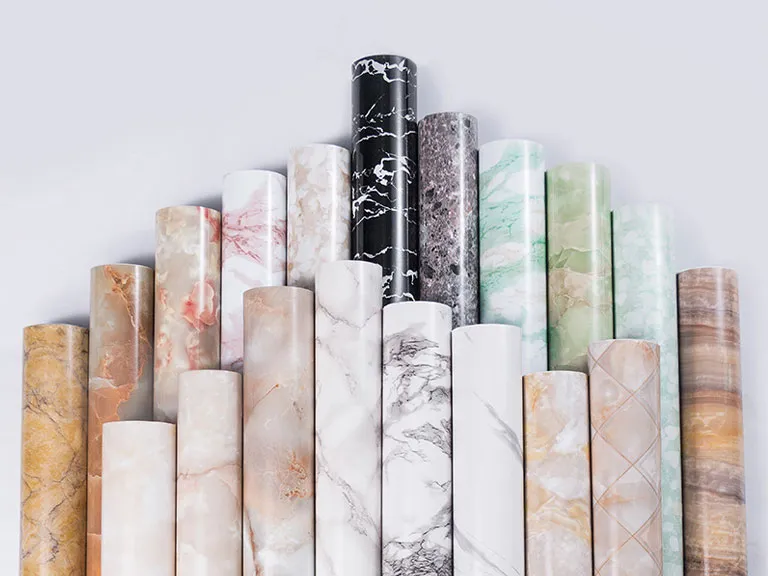
At its core, PVC (Polyvinyl Chloride) decorative film is a thin, flexible sheet manufactured through processes like calendering. It is designed with printed patterns, textures, and finishes that mimic natural materials such as wood, stone, fabric, or metal. The film typically features a pressure-sensitive adhesive backing, protected by a release liner, making it a user-friendly option for both DIY enthusiasts and professional installers.
→ Durability: Resistant to scratches, moisture, and fading, ensuring long-lasting beauty.
→ Flexibility: Conforms easily to curves, edges, and complex profiles on furniture and walls.
→ Maintenance: Most films feature a wipe-clean surface, simplifying upkeep.
The variety available in the market caters to every conceivable design need. Understanding the different types helps in selecting the perfect film for your project.
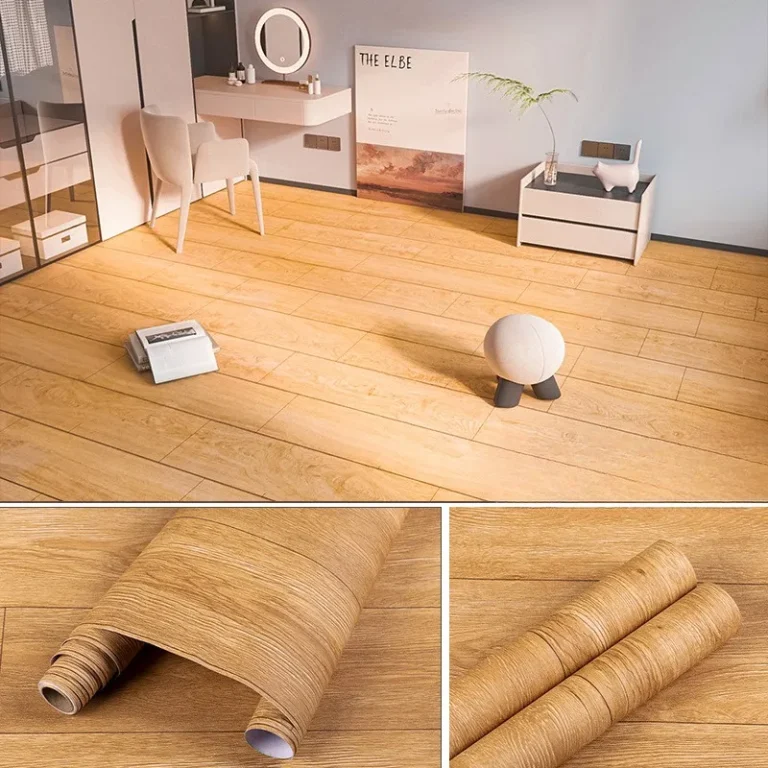
These films are perennial favorites, replicating the rich warmth and intricate grain patterns of oak, walnut, teak, and other woods. They offer the classic look of solid wood at a fraction of the cost and are perfect for cabinets, doors, and paneling. For authentic wood aesthetics, explore high-quality wood grain film options.
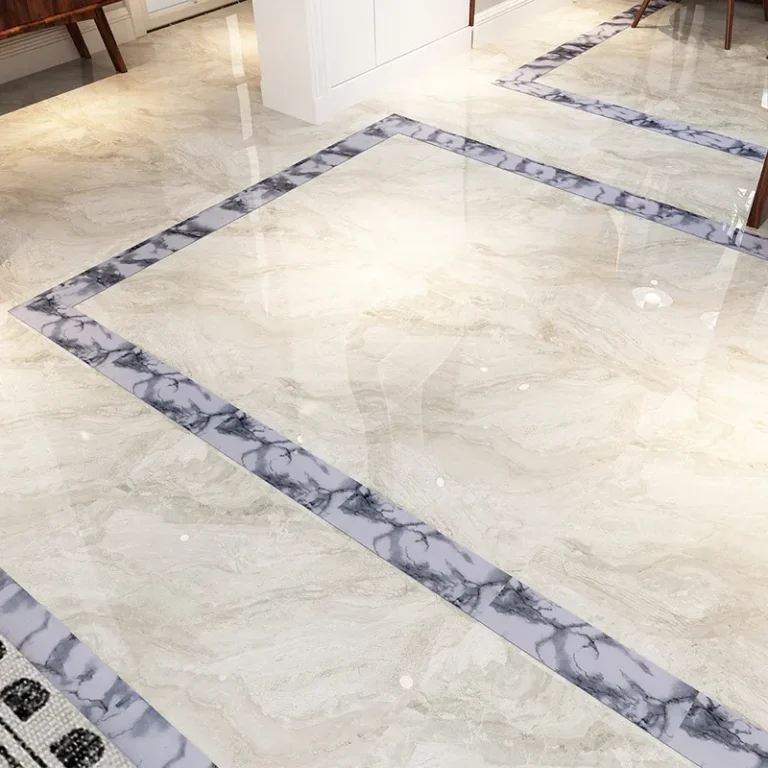
Bring the luxury of natural stone into any space without the weight or expense. These films feature realistic veining and textures of marble, granite, or slate. They are ideal for creating stunning kitchen splashbacks, accent walls, or tabletops. A marble film can instantly elevate a bathroom or lobby area.
Beyond imitations, solid color films offer a clean, modern look. They come in matte, glossy, or satin finishes. Textured varieties include options like 3D silk texture, linen, canvas, or geometric patterns, adding tactile depth to flat surfaces.
For a contemporary or industrial vibe, metallic films in brushed aluminum, chrome, or copper are excellent. High-gloss films reflect light, making spaces feel larger and brighter, and are a popular choice for modern kitchen cabinets and wardrobes.
This category includes films designed for specific challenges. Anti-oil films for kitchen hoods and walls, waterproof films for bathrooms, and anti-scratch films for high-traffic areas ensure performance meets style.
One of the most popular applications is furniture refurbishment. Whether it’s a dated dresser, a worn-out kitchen cabinet, or a plain office desk, PVC film can give it a new lease on life.
1. Surface Preparation: Clean, dry, and smooth the surface. Sand down any imperfections for optimal adhesion.
2. Measurement & Cutting: Measure the surface and cut the film with a slight overhang.
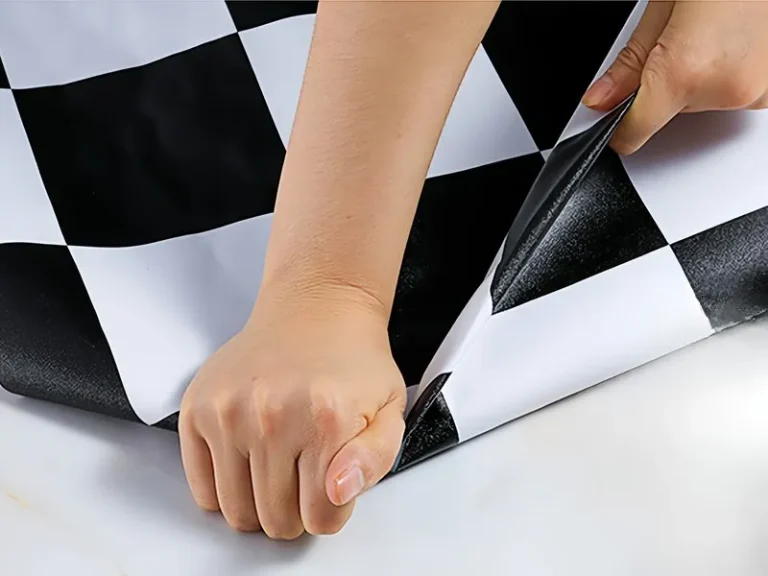
3. Peeling & Applying: Slowly peel back the release liner while using a squeegee or soft cloth to smooth the film onto the surface, working from the center outward to eliminate air bubbles.
4. Trimming & Finishing: Use a sharp utility knife to trim excess film along edges. Apply firm pressure along all edges to ensure a secure bond.
The benefits are clear: cost savings compared to replacement, minimal downtime during updating, and the creative freedom to experiment with bold new styles without long-term commitment.
PVC wall film is a fantastic alternative to traditional paint or wallpaper. It is particularly advantageous in areas prone to moisture or heavy use.
→ Feature Walls & Accents: Create a stunning focal point in a living room or bedroom with a textured or patterned film. A solid color wallpaper film offers a seamless, paint-like finish with more durability.
→ Kitchen & Bathroom Walls: These spaces benefit immensely from waterproof, mold-resistant, and easy-to-clean films. They protect the underlying wall from splashes and steam.
→ Commercial Spaces: In offices, retail stores, or restaurants, wall films can define branding, improve acoustics with textured varieties, and withstand the wear and tear of public spaces.
→ Architectural Details: Use film to cover columns, door panels, or radiator covers, creating a cohesive look throughout the interior.
✔ Cost-Effectiveness: Achieve high-end material looks (like wood or marble) without the associated high material and installation costs.
✔ Renovation Simplicity: Application is clean, relatively quick, and requires no specialized tools in most cases. It’s a perfect weekend DIY project.
✔ Non-Permanent Solution: For renters or those who like to change styles frequently, most films can be removed without damaging the original surface.
✔ Durability & Protection: The film acts as a protective layer, shielding furniture and walls from scratches, stains, and minor impacts, thereby extending their lifespan.
✔ Hygiene & Safety: Many films are manufactured with non-toxic, phthalate-free materials and feature antibacterial properties, making them safe for homes, schools, and healthcare settings.
Success with PVC film depends on selecting the right product and following proper techniques.
• Surface Type: Ensure the film’s adhesive is suitable for the material (laminate, wood, metal, painted wall).
• Environment: For kitchens and bathrooms, choose waterproof and heat-resistant films. For floors, specific floor film products are designed for foot traffic.
• Design Goal: Decide between a realistic imitation (wood/stone) or a bold color/texture statement.
➤ Always order a small sample first to test color, texture, and adhesion.
➤ Work in a warm room (above 15°C/59°F) to keep the film pliable and the adhesive active.
➤ Use a hairdryer on a low setting to gently heat the film when applying to complex curves or corners; this increases flexibility.
➤ For large wall sections, use the “hinge method”: peel back part of the liner, align the film, and then gradually smooth as you peel away the rest.
Not at all. With proper surface preparation, patience, and following the step-by-step instructions, most DIYers can achieve excellent results. Starting with a small, flat piece of furniture is a great way to build confidence.
While many films are waterproof, specific products like bathroom floor stickers or vinyl flooring films are engineered for wet, high-traffic areas. Always check the product specifications for floor suitability.
High-quality film with a strong adhesive, when applied correctly to a clean, smooth surface, should not peel. Durability can last for 5-10 years or more in interior settings, depending on the product quality and environmental factors.
Yes, most self-adhesive films are designed to be removable. Gentle heating with a hairdryer can soften the adhesive for easier, slow peeling. Always test in an inconspicuous area first.
For detailed information on various film types, applications, and inspiration, visit our comprehensive knowledge base or browse our full product catalog.