Address
304 North Cardinal St.
Dorchester Center, MA 02124
Work Hours
Monday to Friday: 7AM - 7PM
Weekend: 10AM - 5PM
Address
304 North Cardinal St.
Dorchester Center, MA 02124
Work Hours
Monday to Friday: 7AM - 7PM
Weekend: 10AM - 5PM


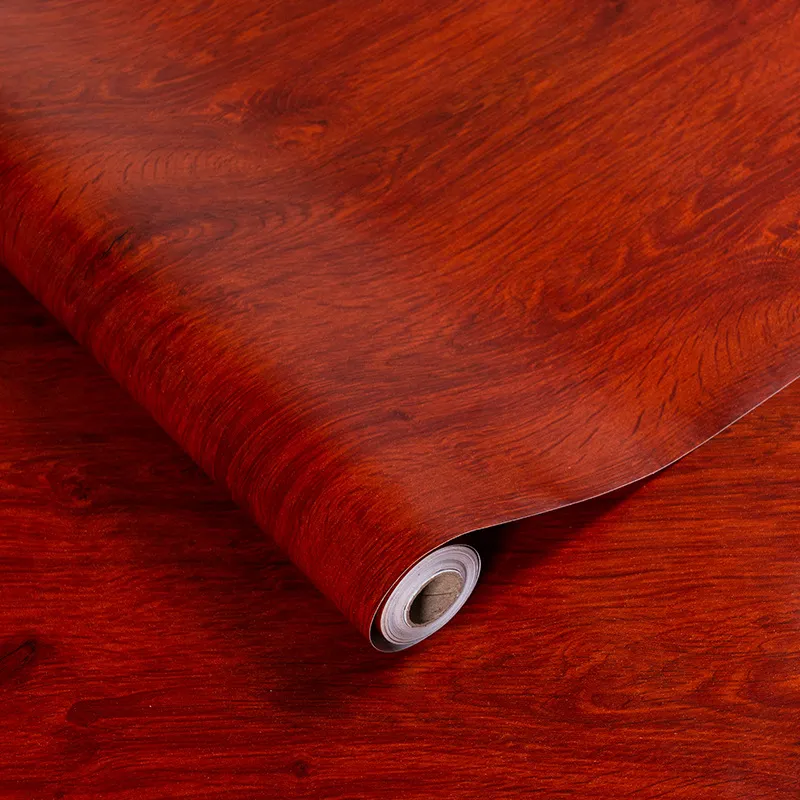
PVC film rolls represent a cornerstone of modern material science, offering unparalleled versatility across countless industries. From the sleek finish on your kitchen cabinets to the durable surface of commercial flooring, these thin sheets of polyvinyl chloride are engineered to enhance both aesthetics and functionality. Understanding the full spectrum of PVC film types, their specific applications, and the possibilities for customization is essential for designers, manufacturers, and procurement specialists aiming to leverage this material’s full potential.
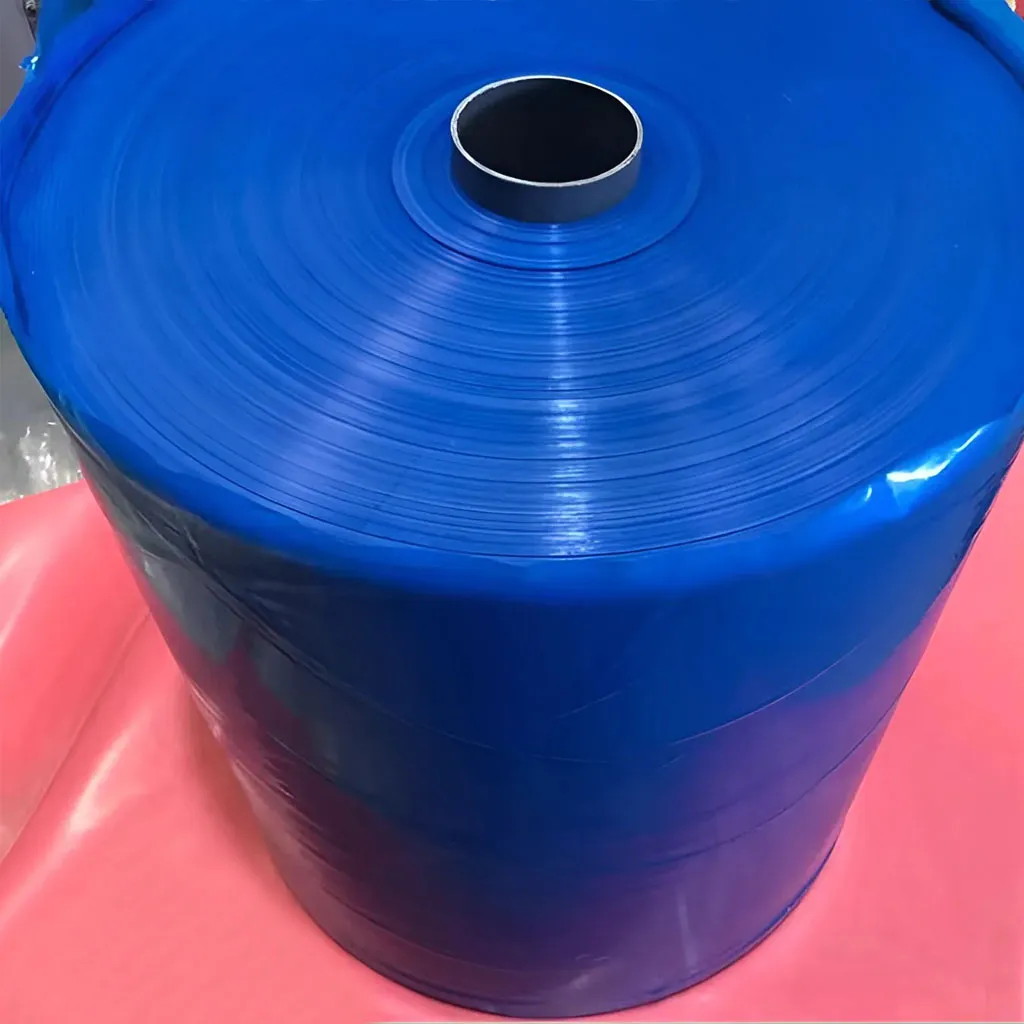
The term “PVC film” encompasses a vast array of products, each tailored with specific properties for distinct purposes. The manufacturing process itself defines the first major category. Calendered film is produced by pressing molten PVC compound between heated rollers, resulting in sheets known for excellent dimensional stability, consistent thickness, and a smooth surface ideal for subsequent printing or laminating. This method is the backbone for many standard and high-performance films.
Beyond the production method, films are classified by their finish, texture, and intended use:
The utility of PVC film rolls is demonstrated by their widespread adoption. In furniture manufacturing, they are laminated onto particleboard or MDF to create visually appealing and easy-to-clean surfaces for cabinets, wardrobes, tables, and shelving. The construction and interior design sector relies on them for wall cladding, ceiling panels, and decorative laminates, offering a cost-effective alternative to traditional materials like solid wood, stone, or ceramic tiles.
In the advertising and retail space, PVC films are the material of choice for vibrant signage, vehicle wraps, and exhibition booth graphics due to their printability and durability. The electronics industry utilizes specialized films for insulation, screen protection, and anti-static packaging. Furthermore, the home improvement market sees growing use in DIY projects, such as kitchen backsplashes and cabinet refacing, allowing for quick, affordable renovations.
Here, the demand is for films that mimic natural materials while offering superior scratch and moisture resistance. High-pressure laminates (HPL) using PVC films are standard for kitchen and office furniture. The finish can range from ultra-glossy for a modern look to authentic wood grain for a classic feel.
PVC films are integral to luxury vinyl tile (LVT) and sheet flooring. They provide the photographic wear layer that defines the floor’s appearance—whether it’s oak, ceramic, or abstract patterns. Dedicated PVC skirting film ensures a cohesive look from floor to wall.
While standard products serve many needs, the true power of PVC film is unlocked through customization. Leading manufacturers offer comprehensive OEM/ODM services to tailor every aspect of the film to the client’s project.
Choosing a supplier goes beyond comparing price lists. A reliable partner should demonstrate vertical integration, controlling the process from raw material compounding to final slitting and packaging. This ensures consistent quality and better cost management. Look for a provider with a proven R&D and technical support team capable of assisting with material selection and solving application challenges.
Furthermore, a strong commitment to quality control is non-negotiable. This involves rigorous testing of raw materials, in-process checks, and final product validation for critical parameters like thickness tolerance, color fastness, tensile strength, and surface energy. Certifications like ISO 9001, ISO 14001, and compliance with REACH/RoHS regulations are strong indicators of a serious manufacturer. For more insights into material properties and applications, exploring a resource like our knowledge base can be invaluable.
PVC films offer a unique combination of cost-effectiveness, design versatility, and durability. They are lightweight, easy to clean, resistant to moisture and many chemicals, and can be produced in an infinite variety of colors and patterns. Compared to natural materials, they provide consistent supply and often have a lower environmental impact in terms of resource use during their lifecycle when sourced responsibly.
The selection depends on the substrate, the intended use environment, and the desired aesthetic. Key questions to ask include: Will it be used indoors or outdoors? Does it need to withstand abrasion, chemicals, or moisture? What texture or gloss level is required? Consulting directly with a technical sales representative from your supplier is the best course of action. They can recommend the appropriate film type, thickness, and adhesive system.
Lead times vary significantly based on the order size and complexity of customization. Standard products may be available from stock or have a lead time of 2-4 weeks. For fully custom developments involving new color matching, pattern creation, or performance testing, the timeline can extend to 6-8 weeks or more for initial samples and production. Reputable suppliers provide clear scheduling and updates throughout the process.
Modern PVC films can be part of a sustainable material strategy. Many manufacturers now use phthalate-free plasticizers and lead-free stabilizers. The durability of PVC products contributes to long service life, reducing replacement frequency. Furthermore, PVC is a thermoplastic and is technically recyclable. It’s important to discuss end-of-life options and recyclability programs with your supplier to understand the full sustainability profile of their specific products.
Absolutely. Reputable suppliers encourage and facilitate sample requests. This allows you to physically evaluate the film’s color, texture, thickness, and performance (e.g., how it laminates or prints) before committing to a large purchase. Be prepared to provide details about your intended application so the supplier can send the most relevant sample material. You can typically initiate this process through the supplier’s contact page.