Address
304 North Cardinal St.
Dorchester Center, MA 02124
Work Hours
Monday to Friday: 7AM - 7PM
Weekend: 10AM - 5PM
Address
304 North Cardinal St.
Dorchester Center, MA 02124
Work Hours
Monday to Friday: 7AM - 7PM
Weekend: 10AM - 5PM



In the world of product packaging and labeling, clarity, durability, and visual appeal are paramount. PVC shrink label film has emerged as a leading material to meet these demands, offering a versatile solution for a wide range of industries. This guide delves into the types, benefits, and diverse applications of PVC shrink film, providing a comprehensive overview for businesses seeking effective labeling solutions.
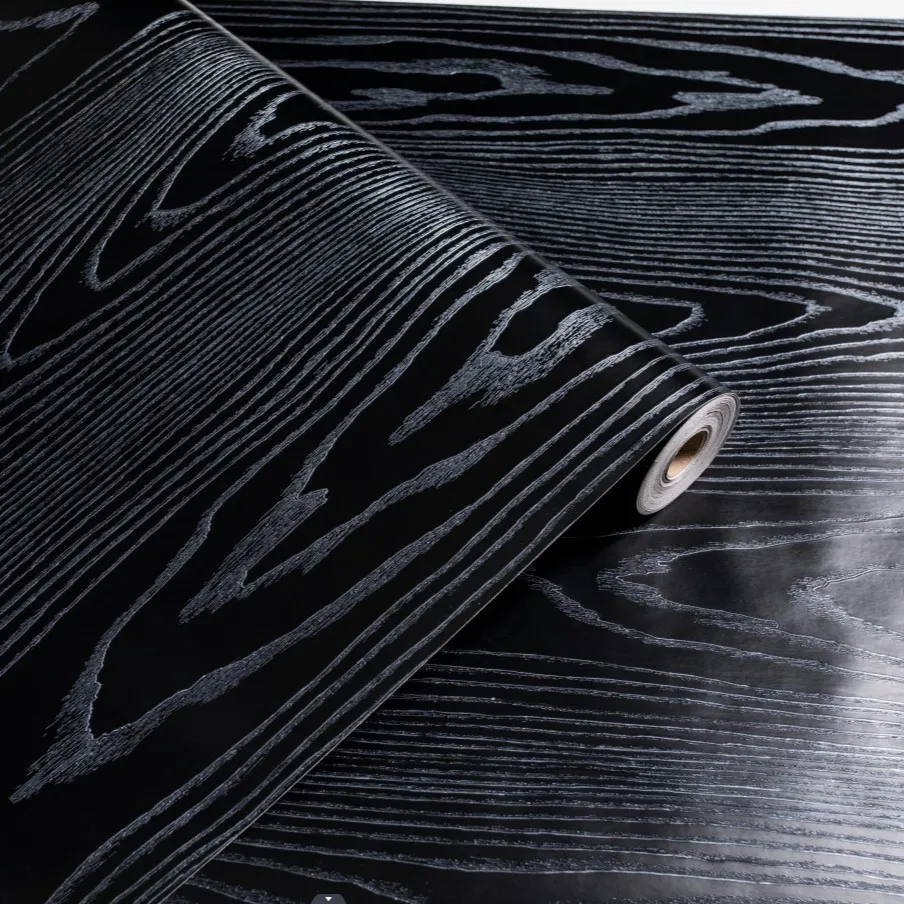
Polyvinyl Chloride (PVC) shrink film is a thermoplastic material that, when heat is applied, conforms tightly to the shape of a container or product. This process creates a seamless, tamper-evident, and highly graphic label that enhances shelf presence. The film is produced through processes like calendering, which ensures consistent thickness and surface quality, making it a preferred choice for high-speed labeling applications.
• High Clarity: Offers excellent transparency for showcasing product color and quality.
• Durability: Resistant to moisture, abrasion, and many chemicals.
• Printability: Accepts high-quality flexographic and rotogravure printing for vibrant graphics.
• Consistent Shrinkage: Provides predictable and uniform shrinkage for a perfect fit.
The versatility of PVC shrink film is evident in its various formulations, each designed for specific performance needs.
This is the most common type, offering a balance of clarity, strength, and shrink performance. It’s suitable for a vast array of products from food and beverages to household chemicals and personal care items.
Engineered for demanding applications, this film features enhanced durability, higher tensile strength, and superior resistance to harsh environments. It’s ideal for industrial products, outdoor equipment, or items requiring extra protection during shipping and handling.
This type activates and shrinks at lower temperatures. It is perfect for heat-sensitive products like certain chocolates, wax-based items, or products in thin plastic containers that might deform under standard heat levels.
Specifically engineered with a treated surface to optimize ink adhesion, this film is the go-to choice for labels requiring complex, multi-color graphics, brand logos, and detailed nutritional or instructional information.
Choosing PVC shrink film for labeling brings a host of advantages that impact aesthetics, logistics, and brand perception.
The 360-degree coverage creates a “second-skin” effect that highlights the container’s contours. This seamless fit prevents label wrinkling or peeling and acts as a tamper-evident seal, assuring consumers of product integrity. The high-gloss finish gives products a premium, shelf-ready look that can command higher consumer attention compared to paper or static cling labels.
Cost-Effectiveness & Production Efficiency: PVC shrink films are generally cost-competitive, especially for medium to large runs. The application process can be highly automated with sleeve applicators and heat tunnels, leading to fast labeling speeds and reduced labor costs. This efficiency is crucial for industries like beverage bottling.
Durability & Resistance: These labels are built to last. They resist moisture from refrigeration or condensation, preventing smudging or detachment. Their resistance to oils, greases, and mild chemicals makes them suitable for kitchen cleaners, automotive fluids, and personal care products. This durability ensures the label and its message remain intact throughout the product’s lifecycle.
Design Flexibility: The ability to print on the entire sleeve surface allows for creative, eye-catching designs that wrap continuously around the product. This is ideal for storytelling, promotional campaigns, or creating limited-edition packaging. Techniques like textured finishes can also be incorporated for a tactile experience.
The application of PVC shrink label film spans numerous sectors, proving its adaptability and value.
This is the largest application area. From water and soda bottles to jars of sauces, condiments, and dairy products, PVC shrink labels provide a waterproof, glossy finish. They are essential for product identification, branding, and compliance with labeling regulations (ingredients, barcodes, etc.).
Shampoo bottles, lotion containers, and cosmetic packages use these films for their moisture resistance and premium look. In pharmaceuticals, they offer tamper evidence for over-the-counter medicine bottles and can include important safety seals.
Products like detergents, cleaners, lubricants, and paints benefit from the film’s chemical resistance. The label remains legible even if the container surface gets wet or is exposed to mild splashes, ensuring safety information is always visible.
PVC shrink film is perfect for bundling multiple products together (e.g., soda cans, battery packs, software boxes). It secures the items as a single unit for retail sale while allowing full visibility of each product. It’s also widely used for promotional overwraps on magazines or software boxes.
The material’s versatility extends to decorative films for surfaces, protective sleeves for electronics during shipping, and even as a component in specialty packaging for gifts and novelties.
• Product Shape: Complex contours require films with higher and more directional shrinkage.
• Content Sensitivity: Heat-sensitive products need low-temperature shrink films.
• Environment: Will the product be refrigerated, shipped, or used outdoors?
• Printing Needs: Determine the complexity of graphics and required ink adhesion.
• Regulatory Compliance: Ensure the film meets relevant safety standards for its intended use (e.g., food contact).
PVC is generally more cost-effective and has a wider operating temperature range than Oriented Polystyrene (OPS). Compared to PETG, PVC often offers better clarity and printability at a lower cost, but PETG is considered more environmentally friendly and is chlorine-free. The choice depends on budget, performance needs, and sustainability goals.
Recyclability can be challenging due to the presence of chlorine and the labels often being combined with different plastic containers. However, advancements in recycling streams and the development of specific PVC recycling programs are ongoing. Always check local recycling guidelines.
Success depends on the correct film formulation for the container, precise sleeve sizing, the right heat tunnel temperature and airflow settings, and proper container handling to avoid scuffing the label post-shrink.
Yes, one of the major strengths of shrink film is its ability to conform to complex shapes—including curves, indentations, and shoulders—that are difficult for pressure-sensitive labels to cover smoothly without wrinkles.
For detailed information on various film technologies and their uses, you can explore our comprehensive knowledge base or browse our full product portfolio.