Address
304 North Cardinal St.
Dorchester Center, MA 02124
Work Hours
Monday to Friday: 7AM - 7PM
Weekend: 10AM - 5PM
Address
304 North Cardinal St.
Dorchester Center, MA 02124
Work Hours
Monday to Friday: 7AM - 7PM
Weekend: 10AM - 5PM


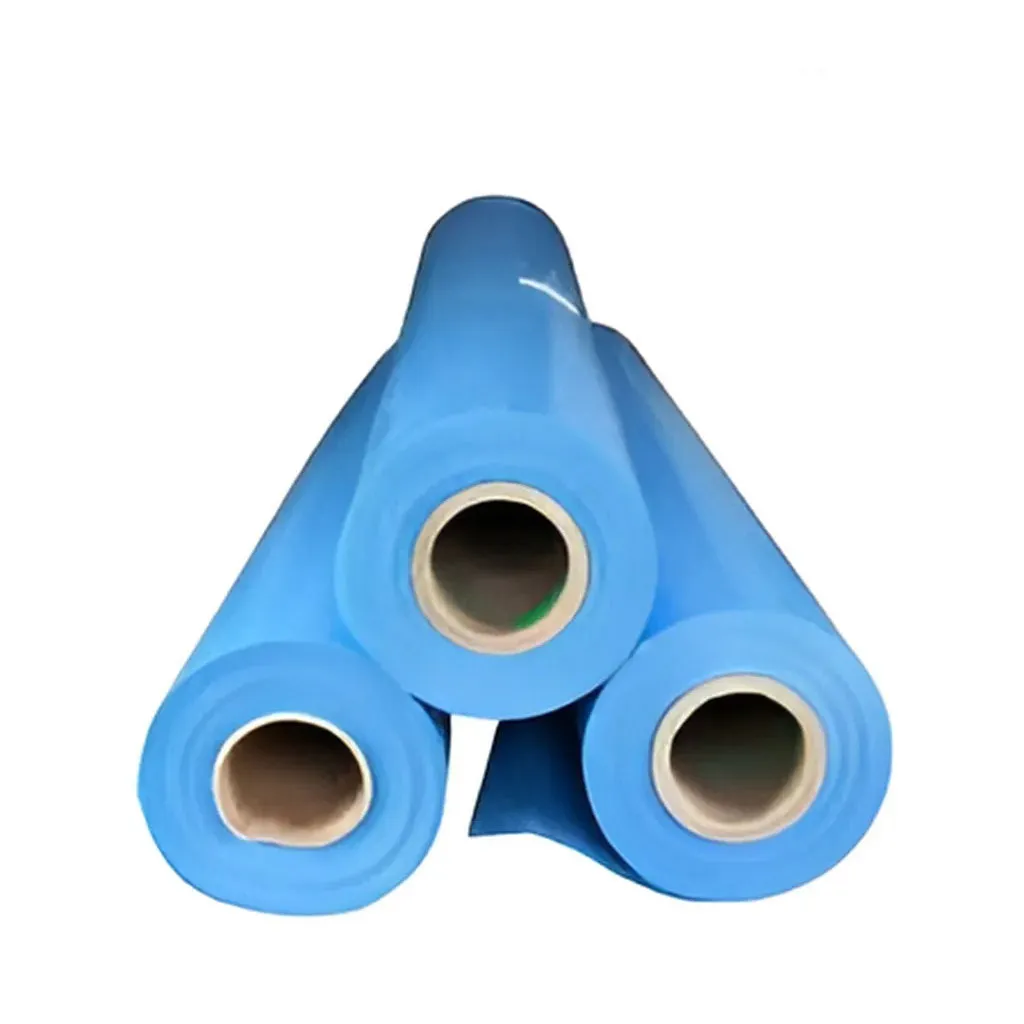
Car wrap vinyl film has revolutionized vehicle customization, offering an accessible and versatile alternative to traditional paint jobs. Whether you’re aiming for a sleek, professional look, a vibrant advertising canvas, or a unique personal statement, understanding the different types, their benefits, and the selection process is crucial for a successful outcome.
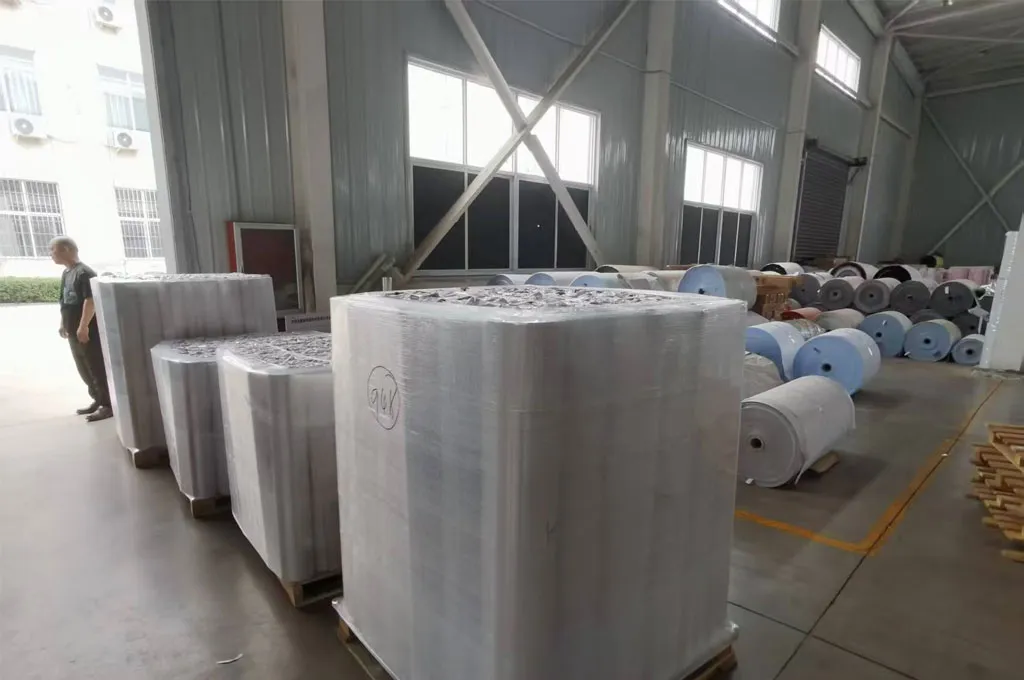
The world of car wrap vinyl is diverse, with materials engineered for specific looks, durability, and applications. Choosing the right type is the first step toward achieving your desired result.
Cast vinyl is considered the premium choice for vehicle wraps. Manufactured by spreading liquid PVC onto a casting paper, it results in an extremely thin, flexible, and conformable film. This makes it ideal for complex curves, recesses, and textured surfaces. Cast vinyl offers exceptional durability, often with a lifespan of 5 to 7 years or more, and superior color stability under prolonged UV exposure. It’s the go-to material for long-term, high-quality wraps on cars, trucks, and fleet vehicles.
Calendered film is produced by pressing PVC resin between heavy rollers. It is generally thicker and less flexible than cast vinyl. While it may not conform to deep curves as easily, it is highly cost-effective and performs excellently on flat or mildly curved surfaces like van sides, signage, and interior applications. Modern calendered films have improved significantly in quality and durability, making them a popular choice for shorter-term projects or budget-conscious wraps.
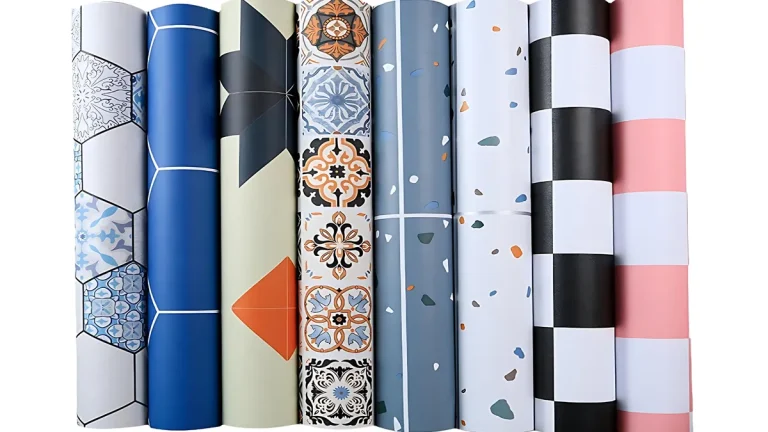
Beyond the standard gloss and matte, vinyl films come in a vast array of specialty finishes:
Opting for a vinyl wrap over paint or other methods provides a compelling list of advantages for both individual vehicle owners and businesses.
The vinyl layer acts as a sacrificial shield for your vehicle’s original factory paint. It protects against minor road debris, stone chips, UV fading, and light scratches. When it’s time for a change, removing the wrap reveals pristine, untouched paint underneath, significantly preserving the vehicle’s resale value.
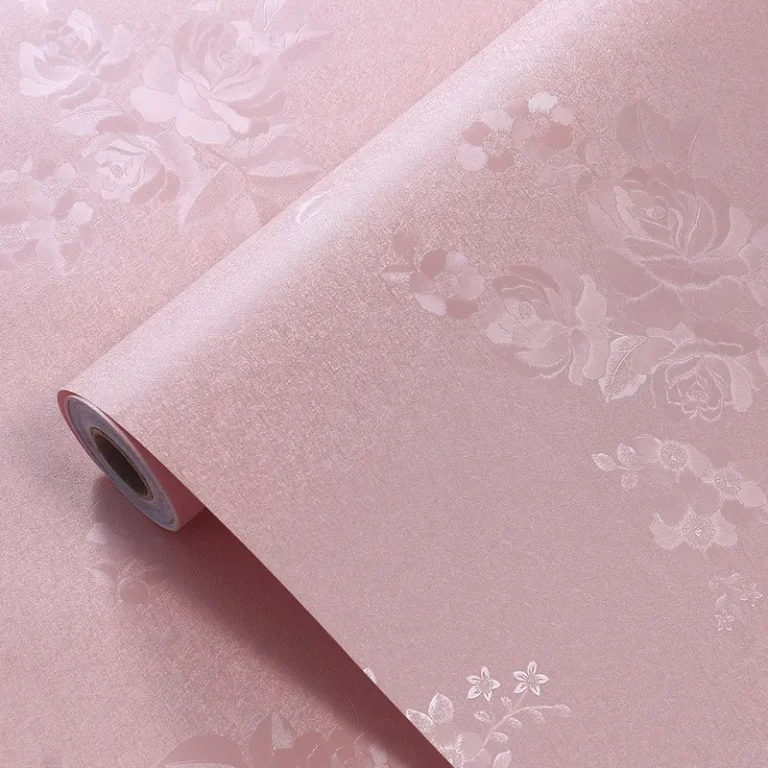
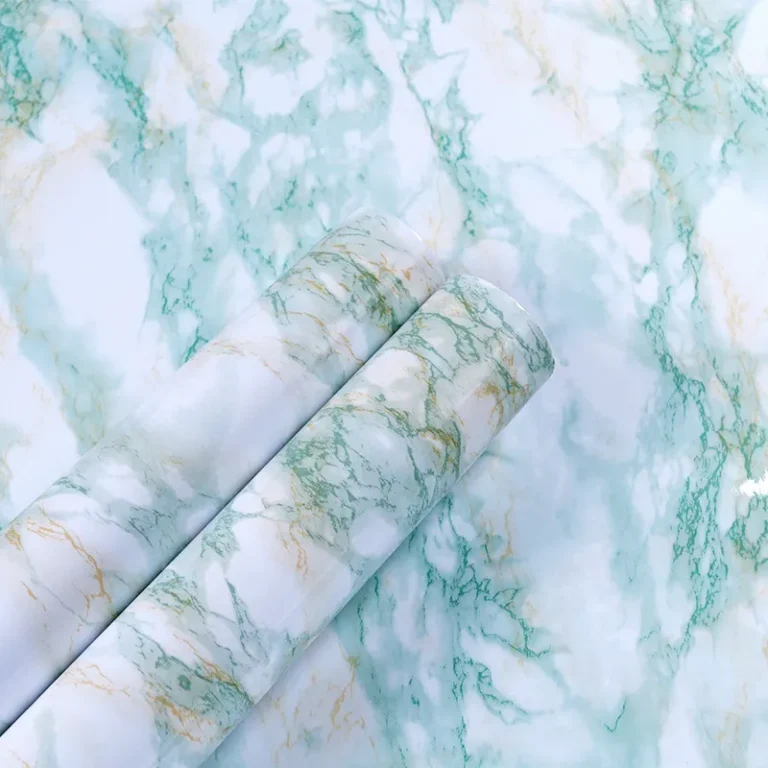
Vinyl wraps offer limitless creative possibilities. From solid colors to intricate full-color digital prints, gradients, and textures, any design can be realized. For businesses, this makes vehicle wraps one of the most cost-effective mobile advertising tools available, turning every drive into a brand impression. The ability to use materials like wood grain film or marble film opens doors for unique custom looks beyond standard automotive finishes.
A high-quality wrap is typically more affordable than a high-quality, multi-stage paint job, especially for complex designs or color changes. Furthermore, it is completely reversible. If you grow tired of the design or need to sell the vehicle, the wrap can be professionally removed without damaging the original paint.
Selecting the perfect vinyl involves more than just picking a color. Follow this guide to make an informed decision.
Start by asking key questions: Is this for long-term personal use, a short-term promotion, or a full commercial fleet? What is the expected lifespan? Your answers will guide you toward cast (long-term, complex surfaces) or calendered (short-term, flat surfaces) vinyl, which directly impacts cost.
Match the film to your vehicle and goals. For daily drivers with complex body lines, cast vinyl is recommended. For flat-panel fleet vans or temporary graphics, a high-quality calendered film may suffice. Then, choose your finish—gloss for shine, matte for sophistication, or a specialty finish for maximum impact.
Not all vinyl is created equal. Insist on films from reputable manufacturers like 3M, Avery Dennison, Oracal, or Arlon. These brands invest in research to ensure their products have reliable adhesive systems, color-fast pigments, and air-release channels for bubble-free installation. High-quality films are easier to install and remove, preventing adhesive residue or paint damage.
While DIY kits exist, professional installation is highly recommended for a seamless, durable result. A certified installer has the skills, tools, and climate-controlled environment to properly prepare the surface, handle complex panels, and apply the film without wrinkles, bubbles, or premature lifting. They can also provide a warranty on both the material and their labor.
Proper care extends your wrap’s life. Use a pH-neutral car wash soap, avoid abrasive brushes or automatic car washes with stiff bristles, and do not use waxes or sealants containing dyes or naphtha. For glossy wraps, a dedicated vinyl wrap sealant can be used. Promptly clean off fuel spills, bird droppings, and tree sap.
The lifespan depends on the vinyl quality (cast vs. calendered), installation, climate, and maintenance. A professionally installed cast vinyl wrap can last 5 to 7 years, while calendered wraps may last 2 to 5 years. Garaging the vehicle and proper care significantly extend longevity.
Yes, high-quality vinyl films are designed to be removable. When removed professionally (often with heat and proper technique) from factory paint in good condition, it should not cause damage. The paint must be fully cured and undamaged prior to wrapping. Removal from aftermarket or poorly cured paint carries risk.
Absolutely. Partial wraps, accents, and graphic packages are very popular. This can include wrapping the roof, hood, mirrors, or adding racing stripes and decals. It’s a cost-effective way to change the vehicle’s appearance.
Hand wash with a microfiber mitt and a dedicated car wash shampoo or vinyl wrap cleaner. Avoid high-pressure washes on the edges of the wrap. Dry with a soft microfiber towel. Do not use abrasive cleaners, waxes, or compounds not formulated for vinyl.
Yes, wrapping a leased vehicle is an excellent way to personalize it without voiding the lease, as it protects the original paint. It is crucial to use a high-quality, removable vinyl and ensure it is professionally installed and removed before the lease return to avoid any penalties.