Address
304 North Cardinal St.
Dorchester Center, MA 02124
Work Hours
Monday to Friday: 7AM - 7PM
Weekend: 10AM - 5PM
Address
304 North Cardinal St.
Dorchester Center, MA 02124
Work Hours
Monday to Friday: 7AM - 7PM
Weekend: 10AM - 5PM


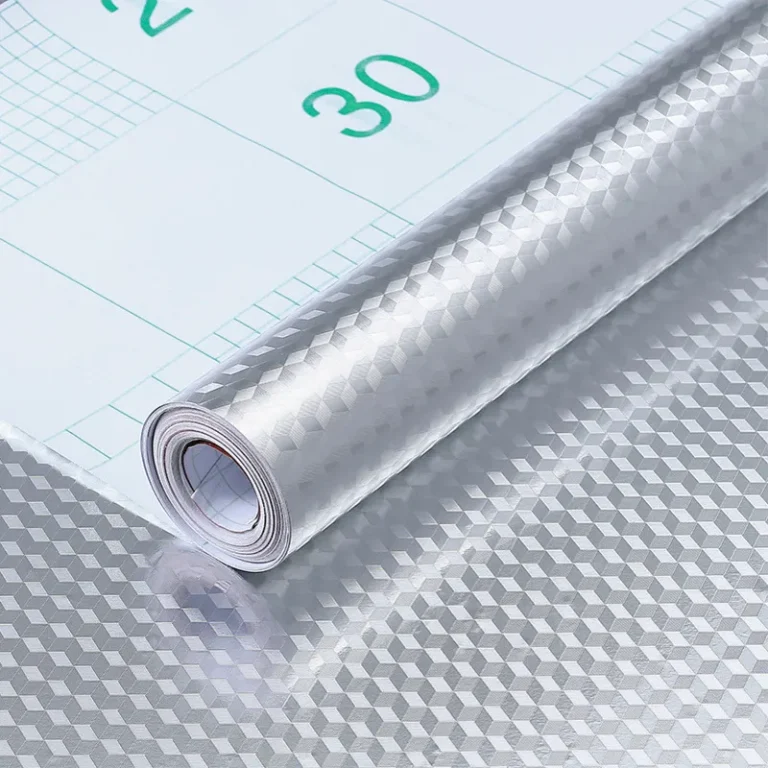
In the ever-evolving world of interior design and furniture manufacturing, materials that combine aesthetics, durability, and practicality are in constant demand. Among these, Metallic PVC film has emerged as a standout choice, revolutionizing how we approach surfaces in both residential and commercial spaces. This versatile material offers the luxurious look of metal—be it brushed aluminum, polished chrome, or antique brass—without the associated weight, cost, or maintenance challenges. From sleek modern kitchen cabinets to statement feature walls in retail spaces, metallic films provide a transformative finish that is both eye-catching and highly functional.
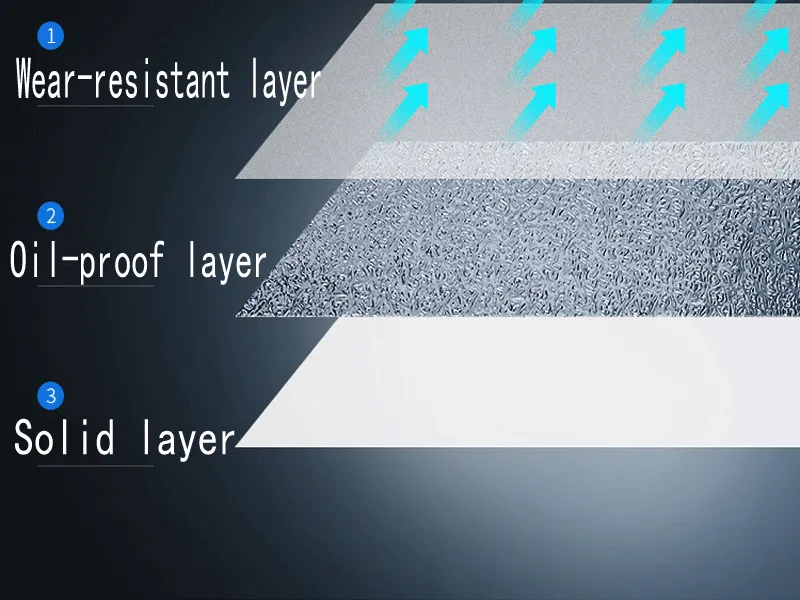
Metallic PVC film is a specialized type of polyvinyl chloride film that incorporates metallic pigments, foils, or coatings during the manufacturing process to achieve a reflective, metal-like appearance. Unlike solid metal sheets, it is a flexible laminate that can be easily applied to substrates like MDF, particleboard, or plywood. The core technology lies in the calendering or laminating process, where the metallic effect is fused onto a durable PVC base, resulting in a product that is lightweight, pliable, and remarkably convincing.
Key Takeaway: It’s not real metal, but a high-fidelity simulation that offers superior workability and cost-effectiveness for large-scale or intricate applications.
The application of metallic PVC film spans across numerous facets of furniture and interior decor, driven by its adaptability and visual impact.
This is perhaps its most significant application. Manufacturers use metallic films to create contemporary furniture pieces. It is extensively used for:
Beyond furniture, metallic films are a go-to solution for architectural interiors.
The ease of use makes metallic PVC film a favorite for decorators and DIY enthusiasts. It can be used to upcycle old furniture, create custom lamp bases, line shelving, or make decorative trays and boxes. Its ability to be die-cut allows for intricate metallic patterns and overlays.
Not all metallic films are created equal. The variety available allows designers to fine-tune the precise look and feel for any project.
Selecting the appropriate metallic film depends on the application:
→ For high-wear surfaces (kitchen cabinets, commercial furniture): Opt for thick, multi-layer films with a brushed or satin finish.
→ For decorative wall features: Glossy or antique-effect films can make a stronger visual statement.
→ For curved or complex profiles: Ensure the film has excellent conformability and a strong adhesive system.
The rise of metallic PVC film is no accident; it is fueled by a powerful combination of benefits that address core needs in manufacturing and design.
It delivers the instant prestige and contemporary edge associated with metals. Designers can achieve looks ranging from cold industrial to warm luxury without the limitations of real metalworking. The consistency of color and pattern across large batches is unparalleled, ensuring a uniform appearance in big projects.
Metallic PVC film is significantly less expensive than solid metal sheets or metal veneers. It also reduces waste, as it can be precision-cut and applied only where needed. The lightweight nature lowers shipping costs and makes handling and installation much easier and safer.
High-quality metallic films are coated with protective layers that make them resistant to:
The film can be applied using standard laminating presses, vacuum forming machines, or even manually with adhesives for smaller projects. It can be easily routed, drilled, and post-formed (within limits) without the specialized tools required for metal. This streamlines the production process for furniture makers.
Leading manufacturers offer extensive OEM/ODM services. This means designers are not limited to stock colors and finishes. Films can be customized in terms of hue, reflectivity, texture (e.g., combining metallic with a 3D silk texture), width, thickness, and adhesive type. This flexibility is crucial for branded interiors or signature product lines.
Yes, absolutely. High-quality metallic films designed for furniture are manufactured with durable wear layers that resist scratches, heat from ambient sources, and moisture. They are a proven and reliable material for kitchen cabinet surfaces, offering easier maintenance than real metal, which can show water spots and fingerprints more readily.
Many metallic films, especially those with a PVC base, have good conformability and can be applied to gently curved surfaces using vacuum forming or appropriate adhesives. For tight radii, it’s essential to select a film specifically rated for post-forming and to consult with the supplier or conduct tests.
Metallic PVC film offers several advantages over paint: it provides a more consistent and flawless finish without brush strokes or orange peel; it is generally more scratch-resistant; it can be applied faster in a factory setting; and it often has better chemical resistance. Paint, however, may be the only option for very complex, non-flat shapes.
Reputable producers prioritize eco-friendly practices. This includes using phthalate-free PVC compounds, heavy-metal-free pigments, and solvent-free adhesives. Many films are recyclable in specialized streams. Always check for compliance with international standards like REACH and RoHS, and inquire about the manufacturer’s environmental policies.
Yes, customization is a key service offered by advanced manufacturers. Whether you need a specific Pantone color match, a unique brushed direction, or a hybrid pattern (like metallic stone), OEM/ODM services can accommodate these requests. This is ideal for designers and brands looking to create a unique, proprietary look for their furniture or interior projects.