Address
304 North Cardinal St.
Dorchester Center, MA 02124
Work Hours
Monday to Friday: 7AM - 7PM
Weekend: 10AM - 5PM
Address
304 North Cardinal St.
Dorchester Center, MA 02124
Work Hours
Monday to Friday: 7AM - 7PM
Weekend: 10AM - 5PM


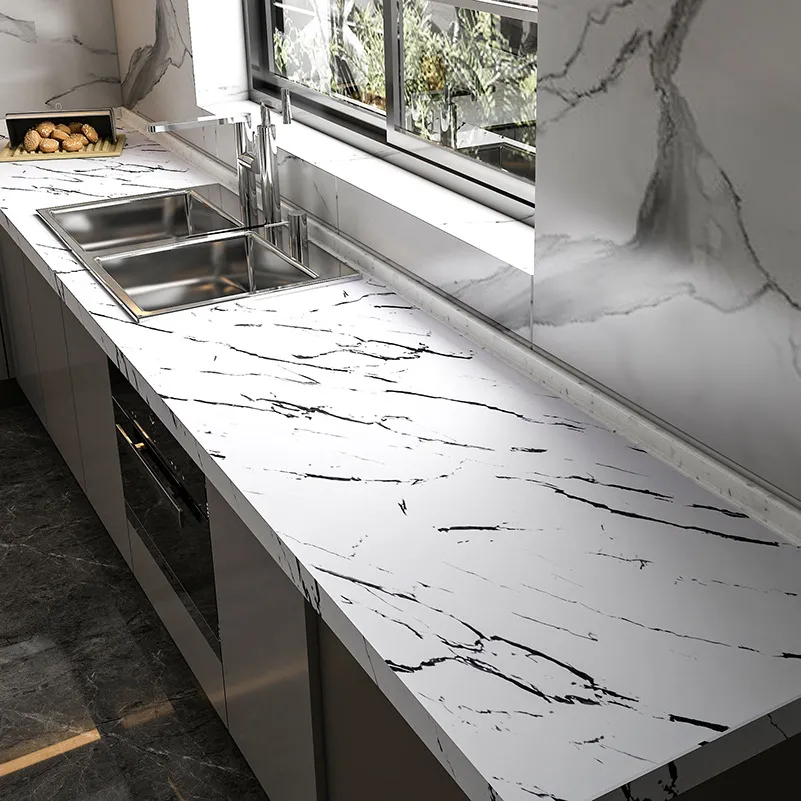
In the world of flexible packaging and decorative surfaces, two materials often stand at the forefront of decision-making: PVC (Polyvinyl Chloride) film and PE (Polyethylene) film. While they may appear similar to the untrained eye, their chemical composition, physical properties, and ideal applications diverge significantly. Understanding the key differences between PVC and PE film is crucial for manufacturers, designers, and procurement specialists across industries like furniture, construction, and advertising to make cost-effective and performance-driven choices. This guide will dissect their characteristics, explore their primary uses, and provide a clear framework for selection.
Before diving into comparisons, let’s establish a fundamental understanding of each material.
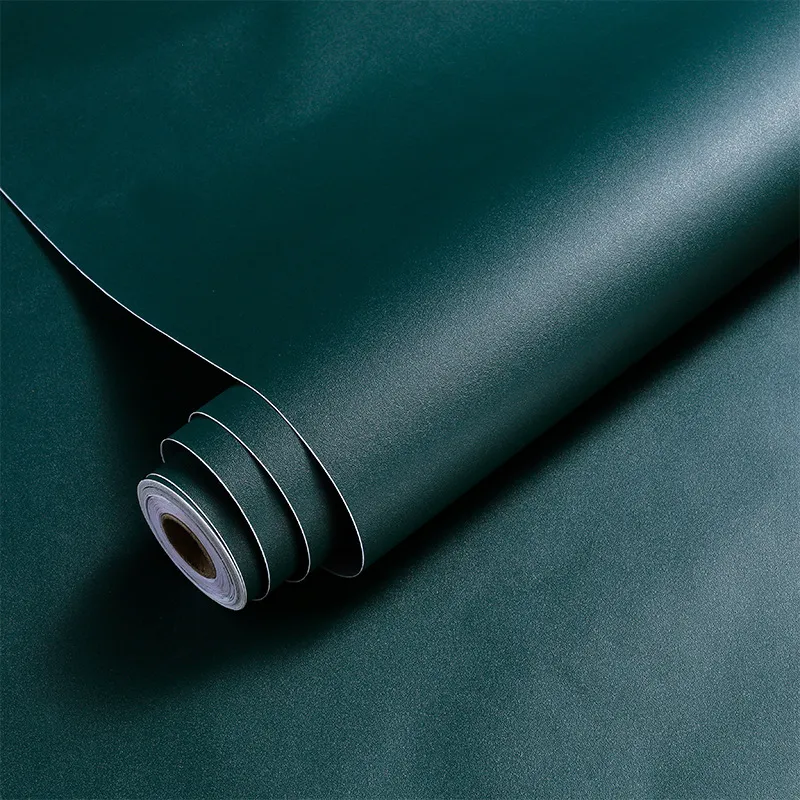
PVC film is a versatile thermoplastic sheet manufactured from Polyvinyl Chloride resin. Through processes like calendering, it can be produced in rigid or flexible forms by adding plasticizers. This versatility is its hallmark. Common types include decorative films like wood grain film, glossy or matte finishes, and functional films such as floor protection layers.
PE film, derived from Polyethylene, is a simpler polyolefin material. It is known for its excellent flexibility, moisture resistance, and chemical inertness. It is typically softer and more pliable than standard PVC and is widely used in packaging, agriculture (as greenhouse film), and as protective wrapping.
The choice between PVC and PE hinges on several technical and practical factors. The table below summarizes the primary distinctions:
| Property | PVC Film | PE Film |
|---|---|---|
| Chemical Resistance | Excellent resistance to oils, acids, and alkalis. Ideal for kitchen anti-oil films and industrial settings. | Good resistance to most chemicals but can be susceptible to some oils and solvents. |
| Durability & Tensile Strength | Generally higher tensile strength and abrasion resistance. More durable for long-term applications like flooring or furniture surfaces. | Softer and more elastic, with good tear resistance but lower overall structural strength. |
| Clarity & Printability | Offers excellent clarity in transparent forms and superior printability for detailed graphics and textures, such as marble film. | Often has a hazier clarity. Surface printing is possible but may not achieve the same fine detail or adhesion as PVC. |
| Temperature Tolerance | Performs well across a wide range but can become brittle in extreme cold. Has better fire-retardant properties. | Remains flexible in low temperatures but has a lower melting point, making it unsuitable for high-heat environments. |
| Environmental Impact | Recycling requires separate streams. Modern formulations focus on phthalate-free and eco-friendly materials. | Easier to recycle (LDPE/HDPE). Often perceived as having a lower environmental footprint. |
| Cost | Can be more cost-effective for complex decorative applications due to its durability and finish quality. | Often has a lower raw material cost, making it attractive for simple, high-volume packaging. |
The distinct properties of PVC and PE film naturally lead them to dominate different market segments.
✓ Furniture & Cabinetry: The premier choice for surface lamination. It provides realistic wood grains, stone textures, and high-gloss finishes for cabinets, wardrobes, and tables. Its durability withstands daily wear and tear.
✓ Construction & Interior Decoration: Used for wall cladding, skirting boards, ceiling panels, and decorative laminates. Offers an affordable alternative to natural materials.
✓ Flooring: As a wear layer in luxury vinyl tiles (LVT) or as a standalone protective film for floors.
✓ Advertising & Signage: Excellent for vehicle wraps, banners, and indoor signs due to its conformability, print fidelity, and weather resistance.
✓ Healthcare & Specialty: Used for clean room surfaces, medical equipment covering, and anti-static applications.
✓ Packaging: The dominant material for shrink wrap, stretch film, bag liners, and consumer product packaging due to its stretchability and moisture barrier properties.
✓ Agriculture: Used as greenhouse film, mulch film, and silage covers to protect crops and manage growing conditions.
✓ Protective Wrapping: Commonly used to protect furniture, machinery, and pallets during storage and shipping because it is soft and non-abrasive.
✓ Consumer Goods: Found in products like disposable aprons, simple rain ponchos, and low-cost table covers.
Selecting the right film is a strategic decision. Follow this framework to guide your choice.
Ask the core question: Is this for a decorative, durable surface or for protective, flexible packaging?
Consider factors like exposure to chemicals, UV light, temperature extremes, and physical abrasion. PVC generally offers better performance in harsh indoor and outdoor environments, while PE is suitable for more benign, temporary conditions.
Check for required certifications (e.g., fire ratings, FDA compliance, REACH). For sustainability-focused projects, investigate the recyclability options and material sourcing for both films in your region.
Look beyond the price per square meter. Factor in lifespan, maintenance, and performance. A slightly more expensive PVC film that lasts years longer than a PE alternative often provides a lower total cost.
Yes, but only specific grades of PVC film that are manufactured to be phthalate-free and compliant with standards like FDA are suitable for direct or indirect food contact. Always verify the film’s specifications and certifications with your supplier.
PE film is often easier to recycle in standard polyolefin streams, giving it an advantage in end-of-life management. However, the environmental impact depends on the entire lifecycle. Modern PVC production can utilize eco-friendly plasticizers and additives, and its durability can lead to less frequent replacement. The “greenest” choice is context-dependent.
PVC film is generally superior for long-term outdoor applications. It is formulated with UV stabilizers to resist sunlight degradation, has better colorfastness, and offers higher resistance to weathering and chemicals compared to standard PE film.
Yes, but the process and results differ. PVC film accepts a wider variety of printing techniques (digital, screen, gravure) with excellent ink adhesion and vibrant results. Printing on PE often requires surface treatment (like corona treatment) to make the non-porous surface receptive to inks, and the finish may not be as sharp or durable.
Reputable manufacturers like Pulivk Film offer OEM/ODM services. You can contact them with your requirements for thickness, width, color, texture (e.g., 3D texture), and functional properties (anti-static, anti-fog). They can guide you from sample development to full-scale production.