Address
304 North Cardinal St.
Dorchester Center, MA 02124
Work Hours
Monday to Friday: 7AM - 7PM
Weekend: 10AM - 5PM
Address
304 North Cardinal St.
Dorchester Center, MA 02124
Work Hours
Monday to Friday: 7AM - 7PM
Weekend: 10AM - 5PM


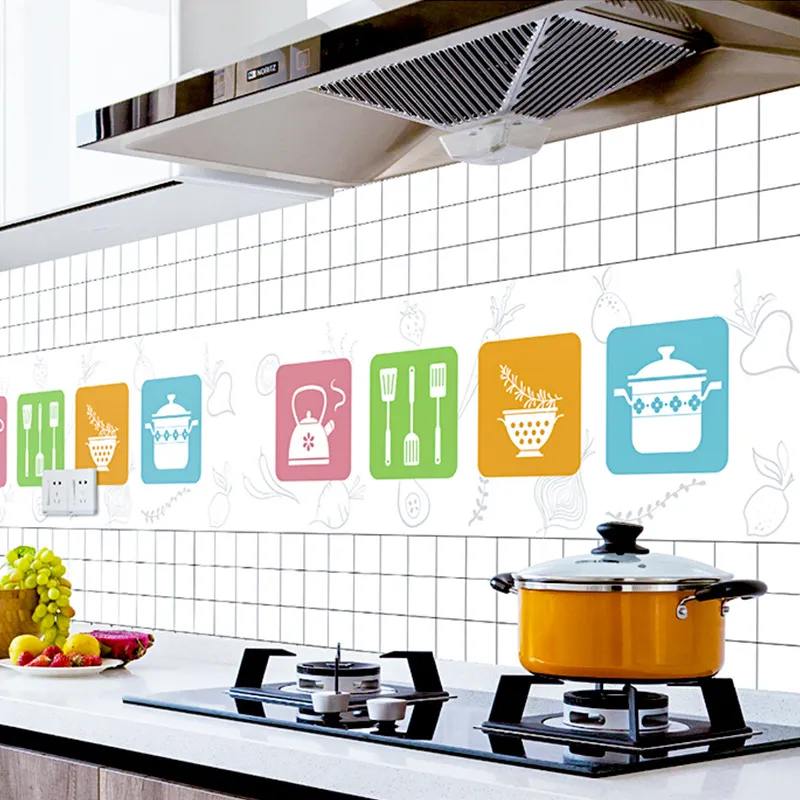
PVC crystal clear film, a versatile and highly transparent polyvinyl chloride material, has become an indispensable component across countless industries. Its unique combination of clarity, durability, and flexibility makes it a preferred choice for applications where visual appeal and protection are paramount. This guide delves into the essential aspects of PVC clear film, exploring its diverse uses, available types, and the significant benefits it offers to manufacturers, designers, and end-users alike.
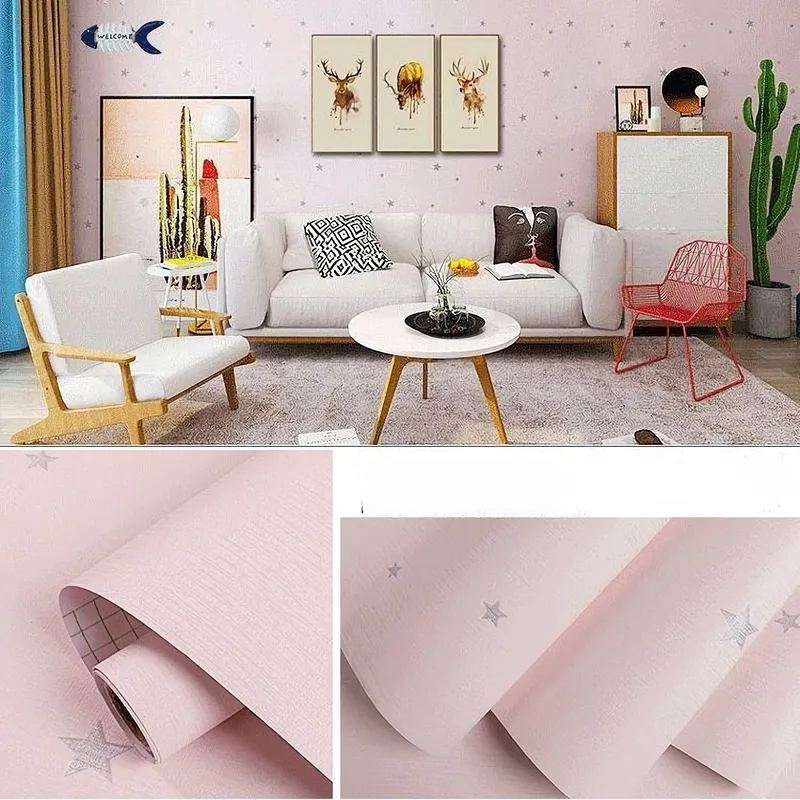
At its core, PVC crystal clear film is a thin sheet manufactured from polyvinyl chloride resin, engineered to offer exceptional optical clarity. Unlike standard PVC, which can be opaque or tinted, the crystal clear variant is processed to minimize light scattering, resulting in a glass-like transparency. This film is typically produced through a calendering process, where molten PVC is pressed between heated rollers to achieve a uniform thickness and flawless surface. The result is a material that is not only see-through but also possesses the inherent benefits of PVC: chemical resistance, water resistance, and excellent mechanical strength.
→ High Transparency: Allows for distortion-free viewing of underlying surfaces or products.
→ Flexibility & Formability: Can be easily thermoformed, folded, or wrapped around complex shapes.
→ Durability: Resistant to tears, abrasion, and general wear, ensuring long-term performance.
→ Printability: Accepts various printing techniques, making it ideal for branded packaging and labels.
The utility of PVC crystal clear film spans a remarkable range of sectors. Its primary function is often to protect, enhance, or present a product while maintaining visibility.
This is one of the largest application areas. The film is used for blister packs, clamshells, and shrink sleeves for consumer goods, electronics, toys, and hardware. It provides a tamper-evident seal, protects items from dust and moisture, and creates an attractive, store-ready presentation that allows customers to inspect the product.
In signage, backlit displays, and menu covers, PVC clear film serves as a durable overlay. It can be printed directly on or used as a protective laminate over paper and cardboard graphics, providing a glossy finish, UV resistance, and protection against scratches and spills. For creative interior designs, it can be combined with printed substrates to create unique visual effects.
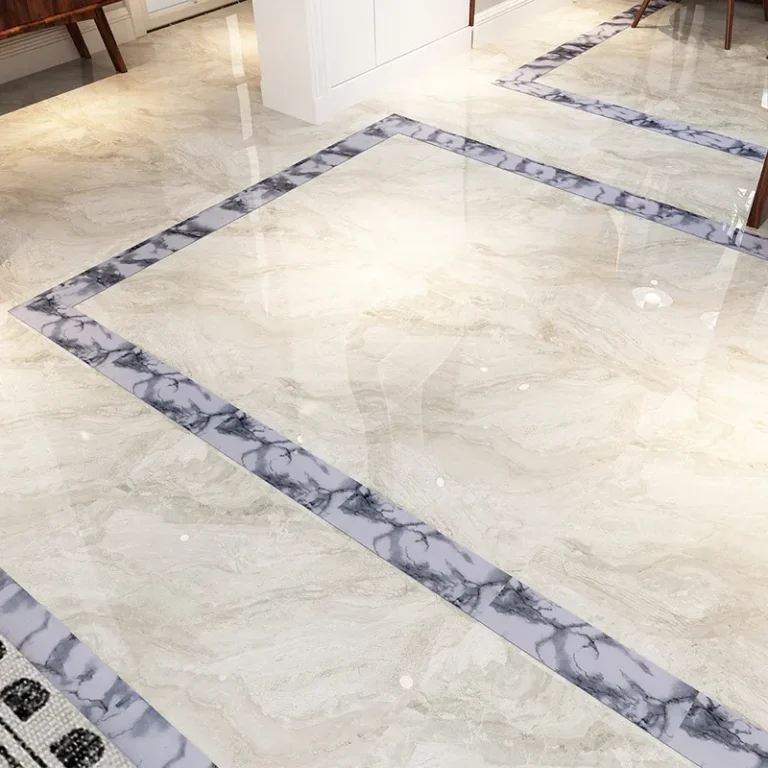
Clear PVC film is applied as a protective layer on desks, countertops, and cabinets. It guards high-traffic surfaces against scratches, stains, and chemical damage while preserving the beauty of the underlying material, whether it’s wood, laminate, or a decorative film like marble. This is especially valuable in offices, schools, and healthcare settings.
Homeowners utilize clear PVC film for temporary window insulation, shelf liners, and craft projects. Its ease of cutting and application makes it a popular material for quick, protective solutions. It’s also used as a protective layer during painting or renovation work.
Not all clear PVC films are identical. Variations in formulation and manufacturing lead to different types suited for specific needs.
Light-Gauge Films (50-150 microns): Ideal for lightweight packaging, envelope windows, and simple protective covers. They offer basic protection and clarity with high flexibility.
Medium to Heavy-Gauge Films (150-500+ microns): Used for rigid packaging (blister packs), durable menu covers, and heavy-duty surface protection. They provide structural rigidity and enhanced durability.
Glossy Finish: The standard finish that provides a shiny, reflective surface, maximizing clarity and visual appeal for displays and premium packaging.
Matte/Anti-Glare Finish: Engineered to diffuse light, reducing reflections. Perfect for document overlays, presentation covers, and areas where readability under lights is crucial.
Anti-Static Film: Treated to prevent the buildup of static electricity, which attracts dust. Essential for packaging electronic components, circuit boards, and sensitive instruments.
Food-Grade Film: Manufactured with additives that comply with food contact safety regulations (like FDA standards). Used for packaging baked goods, confectionery, and other dry foods.
Self-Adhesive Film: Features a pressure-sensitive adhesive backing, allowing for easy application to surfaces without additional glue. Useful for labeling, sealing, and protective laminating.
The widespread adoption of PVC crystal clear film is driven by a compelling set of advantages that address both functional and economic concerns.
Superior Product Presentation: It creates a “window” to the product, enhancing shelf appeal in retail environments. The glossy finish makes colors pop and details visible, directly influencing purchasing decisions.
Robust Protection: It forms a barrier against moisture, grease, dirt, and minor abrasions. This extends the lifespan of both the packaged product and the surfaces it protects, reducing waste and replacement costs.
Cost-Effectiveness: Compared to glass or other clear plastics like PET or acrylic, PVC film often offers a more affordable solution. Its lightweight nature also reduces shipping and handling costs. For large-scale production, partnering with a manufacturer that controls the full production process can lead to significant savings.
Versatility & Customization: It can be easily die-cut, printed, embossed, or laminated. Manufacturers like Pulivk Film offer extensive OEM/ODM services, allowing clients to customize thickness, width, roll length, and surface properties to meet exact application requirements.
Ease of Processing: It is compatible with standard converting equipment for cutting, sealing, and welding. This simplifies integration into existing production lines for packaging or fabrication.
Selecting a reliable supplier is critical. Look for a partner with:
For more insights into material properties and applications, visit our knowledge base.
While both offer clarity, PVC film is generally more flexible, has better inherent sealing properties (for packaging), and is often more cost-effective. PET film tends to be stiffer, has higher tensile strength, and offers superior clarity and recyclability in some markets. The choice depends on the required rigidity, application method, and budget.
Standard PVC clear film is not automatically food-safe. For food contact applications, it is imperative to specify food-grade PVC film. This type is manufactured with non-toxic stabilizers and plasticizers that comply with relevant food safety regulations, such as those from the FDA or EU. Always request compliance certificates from your supplier.
Recyclability depends on local waste management infrastructure. PVC is technically recyclable (Type 3 plastic), but specialized facilities are required. Some manufacturers offer films with reduced environmental impact. For specific end-of-life options, consult your supplier and local recycling guidelines.
The required thickness depends on the application’s demands. Lightweight packaging or temporary covers may use 80-120 micron film. For rigid blister packs or durable surface protection, 300-500 micron or thicker films are typical. Your supplier can recommend the best gauge based on whether you need flexibility, rigidity, tear resistance, or a specific look and feel.
Yes, many manufacturers, including Pulivk Film, offer custom printing services. This can include brand logos, instructions, decorative patterns, or informational text using techniques like flexographic or screen printing. This is common for creating unique branded packaging or specialized industrial labels. Discuss your design and color requirements directly with your supplier’s service team.