Address
304 North Cardinal St.
Dorchester Center, MA 02124
Work Hours
Monday to Friday: 7AM - 7PM
Weekend: 10AM - 5PM
Address
304 North Cardinal St.
Dorchester Center, MA 02124
Work Hours
Monday to Friday: 7AM - 7PM
Weekend: 10AM - 5PM


 ByPulivk
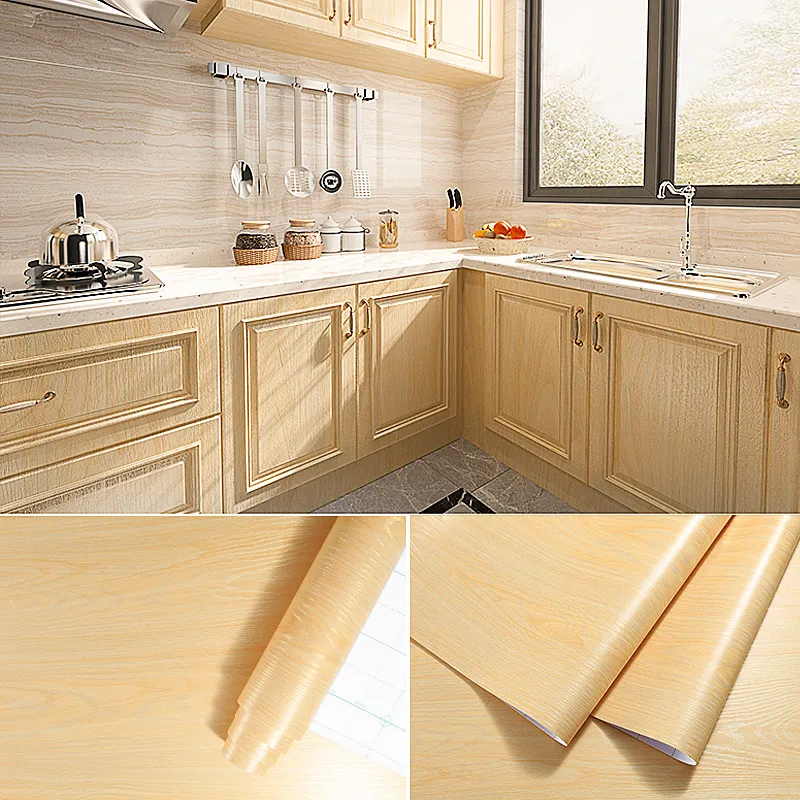
PVC wood grain film is a cost-effective decorative PVC calendered film printed and embossed to mimic real wood textures. It is widely used for furniture surfaces, cabinets, doors, skirting, and interior renovation to deliver a natural wood look without the cost or maintenance of solid wood.
PVC wood grain film is a multi-layer calendered or coated PVC film with a printed wood pattern and an embossed surface texture. Layers typically include a wear-resistant topcoat, printed design layer, and a stable PVC base. Advanced calendering and printing technologies make it possible to reproduce grain details, color variations, and matte or glossy finishes.
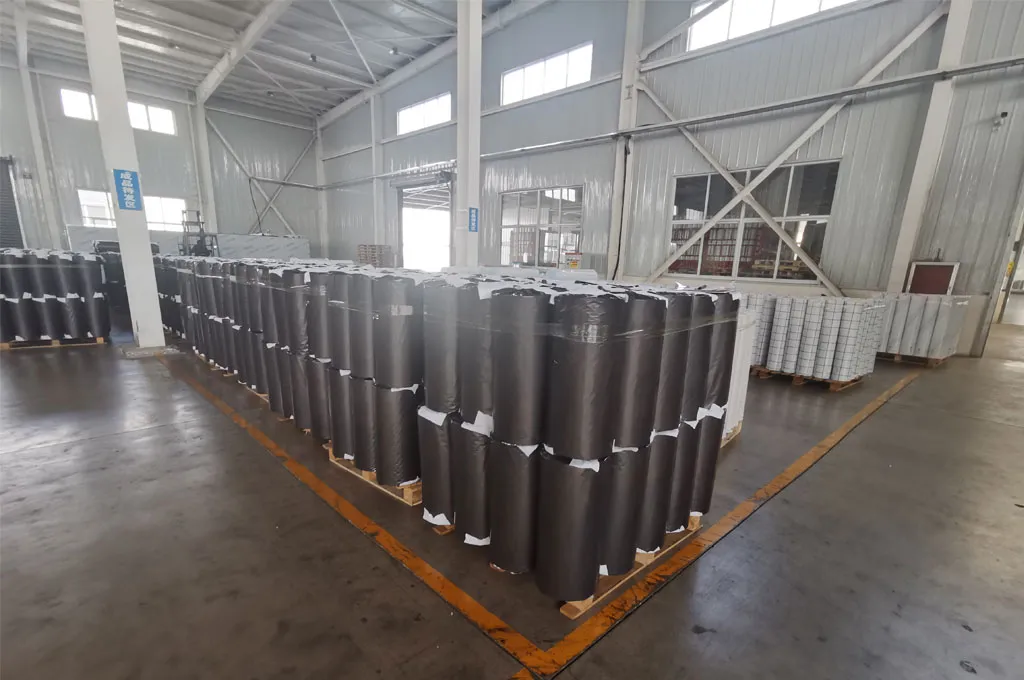
Production steps often include raw material compounding, extrusion or calendering, gravure or digital printing, embossing for texture, top-coating for durability, and split-packaging for distribution. Quality control during each stage ensures consistent color, adhesion, and thickness.
Different finishes target varied applications: glossy, matte, matte-silk (3D), cloth grain, and heavy embossed wood grains for realistic tactile feel. Thicknesses range from thin decorative films to thicker protective films for high-wear surfaces.
PVC wood grain film delivers several practical advantages over natural wood or veneer: affordability, water and stain resistance, easy maintenance, consistent appearance across batches, and fast installation. It also supports OEM customization—colors, widths, prints, and packaging can be tailored to brand needs.
| Property | Typical Range | Why It Matters |
|---|---|---|
| Thickness | 0.08–0.5 mm | Thin films are flexible for curves; thicker films add protection. |
| Surface Finish | Gloss / Matte / 3D Silk | Choice affects reflectivity and perceived texture. |
| Wear Topcoat | PU, UV-cured | Improves scratch, chemical and abrasion resistance. |
| Pattern Repeat | Short to long repeats | Long repeats offer more natural variation, ideal for large panels. |
Demand is driven by renovation trends, affordable housing projects, and the growth of ready-to-assemble furniture. PVC film allows manufacturers and homeowners to achieve premium looks with lower environmental and budgetary impacts compared to solid wood.
– Europe: Consumers and designers favor muted, natural oak and walnut tones with low-gloss, durable topcoats for kitchens and wardrobes. Certifications and consistent quality are crucial for European suppliers.
– Southeast Asia: Tropical climates and higher humidity make water-resistant PVC film ideal for cabinets and bathroom cladding. Bold and modern wood grains are popular in urban apartments and hospitality projects.
– Middle East: Luxury finishes and marble-wood combinations sell well in commercial fit-outs and villas. Films with rich grains and glossy accents meet regional aesthetic expectations.
PVC wood grain film reduces demand for exotic timber and lowers transportation and fabrication waste. Many manufacturers optimize formulations to improve recyclability and reduce volatile emissions during processing.
Consider intended use (vertical panel vs. flooring), expected wear, finish preference, and installation method. For kitchens and bathrooms prioritize anti-oil and water-resistant topcoats; for furniture surfaces choose longer repeat patterns and low-gloss textures for a realistic look.
Request samples to verify color and texture under your lighting, confirm topcoat type and abrasion rating, check roll lengths and packaging options, and verify lead times for large orders.
Henan Pulivk New Materials Co., Ltd. (Pulivk) operates complete in-house calendering, printing, and split-packaging lines—offering full production control, cost-effective OEM services, and stable lead times for exports to Southeast Asia, the Middle East, Europe, and other regions.
Popular uses include cabinet doors, wardrobe panels, skirting boards, wall cladding, window sills, and furniture refurbishment—especially where rapid installation and cost control are priorities.
Work with suppliers who provide clear QC reports and sample approvals, ask for anti-scratch and UV test results for outdoor or high-gloss applications, and align pattern repeats with panel sizes to minimize visible seams.