Address
304 North Cardinal St.
Dorchester Center, MA 02124
Work Hours
Monday to Friday: 7AM - 7PM
Weekend: 10AM - 5PM
Address
304 North Cardinal St.
Dorchester Center, MA 02124
Work Hours
Monday to Friday: 7AM - 7PM
Weekend: 10AM - 5PM


 ByPulivk
In the world of modern manufacturing and design, versatile materials that offer both aesthetic appeal and functional performance are in high demand. Among these, Cast PVC Shrink Film stands out as a particularly innovative and useful product. This specialized type of polyvinyl chloride film is manufactured using a unique casting process, resulting in a material with exceptional clarity, uniform thickness, and superior shrink properties. Unlike other films, it offers a balance of durability and flexibility that makes it suitable for a wide array of applications, from sophisticated product packaging to intricate surface protection.
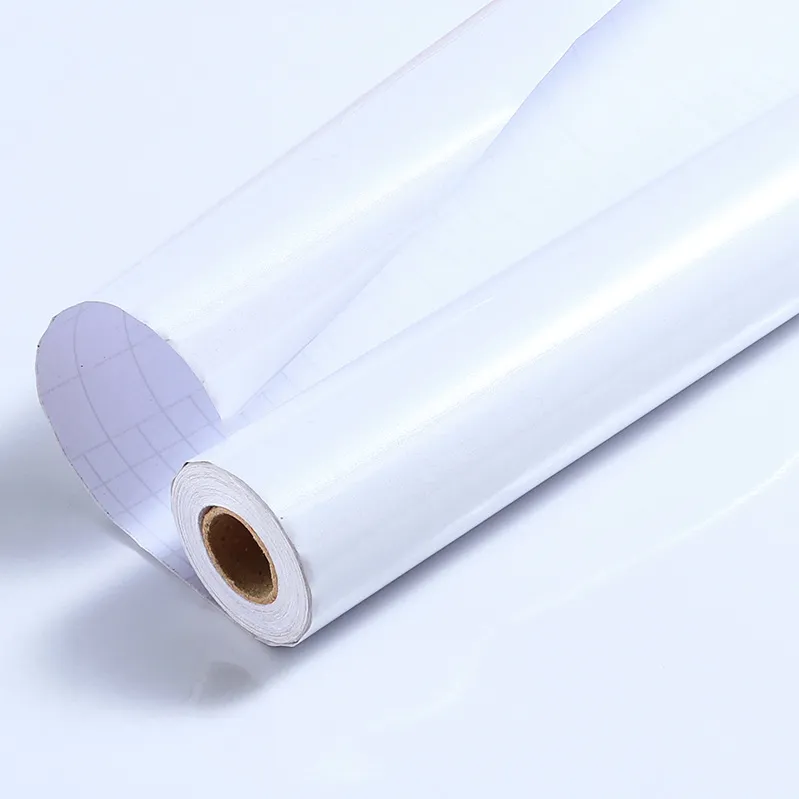
The “cast” in Cast PVC Shrink Film refers to its specific production method. In this process, a liquid PVC compound is spread or “cast” onto a large, moving belt or drum. It is then heated to form a solid, continuous sheet. This technique allows for precise control over the film’s thickness and ensures exceptional optical clarity and surface smoothness. The result is a film that shrinks uniformly when heat is applied, conforming tightly and smoothly to the shape of the product it covers. This makes it a preferred choice over other methods like calendering for applications requiring high-gloss finishes and precise fits. For a deeper dive into different film production techniques, explore our comprehensive guide on PVC film knowledge.
• High Clarity & Gloss: Offers brilliant transparency and a shiny finish, enhancing product visibility.
• Uniform Thickness: The casting process ensures consistent gauge across the entire sheet, leading to predictable and even shrinkage.
• Excellent Shrink Ratio: Can shrink significantly (often 50-80%) when heated, creating a tight, second-skin fit.
• Good Tensile Strength: Strong and resistant to tearing during the application process.
• Chemical Resistance: Provides a barrier against moisture, dust, and mild chemicals.
The unique properties of Cast PVC Shrink Film make it indispensable in several sectors. Its primary function is to bundle, protect, and display products.
This is the most common application. The film is used to create tamper-evident seals and sleek, unified packaging for boxes containing software, games, toys, stationery sets, and pharmaceuticals. It holds multiple items together securely while allowing full visual access to the product and its printed packaging underneath.
For securing large, irregular loads on pallets for storage and shipping, heavy-duty cast PVC shrink film provides excellent strength and stability. It protects goods from dust, moisture, and handling damage during transit.
While specific food-grade formulations are required, cast PVC film is used for bundling fresh produce, trays of meats, and multi-packs of bottles or cans. It helps extend shelf life by locking in freshness and preventing contamination.
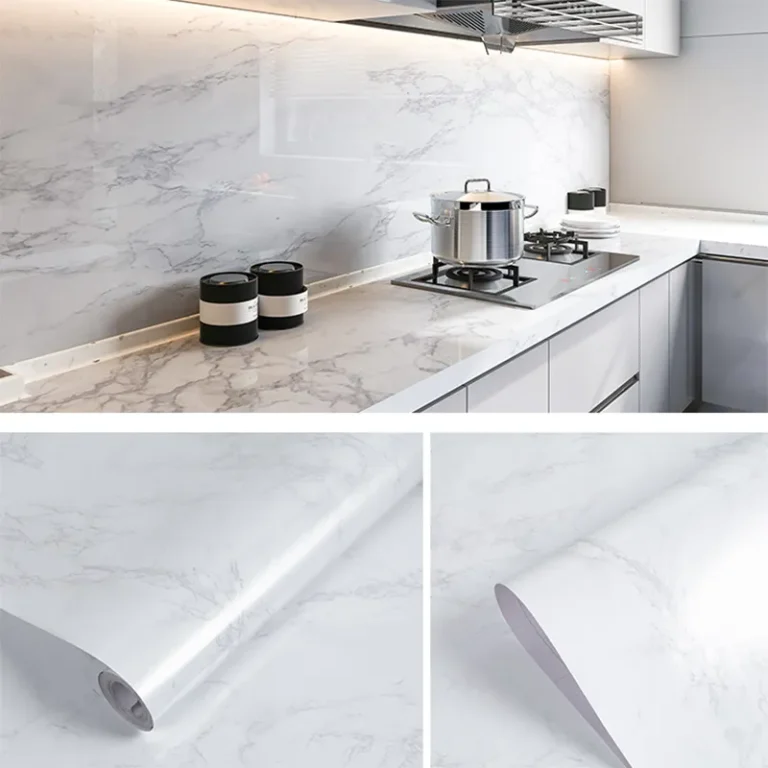
In manufacturing and construction, cast PVC film acts as a temporary protective layer for delicate surfaces like stainless steel appliances, acrylic sheets, polished stone countertops, and decorative marble films. It guards against scratches, stains, and abrasions during installation, transport, and on-site work.
Not all Cast PVC Shrink Films are created equal. They are engineered with different properties to meet specific needs.
High-Shrink Film: Designed to shrink significantly (up to 80%), ideal for tightly conforming to complex, multi-faceted shapes.
Low-Shrink Film: Shrinks less aggressively, perfect for simple shapes or where less tension is required to avoid distorting the product.
Dual-Orientation Film: Shrinks evenly in both the machine and transverse directions, providing a balanced, wrinkle-free finish.
Thickness is measured in microns or gauge. Thinner films (40-60 microns) are used for lightweight retail packaging, while thicker films (100-200+ microns) are employed for heavy-duty pallet wrapping and industrial protection. The choice depends on the required durability and the size/weight of the product.
Manufacturers can incorporate various additives to enhance performance:
• UV Inhibitors: For outdoor use to prevent degradation from sunlight.
• Anti-Fog Agents: Crucial for fresh food packaging to maintain clarity.
• Anti-Static Properties: Essential in electronics packaging to prevent dust attraction and electrostatic discharge.
• Colored or Printed Films: Used for branding, color-coding, or adding opaque barriers.
For specialized decorative applications that require texture and depth, materials like 3D silk texture film offer unique aesthetic solutions beyond standard shrink films.
Selecting this material brings a host of advantages to manufacturers, retailers, and end-users alike.
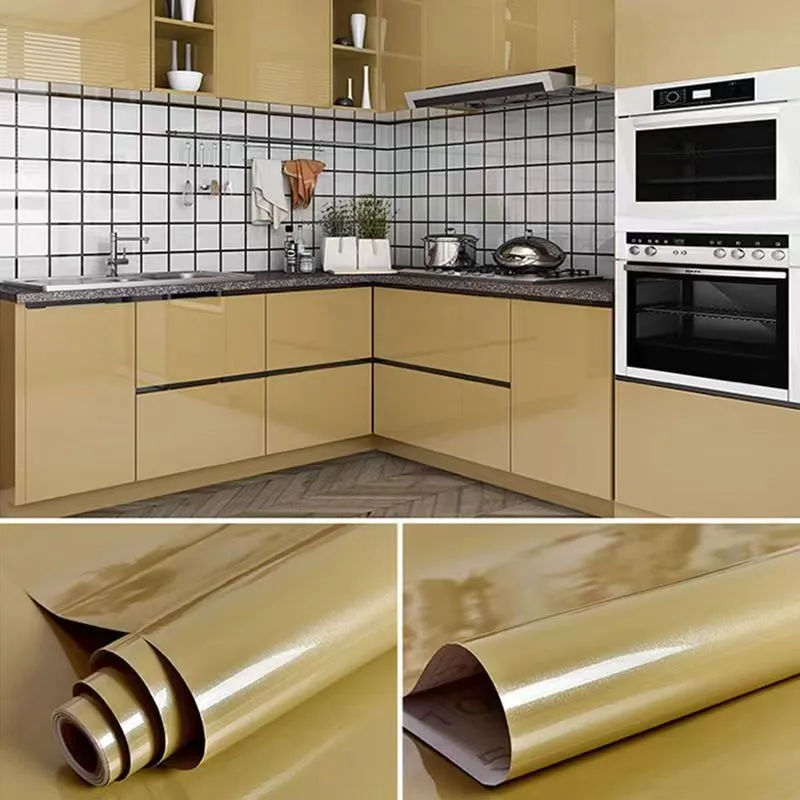
The high-gloss, crystal-clear finish creates a professional, high-quality appearance that can increase perceived value. It also acts as a tamper-evident seal, giving consumers confidence in the product’s integrity. This is similar to how a premium glossy wardrobe film elevates the look of furniture.
The film forms a protective barrier against dust, dirt, moisture, and minor abrasions. For products in storage or transit, this can significantly reduce waste and returns due to damage.
Its ability to conform to virtually any shape—from simple boxes to irregular tool sets—makes it incredibly versatile. Automated shrink-wrapping machinery allows for high-speed, consistent application, boosting packaging line efficiency.
Compared to rigid packaging alternatives like clamshells or boxes, shrink film often uses less material, reduces storage space, and lowers shipping weight, leading to overall cost savings.
Furthermore, the benefits of specialized films extend into construction and home improvement. For instance, using a durable PVC skirting film or floor film for protection during renovation projects showcases how PVC films provide practical, cost-effective solutions across different scales.
The core difference lies in the manufacturing process. Cast PVC film is made by spreading liquid resin on a belt, yielding superior clarity, gloss, and uniform shrinkage. Other common types, like calendered PVC film, are squeezed through heated rollers and may have slightly less clarity but higher tensile strength and are often used for applications like durable decorative surfaces.
Traditional PVC can be challenging to recycle in standard municipal streams due to chlorine content. However, the industry is advancing with more recyclable PVC formulations and take-back programs. Always check with local waste management authorities. Some manufacturers also offer bio-based or phthalate-free options for reduced environmental impact.
Application requires a heat source. For low-volume use, a handheld heat gun can suffice. For production lines, automated equipment like L-sealers (which seal the film into a bag) or sleeve wrappers, followed by a heat tunnel or shrink chamber, are used to achieve consistent, professional results at high speed.
Only Cast PVC Shrink Film that is specifically formulated and certified as food-grade should be used for direct food contact. These films comply with regulations like FDA (USA) or EFSA (Europe) standards, ensuring they are free from harmful plasticizers and additives that could migrate into food.
Selection depends on your product’s weight, shape, and the required level of protection. Consult with your film supplier or manufacturer. They can provide technical data sheets and often offer sample rolls for testing. Factors to consider are shrink ratio, seal strength, tear resistance, and whether you need special features like UV resistance.