Address
304 North Cardinal St.
Dorchester Center, MA 02124
Work Hours
Monday to Friday: 7AM - 7PM
Weekend: 10AM - 5PM
Address
304 North Cardinal St.
Dorchester Center, MA 02124
Work Hours
Monday to Friday: 7AM - 7PM
Weekend: 10AM - 5PM


In the world of modern materials and surface finishing, PVDC (Polyvinylidene Chloride) coated PVC (Polyvinyl Chloride) film stands out as a versatile and high-performance solution. This composite material combines the inherent benefits of a durable PVC substrate with the exceptional barrier properties and surface characteristics imparted by a PVDC coating. The result is a film that addresses critical needs across numerous industries, from sophisticated packaging that extends shelf life to durable decorative surfaces that resist wear and chemicals. Understanding the unique synergy of these materials is key to unlocking their potential in your applications.
Before delving into the coating, it’s essential to appreciate the foundation. PVC film is a highly adaptable thermoplastic polymer film known for its excellent flexibility, durability, and cost-effectiveness. It can be manufactured in various thicknesses, opacities, and surface textures, making it a blank canvas for further enhancement. Common base films include transparent, colored, or pre-embossed varieties, such as the Wood Grain Film or Marble Film, which are popular in decorative applications. The quality of this base film is paramount, as it determines the final product’s dimensional stability, tensile strength, and overall feel.
Key Point: The PVC substrate provides the structural integrity and primary aesthetic (like wood or stone patterns) of the final product. High-quality, consistently produced PVC film, such as calendered film, ensures a reliable foundation for the advanced PVDC coating.
PVDC coating is what transforms a standard PVC film into a high-barrier, functional material. PVDC is a remarkable polymer known for its outstanding resistance to the permeation of gases (like oxygen and carbon dioxide), moisture, oils, and odors. When applied as a thin, uniform layer onto the PVC film, it creates a formidable shield.
This coating process can be achieved through various methods, including emulsion coating, extrusion coating, or lamination, depending on the desired performance characteristics and end-use. The coating not only adds functional barriers but can also enhance the film’s gloss, slip properties, and resistance to chemicals and abrasion.
The combination of PVC and PVDC yields a material with a compelling set of advantages:
This is the most significant benefit. PVDC coated films offer exceptional protection against moisture vapor and oxygen transmission. This is critical in food packaging to prevent spoilage, retain freshness, and extend shelf life dramatically. It also protects sensitive electronic components or medical devices from environmental humidity.
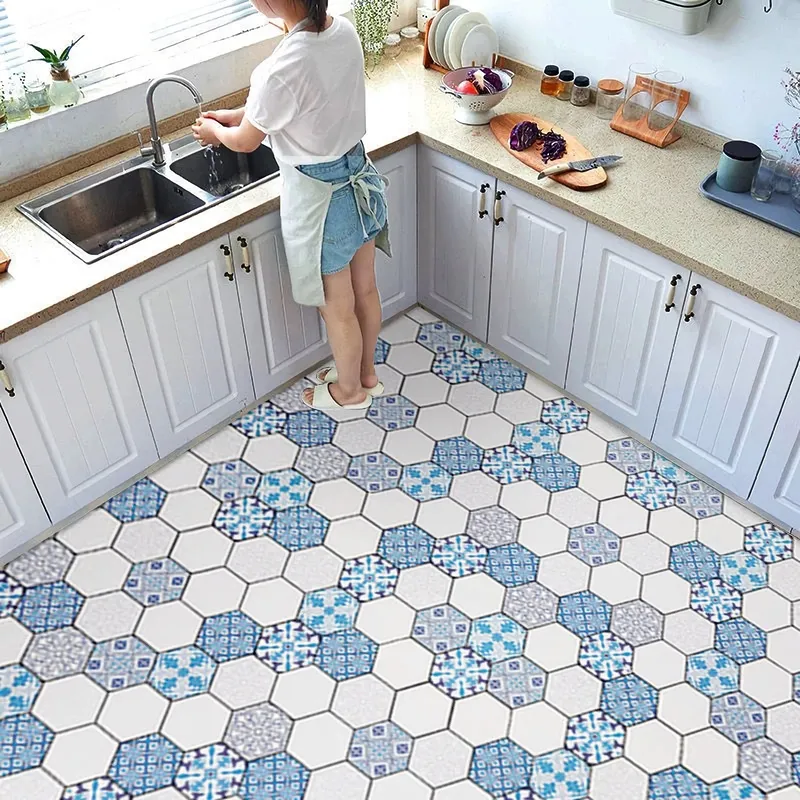
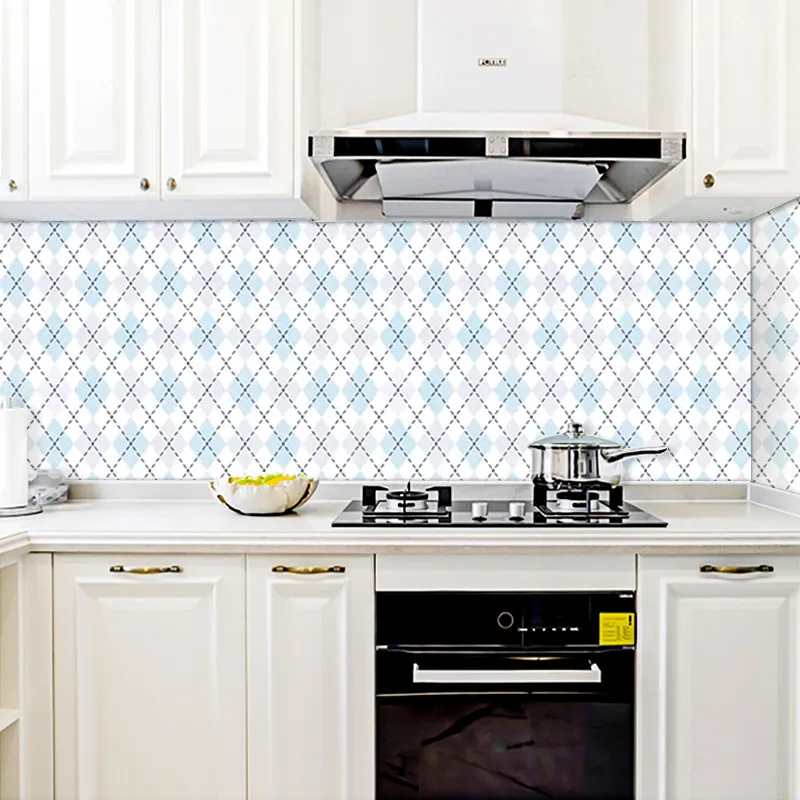
The coating provides excellent resistance to oils, fats, and many chemicals. This makes it ideal for packaging greasy foods, industrial products, or for use as a protective surface in environments where spillage occurs, such as on vinyl kitchen flooring or as a kitchen anti-oil film for backsplashes.
PVDC coatings increase the film’s resistance to scratches, scuffs, and abrasion. In decorative applications, such as furniture laminates or wall coverings, this means the surface maintains its pristine appearance for longer, even in high-traffic areas.
For transparent or semi-transparent films, a PVDC coating can enhance optical clarity and provide a consistent, high-gloss finish that does not easily dull over time.
PVDC coated PVC films are not a one-size-fits-all product. They are engineered into specific types to meet diverse application demands:
These are typically clear, thin films where the PVDC coating is optimized for maximum oxygen and moisture barrier. They are used for vacuum packaging, modified atmosphere packaging (MAP) for meats, cheeses, snacks, and pharmaceuticals.
Here, the PVDC coating is applied over printed or textured PVC films, such as wood grain, stone, or solid colors. The coating acts as a durable, protective top layer that is stain-resistant and easy to clean. This category includes films used for furniture, cabinet wraps, and interior wall panels. Products like glossy wardrobe film or solid color wallpaper often utilize such coatings for enhanced performance.
These films have a heavier-duty PVDC coating for resistance against harsh chemicals, solvents, and weathering. They are used as protective layers on metal parts during shipping or storage, and in certain construction applications.
PVDC coatings can be formulated with additional properties, such as anti-fog (for fresh produce packaging), anti-static (for electronic component packaging), or UV resistance for applications with exposure to sunlight.
The unique properties of PVDC coated PVC film open doors to a wide array of practical uses.
This is the largest application area. The film’s barrier properties are crucial for extending the shelf life of perishable goods, preserving flavor, and preventing contamination. It is used for wrapping cheeses, processed meats, dried foods, and blister packs for tablets.
As a laminate surface, it provides a cost-effective and durable alternative to solid wood, stone, or painted finishes. It is applied to kitchen cabinets, office furniture, retail fixtures, and wall panels. The coating ensures the surface is wipeable, stain-resistant, and maintains its color and texture.
Beyond wall coverings, these films find use as protective layers for flooring substrates, as moisture barriers in certain assemblies, or as durable surfaces for PVC skirting boards and decorative trims.
The film is used in products requiring a tough, cleanable surface, such as shower curtains, tablecloths, placemats, and protective covers for appliances. Its resistance to moisture and mildew is a key advantage here.
It serves as a release liner, a protective mask during manufacturing processes (like powder coating), and as a barrier layer in certain composite materials.
When specifying PVDC coated PVC film, several factors are critical:
Yes, when produced in compliance with strict food-grade regulations. Reputable manufacturers use approved raw materials and processes to ensure the film is non-toxic and safe for direct or indirect food contact. Always request relevant compliance certificates.
PVDC offers a unique combination of excellent barrier to both gases and moisture, which is its key advantage. EVOH provides superior oxygen barrier but loses this property in high humidity. PVOH is a good oxygen barrier but is water-soluble. PVDC maintains its barrier performance across a wider range of humidity conditions.
Absolutely. The film can be reverse printed on the uncoated side before the PVDC is applied, protecting the print under the durable coating. It can also be laminated to other materials like paper, foil, or other plastic films to create complex, multi-layer structures with tailored properties.
PVDC is not as readily recyclable as some single-polymer plastics due to its chlorine content and composite nature with PVC. However, its primary benefit—extending the shelf life of food—significantly reduces food waste, which has a major positive environmental impact. Research into recycling technologies for such multi-material films is ongoing.
Thickness depends on the required durability, flexibility, and barrier level. Flexible packaging may use films from 50 to 150 microns, while rigid decorative laminates might use thicker substrates. Your supplier should guide you based on your specific performance requirements and processing methods (e.g., form-fill-seal machines, laminating presses).