Address
304 North Cardinal St.
Dorchester Center, MA 02124
Work Hours
Monday to Friday: 7AM - 7PM
Weekend: 10AM - 5PM
Address
304 North Cardinal St.
Dorchester Center, MA 02124
Work Hours
Monday to Friday: 7AM - 7PM
Weekend: 10AM - 5PM


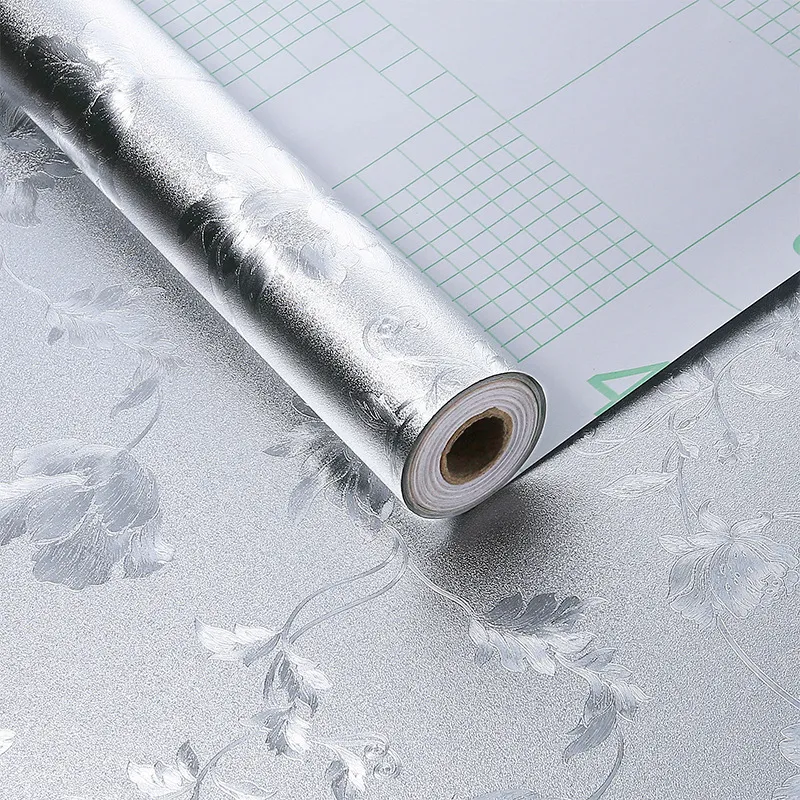
PVC binding film, a versatile and durable material derived from polyvinyl chloride, has become an indispensable component across numerous industries. Its unique properties of flexibility, strength, and aesthetic adaptability make it far more than just a simple packaging material. From protecting the spines of documents to creating seamless decorative surfaces, PVC film offers solutions that are both functional and visually appealing.
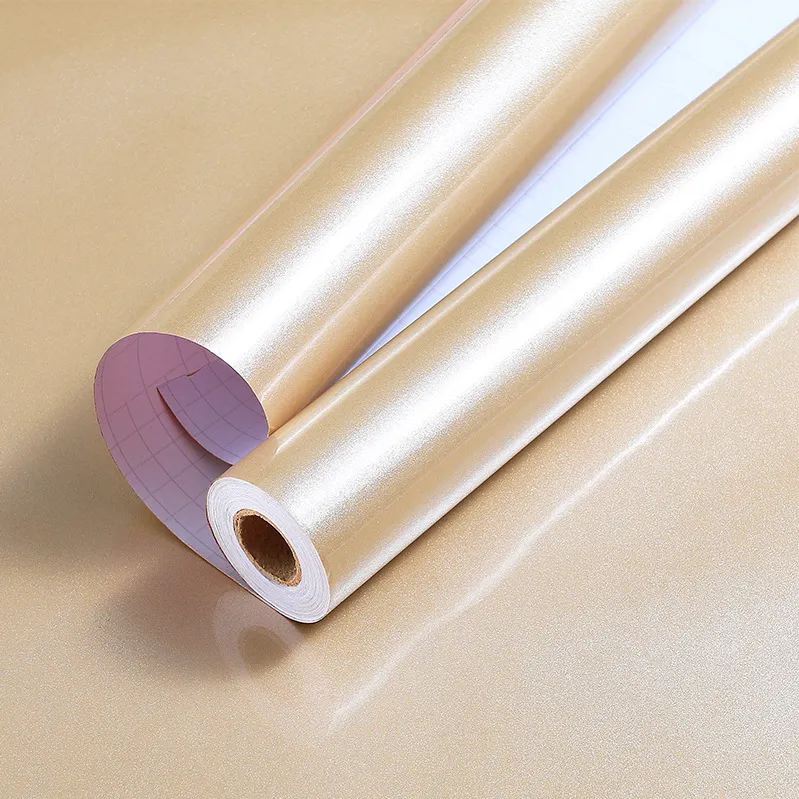
At its heart, PVC binding film is a thin, flexible sheet used to bind, cover, and protect. Its primary function is to encase and secure the edges of items, most commonly documents, books, and presentation materials, providing a clean, finished look and enhanced durability. However, its use extends far beyond the office or print shop.
Key Insight: The true value of PVC binding film lies in its dual role. It is both a protective barrier against moisture, dust, and wear, and a decorative element that can be customized to match any brand or design scheme.
In industrial and manufacturing contexts, it is used for edge banding on furniture, cabinets, and shelves, giving raw particleboard or MDF a polished, finished appearance. In the sign and graphics industry, it serves as a lamination layer for banners and displays, protecting printed ink from UV fading and scratches. Even in specialized packaging, PVC film can be used to bundle products securely while allowing for clear product visibility.
Not all PVC films are created equal. Different formulations and manufacturing processes yield films with distinct characteristics, making them suitable for specific tasks. Understanding these types is crucial for selecting the right material for your project.
This is the most common type, produced by passing PVC compound through a series of heated rollers (calenders) to achieve a uniform thickness and smooth surface. It is the workhorse for general-purpose binding and lamination. For a closer look at this foundational product, explore our detailed guide on Calendered Film.
This category expands the functionality of PVC film from purely protective to highly aesthetic. These films are printed or embossed with patterns that mimic other materials.
These films are engineered with additional properties to meet specific environmental or performance demands.
The standard product range is extensive, but the real power for businesses lies in customization. Off-the-shelf solutions don’t always fit unique dimensional requirements, brand color palettes, or specific performance criteria. This is where partnering with a manufacturer with strong OEM/ODM capabilities becomes critical.
Customization is not a luxury; it’s a strategic tool for efficiency and branding. A film tailored to your exact width and core size reduces waste on the production line. A color matched to your corporate identity ensures brand consistency across all materials.
A manufacturer like Pulivk Film, with integrated calendering, printing, and slitting capabilities, can manage this entire custom process in-house. This vertical integration is key to maintaining quality control, ensuring consistency across batches, and offering competitive lead times for both small trial orders and large-scale production runs. Learn more about our approach on the About Us page.
Selecting a supplier goes beyond comparing price lists. For reliable performance, especially with custom orders, consider these factors:
PVC film is specifically valued for its excellent balance of flexibility, durability, and printability. It can be easily heat-activated or paired with adhesives for binding, and it accepts printed patterns and textures far better than many other polyolefin films, making it superior for decorative applications.
Standard PVC film may degrade with prolonged UV exposure. For outdoor use, it is essential to specify weather-resistant or UV-stabilized PVC film, which contains additives to prevent fading, brittleness, and loss of adhesion.
The required thickness depends on the application. Thinner films (8-12 mil) are suitable for document binding and light-duty lamination. Thicker films (15-30+ mil) are needed for heavy-duty edge banding, floor protection, or industrial packaging where abrasion resistance is key. Your supplier should provide guidance based on your use case.
Yes, reputable manufacturers often support small trial or sample orders for evaluation. For custom colors, a minimum order quantity (MOQ) usually applies to justify the production run for the specific color formulation, but this MOQ can vary significantly between suppliers.
Modern PVC films can be produced using phthalate-free plasticizers and heavy-metal-free stabilizers, making them safe for indoor use. The environmental impact is a topic of ongoing innovation, with some manufacturers offering more recyclable formulations or focusing on production efficiency to reduce waste. Always inquire about the specific compliance and material safety data of the product.