Address
304 North Cardinal St.
Dorchester Center, MA 02124
Work Hours
Monday to Friday: 7AM - 7PM
Weekend: 10AM - 5PM
Address
304 North Cardinal St.
Dorchester Center, MA 02124
Work Hours
Monday to Friday: 7AM - 7PM
Weekend: 10AM - 5PM


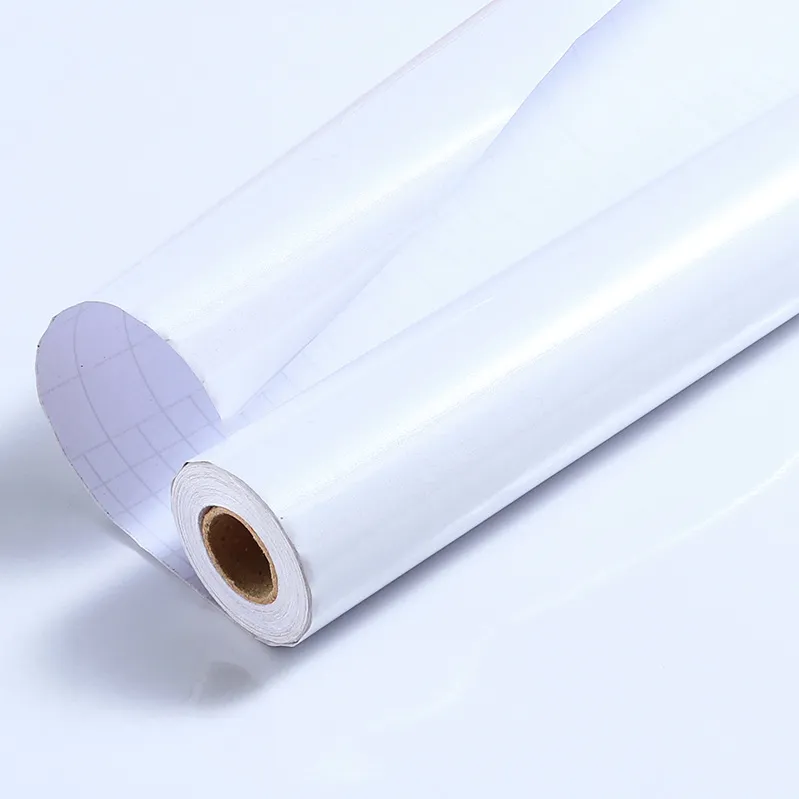
In the world of modern materials, PVC Super Clear Film stands out as a versatile and indispensable product. Its exceptional clarity, durability, and adaptability have made it a favorite across numerous industries, from furniture manufacturing to high-tech electronics. This guide will delve deep into everything you need to know about PVC Super Clear Film, exploring its wide-ranging uses, significant benefits, and practical tips for making the right purchase.
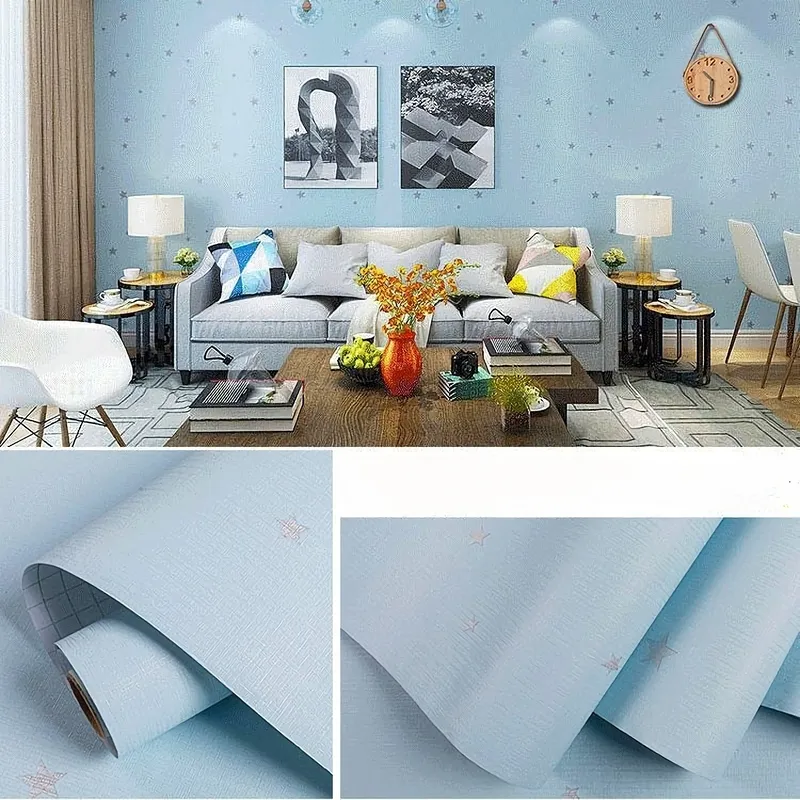
PVC Super Clear Film is a high-grade, transparent polyvinyl chloride film engineered for maximum optical clarity and strength. Unlike standard PVC films, it undergoes specialized calendering and formulation processes to achieve a glass-like appearance without sacrificing the inherent flexibility and toughness of PVC. This makes it an ideal material where both visual appeal and physical protection are paramount.
High Transparency: Offers superior light transmission with minimal haze, rivaling the clarity of glass.
Excellent Durability: Resistant to tears, scratches, and impacts, ensuring long-lasting performance.
Flexibility & Formability: Can be easily thermoformed, laminated, or applied to complex surfaces.
Chemical Resistance: Withstands exposure to many oils, greases, and mild chemicals.
Printability & Adhesion: Provides an excellent surface for printing and bonding with adhesives.
The true power of PVC Super Clear Film lies in its vast array of applications. Its ability to protect while remaining virtually invisible opens up countless possibilities.
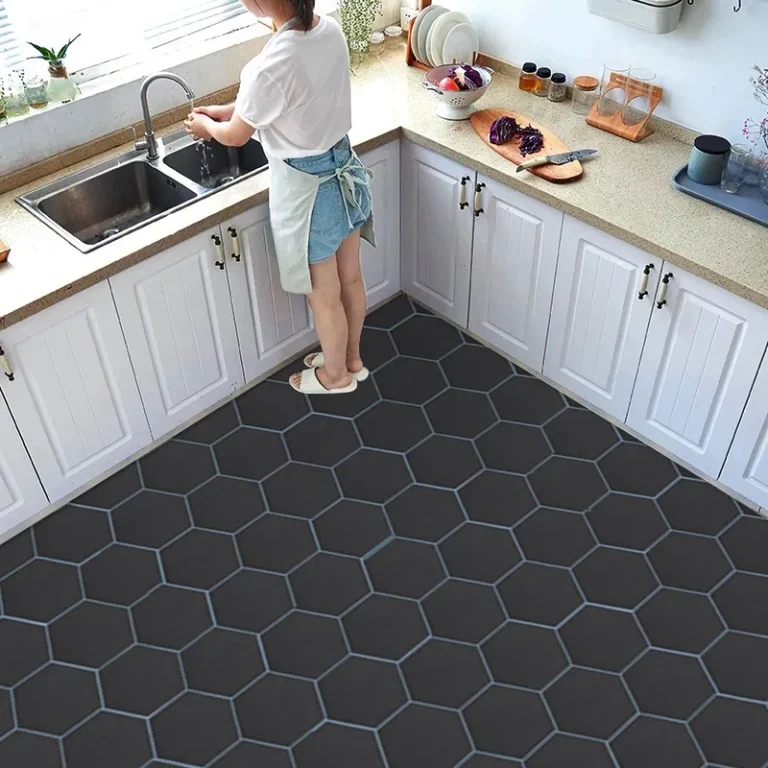
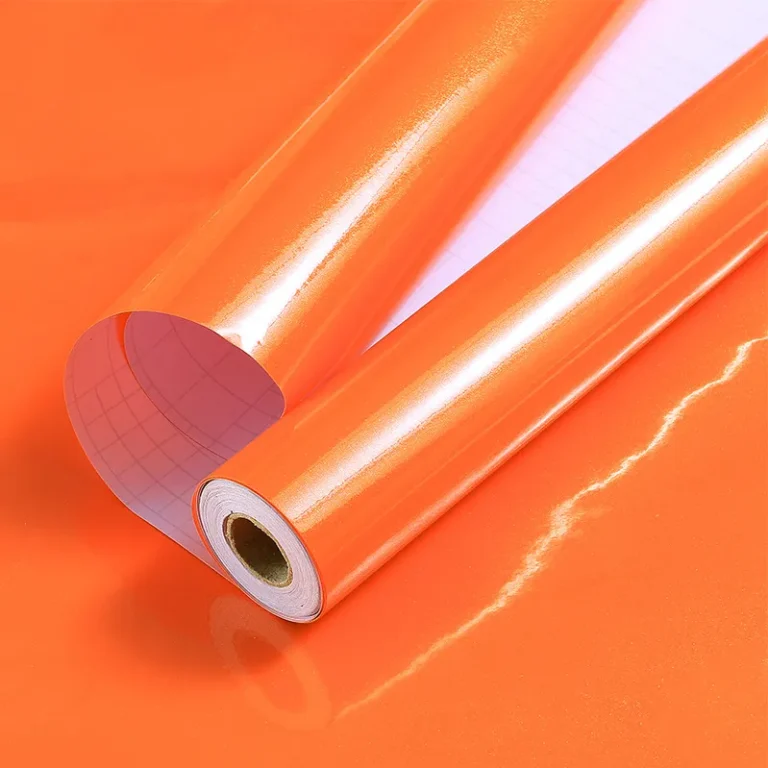
In furniture manufacturing, this film is a game-changer. It is extensively used as a protective overlay on tabletops, cabinet doors, and shelving. It guards against scratches, stains, and UV fading while preserving the beauty of the underlying wood grain or decorative print. For a seamless look that protects high-wear areas, consider complementary products like PVC skirting film or glossy wardrobe film.
The retail and signage industry relies on clear film for point-of-sale displays, menu overlays, and protective covers for posters and banners. Its clarity ensures vibrant graphics remain unobstructed, and its durability withstands high-traffic environments.
PVC Super Clear Film serves as a protective window for product packaging, allowing consumers to see the item inside. It’s also used in the electronics sector for insulating components and creating clear protective barriers on control panels and device faces.
In medical settings, its clarity and cleanability make it suitable for protective barriers on equipment, hygiene screens, and packaging for sterile instruments. Its compatibility with various sterilization methods adds to its utility.
Compared to glass or polycarbonate, PVC Super Clear Film offers a significantly lower material and installation cost. It is lightweight, reducing shipping expenses, and can be cut and installed without specialized tools.
This is a critical advantage over glass. The film will not shatter into dangerous shards, making it a much safer option for homes with children, public spaces, and furniture applications.
Its minimal weight allows for easy handling and application on vertical surfaces or large areas where heavy materials would be impractical or require additional structural support.
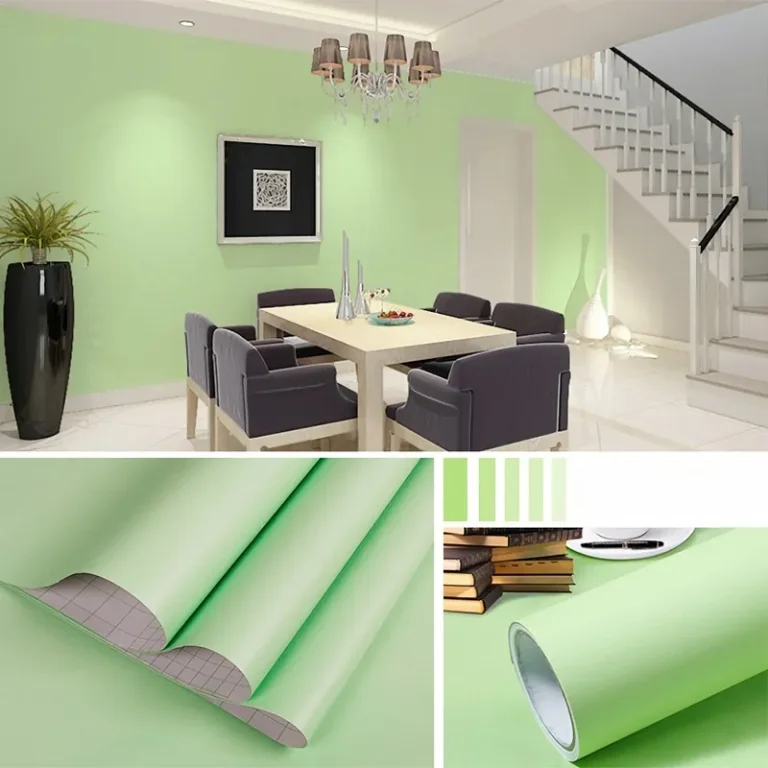
Beyond clear transparency, the film can be customized. It can be ordered in various thicknesses, treated with anti-fog or anti-static coatings, or even lightly tinted. For other decorative needs, explore options like marble film or solid color wallpaper.
Selecting the right film for your project requires careful consideration of several technical and practical factors.
Thickness, measured in microns or mils, directly impacts durability and stiffness. For light-duty protection (e.g., document laminating), 50-100 microns may suffice. Heavy-duty applications like tabletop protection often require 200-500 microns or more. Thicker films offer better scratch resistance and rigidity.
Not all “clear” films are equal. Request technical data sheets to review light transmission percentage and haze values. For display cases or applications where visual distortion is unacceptable, opt for film with >90% light transmission and minimal haze.
For films requiring adhesive backing, ensure the adhesive type (acrylic, rubber-based, removable, permanent) is suited for your substrate (wood, metal, plastic, painted surface). Always test a sample first.
Partnering with an experienced producer like Pulivk Film ensures quality and consistency. Look for manufacturers with:
Full in-house production control
Strict quality certifications (ISO, REACH, FDA)
Strong OEM/ODM customization capability
Global export and logistics experience
For more specialized material solutions, you can browse their full product range.
Yes, when sourced from a responsible manufacturer. High-quality films intended for interior or food-adjacent use are formulated without harmful phthalates (like DEHP) and heavy metals (lead, cadmium). They comply with international safety standards such as REACH, RoHS, and FDA regulations for indirect food contact. Always request compliance certificates from your supplier.
Each material has its strengths. PVC offers superior clarity, excellent formability (thermoforming), and good balance of stiffness and flexibility at a competitive cost. PET (Polyester) is generally stiffer, has higher temperature resistance, and is more environmentally recyclable in some regions. PP (Polypropylene) is lighter and has good chemical resistance but often lacks the crystal clarity of PVC. The choice depends on the specific application requirements.
Absolutely. PVC Super Clear Film provides an excellent printable surface. For best results, use UV-curable inks or solvent-based inks designed for flexible PVC. Screen printing, digital UV printing, and flexographic printing are all compatible. Pre-treatment (corona or flame treatment) may be recommended to enhance ink adhesion for certain applications.
Lead times vary based on order quantity, customization complexity (thickness, width, coating), and the manufacturer’s schedule. For standard specifications, lead times can range from 2-4 weeks. Reputable suppliers with integrated production lines, like Pulivk Film, can often provide faster turnaround due to in-house control over calendering, slitting, and coating processes. Always confirm the timeline before placing an order.
Store rolls upright in a cool, dry place away from direct sunlight and heat sources. Ideal storage temperature is between 15°C and 25°C (59°F – 77°F). Avoid placing heavy objects on top of the rolls to prevent deformation. Handle with clean gloves to prevent fingerprints and oil transfer onto the film surface, which can affect clarity and adhesion.