Address
304 North Cardinal St.
Dorchester Center, MA 02124
Work Hours
Monday to Friday: 7AM - 7PM
Weekend: 10AM - 5PM
Address
304 North Cardinal St.
Dorchester Center, MA 02124
Work Hours
Monday to Friday: 7AM - 7PM
Weekend: 10AM - 5PM


In the world of modern materials, PVC fabric film stands as a remarkably versatile and widely adopted solution. At its core, PVC (Polyvinyl Chloride) film is a thin, flexible sheet manufactured from PVC resin, plasticizers, stabilizers, and other additives. This combination creates a material that is durable, water-resistant, and easily customizable, making it indispensable across countless industries from furniture manufacturing to interior design and industrial packaging.
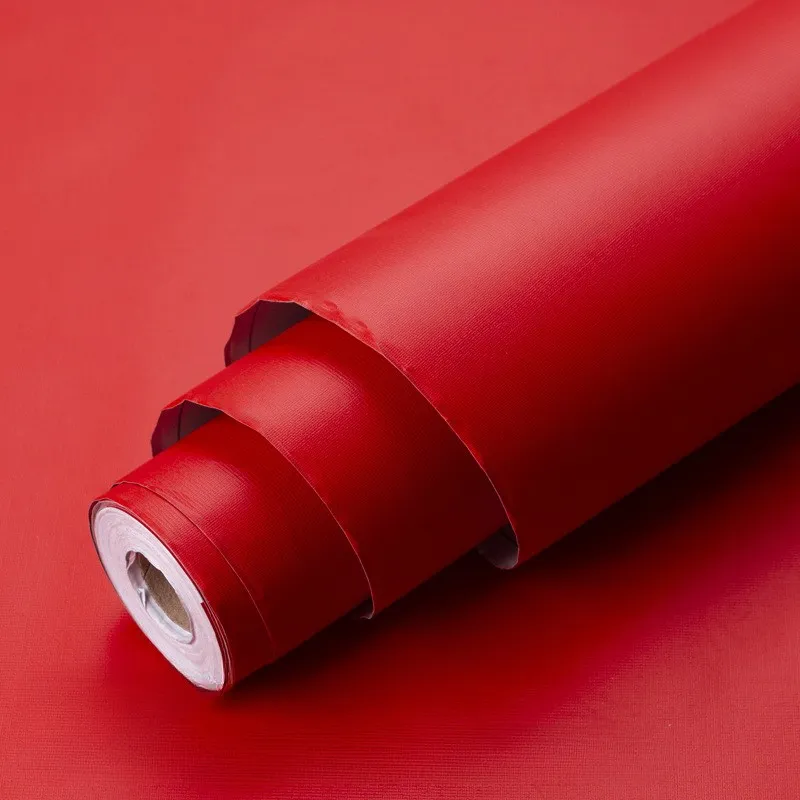
The performance of PVC film is a direct result of its formulation. The base PVC resin provides structural integrity. Plasticizers are added to impart flexibility, transforming a rigid compound into the supple film we know. Stabilizers protect the material from degradation due to heat and UV light during production and throughout its lifespan, while pigments and additives create color, texture, and specialized properties like anti-static or anti-fog capabilities.
The diversity of PVC film is vast, categorized by production method, finish, and application. Understanding these types is key to selecting the right material for your project.
Calendered Film: This is produced by passing heated PVC compound through a series of heavy rollers (calenders) to achieve a precise thickness and smooth surface. It is known for its excellent dimensional stability, consistent quality, and high-gloss finish, making it ideal for decorative laminates and high-visibility applications.
Extruded Film: Created by forcing molten PVC through a die, this method is highly efficient for producing films of varying thicknesses. It often offers good clarity and is commonly used for packaging, shrink wraps, and protective layers.
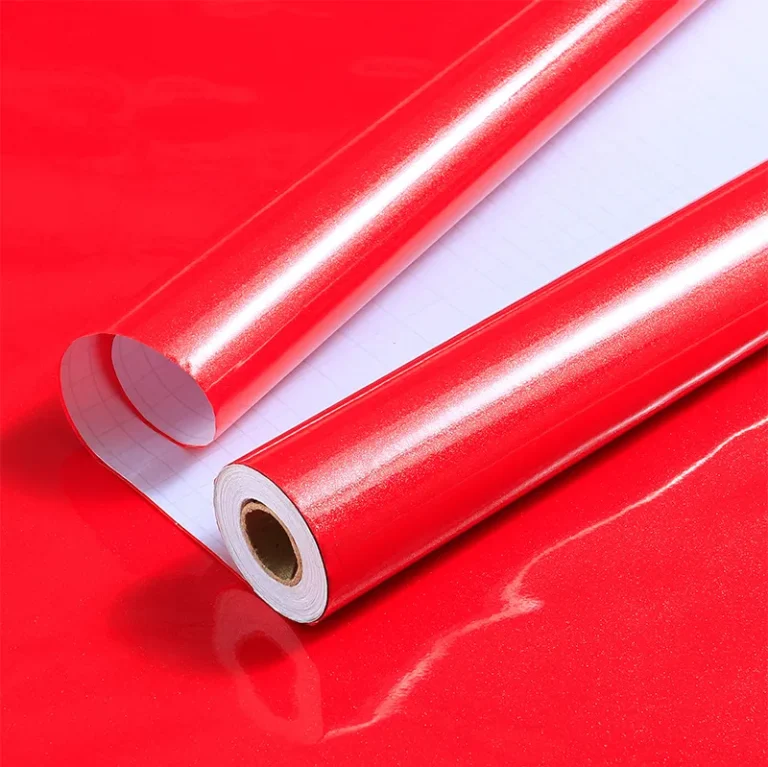
Glossy & Matte Films: Glossy films provide a reflective, shiny surface that enhances color vibrancy, perfect for modern cabinets and signage. Matte finishes offer a sophisticated, non-reflective look that hides fingerprints and scratches, preferred in office furniture and upscale interiors.
Textured Films: This category mimics natural materials. Wood grain films replicate oak, walnut, or maple; marble films imitate stone veins; and cloth or leather textures add tactile depth. Advanced options like 3D texture films create a pronounced tactile sensation.
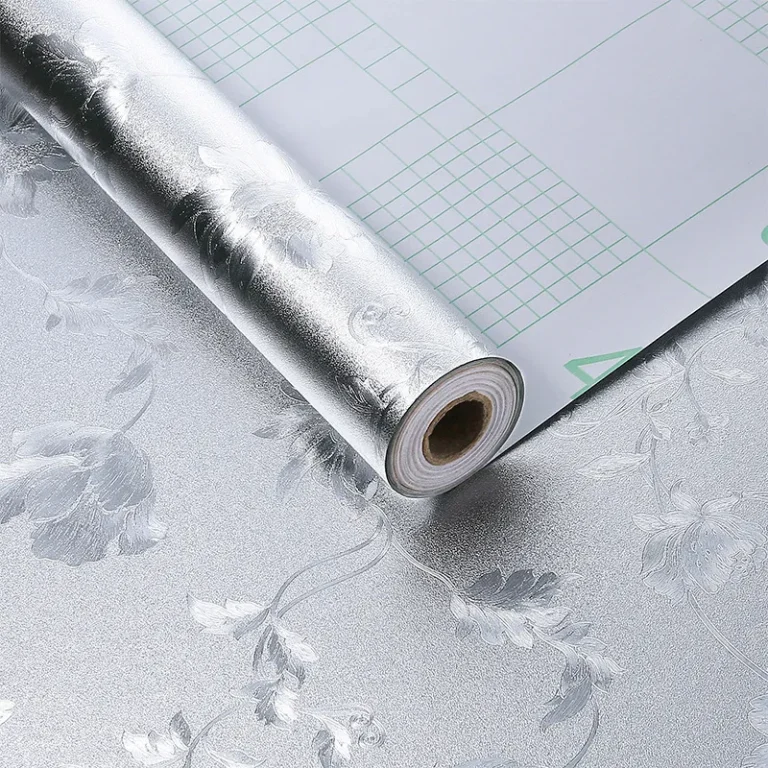
Metallic & Specialty Films: Foil films offer a chrome, brushed aluminum, or copper appearance. Soft-touch films have a velvety feel, while anti-fingerprint and anti-bacterial films cater to hygienic environments like hospitals and kitchens.
The adaptability of PVC film is showcased in its sweeping range of uses. Its ability to combine aesthetics with functionality drives innovation in product design and construction.
This is one of the largest application areas. PVC film is laminated onto particleboard, MDF, or plywood to create cost-effective, durable, and stylish surfaces for:
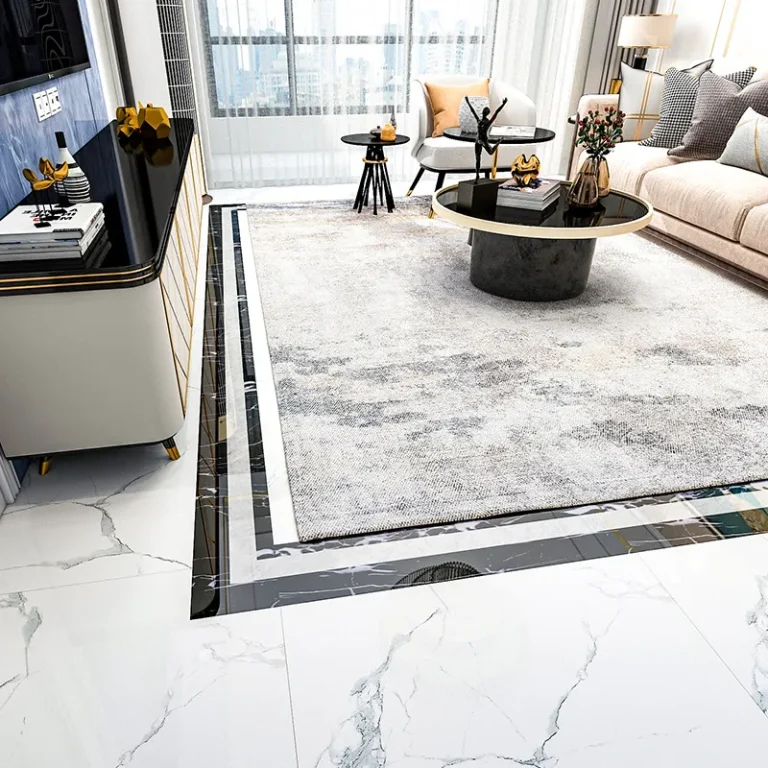
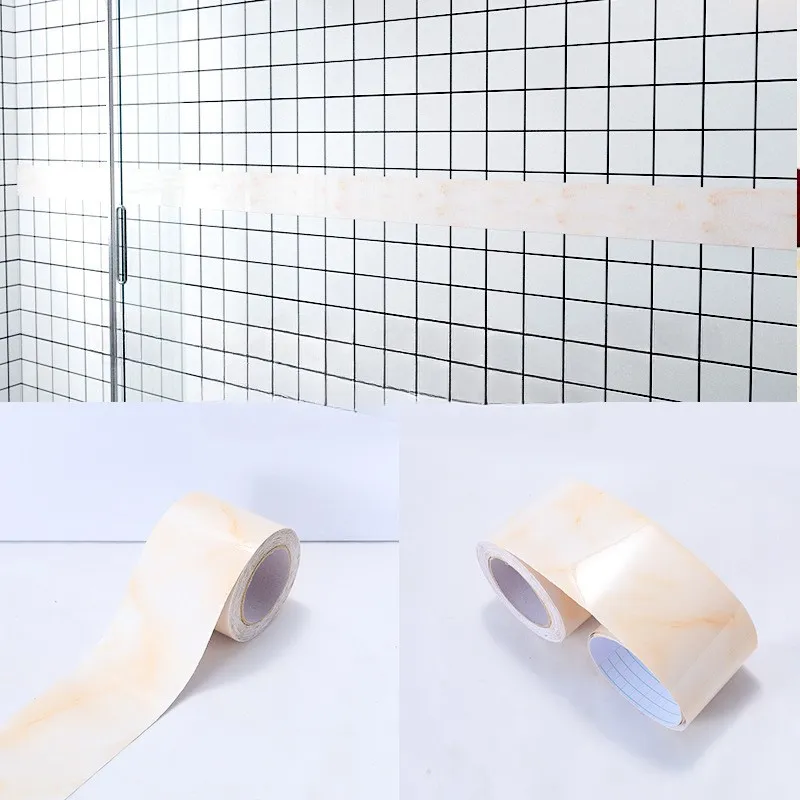
PVC films are integral to resilient flooring. They form the wear layer in Luxury Vinyl Tile (LVT) and sheet vinyl flooring, providing the decorative print and a protective top coat. Specialized floor films offer durability against foot traffic, stains, and moisture, making them ideal for commercial spaces and homes. PVC skirting films are used to finish edges with a matching aesthetic.
Inside vehicles, PVC films are used for instrument panel coverings, door trim, and console surfaces. They meet stringent requirements for UV stability, wear resistance, and low fogging. Their durability and ease of molding into complex shapes make them perfect for interior components.
PVC films, especially printable and self-adhesive varieties, are the backbone of the sign-making industry. They are used for vehicle wraps, window graphics, billboards, and point-of-sale displays. Their weather resistance and ability to hold vibrant inkjet prints are critical advantages.
Blister & Clamshell Packaging: Clear, rigid PVC is formed to securely display consumer goods like electronics, toys, and hardware.
Protective Films: Temporary adhesive films protect delicate surfaces like stainless steel appliances, glass, and acrylic sheets during shipping and installation.
Medical & Hygiene: PVC films are used in fluid bags, mattress covers, and sterile packaging due to their clarity, sterility, and flexibility.
The widespread adoption of PVC film is no accident. It delivers a compelling set of benefits that alternative materials often struggle to match simultaneously.
Cost-Effectiveness: It provides the look and feel of premium materials like wood, stone, or painted finishes at a fraction of the cost, with lower installation expenses.
Durability & Maintenance: Highly resistant to moisture, chemicals, abrasion, and impact. Most surfaces can be cleaned easily with a damp cloth, requiring no special polishes or sealants.
Design Flexibility: Offers an unparalleled spectrum of colors, patterns, gloss levels, and textures. It can be seamlessly integrated into modern digital printing for fully customized designs.
Lightweight & Versatile: Easy to handle, ship, and install. It can be laminated to various substrates and formed into complex shapes using post-forming techniques.
While PVC film is highly beneficial, responsible selection involves considering its environmental profile and the latest innovations. Modern producers are increasingly focused on creating more sustainable products, such as phthalate-free plasticizers and bio-based PVC compounds. Recycling programs for post-industrial and post-consumer PVC are also expanding. Furthermore, advancements in coating technologies are enhancing performance, adding features like enhanced UV resistance for outdoor use, improved scratch hardness, and sustainable anti-microbial properties.
While both may contain PVC, PVC film is typically a thinner, non-woven or unsupported material used for laminating to rigid substrates like furniture. Vinyl wallpaper is usually thicker, paper or fabric-backed, and designed specifically for adhesion to walls. PVC film offers greater durability and dimensional stability for structural applications.
Yes, when produced to modern safety standards. Reputable manufacturers ensure their films are free from heavy metals like lead and cadmium and use non-phthalate plasticizers. Look for products with certifications like REACH, RoHS, or FDA compliance for food-contact surfaces to guarantee safety.
The lifespan depends on quality and the application environment. High-quality, properly laminated PVC film on indoor furniture can last 10-15 years or more without significant fading or wear. In high-traffic flooring applications, the wear layer thickness is crucial, with commercial-grade films lasting many years under proper maintenance.
Standard PVC films are not recommended for prolonged outdoor exposure as UV radiation can cause fading and brittleness. However, specially formulated exterior-grade PVC films with enhanced UV stabilizers are available for applications like signage, exterior trim, or marine interiors, offering several years of weather resistance.
Thickness, measured in microns (µm) or mils, is chosen based on the application. Thin films (80-120 µm) are suitable for simple wrapping and lightweight packaging. Medium thickness (120-200 µm) is standard for furniture laminates and wall panels. Thick films (200+ µm) are used for heavy-duty flooring wear layers and applications requiring deep texture or extra durability.