Address
304 North Cardinal St.
Dorchester Center, MA 02124
Work Hours
Monday to Friday: 7AM - 7PM
Weekend: 10AM - 5PM
Address
304 North Cardinal St.
Dorchester Center, MA 02124
Work Hours
Monday to Friday: 7AM - 7PM
Weekend: 10AM - 5PM


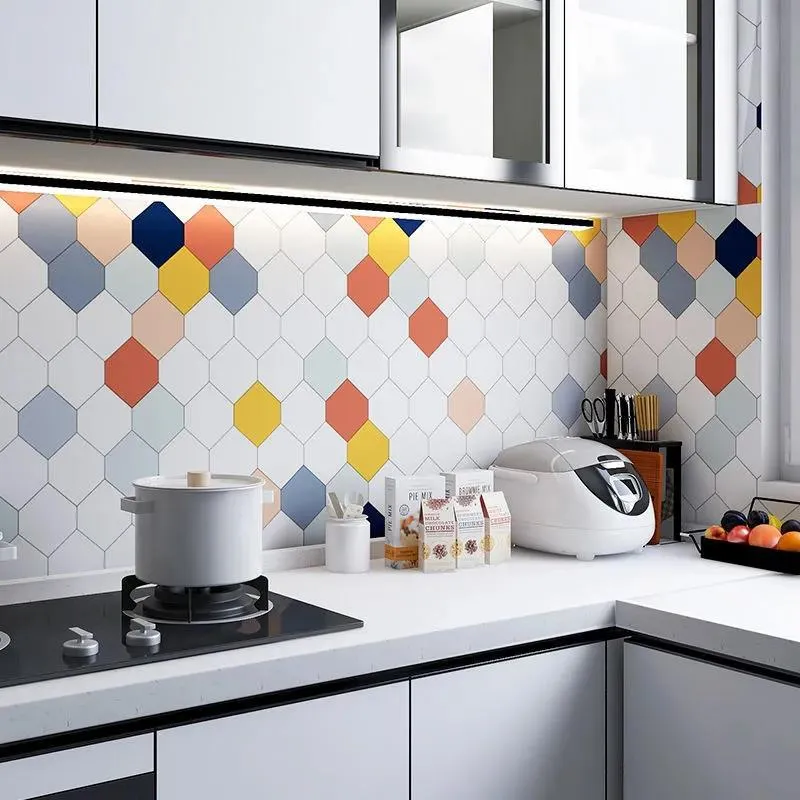
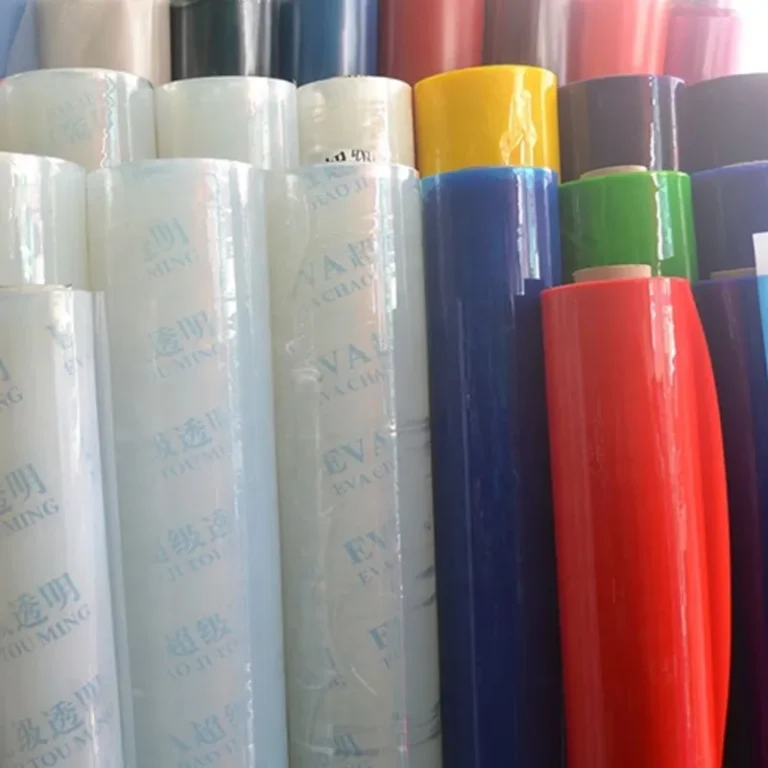
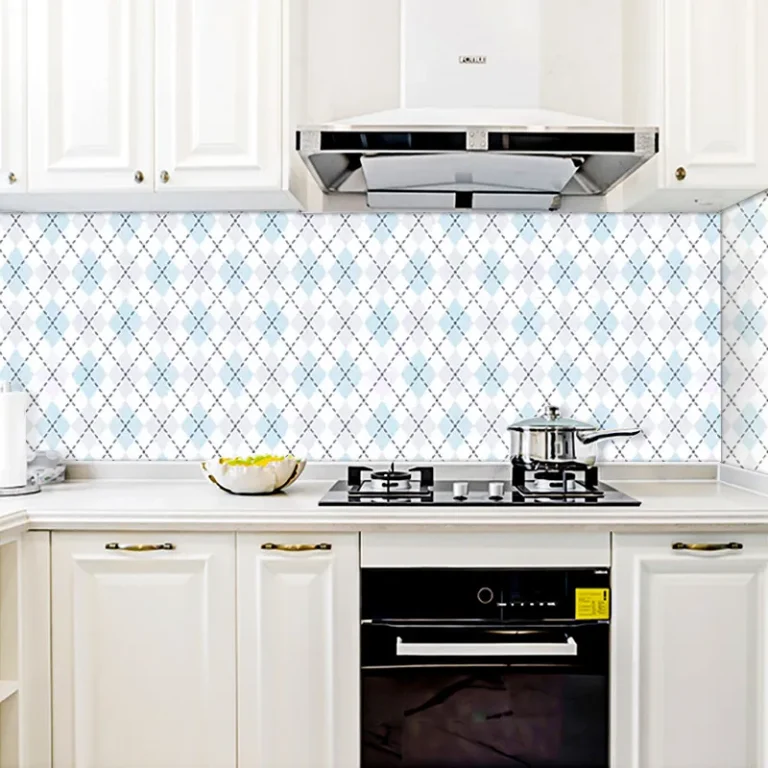
High Gloss PVC Film is a premium surface finishing material known for its brilliant, mirror-like shine and exceptional durability. This versatile polymer film combines aesthetic appeal with practical performance, making it a popular choice across numerous industries. Its high reflectivity and smooth surface create a luxurious appearance that enhances the visual impact of any product or interior space.
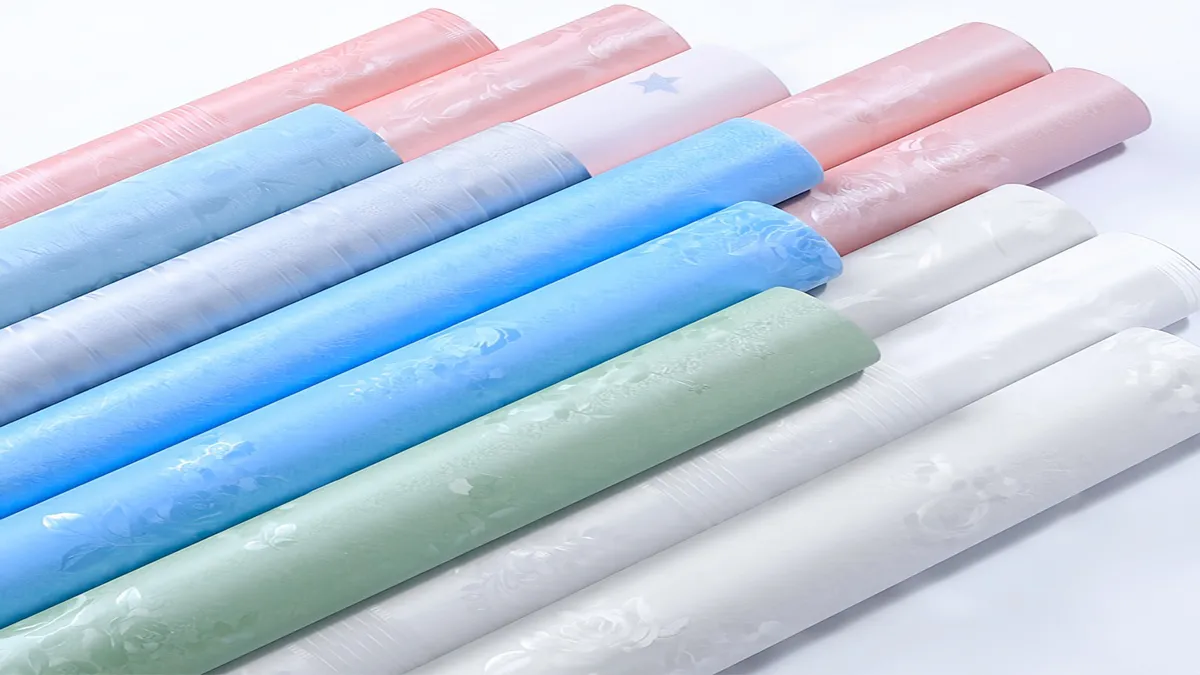
The popularity of high gloss film stems from its unique combination of physical and chemical properties. Understanding these characteristics is essential for selecting the right material for your application.
The most defining feature is its highly reflective, mirror-like finish that creates depth and luminosity. This finish is not merely a coating but is integrated into the film’s surface during the calendering process, ensuring consistency and longevity. The gloss level is typically measured in gloss units (GU), with high gloss films often exceeding 90 GU at a 60-degree measurement angle.
✔ Color Vibrancy: Intensifies underlying colors, making them appear richer and more saturated.
✔ Depth Perception: Creates an illusion of depth, making surfaces appear more three-dimensional.
✔ Light Reflection: Maximizes light reflection, brightening interior spaces naturally.
✔ Clean Appearance: Presents a sleek, modern look that appeals to contemporary design sensibilities.
Beyond its appearance, high gloss PVC film offers substantial mechanical advantages. It exhibits excellent tensile strength and tear resistance, allowing it to withstand handling and installation stresses. The film maintains flexibility across a wide temperature range, preventing cracking or brittleness in various environments. Its dimensional stability ensures it won’t shrink or warp significantly after application, crucial for large surface coverings.
High gloss films are formulated to resist common household and industrial chemicals, including mild acids, alkalis, oils, and many solvents. This makes them suitable for kitchen environments where anti-oil properties are valuable. They also offer good UV resistance when properly stabilized, though prolonged direct sunlight exposure may gradually diminish gloss levels over extended periods.
The versatility of high gloss PVC film enables its use in diverse sectors, each leveraging its unique properties for specific benefits.
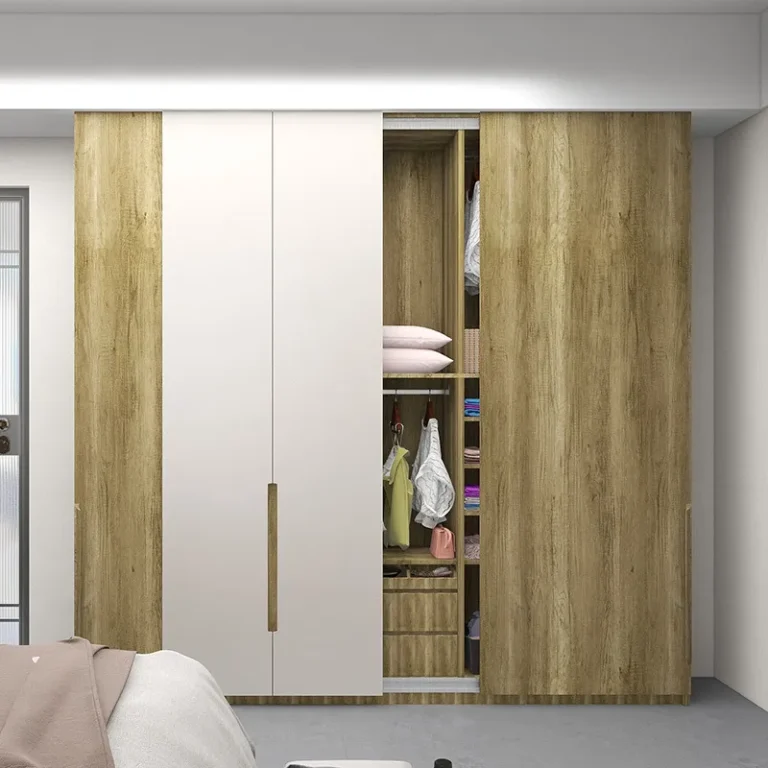
In furniture production, high gloss film creates luxurious surfaces for cabinets, wardrobes, tables, and decorative panels. The glossy wardrobe film application is particularly popular in modern bedroom and storage solutions. The reflective surface makes spaces appear larger and brighter, while the durable finish resists scratches, stains, and daily wear. Manufacturers appreciate how it can transform medium-density fiberboard (MDF) or particle board into high-end looking products at a fraction of the cost of lacquered finishes.
Architects and interior designers utilize high gloss film for feature walls, column covers, ceiling panels, and decorative accents. Its light-reflecting properties help enhance natural and artificial lighting in commercial and residential spaces. The film can be applied to various substrates including gypsum board, plywood, and existing surfaces for renovation projects. For flooring applications, specific formulations provide slip resistance while maintaining visual appeal, complementing products like vinyl kitchen flooring.
The retail sector employs high gloss film for signage, point-of-purchase displays, exhibition stands, and product showcases. Its reflective surface draws attention and creates a premium perception that enhances brand image. The material’s printability allows for vibrant graphics and logos that maintain their brilliance under store lighting conditions.
Within vehicles, high gloss film creates durable, easy-to-clean surfaces for dashboard accents, door panels, and trim elements. The material withstands temperature fluctuations and UV exposure while maintaining its appearance. Its weight advantage over alternative materials contributes to fuel efficiency goals in automotive design.
Consumer electronics and home appliances benefit from the sleek, modern appearance of high gloss film on control panels, housing surfaces, and decorative trims. The film can be engineered with specific properties like anti-fingerprint coatings or anti-static characteristics for technical applications.
Cost-Effective Luxury: Delivers high-end appearance without the expense of polished metals or lacquered finishes.
Design Flexibility: Available in numerous colors and can be combined with textures like the 3D silk texture film for unique effects.
Easy Maintenance: Smooth surface resists dirt accumulation and cleans easily with mild detergents.
Installation Versatility: Can be applied using various adhesives or through vacuum forming processes.
Selecting the right high gloss PVC film requires careful consideration of technical specifications, supplier capabilities, and application requirements.
Begin by examining the film’s thickness, typically ranging from 0.1mm to 0.5mm for different applications. Thicker films offer greater durability and embossing depth but may be less flexible. Verify the gloss level measurement to ensure it meets your aesthetic requirements. Consider the film’s tensile strength, elongation at break, and tear resistance for your specific use case. For outdoor or UV-exposed applications, inquire about UV stabilizer content and expected lifespan before gloss reduction occurs.
Modern high gloss films offer various surface treatments to enhance performance. Anti-scratch coatings protect against abrasion from daily use. Anti-fingerprint treatments reduce visible smudges on frequently touched surfaces. For kitchen and bathroom applications, consider films with enhanced moisture resistance or mold-inhibiting properties. Some films incorporate self-adhesive backings for easier installation, while others require separate adhesive application.
Color matching is crucial for projects requiring multiple batches or replacement panels. Reputable suppliers should provide color standards and maintain batch-to-batch consistency. Standard color ranges typically include pure whites, jet blacks, and primary colors, while custom color matching may be available for larger orders. Consider whether you need opaque films or translucent options that allow underlying patterns or lighting effects to show through.
When selecting a supplier, assess their manufacturing capabilities, quality control processes, and industry experience. Companies with integrated production from calendering to finishing typically offer better quality control. Inquire about their testing protocols for adhesion, color fastness, and mechanical properties. Review their portfolio of completed projects similar to yours. For architectural applications, verify compliance with relevant fire safety and building material regulations in your region.
✅ Surface Inspection: Check for consistent gloss without dull spots or irregularities.
✅ Edge Quality: Examine roll edges for neat winding without fraying or damage.
✅ Adhesive Performance: Test adhesion to your specific substrate if applicable.
✅ Chemical Resistance: Verify resistance to cleaners or substances in the application environment.
✅ Documentation: Request technical data sheets and compliance certificates.
While price per square meter is important, consider total cost of ownership including installation efficiency, durability, and maintenance requirements. Higher quality films may have a higher initial cost but offer better long-term value through extended service life and reduced replacement needs. For large projects, inquire about volume discounts or roll quantity pricing. Consider the cost implications of custom colors or sizes versus standard offerings.
Always request physical samples before placing significant orders. Evaluate samples under the actual lighting conditions where they will be installed. Perform adhesion tests if applicable, and expose samples to expected environmental conditions (cleaning agents, moisture, temperature variations). For color-critical applications, view samples alongside other materials in the space. Reputable suppliers like those offering specialty finishes typically provide samples for qualified inquiries.
Proper installation maximizes the performance and longevity of high gloss PVC film. Surface preparation is critical—ensure substrates are clean, dry, smooth, and free from dust or oils. For adhesive-backed films, use the recommended application temperature range, typically between 15°C and 35°C. Apply using appropriate tools like squeegees to remove air bubbles, working from the center outward. For large panels, consider professional installation to achieve seamless results. Allow proper curing time before exposing to stress or cleaning.
Maintain the film’s brilliance with regular care using soft, non-abrasive cloths and mild, non-alkaline cleaners. Avoid abrasive pads, steel wool, or harsh chemicals that could damage the surface. For stubborn stains, test cleaning solutions on inconspicuous areas first. Protect surfaces from sharp objects and excessive force that could cause scratches or punctures. In high-traffic areas, consider periodic application of compatible protective coatings to renew the surface.
Modern high gloss PVC films increasingly address environmental concerns through phthalate-free formulations, recyclable compositions, and reduced heavy metal content. Many manufacturers now offer films compliant with international standards like REACH, RoHS, and Green Guard. When evaluating environmental impact, consider the film’s lifespan compared to alternatives—durable films that last longer may have lower overall environmental impact despite their material composition. Some films incorporate recycled content without compromising performance.
With proper installation and maintenance, high gloss PVC film can last 5-15 years in interior applications, depending on environmental conditions and traffic levels. UV-stabilized formulations for exterior or sun-exposed applications typically maintain their appearance for 3-8 years before noticeable gloss reduction occurs.
Yes, many high gloss films offer sufficient flexibility for application to gently curved surfaces. The specific radius possible depends on film thickness and formulation—thinner films generally accommodate tighter curves. For complex curves, consult with suppliers about specialized grades or consider vacuum forming techniques for optimal results.
High gloss film offers several advantages over traditional lacquers: faster application without drying time, more consistent appearance without brush marks or orange peel effect, better chemical resistance in many cases, and easier repair through section replacement rather than complete refinishing. Lacquer may offer deeper perceived depth but requires more skilled application and longer curing times.
Specially formulated high gloss films with enhanced moisture resistance are suitable for bathroom applications, particularly for vanity surfaces, accent walls, and decorative elements. However, they are not recommended for continuous water immersion areas like shower walls. Always verify the specific product’s moisture resistance rating and ensure proper sealing at edges and seams.
Minor surface scratches can often be minimized using specialized polishing compounds designed for high gloss films. Deeper scratches may require partial replacement of the affected section. Some manufacturers offer repair kits for their specific products. Preventive measures like using protective pads under objects and regular cleaning with soft materials reduce scratch occurrence.