Address
304 North Cardinal St.
Dorchester Center, MA 02124
Work Hours
Monday to Friday: 7AM - 7PM
Weekend: 10AM - 5PM
Address
304 North Cardinal St.
Dorchester Center, MA 02124
Work Hours
Monday to Friday: 7AM - 7PM
Weekend: 10AM - 5PM


 ByPulivk
Self-adhesive PVC films, a versatile and increasingly popular material, offer a simple yet effective solution for surface transformation across countless applications. These films consist of a polyvinyl chloride (PVC) layer backed with a pressure-sensitive adhesive, protected by a release liner. Their ease of application—often requiring just a clean surface, measurement, and careful smoothing—has made them a favorite for DIY enthusiasts and professionals alike. From reviving old furniture to creating stunning feature walls, the possibilities are nearly endless.
The world of self-adhesive PVC films is rich with variety, designed to meet different aesthetic preferences and functional needs. Understanding the types available is the first step in selecting the perfect film for your project.
Glossy Films provide a high-shine, reflective surface that is easy to clean, making them ideal for kitchen cabinets, appliances, and modern furniture where a sleek, contemporary look is desired.
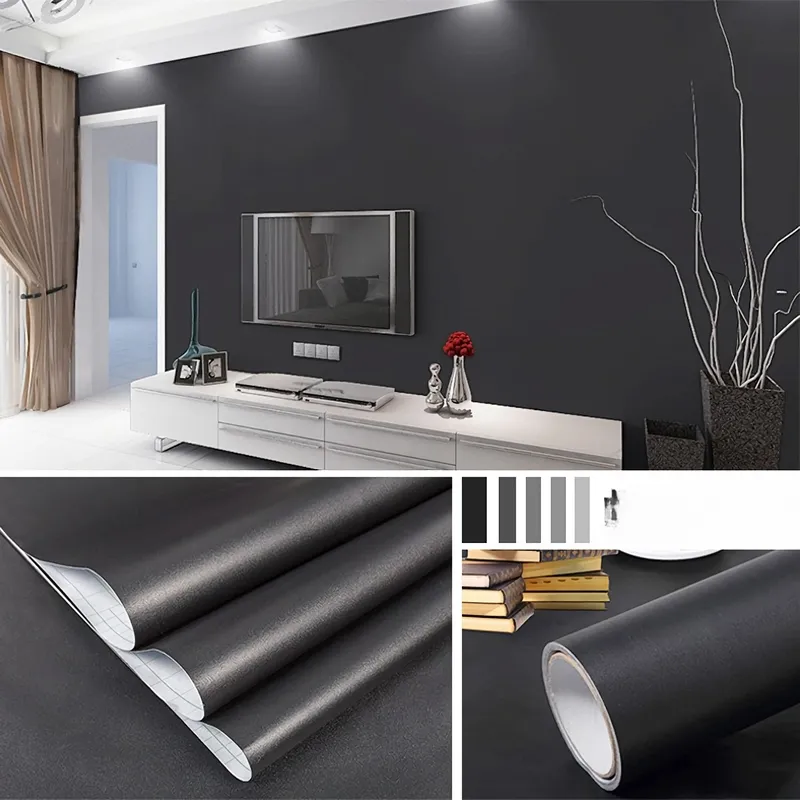
Matte or Satin Films offer a soft, non-reflective finish. They are excellent for hiding fingerprints and minor imperfections, perfect for office furniture, bedroom sets, and areas where a subdued, elegant aesthetic is preferred.
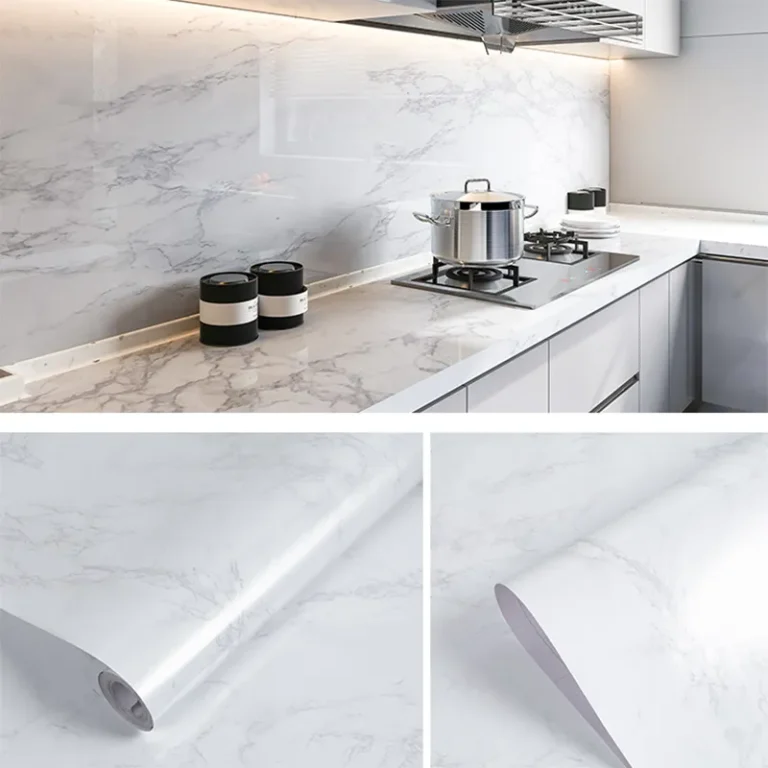
Textured Films replicate the feel and appearance of other materials. This category includes wood grain films for a warm, natural look, marble films for luxury accents, and fabric or leather textures for added tactile appeal.
Solid Color Films: These are the workhorses of the category, available in every hue imaginable. They are used for bold color blocking, creating accent walls, or providing a uniform base color for furniture and fixtures.
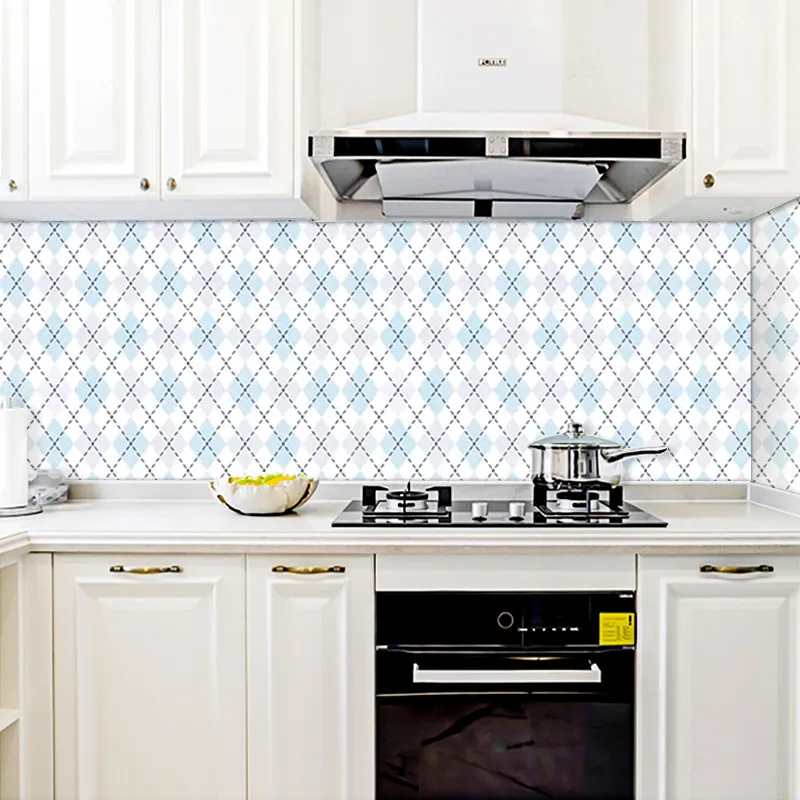
Decorative and Printed Films: This is where creativity shines. Films can feature geometric patterns, floral designs, abstract art, or photographic prints. They are a cost-effective way to add dramatic visual interest to a room without permanent commitment.
Metallic and Specialty Films: Including chrome, brushed aluminum, or copper finishes, these films add an industrial or high-tech vibe. Other specialties include 3D texture films that create depth and visual intrigue on flat surfaces.
Beyond looks, many films are engineered for specific environments. Waterproof and oil-proof films are essential for kitchens and bathrooms, protecting surfaces from moisture and stains. Anti-static films are crucial in electronic workshops or server rooms. Fire-retardant films enhance safety in commercial spaces, while UV-resistant films prevent fading when used in sun-exposed areas.
The application of self-adhesive PVC films is limited only by imagination. Their affordability and ease of use have led to widespread adoption.
This is the most common arena. Homeowners use films to update kitchen cabinets and countertops without the cost of replacement. Applying a kitchen anti-oil film behind the stove is a smart protective measure. They are perfect for creating accent walls, refurbishing old furniture like dressers and tables, lining shelves and drawers, and even covering PVC skirting boards to match new décor.
Businesses leverage films for quick, low-disruption branding and refurbishment. They are used to wrap retail counters, display units, and office furniture. In hospitality, films can refresh hotel room furniture, elevator interiors, and restaurant tables. Their durability makes them suitable for high-traffic areas.
Here, function often precedes form. Films are used as protective layers on machinery, control panels, and electronic enclosures. They provide electrical insulation, chemical resistance, and easy-to-clean surfaces in laboratories and manufacturing facilities. Specific films are also used in vehicle interior customization and signage.
Selecting the correct self-adhesive PVC film ensures a successful, long-lasting result. Consider these key factors before purchasing.
Ask critical questions: Will it be used indoors or outdoors? Outdoor films need UV resistance. Is it for a high-moisture area like a kitchen or bathroom? Choose 100% waterproof films with strong adhesive. Will the surface be subject to heat, abrasion, or chemicals? Select films with appropriate protective properties. For example, a vinyl kitchen flooring film must be durable, waterproof, and slip-resistant.
Films adhere best to smooth, non-porous surfaces like laminate, glass, metal, and sealed wood. Porous surfaces like raw wood or unprimed drywall may require priming or a specific high-tack adhesive. Always test a small sample first to check adhesion and ensure the film does not damage the underlying surface upon removal.
Thickness: Measured in microns (µm) or mils. Thicker films (150-200µm) are more durable and better at hiding surface imperfections but can be harder to apply on curved surfaces. Thinner films (80-100µm) are more flexible and easier to handle.
Adhesive Type: Permanent adhesive offers the strongest bond for long-term applications. Removable adhesive allows for clean removal and repositioning, ideal for rentals or temporary décor. The adhesive’s performance can also vary with temperature.
Width and Length: Films come in rolls of standard widths. Measure your project area carefully and choose a width that minimizes seams. Consider buying from a supplier like Pulivk Film that offers custom sizing to reduce waste.
Not all films are created equal. High-quality films from reputable manufacturers like Pulivk Film use environmentally friendly, phthalate-free PVC and non-toxic inks. They comply with international safety standards (e.g., REACH, RoHS), which is crucial for indoor use, especially in children’s spaces or kitchens. Look for certifications and request Material Safety Data Sheets (MSDS) if needed.
Examine color and pattern samples under the lighting conditions of the intended space. Colors can look different in showroom lighting versus your home’s natural light. For areas with sun exposure, verify the film’s light fastness rating to ensure the color won’t fade prematurely.
Successful application requires the right tools: a sharp utility knife, a plastic squeegee or felt-edged applicator, a tape measure, and a spirit level. For large or complex projects, a spray bottle with a mild soapy water solution can be used for the “wet application” method, allowing for repositioning before the adhesive sets.
The durability depends heavily on the film’s quality, thickness, and the application environment. A high-quality, thick film applied correctly to a suitable indoor surface can last 5-10 years or more. In high-wear areas (e.g., kitchen countertops), it may show signs of wear sooner. Outdoor applications have a shorter lifespan due to UV exposure and weather elements.
Films with removable adhesive are designed for clean removal. For films with permanent adhesive, removal can be more challenging. The key is gentle heat: use a hairdryer or heat gun to warm the film, which softens the adhesive, allowing you to slowly peel it back at a low angle. Any residual adhesive can be removed with a citrus-based cleaner or isopropyl alcohol, always testing on a small area first.
Yes, provided you choose a film specifically certified as food-safe or compliant with relevant standards (like FDA guidelines for indirect food contact). These films are made with non-toxic materials and stable plasticizers. Always check the manufacturer’s specifications for intended use. For example, a film meant for a backsplash is different from one suitable for lining a refrigerator shelf.
Applying film to textured surfaces is difficult and often not recommended, as the adhesive cannot make full contact, leading to bubbling and poor adhesion. For lightly curved surfaces (e.g., the edge of a cabinet door), thinner, more flexible films can conform if applied carefully with heat and tension. For complex curves, professional installation or considering an alternative material is advisable.
Maintenance is simple. For daily cleaning, a soft cloth dampened with a mild soap and water solution is sufficient. Avoid abrasive scrubbers, steel wool, or harsh chemical cleaners (like acetone or bleach-based products), as they can scratch or degrade the film’s surface. For glossy films, a microfiber cloth will keep the shine without streaks.