Address
304 North Cardinal St.
Dorchester Center, MA 02124
Work Hours
Monday to Friday: 7AM - 7PM
Weekend: 10AM - 5PM
Address
304 North Cardinal St.
Dorchester Center, MA 02124
Work Hours
Monday to Friday: 7AM - 7PM
Weekend: 10AM - 5PM


 ByPulivk
Polyvinyl Chloride (PVC) sheet film stands as one of the most versatile and widely used synthetic materials in the modern world. Its unique combination of durability, flexibility, chemical resistance, and cost-effectiveness has made it an indispensable component across countless industries. From the sleek finish on your kitchen cabinets to the protective layer on electronic devices, PVC film plays a crucial yet often unseen role. This guide delves deep into the world of PVC film, exploring its various types, extensive applications, and the custom solutions that make it a go-to material for designers, engineers, and manufacturers globally.
At its essence, PVC film is a thin, flexible sheet manufactured from polyvinyl chloride resin, combined with plasticizers, stabilizers, and other additives to achieve specific properties. The manufacturing process, primarily calendering, involves passing the heated PVC compound through a series of rollers to form a continuous sheet of precise thickness and surface finish. This process allows for incredible versatility, enabling the production of films that are rigid or soft, transparent or opaque, glossy or matte.
Key Characteristic: The properties of PVC film—such as its tensile strength, flexibility, flame retardancy, and weatherability—are not fixed. They are carefully engineered during formulation and production to meet the exact demands of the end-use application, making it a truly customizable material.
The diversity of PVC film is its greatest strength. It can be categorized in several ways, each highlighting a different aspect of its functionality.
Calendered Film: The most common type, produced by the calendering process. It offers excellent dimensional stability, surface consistency, and is ideal for high-volume applications like furniture laminates and flooring.
Cast Film: Made by spreading a liquid PVC compound onto a moving belt. It typically offers superior clarity and a softer feel, often used for protective and packaging films.
Monolayer vs. Multilayer Film: Monolayer films consist of a single material layer, while multilayer films combine different PVC formulations or other materials (like fabrics) via lamination. Multilayer films provide enhanced properties, such as a soft-touch surface over a rigid core or a decorative layer bonded to a durable backing.
This is where PVC film shines in decorative applications. The surface can be treated to mimic natural materials or create unique visual and tactile effects.
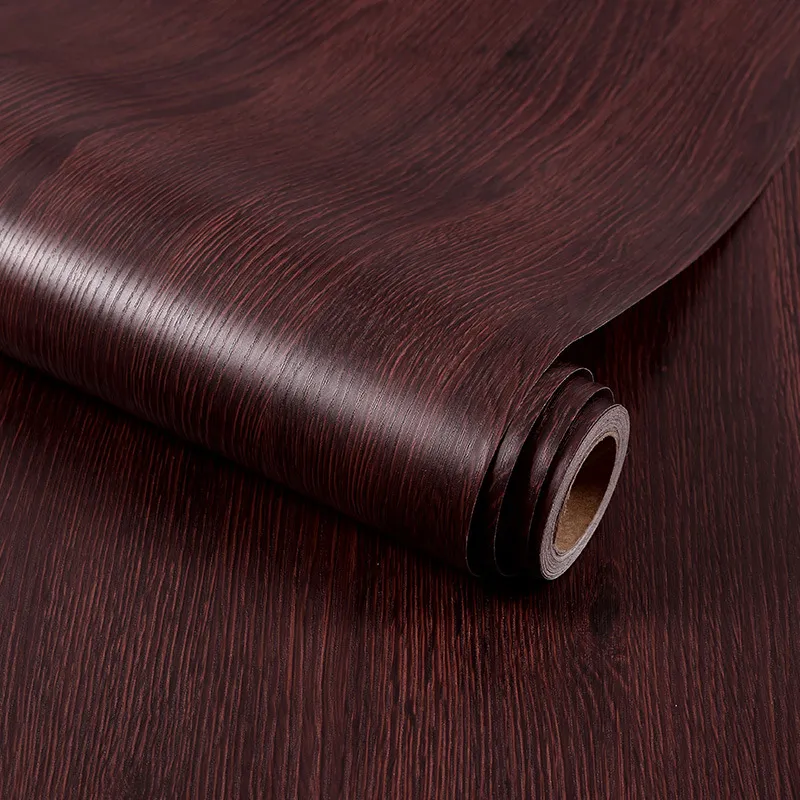
✅ Wood Grain Film: Realistically replicates the look of oak, walnut, maple, and other woods, offering a cost-effective and consistent alternative to natural veneers.
✅ Glossy & Matte Film: Glossy finishes provide a high-shine, reflective surface that enhances color vibrancy, while matte finishes offer a sophisticated, non-reflective look that hides fingerprints and minor imperfections.
✅ Textured Films: Includes 3D textures, linen, leather, and geometric patterns. These add depth and a tactile quality to surfaces, improving grip and aesthetic appeal.
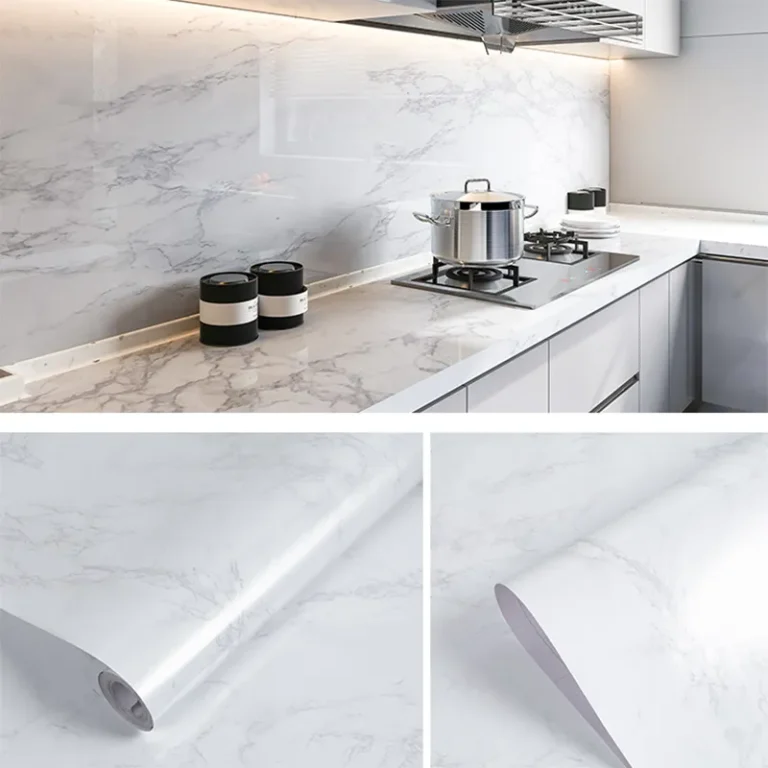
✅ Metallic & Specialty Films: Films with metallic foils, pearlescent effects, or marble patterns cater to high-design applications in retail and hospitality.
Beyond looks, PVC films are engineered for performance.
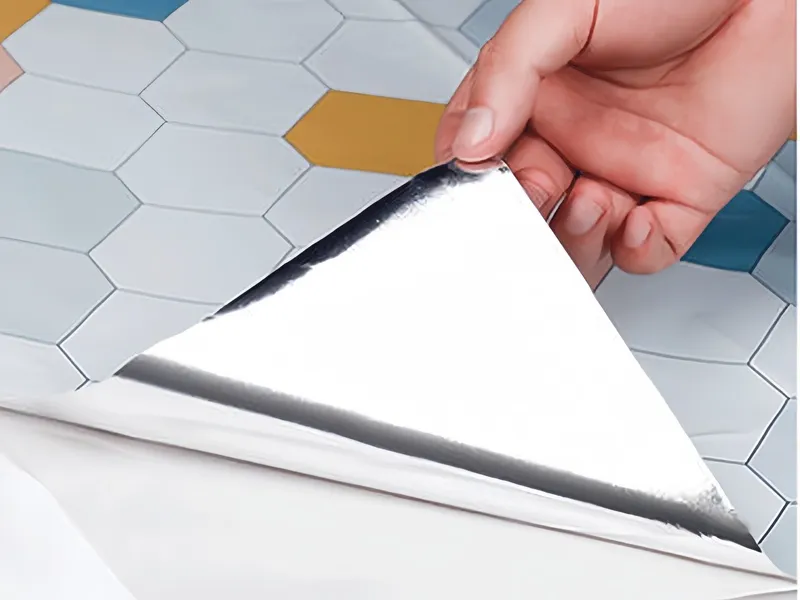
🔹 Self-Adhesive Films: Feature a pressure-sensitive adhesive backing for easy application to walls, furniture, and signs without additional glue.
🔹 Anti-Static & Conductive Films: Essential in electronics manufacturing and cleanrooms to prevent damage from electrostatic discharge.
🔹 Chemical & Scratch-Resistant Films: Used on surfaces exposed to harsh cleaners, abrasion, or high traffic, such as laboratory countertops or public furniture.
🔹 Food-Grade & Medical Films: Formulated to be non-toxic, compliant with regulations like FDA standards, and suitable for food packaging or medical device surfaces.
The utility of PVC film spans from industrial to deeply personal spaces, transforming both function and form.
This is one of the largest application areas. PVC films are laminated onto particleboard, MDF, or plywood to create finished surfaces for cabinets, wardrobes, tables, and shelving. Glossy wardrobe films and wood grain films are particularly popular. They offer an endless array of design options without the cost and variability of natural materials. Similarly, as wall coverings or decorative panels, they provide durable, washable, and stylish alternatives to paint or traditional wallpaper.
In construction, PVC films contribute to both aesthetics and protection. They are used as waterproof membranes, protective layers for insulation materials, and decorative laminates for wall cladding, ceiling panels, and door skins. Specialized films like skirting board films allow for color matching and easy maintenance. Flooring films are a critical component in luxury vinyl tile (LVT) and sheet flooring, providing the wear layer and the decorative print layer that mimics wood, stone, or abstract designs.
The printability and durability of PVC film make it ideal for the visual communication industry. It is used for backlit sign boxes, point-of-purchase displays, vehicle wraps, window graphics, and exhibition stands. Its ability to be printed with vibrant, fade-resistant inks and its suitability for both indoor and outdoor use (with proper treatment) make it a staple for brand promotion.
Inside vehicles, PVC films are used for instrument panel coverings, door trim, and decorative interior accents. They are chosen for their durability, ease of cleaning, and ability to be formed into complex shapes. Externally, protective films are applied to painted surfaces to guard against stone chips and scratches during shipping and early ownership.
This broad category includes membrane switch overlays (the printed graphic layer on control panels), insulation for wires and components, protective masking during manufacturing processes, and hygienic, cleanable surfaces for medical equipment and laboratory furniture.
Off-the-shelf products serve many needs, but the true potential of PVC film is unlocked through customization. Leading manufacturers like Pulivk Film offer comprehensive OEM/ODM services to deliver solutions that are a perfect fit for a project’s unique requirements.
Physical Dimensions: Thickness (from ultra-thin films to heavy-duty sheets), width, and roll length can be specified to minimize waste and optimize production efficiency for the client.
Color & Design: An unlimited color palette can be matched using Pantone codes or physical samples. Custom patterns, logos, and graphic designs can be printed with high fidelity using advanced rotogravure or digital printing techniques.
Surface Texture & Finish: Beyond standard gloss and matte, custom embossing rolls can be created to produce unique textured effects, from subtle leather grains to pronounced 3D patterns.
Functional Additives: Films can be engineered with additives for UV resistance, anti-fog properties, enhanced flame retardancy (to meet specific building codes), or low-temperature flexibility.
Adhesive Systems: The type of adhesive (permanent, removable, high-tack, low-tack), its application method, and the release liner can all be tailored to the substrate and application environment.
The Customization Workflow: A successful custom project typically follows a collaborative path: 1) Consultation to understand application needs and challenges. 2) Material Specification and formulation development. 3) Sample Production for testing and approval. 4) Pilot Run to ensure manufacturing consistency. 5) Full-Scale Production and delivery. This process ensures the final product performs exactly as intended.
Selecting a supplier for PVC film, especially for custom projects, involves evaluating more than just a product catalog. Key considerations include:
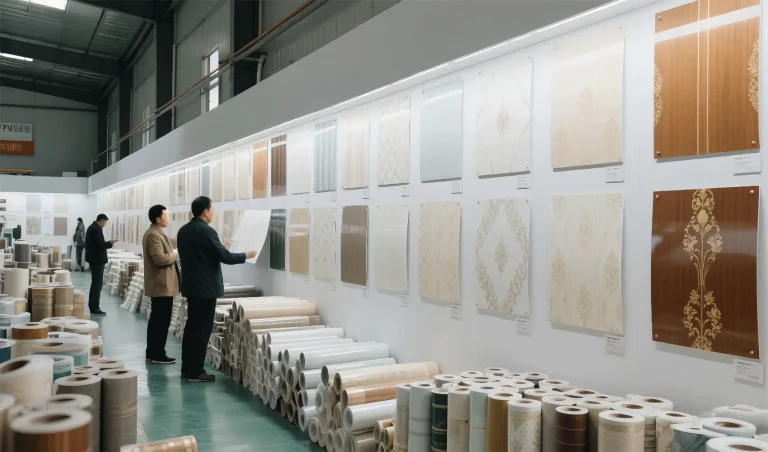
🔸 In-House Production Capability: Suppliers with integrated control over calendering, printing, and finishing (like Pulivk Film) ensure better quality consistency, faster turnaround, and more responsive problem-solving.
🔸 Technical Expertise & Support: The ability to provide application guidance, troubleshoot issues, and co-develop solutions is invaluable.
🔸 Quality Assurance & Certifications: Look for ISO 9001 certification, compliance with relevant safety standards (REACH, RoHS, FDA for specific uses), and a transparent quality control process from raw material inspection to final shipment.
🔸 Sustainability Commitment: Inquire about the use of recycled content, phthalate-free plasticizers, and the overall environmental policy of the manufacturer.
Calendered film is produced by pressing molten PVC between heavy rollers, resulting in a film with excellent dimensional stability and a slightly stiffer feel, ideal for lamination. Cast film is made by spreading a liquid PVC mixture onto a belt, yielding a film with superior clarity, a softer hand feel, and often better conformability to irregular surfaces, making it common for protective and packaging applications.
Yes, but it must be specifically formulated for outdoor use. Standard PVC films can degrade when exposed to prolonged UV radiation. Outdoor-grade films contain UV stabilizers and additives to resist fading, embrittlement, and loss of flexibility. Always confirm the film’s weather resistance rating with your supplier for exterior projects.
Surface preparation is critical for adhesion and longevity. The surface must be clean, dry, smooth, and free of dust, oil, wax, or loose particles. Wash with a mild detergent, rinse thoroughly, and allow to dry completely. For porous or problematic surfaces, the supplier may recommend a specific primer. Applying the film at the recommended temperature (usually between 18°C and 25°C) is also crucial.
The environmental profile of PVC is complex. Modern manufacturers are addressing concerns by producing phthalate-free films, using stabilizers based on calcium-zinc instead of heavy metals, and incorporating recycled PVC content. PVC film is also durable and long-lasting, which can be a sustainable choice by reducing replacement frequency. End-of-life recycling streams for PVC are developing, and responsible suppliers can provide information on their specific environmental initiatives and product certifications.
To receive a precise quotation and sample, be prepared to specify: Application (e.g., furniture door, wall covering), Required Properties (thickness, width, tensile strength, flame rating), Aesthetic Details (color code/Pantone, finish, texture), Adhesive Requirements (if any), Estimated Annual Volume, and any relevant Regulatory Certifications needed (e.g., FDA, UL).