Address
304 North Cardinal St.
Dorchester Center, MA 02124
Work Hours
Monday to Friday: 7AM - 7PM
Weekend: 10AM - 5PM
Address
304 North Cardinal St.
Dorchester Center, MA 02124
Work Hours
Monday to Friday: 7AM - 7PM
Weekend: 10AM - 5PM


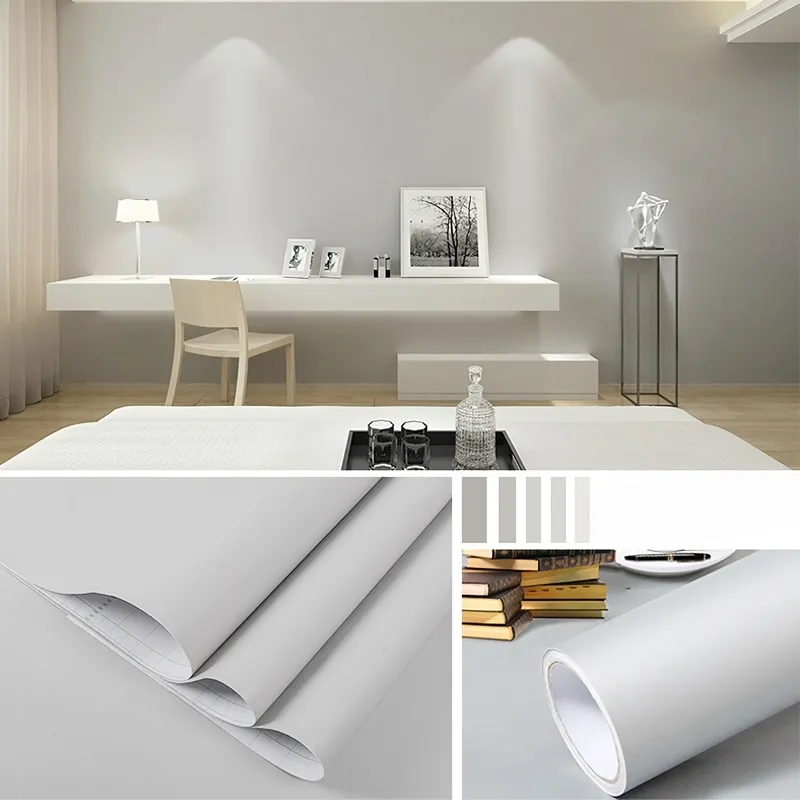
Clear PVC film is a remarkably versatile and transparent plastic sheet made from Polyvinyl Chloride. Its clarity, durability, and flexibility have made it an indispensable material across countless industries, from protecting products during shipping to creating stunning visual displays. This ultimate guide will delve into its many uses, explore the different types available, and provide essential tips for making an informed purchase.
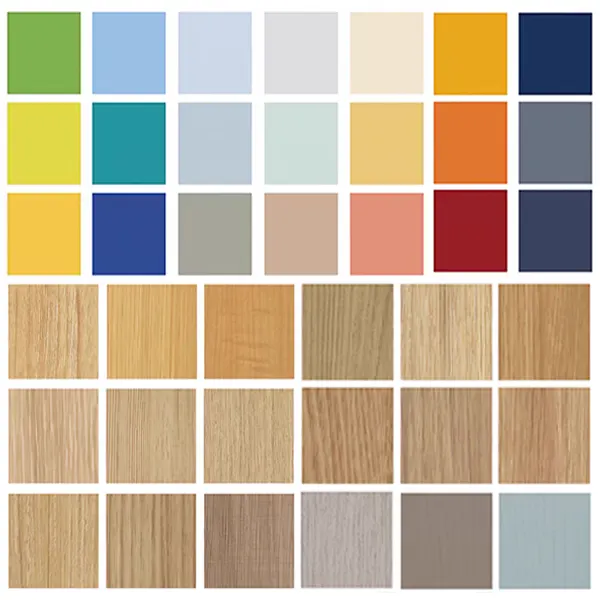
At its core, clear PVC film is a thermoplastic polymer film prized for its excellent transparency and strength. It is manufactured through processes like calendering, where molten PVC is pressed between rollers to achieve a uniform thickness and smooth surface. Unlike standard plastics, PVC films can be formulated with various additives to enhance properties like UV resistance, flexibility, or anti-fog capabilities, making them suitable for both indoor and outdoor applications.
→ High Clarity & Gloss: Offers glass-like transparency for unobstructed visibility.
→ Durability & Tear Resistance: Strong and resilient, often outperforming polyethylene films.
→ Water & Chemical Resistance: Impervious to moisture and resistant to many oils and chemicals.
→ Flexibility & Formability: Can be easily thermoformed, welded, or sewn.
→ Printability: Accepts inks and coatings excellently for branding and labeling.
The utility of clear PVC film spans from industrial packaging to creative DIY projects. Its protective and aesthetic qualities are leveraged in numerous sectors.
This is one of the most common uses. Clear PVC film is used for blister packs, clamshell packaging, and shrink wraps to protect electronics, hardware, cosmetics, and food items. It keeps products clean, secure, and visible for retail appeal. In industrial settings, it serves as a protective layer for machinery and sensitive components during storage or transit.
Due to its clarity and printability, it is a favorite material for banners, point-of-sale displays, window graphics, and backlit signs. It can be used as an overlay to protect printed materials or directly printed on for vibrant, durable advertisements.
In construction, clear PVC film is used as a temporary protective cover for floors, windows, and fixtures to prevent damage from paint, dust, and debris. In interior design, it finds use in temporary floor protection during renovations. Specialized types can also be used for waterproofing or as a component in laminated safety glass.
Its flexibility and ease of use make it popular for book covers, report binders, and craft projects. Hobbyists use it for scrapbooking, creating stencils, or making waterproof maps and charts.
Medical-grade clear PVC is used for IV bags, sterile packaging, and protective barriers. Anti-static clear PVC is critical in electronics manufacturing to prevent damage from electrostatic discharge.
Not all clear PVC films are created equal. Variations in formulation and manufacturing lead to different types, each suited for specific tasks.
This type has minimal plasticizers, resulting in a stiff, hard material. It’s often used for thermoforming applications like blister packs, clamshells, and product boxes where structural integrity is needed. It offers excellent clarity and dimensional stability.
Contains plasticizers to make it soft, pliable, and easy to handle. This is the type commonly used for shrink wrap, tablecloth covers, rainwear, and inflatable products. It can range from slightly soft to very stretchy.
Manufactured to have exceptional optical clarity with minimal distortion or cloudiness. This premium film is used for high-end retail packaging, touch screen overlays, and protective covers for digital displays where perfect visibility is paramount.
Formulated with additives to resist degradation from sunlight. This type is essential for any outdoor application, such as signage, patio furniture covers, or greenhouse windows, to prevent yellowing and brittleness over time.
Treated with a coating or additive that prevents condensation from forming droplets, ensuring continued clarity in humid environments. Ideal for food packaging, greenhouse windows, or protective covers in refrigerated areas.
Selecting the right clear PVC film requires careful consideration of your project’s specific needs. Here’s what to look for:
Start by asking: What is the primary purpose? Is it for protective packaging, outdoor signage, or food contact? The answer will dictate the necessary properties—thickness, flexibility, UV resistance, and regulatory compliance (like FDA approval for food-grade uses).
Thickness is typically measured in mils (thousandths of an inch) or microns. A thicker film (e.g., 10-20 mil) is more durable and puncture-resistant, suitable for heavy-duty packaging or tarps. A thinner film (2-5 mil) is more economical and flexible, ideal for lightweight bundling or simple covers. Always request samples to feel the material’s heft.
For display or retail applications, optical clarity is critical. Request samples to check for haze, yellow tint, or surface imperfections. If you plan to print on the film, ensure the surface treatment (corona treatment) is suitable for your inks to achieve good adhesion.
Does your project require special features? For outdoor use, UV stabilization is non-negotiable. For electronics handling, specify anti-static film. For cold environments, an anti-fog variant is necessary. Communicate these needs clearly to your supplier.
Partner with an experienced producer like Pulivk Film, which controls the entire production process from calendering to finishing. A manufacturer with strong quality control measures ensures batch-to-batch consistency, reliable performance, and access to technical support. Inquire about their testing protocols and compliance certificates.
Many projects require specific roll widths, lengths, or custom printing. Reputable suppliers offer OEM/ODM services to tailor the film to your exact specifications. Always clarify the Minimum Order Quantity (MOQ), especially for custom orders, and ask about sample availability to test before committing to a large purchase.
While both are clear plastic films, PVC is generally stronger, more rigid, has better clarity, and offers superior resistance to oils and chemicals. PE film is softer, more stretchy, and often less expensive, but it can be hazy and is not as durable. PVC also accepts printing and welding more readily.
It can be, but you must specifically request food-grade clear PVC film. This type is manufactured with non-toxic stabilizers and plasticizers that comply with regulations like FDA standards. Never assume a standard industrial PVC film is safe for direct food contact.
Recycling PVC film can be challenging due to the variety of additives used. It is not typically accepted in curbside recycling programs. However, some specialized facilities can process it. The best practice is to check with local waste management authorities or the film manufacturer for end-of-life disposal or recycling recommendations.
This is known as “blocking.” It can be prevented by using film with a micro-roughened (embossed) surface or an anti-block additive. Proper storage in a cool, dry place away from direct sunlight and heavy weights also helps. Your supplier should be able to provide a non-blocking film if this is a concern for your application.
Lead times vary based on order size, complexity, and the manufacturer’s schedule. For standard items, it could be 1-2 weeks. For fully customized films involving new color matching or formulation, it may take 4-6 weeks. Always confirm the production and delivery timeline with your supplier during the quotation process.