Address
304 North Cardinal St.
Dorchester Center, MA 02124
Work Hours
Monday to Friday: 7AM - 7PM
Weekend: 10AM - 5PM
Address
304 North Cardinal St.
Dorchester Center, MA 02124
Work Hours
Monday to Friday: 7AM - 7PM
Weekend: 10AM - 5PM


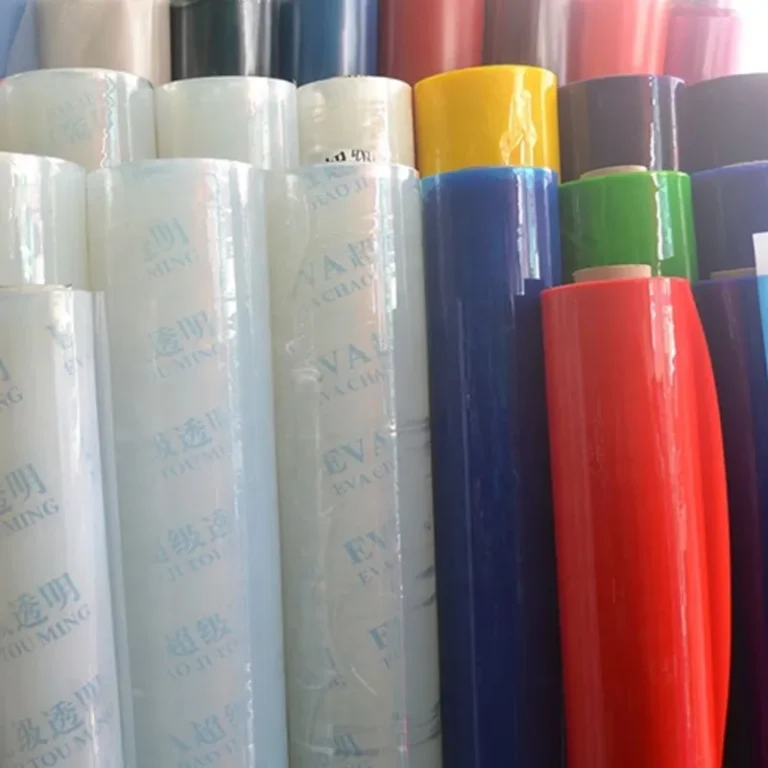
Clear PVC film rolls are a cornerstone material in modern manufacturing and design, offering a versatile and cost-effective solution for countless applications. Their inherent transparency, durability, and adaptability make them indispensable across industries from furniture and construction to advertising and healthcare. This guide delves into the essential uses, available types, and key considerations for purchasing high-quality clear PVC film.
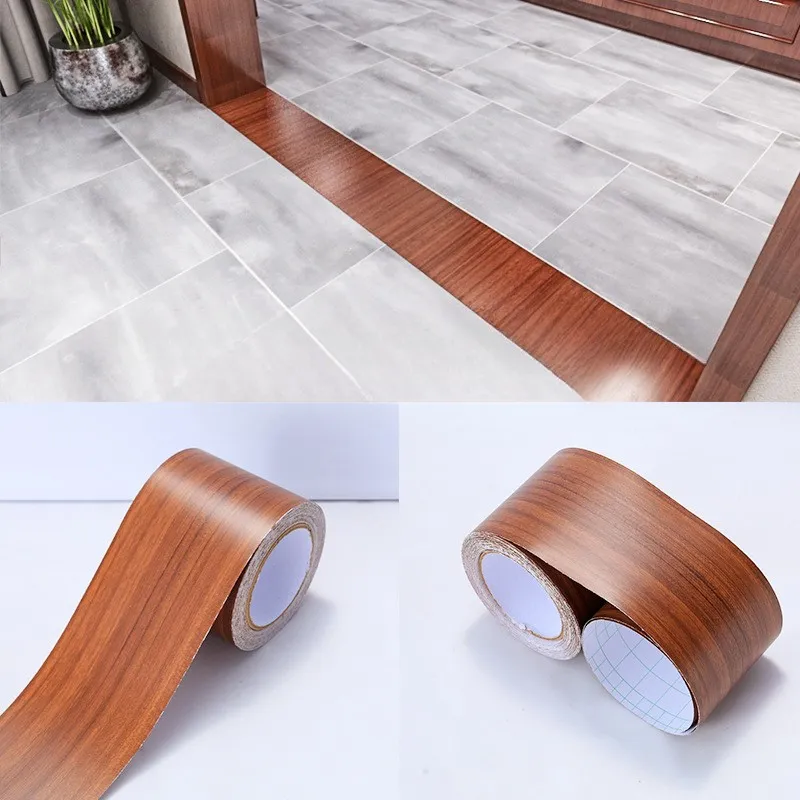
The utility of clear PVC film is vast. Its primary function is to provide a protective, transparent barrier. In furniture manufacturing, it’s used as a surface laminate to protect underlying prints or textures on cabinets, tables, and shelves from scratches and moisture. The construction industry utilizes it as a temporary protective cover for floors, windows, and delicate surfaces during renovations, preventing damage from paint, dust, and debris.
In the advertising and signage sector, clear PVC film serves as an excellent base for overlamination, adding a glossy or matte finish to printed graphics while protecting them from UV fading and physical wear. For packaging, it creates clear windows in boxes, allows for product visibility in blister packs, and forms durable, see-through bags. Its role in electronics is critical as an insulating and protective layer for components and touchscreens.
Beyond mere protection, clear PVC film is a key player in decoration. When used as a carrier for wood grain or marble prints, the clarity of the film ensures the decorative layer underneath appears vibrant and true-to-life. It can also be embossed or textured to create specific visual effects, such as a soft-touch feel or a subtle pattern that diffuses light.
Not all clear PVC films are created equal. Variations in manufacturing process, additives, and surface treatment lead to different product types suited for specific jobs.
This is the most common type, produced by passing a heated PVC compound through heavy rollers (calenders) to achieve a uniform thickness and excellent clarity. It’s known for its high gloss, smooth surface, and dimensional stability, making it ideal for lamination and surface protection.
These films have a patterned surface (like linen, leather, or geometric designs) pressed into them during production. The texture can provide an anti-slip surface, reduce glare, or simply add a decorative element while maintaining transparency.
Specially formulated to dissipate electrostatic discharge, this type is essential in packaging electronic components, circuit boards, and other static-sensitive items to prevent damage during handling and shipping.
This variant comes with a pressure-sensitive adhesive backing, protected by a release liner. It’s perfect for quick application on walls, windows, or machinery as protective film, or for mounting graphics and signs without the need for additional glue.
Formulated with additives to resist yellowing and brittleness caused by prolonged exposure to sunlight. This is a critical feature for films used in outdoor signage, vehicle wraps, or window applications.
Selecting the right clear PVC film requires careful consideration of several technical and practical factors to ensure it performs as expected in your specific application.
✔ Thickness (Gauge): Measured in microns (µm) or mils, thickness directly impacts durability, stiffness, and optical clarity. Thinner films (50-100µm) are flexible and economical for light-duty packaging. Thicker films (200-500µm) offer superior puncture resistance for heavy-duty protection like floor protection during construction.
✔ Clarity and Haze Level: Optical quality is paramount. High-clarity, low-haze film is needed for display windows or product packaging where undistorted visibility is key. Some applications may benefit from a diffused, matte finish to soften light.
✔ Tensile Strength and Tear Resistance: These mechanical properties determine how well the film withstands stretching and tearing during application and use. Review technical data sheets for values like MD/TD tensile strength.
✔ Chemical Resistance: Ensure the film is resistant to oils, solvents, or cleaning agents it might encounter. For instance, film used in kitchen environments should resist grease and common household cleaners.
Partnering with a reliable manufacturer is as important as the product specs. Look for a supplier with in-house calendering, printing, and slitting capabilities. This vertical integration, like that practiced at Pulivk Film, ensures tighter quality control, faster lead times, and more flexibility for customization.
Many projects require non-standard solutions. A proficient supplier will offer OEM/ODM services, allowing you to customize roll width, length, core size, and packaging. They can also tailor the film with specific additives for food contact compliance, flame retardancy, or low-temperature flexibility. Don’t hesitate to request samples to test the film’s performance in your real-world conditions before placing a bulk order.
While the terms are often used interchangeably, “PVC film” is the broader category. “Vinyl film” typically refers to flexible PVC films, often with a fabric backing, used for applications like banners or flooring. Clear PVC film is usually unsupported and prized for its transparency.
Safety depends on the formulation. Standard clear PVC film is safe for general indoor use. For applications involving potential food contact or children’s toys, it is crucial to source films that are explicitly certified as phthalate-free, non-toxic, and compliant with FDA or EU food contact regulations. Always request relevant compliance certificates from your supplier.
Store rolls vertically on their ends in a cool, dry, and dark environment away from direct sunlight, heat sources, and moisture. Keep them in their original protective packaging (often PE film or kraft paper) until ready for use to prevent dust accumulation and surface scratches.
Recycling PVC film can be challenging due to potential additives and contamination. It’s not universally accepted in curbside recycling programs. The best practice is to check with local waste management authorities. Some specialized facilities can process clean, post-industrial PVC film waste.
MOQ varies significantly by supplier and the level of customization. For standard products, MOQs can be as low as a few rolls. For custom colors, thicknesses, or prints, manufacturers often require a larger minimum run (e.g., 500 kg or 1000 meters) to be economically viable. Reputable suppliers are usually willing to discuss flexible terms, especially for initial trial orders.