Address
304 North Cardinal St.
Dorchester Center, MA 02124
Work Hours
Monday to Friday: 7AM - 7PM
Weekend: 10AM - 5PM
Address
304 North Cardinal St.
Dorchester Center, MA 02124
Work Hours
Monday to Friday: 7AM - 7PM
Weekend: 10AM - 5PM


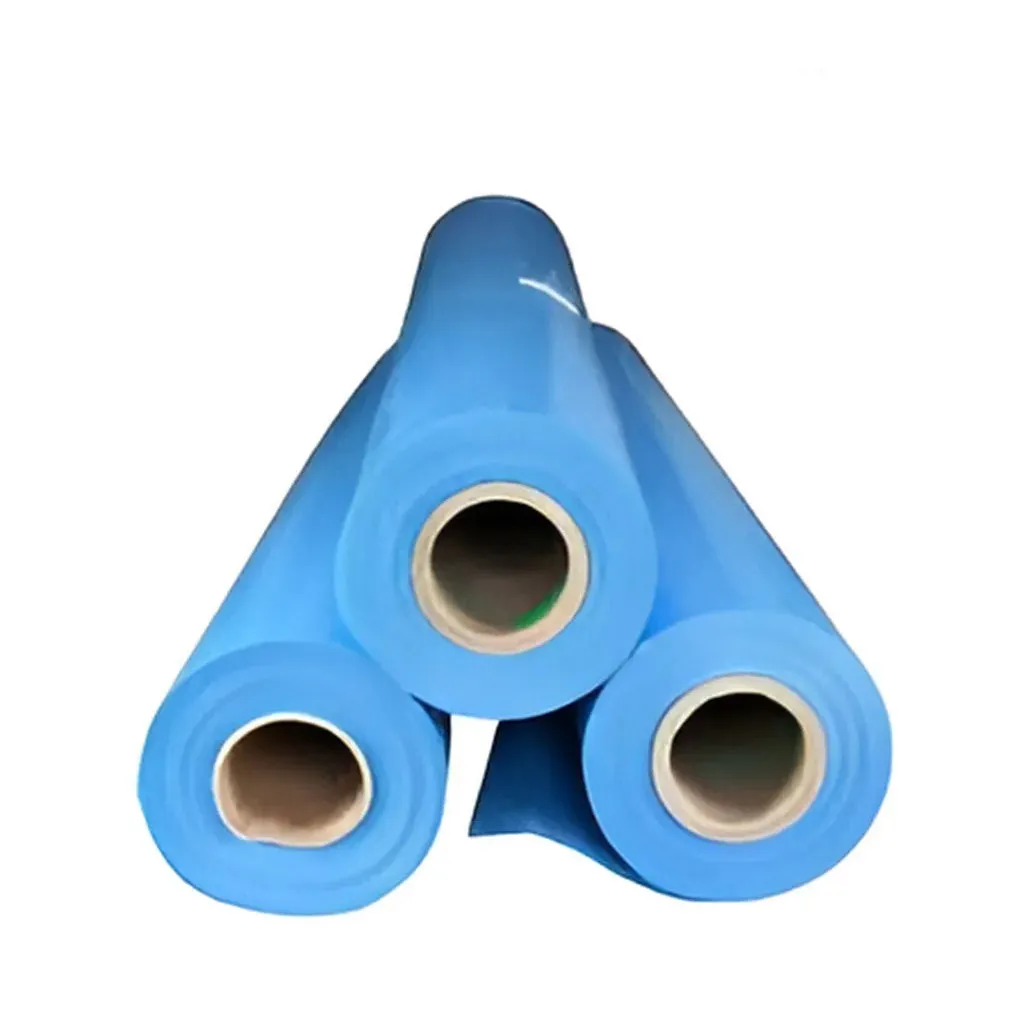
PVC blown film is a versatile and widely used material created by extruding molten polyvinyl chloride (PVC) resin, inflating it into a bubble, and then cooling it to form a thin, flexible sheet. This manufacturing process imparts unique properties, making it suitable for a vast array of applications across numerous industries. From everyday packaging to specialized industrial uses, PVC blown film plays a crucial role due to its durability, clarity, and adaptability.
The production of PVC blown film is a fascinating and precise engineering feat. It begins with the careful formulation of the PVC compound, which includes the resin, plasticizers, stabilizers, and other additives that determine the film’s final characteristics, such as flexibility, transparency, and thermal stability.
The versatility of the blown film process allows for the creation of various film types, each tailored for specific performance needs. The primary differentiation lies in the number of layers.
This is the most basic form, consisting of one homogeneous layer of PVC. It is cost-effective and commonly used for general-purpose applications where high barrier properties or specific surface characteristics are not required. Examples include simple protective coverings and basic bags.
Advanced blown film lines utilize co-extrusion, where two or more layers of different PVC compounds (or other polymers) are extruded and bonded together simultaneously. This allows manufacturers to engineer films with optimized properties. For instance, a three-layer film might have:
This technology is essential for creating high-performance films used in food packaging, medical applications, and technical laminates.
The unique combination of properties—clarity, flexibility, chemical resistance, and sealability—makes PVC blown film indispensable.
This is the largest application segment. PVC blown film is used for:
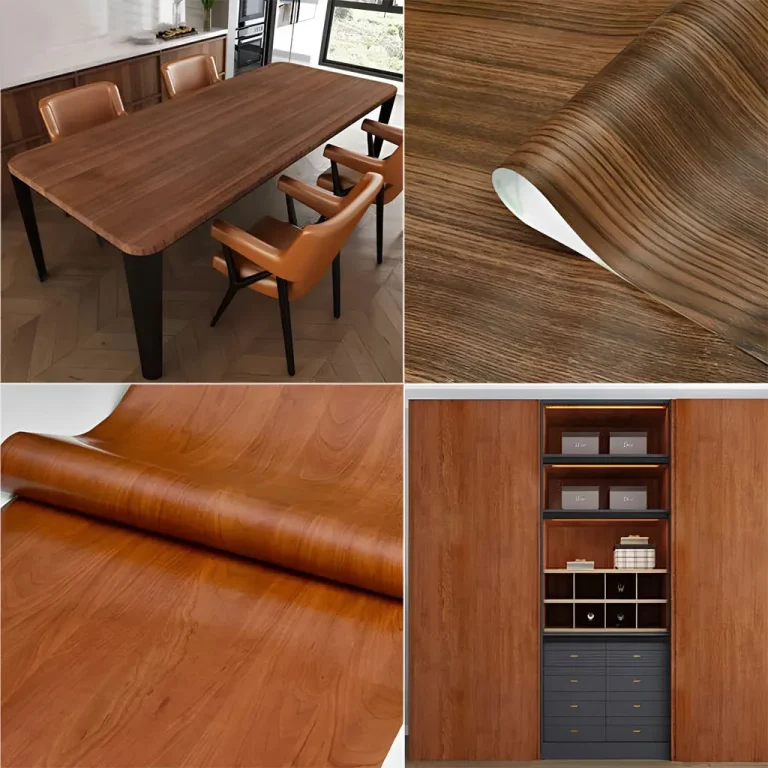
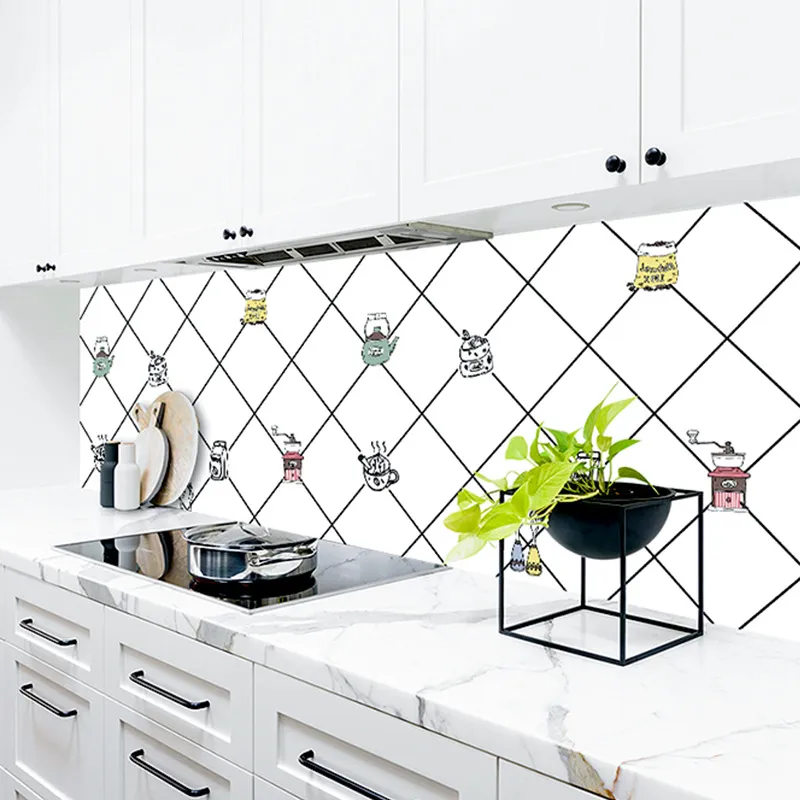
In this sector, PVC blown films are valued for their durability and decorative potential. They are often laminated to substrates like wood, MDF, or plasterboard to create surfaces that are easy to clean and maintain. Specific uses include:
Special grades of PVC blown film are manufactured to meet stringent regulatory standards (such as FDA and USP Class VI). Their key applications are:
PVC films are used in greenhouse covers and mulch films. They help control temperature, humidity, and light transmission, creating an optimal microclimate for plant growth while suppressing weeds.
From clear report covers and binder sleeves to decorative laminates for books and boxes, PVC blown film adds both protection and a professional finish.
The popularity of PVC blown film is driven by several key advantages:
It is important to note that the environmental impact of PVC is a subject of ongoing development. Modern manufacturing focuses on using non-phthalate plasticizers and additive systems to improve recyclability and reduce environmental footprint. Responsible disposal and recycling programs are increasingly important for the industry’s sustainable future.
While both are made from PVC, the processes differ significantly. Blown film is extruded and inflated into a bubble, resulting in biaxial orientation, which generally gives it better clarity and balanced strength in all directions. Calendered film is produced by passing PVC compound through a series of heated rollers, resulting in a film with excellent dimensional stability, smoothness, and a wider range of achievable thicknesses and textures, often preferred for rigid laminates and decorative surfaces.
Yes, PVC blown film is technically recyclable. The primary challenge lies in collection and sorting from the waste stream. Post-industrial scrap from manufacturing is commonly recycled back into the production process. Post-consumer recycling requires dedicated programs. The industry is actively working on improving recyclability through material design and supporting appropriate waste management infrastructure.
Special food-grade PVC blown films are manufactured using raw materials that comply with strict regulations like those from the FDA (U.S. Food and Drug Administration) and EFSA (European Food Safety Authority). These films use approved non-phthalate plasticizers and stabilizers. Always ensure the specific film grade is certified for its intended food contact application.
Film thickness (or gauge) is precisely controlled by several factors: the output rate of the extruder, the speed of the haul-off rollers that pull the film, the volume of air inside the bubble (which controls its diameter), and the cooling rate. Modern lines use automatic gauge control systems with sensors that continuously monitor thickness and make micro-adjustments to ensure consistency across the entire roll.
Despite its many benefits, PVC blown film has some limitations. It has a lower maximum service temperature compared to some engineering plastics. Certain types can become brittle in very cold environments. It is also susceptible to swelling or degradation when in prolonged contact with strong solvents. Finally, its gas and moisture barrier properties, while good, are generally inferior to those of films like EVOH or PVDC, which is why multi-layer co-extrusion is used for high-barrier applications.