Address
304 North Cardinal St.
Dorchester Center, MA 02124
Work Hours
Monday to Friday: 7AM - 7PM
Weekend: 10AM - 5PM
Address
304 North Cardinal St.
Dorchester Center, MA 02124
Work Hours
Monday to Friday: 7AM - 7PM
Weekend: 10AM - 5PM


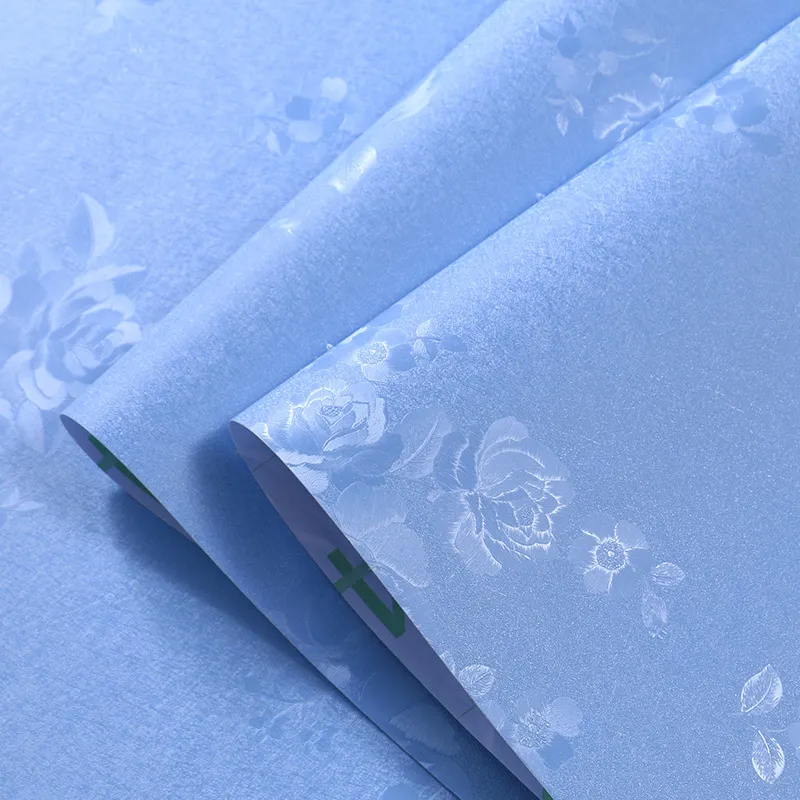
Self-adhesive PVC film is a versatile and innovative material that has transformed numerous industries, from interior design to manufacturing. At its core, it is a thin sheet of polyvinyl chloride (PVC) that comes with a pre-applied adhesive backing, protected by a release liner. This design allows for easy application onto various surfaces, creating durable, decorative, and protective finishes without the need for messy glues or complex tools. The film itself can be engineered with different textures, finishes, and properties, making it a go-to solution for both functional and aesthetic upgrades.
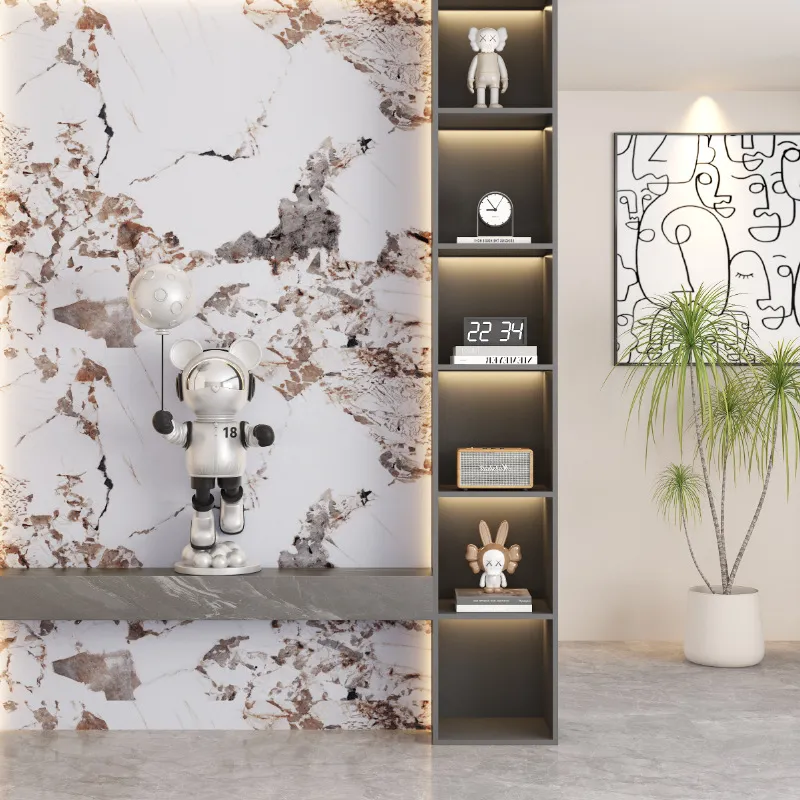
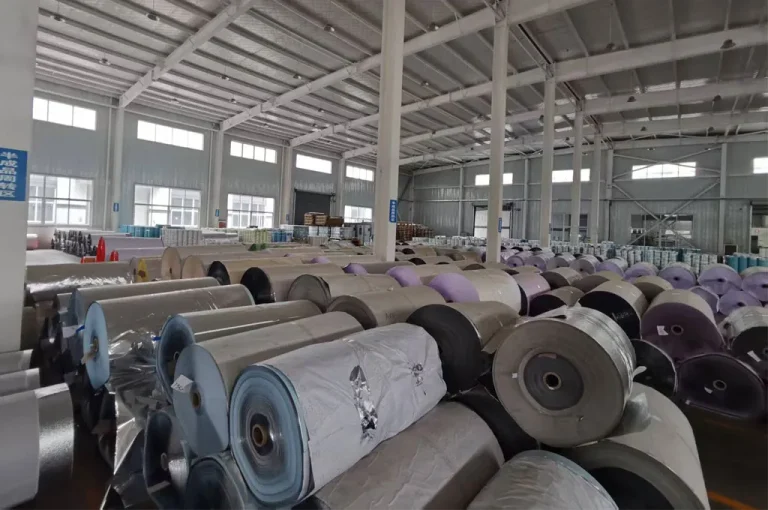
The production of high-quality self-adhesive PVC film is a sophisticated process. It typically begins with a calendered film base, which is created by pressing PVC resin and additives (like plasticizers, stabilizers, and pigments) through heated rollers. This method ensures a film with consistent thickness and smoothness. A pressure-sensitive adhesive layer is then coated onto one side of this base film. This adhesive is formulated to provide strong, permanent bonding while allowing for some repositioning during application. Finally, a silicone-coated paper or plastic release liner is applied to protect the adhesive until use. Manufacturers like Pulivk Film control this entire process—from raw material selection to calendering, printing, and slitting—ensuring superior quality and performance in the final product.
The diversity of self-adhesive PVC films is one of its greatest strengths. They can be categorized based on several factors:
▶ Glossy & Matte Films: Glossy films offer a high-shine, reflective surface that amplifies light and creates a modern look, perfect for cabinet doors and appliances. Matte films provide a soft, non-reflective finish that hides fingerprints and scratches, ideal for a sophisticated, contemporary feel.
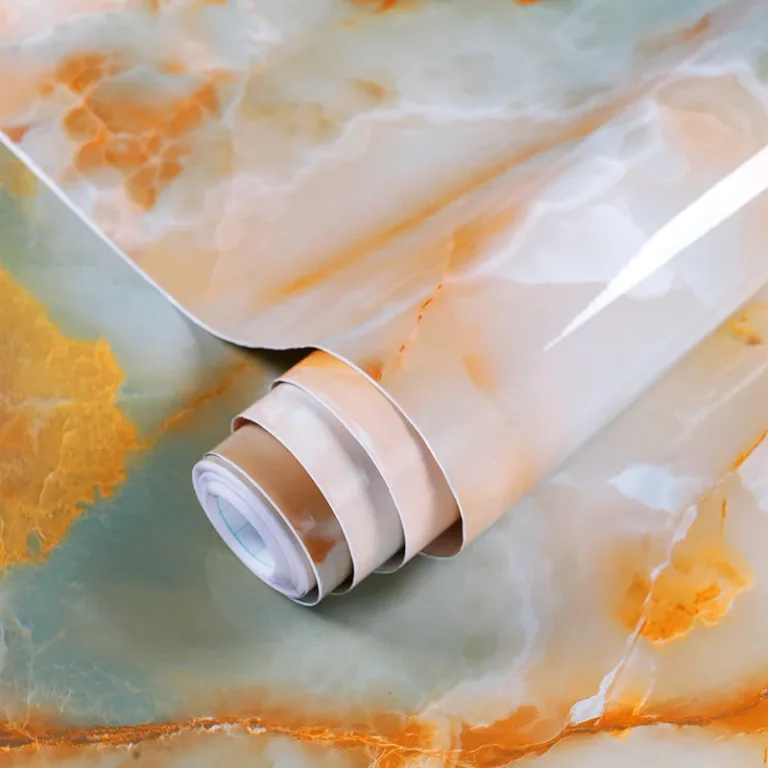
▶ Textured Films: This category includes films that mimic natural materials. Wood grain films replicate the look of oak, walnut, or maple for furniture and doors. Marble or stone films offer the elegance of natural stone for countertops and walls. Other popular textures include 3D silk, cloth, and leather grains.
▶ Functional Films: These are engineered for specific purposes. Anti-static films protect electronic components. Anti-bacterial films are used in medical and cleanroom environments. UV-resistant films prevent fading on surfaces exposed to sunlight.
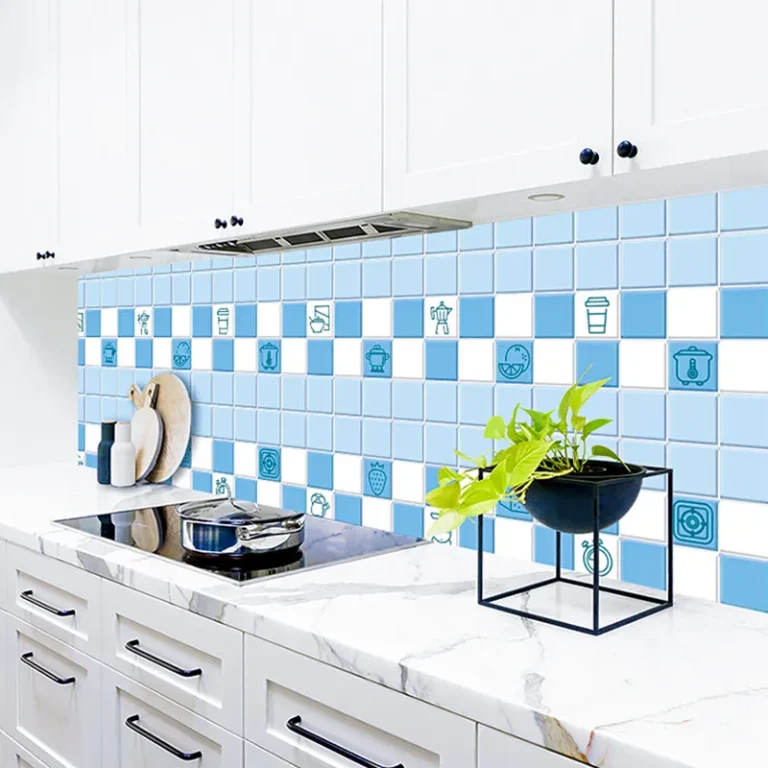
Films are also designed with end-use in mind. Decorative films for furniture and interior walls prioritize aesthetics and ease of cleaning. Industrial-grade films focus on durability, chemical resistance, and adhesion to metals or plastics. Specialty films include products like floor protection films for construction sites or kitchen splashback films that are oil-proof and heat-resistant.
The widespread adoption of self-adhesive PVC film is driven by a compelling set of benefits that offer solutions for both professionals and DIY enthusiasts.
Compared to replacing entire surfaces or using solid materials like real wood or stone, PVC film is remarkably affordable. It allows for dramatic visual changes at a fraction of the cost. The design flexibility is virtually limitless, with thousands of colors, patterns, and textures available. This enables easy creation of accent walls, themed interiors, or brand-specific retail environments without major renovations.
High-quality PVC films are tough. They resist scratches, stains, moisture, and fading. Surfaces covered with these films become incredibly easy to clean—usually requiring just a damp cloth—making them perfect for high-traffic areas, kitchens, bathrooms, and children’s spaces. This durability translates to long-lasting beauty and reduced long-term maintenance costs.
The self-adhesive nature makes application a clean and relatively simple process. For flat surfaces, it often involves just measuring, cutting, peeling the liner, and smoothing the film into place. This makes it an excellent choice for renters or homeowners who want to update their space without permanent alterations, damage, or the dust and hassle of traditional remodeling.
The utility of self-adhesive PVC film spans across commercial, industrial, and residential sectors.
One of the most popular uses is updating old kitchen cabinets, wardrobes, and office furniture. Applying a new glossy white film or a warm wood grain can completely rejuvenate a kitchen without the expense of new cabinetry.
Architects and designers use these films to create feature walls, refresh column covers, and update ceilings. They can be applied to doors, window frames, and skirting boards for a cohesive look. Solid color films offer a modern alternative to traditional paint or wallpaper.
In commercial spaces, films are used for decorative vinyl wraps on counters, displays, and fixtures. They are essential for creating eye-catching window graphics, floor decals, and durable signage that can withstand heavy foot traffic.
Within vehicles, PVC films are used for interior trim detailing, dashboard wraps, and exterior accent stripes. They provide a lightweight and cost-effective way to customize and protect surfaces.
Films are applied to appliances for decorative fronts and to electronic devices for branding, interface labels, and protective coverings that are both functional and aesthetic.
Not at all. For flat, smooth surfaces, it’s a straightforward DIY project. The key is proper surface preparation (clean, dry, and dust-free), using the right tools like a squeegee to remove air bubbles, and working carefully. For large or complex curved surfaces, professional installation is recommended for the best results.
Yes, most permanent adhesive films are designed to be removable, especially if the original surface was smooth and non-porous (like laminate, glass, or sealed wood). Gentle heat from a hairdryer can soften the adhesive for easier peeling. Always test a small area first.
Reputable manufacturers like Pulivk Film produce films that comply with international safety standards (REACH, RoHS). They use non-toxic inks and formulations, making them safe for indoor use. Many films are also durable and long-lasting, which reduces waste from frequent replacements.
Consider the surface material, the desired look (glossy, matte, textured), the environmental conditions (moisture, sunlight, heat), and whether you need special properties like anti-bacterial or anti-static features. Consulting with a supplier or checking detailed product specifications is the best approach.
Absolutely. Many PVC films are specifically designed to be waterproof and moisture-resistant, making them perfect for bathroom walls, shower surrounds (check manufacturer guidelines), and vanity updates. They create a seamless, easy-to-clean barrier that resists mold and mildew.