Address
304 North Cardinal St.
Dorchester Center, MA 02124
Work Hours
Monday to Friday: 7AM - 7PM
Weekend: 10AM - 5PM
Address
304 North Cardinal St.
Dorchester Center, MA 02124
Work Hours
Monday to Friday: 7AM - 7PM
Weekend: 10AM - 5PM


 ByPulivk
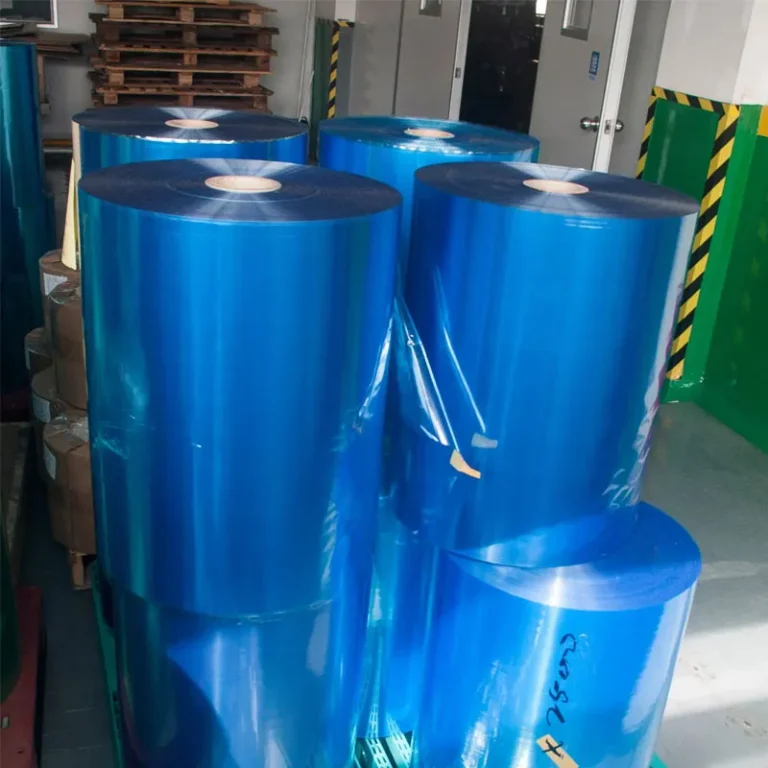
Polyvinyl Chloride (PVC film) has become an indispensable material across global industries, from modern interior design to heavy-duty industrial packaging. Its unique balance of flexibility, durability, and aesthetic versatility makes it a preferred choice for manufacturers and designers alike. Whether you are looking for a realistic wood grain finish for furniture or a robust barrier for industrial goods, understanding the properties of PVC film is the first step toward optimizing your project. This guide explores the core types, practical applications, inherent benefits, and essential factors to select the ideal film for your specific needs.
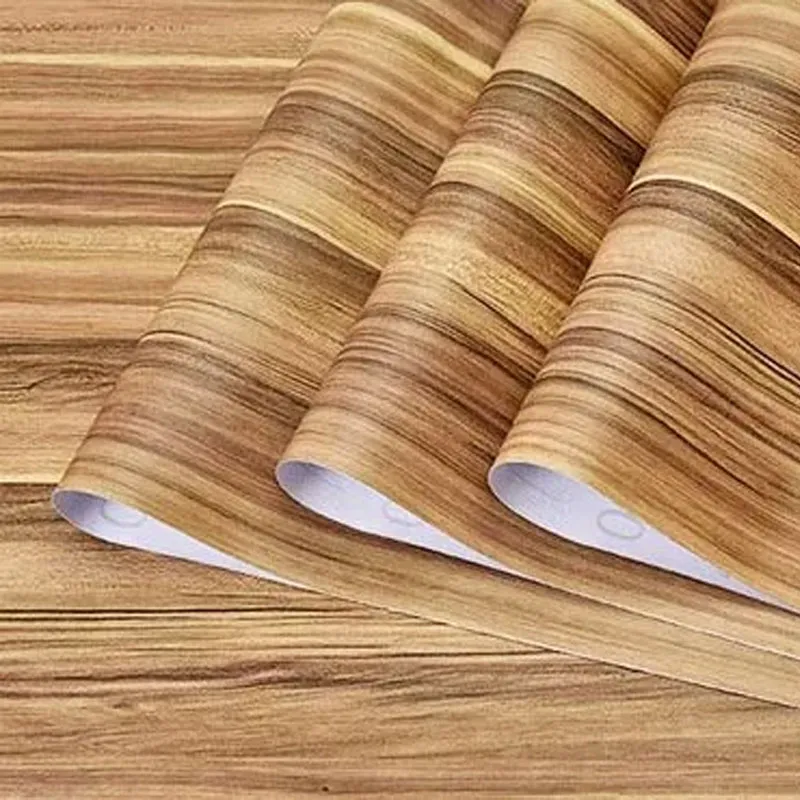
Not all PVC film is created equal. Depending on the manufacturing process and chemical formulation, the material can exhibit drastically different properties. Below is a detailed breakdown of the most common categories available in the market today.
| Type | Key Characteristics | Best Suited For |
|---|---|---|
| Calendered Film | High thickness uniformity, cost-effective, smooth or textured surface | Packaging, stationery, automotive interiors, and general industrial use |
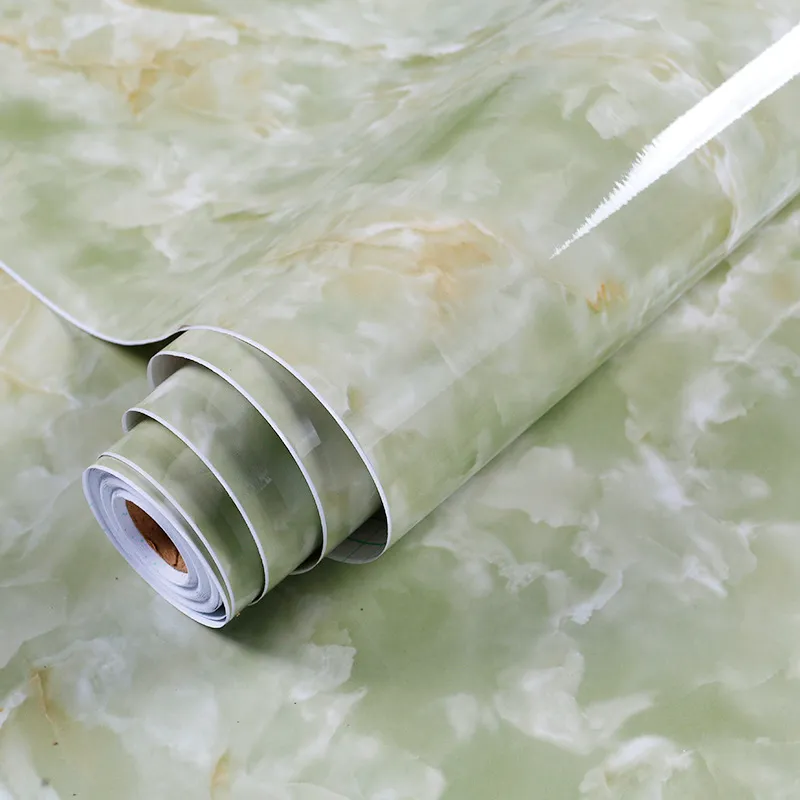
| Decorative Films | High-fidelity prints, embossed textures, scratch-resistant coating | Furniture surfaces, wall panels, doors, and interior renovation |
| Transparent & Functional Films | Anti-static, UV-resistant, anti-fog, high clarity | Electronics packaging, medical equipment, cleanroom environments |
| Flooring Films | Wear-resistant layer, slip-resistant texture, waterproof | Vinyl flooring, bathroom stickers, kitchen mats |
The versatility of PVC film extends far beyond simple covering. Its ability to mimic expensive materials like marble, wood, and metal at a fraction of the cost has revolutionized interior design and manufacturing.
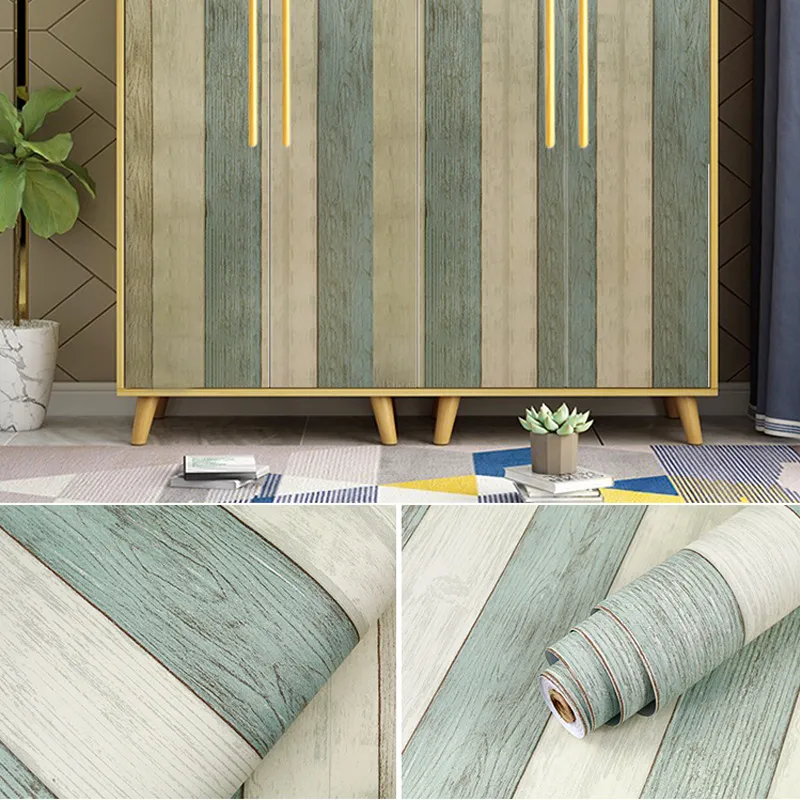
This is perhaps the most visible application of PVC film. High-gloss wardrobe films, soft-touch matte finishes, and textured 3D silk films are widely used to surface MDF and particleboard. These films provide a durable, easy-to-clean surface that resists scratches and moisture, making them perfect for kitchen cabinets, wardrobes, and office desks.
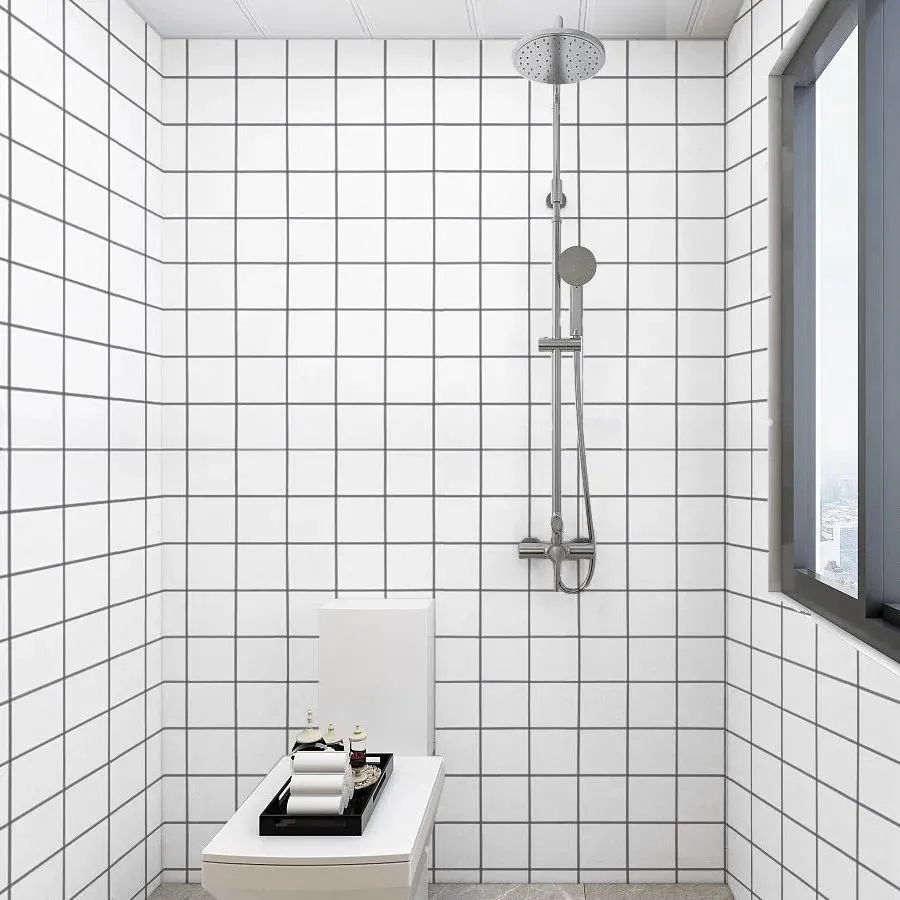
In the construction sector, PVC films serve as decorative laminates for wall panels, ceiling tiles, and skirting boards. They offer a moisture-resistant barrier that prevents warping and mold growth, which is especially critical in humid climates. Stone pattern films are frequently used for elevator interiors and lobby walls, offering the elegance of natural stone without the structural weight.
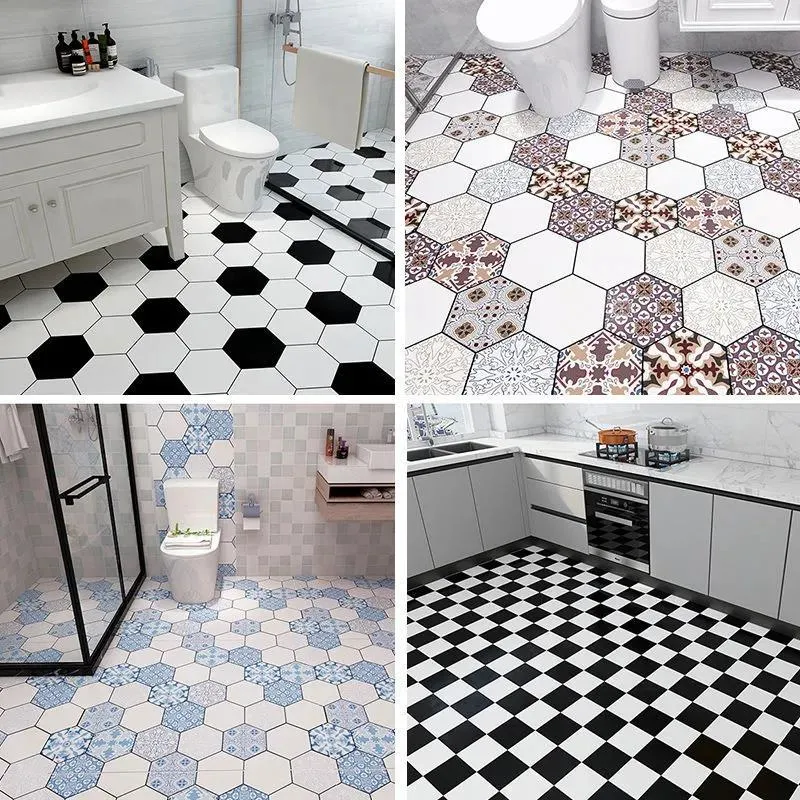
From food packaging to heavy-duty industrial wraps, calendered PVC film provides excellent clarity and sealing properties. Food-grade films are often formulated to be phthalate-free and compliant with international safety standards. Additionally, anti-static and isolation films protect sensitive electronic components during transport.
Why do industries rely so heavily on PVC film? The answer lies in its incredible performance-to-price ratio and adaptability.
Selecting the correct PVC film requires careful analysis of the application environment and performance expectations. Here are the critical factors to consider:
| Factor | Why It Matters | Recommendation |
|---|---|---|
| Thickness (Gauge) | Determines durability and flexibility. Standard decorative films range from 0.12mm to 0.30mm. | Choose 0.16mm-0.20mm for flat lamination; 0.30mm+ for flooring. |
| Surface Texture | Affects tactile feel, light reflection, and cleanability. | Glossy for high-end kitchens; matte or super-matte for anti-fingerprint surfaces. |
| Adhesive Compatibility | The film must bond perfectly with the substrate (MDF, glass, metal). | Pre-test adhesives; consider pre-applied self-adhesive options for DIY projects. |
| UV Resistance | Prevents yellowing and degradation in sunlight-exposed areas. | Essential for windows, outdoor signage, and conservatories. |
It is also crucial to verify that the PVC film meets international quality standards. Testing for tensile strength (ISO 527-3 Film Tensile Testing), tear resistance, and dimensional stability (ASTM D1204) ensures the material will perform reliably over time.
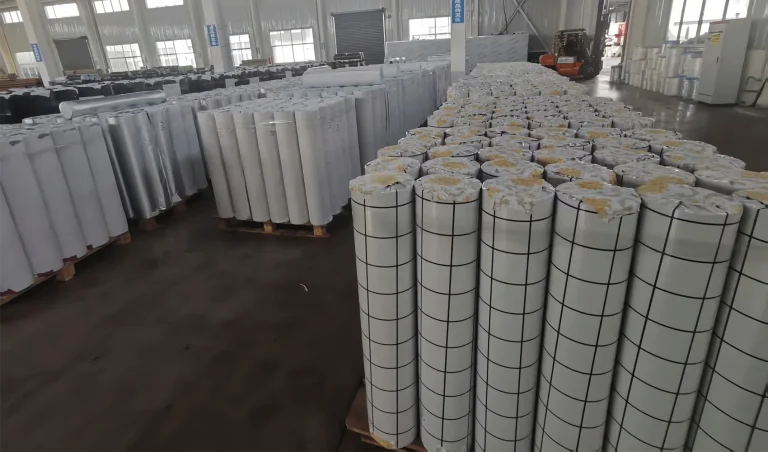
To maximize the value of PVC film in a competitive market, many furniture and construction brands rely on customized solutions. As a direct manufacturer, Henan Pulivk New Materials Co., Ltd. offers comprehensive in-house services spanning calendering, printing, embossing, and split-packaging. This vertical integration allows for complete quality control, ensuring that every roll of film meets strict specifications for color matching and physical properties.
Whether you need a specific wood grain to match your product line or a proprietary 3D texture for a new collection, collaborating with an experienced supplier in OEM PVC film production can significantly shorten your time-to-market.
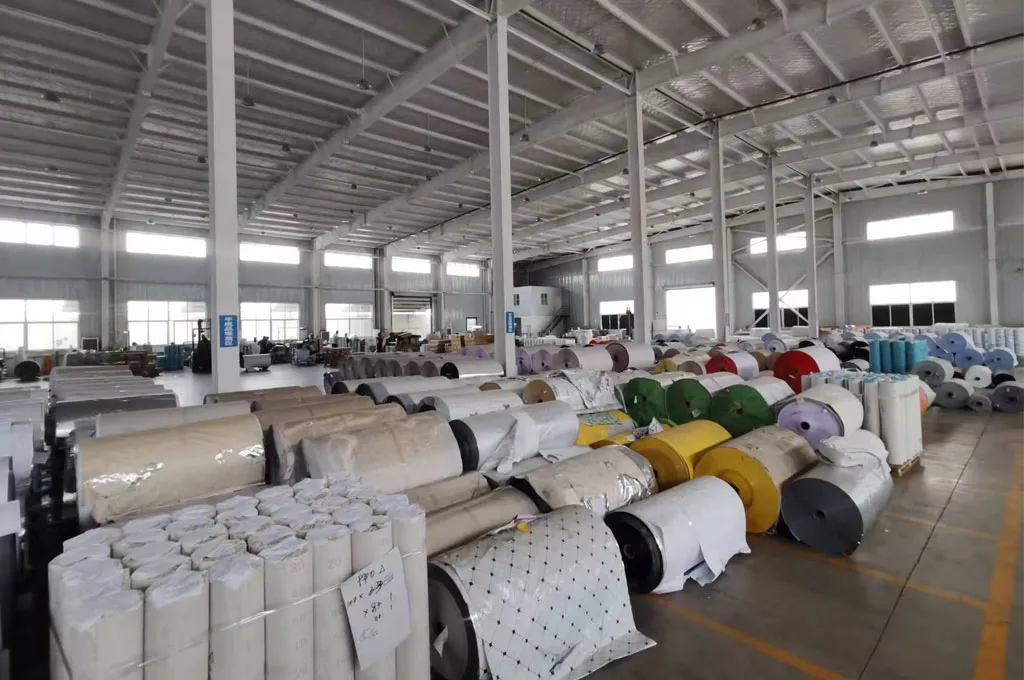
From standard rolls to precisely cut sheets with dust-proof packaging, modern PVC film supply chains are built for efficiency. For more technical details on material safety, you can refer to the Vinyl Chloride Risk Evaluation or explore the latest in PVC circular economy initiatives. By choosing the right type and specification, you ensure the long-term success and visual appeal of your final product.