Address
304 North Cardinal St.
Dorchester Center, MA 02124
Work Hours
Monday to Friday: 7AM - 7PM
Weekend: 10AM - 5PM
Address
304 North Cardinal St.
Dorchester Center, MA 02124
Work Hours
Monday to Friday: 7AM - 7PM
Weekend: 10AM - 5PM


 ByPulivk
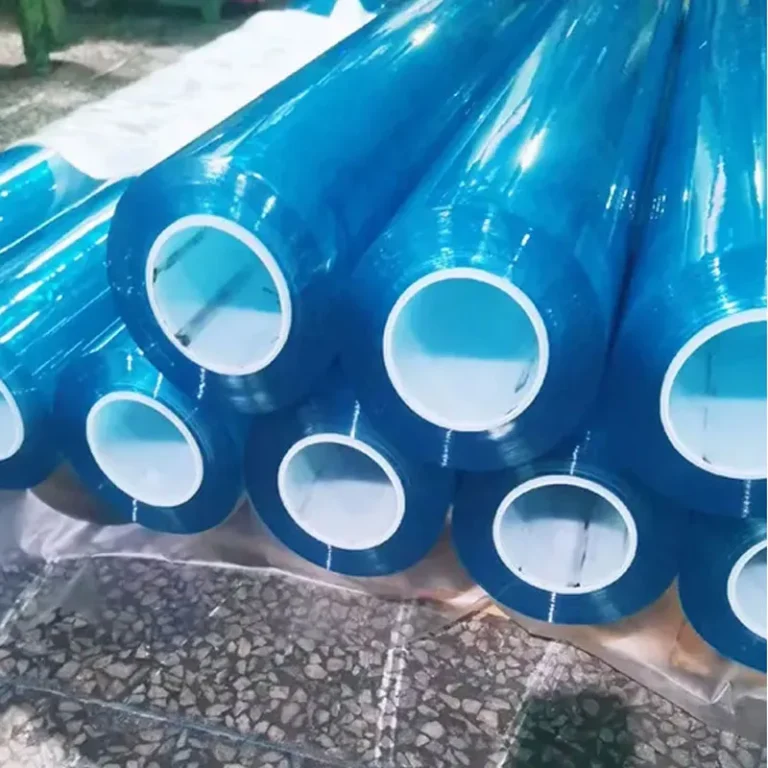
Polyvinyl chloride film, commonly referred to as PVC film, is a versatile thermoplastic material produced by calendering, extrusion, or casting processes. It serves as a lightweight, flexible, and highly customizable substrate used across countless industries. From interior decoration to industrial packaging, the material’s popularity stems from its ability to mimic expensive natural textures like wood grain, marble, or metal at a fraction of the cost.
Manufacturers around the world value PVC film for its excellent printability, durability, and adaptability to different surface finishes. Modern formulations now include eco-friendly plasticizers, phthalate-free options, and UV stabilizers, making the material suitable for both indoor and demanding outdoor environments.
Understanding the different categories of PVC film helps in selecting the right product for a specific application. The two main production methods—calendering and casting—yield films with distinct properties.
| Type | Key Features | Common Applications |
|---|---|---|
| Calendered Film | Excellent thickness tolerance, smooth surface, high output, cost-effective | Decorative surfaces, packaging, floor film, automotive interiors |
| Cast Film | Superior optical clarity, lower internal stress, consistent gauge | Medical devices, optical laminates, high-end graphics |
| Rigid Film | Higher stiffness, good tensile strength, limited elongation | Credit cards, blister packaging, stationery |
| Flexible Film | High elongation, soft hand-feel, excellent conformability | Soft-touch furniture laminates, 3D silk texture film, wall coverings |
The widespread adoption of this material is no accident. PVC film offers a unique combination of aesthetic and functional advantages that are difficult to replicate with other substrates.
Thanks to its versatile properties, PVC film has become an integral component in manufacturing and design for a multitude of sectors globally.
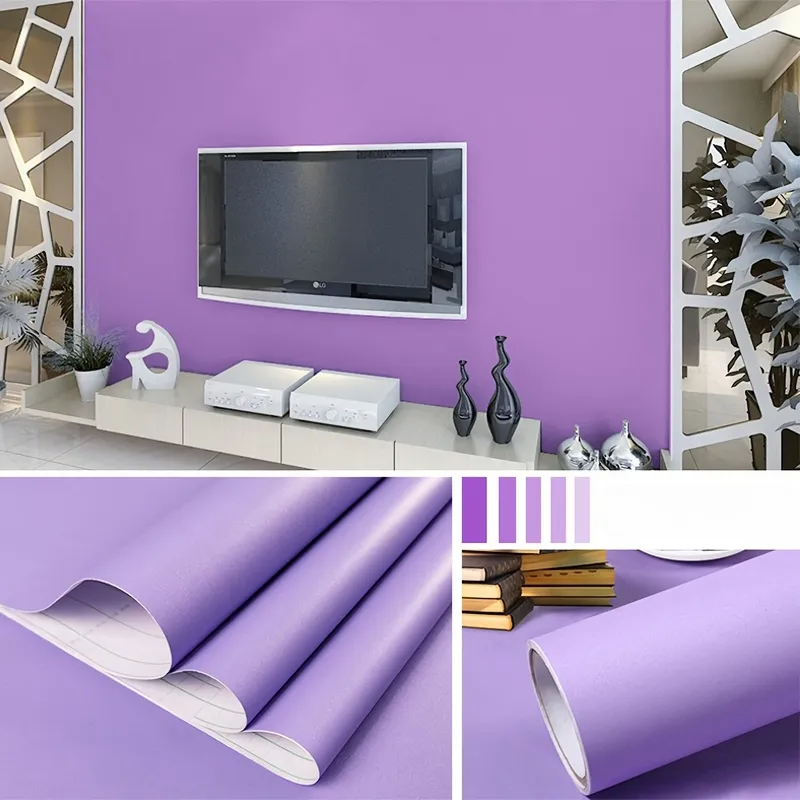
This is the largest application segment. PVC decorative films replace traditional veneers and paints on panel furniture, kitchen cabinets, wardrobes, and interior doors. Glossy wardrobe film and matte textures offer modern design flexibility.
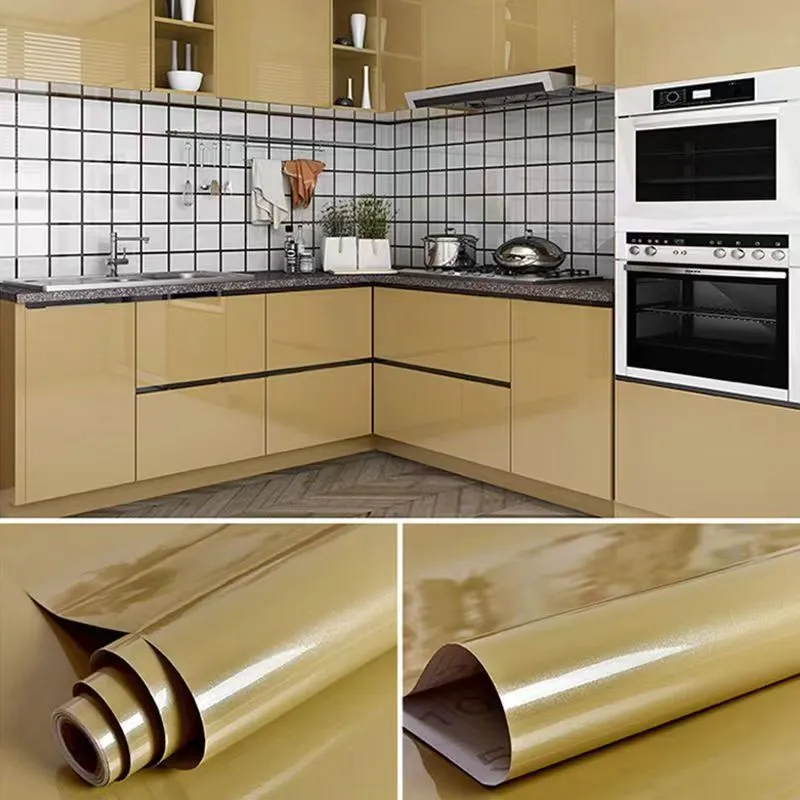
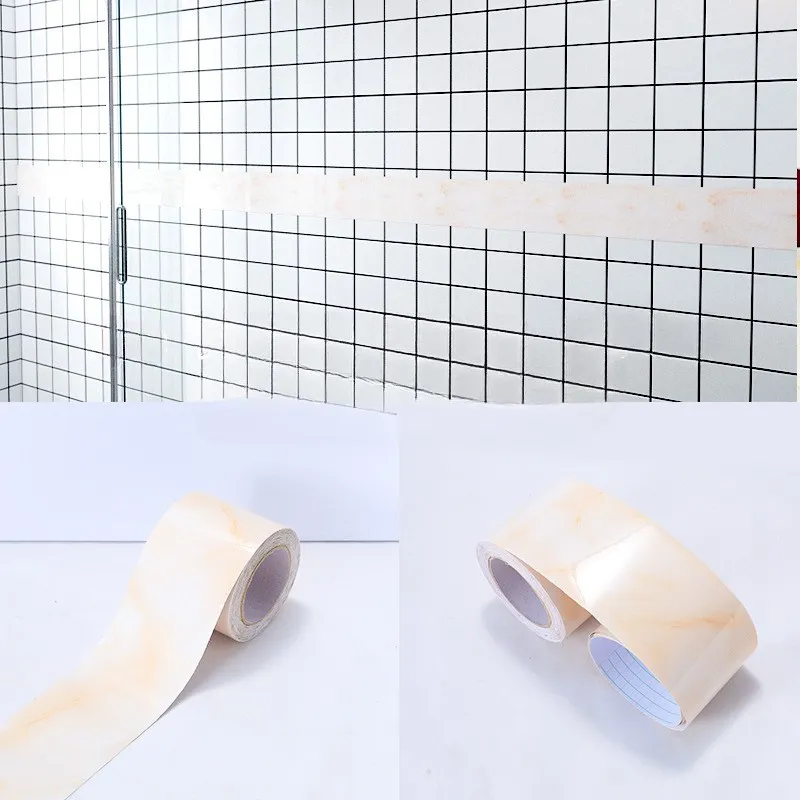
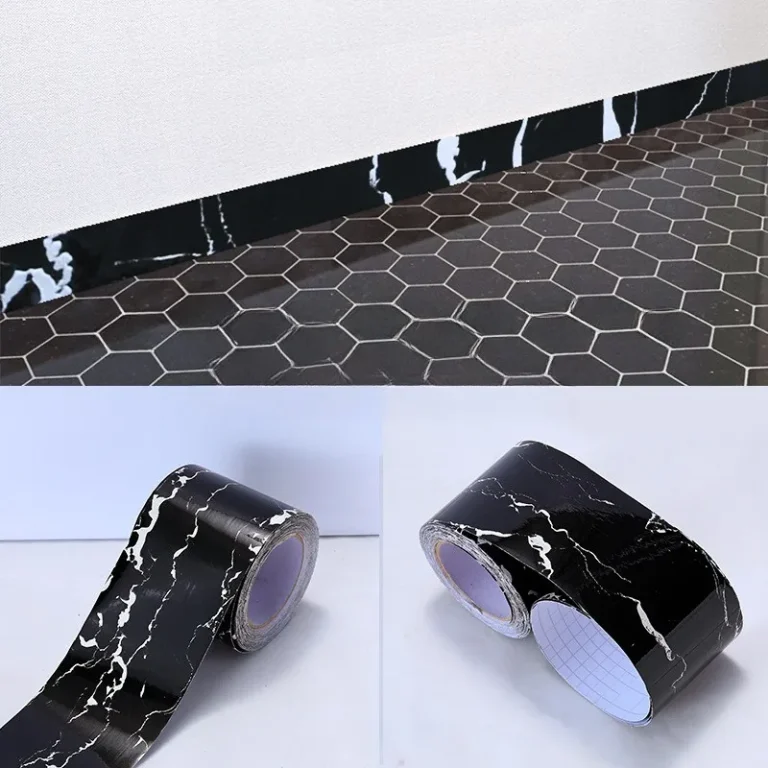
PVC film serves as a protective and aesthetic layer for building components. It is commonly used in wall panels, PVC skirting boards, ceiling tiles, and window profiles. The material’s waterproof nature makes it highly suitable for these environments.
Luxury vinyl tiles and sheets rely on high-performance PVC films for their design layer and protective wearlayer. Products like vinyl kitchen flooring and bathroom floor stickers demonstrate the material’s waterproof and anti-slip properties. Testing often follows Plastic Film Friction Testing standards to ensure safety.
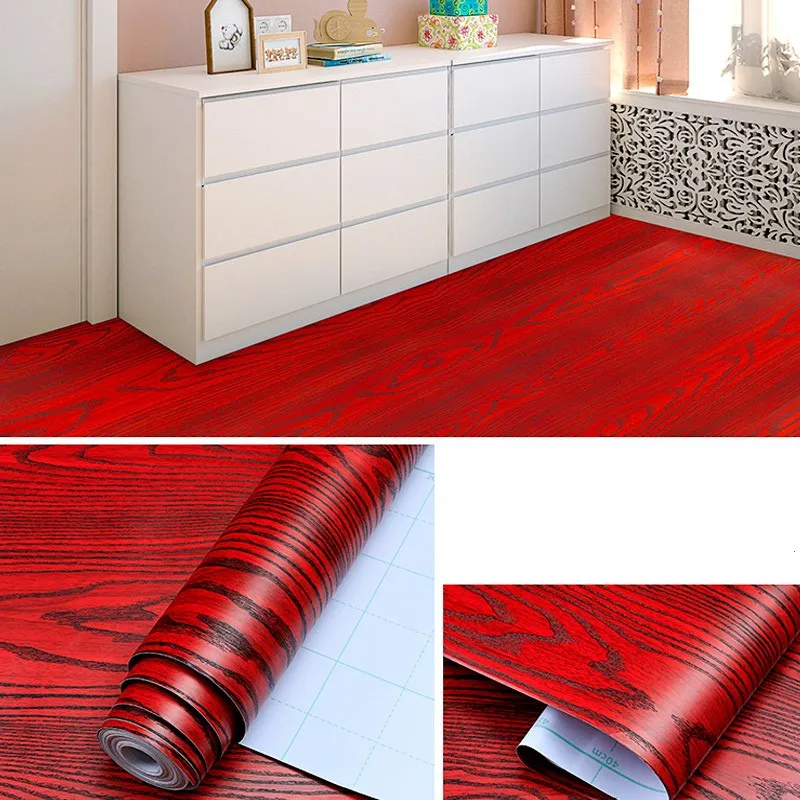
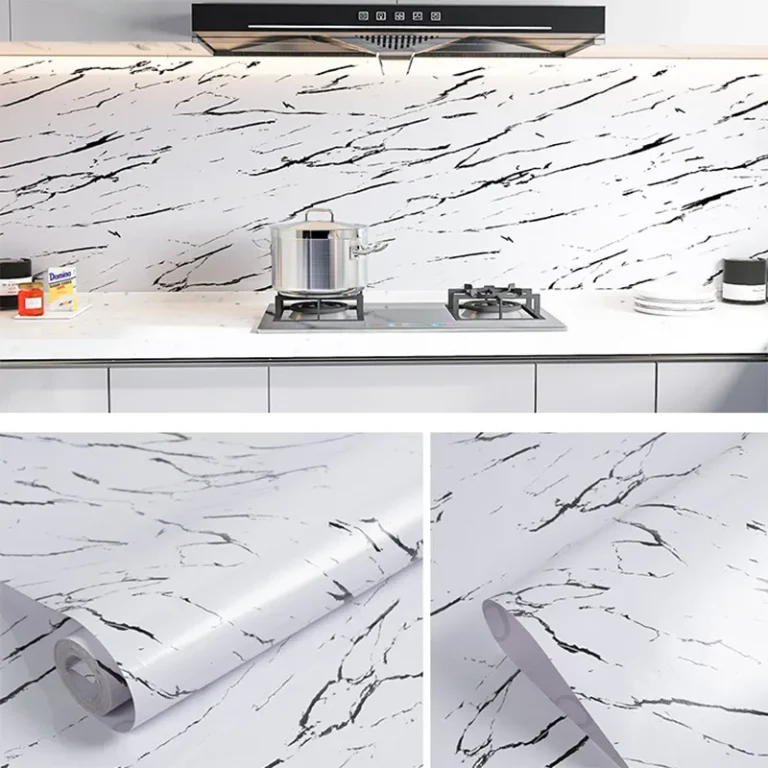
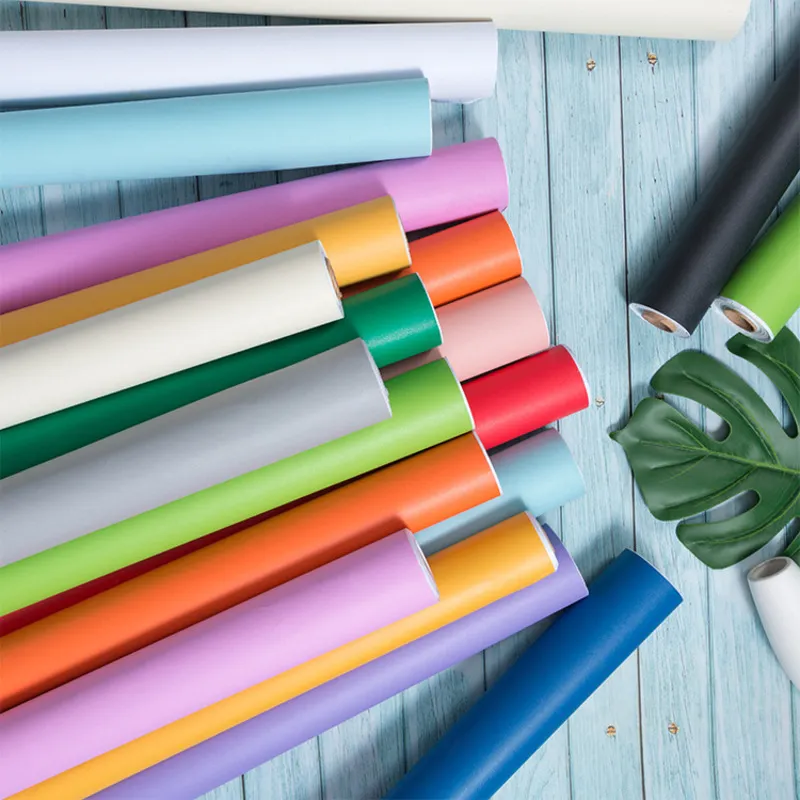
From oil-proof aluminum foil for kitchens to self-adhesive films for tabletops, PVC film makes household maintenance easier. Transparent and semi-transparent films are widely used as protective layers on appliances and furniture.
In vehicles, calendered films are used for interior trim, dashboard laminates, and car stickers. In electronics, anti-static PVC films protect sensitive components during manufacturing and transit.
Reliable PVC film manufacturers adhere to international standards to guarantee product consistency. Key tests include tensile strength, tear resistance, dimensional stability, and haze measurement. Standards like ASTM D882 and ISO 527-3 define the protocols for Plastic Film Tensile Testing, ensuring the material meets industrial strength requirements. Furthermore, UV resistance and cold-crack temperature are critical parameters for films used outdoors or in extreme climates.
For companies seeking consistent supply and technical support, working with an experienced manufacturer is essential. Henan Pulivk New Materials Co., Ltd. operates a full in-house production chain, from calendering and printing to split packaging. This integrated approach guarantees quality control at every stage, delivering high-quality decorative and functional films to furniture makers, construction firms, and distributors worldwide.
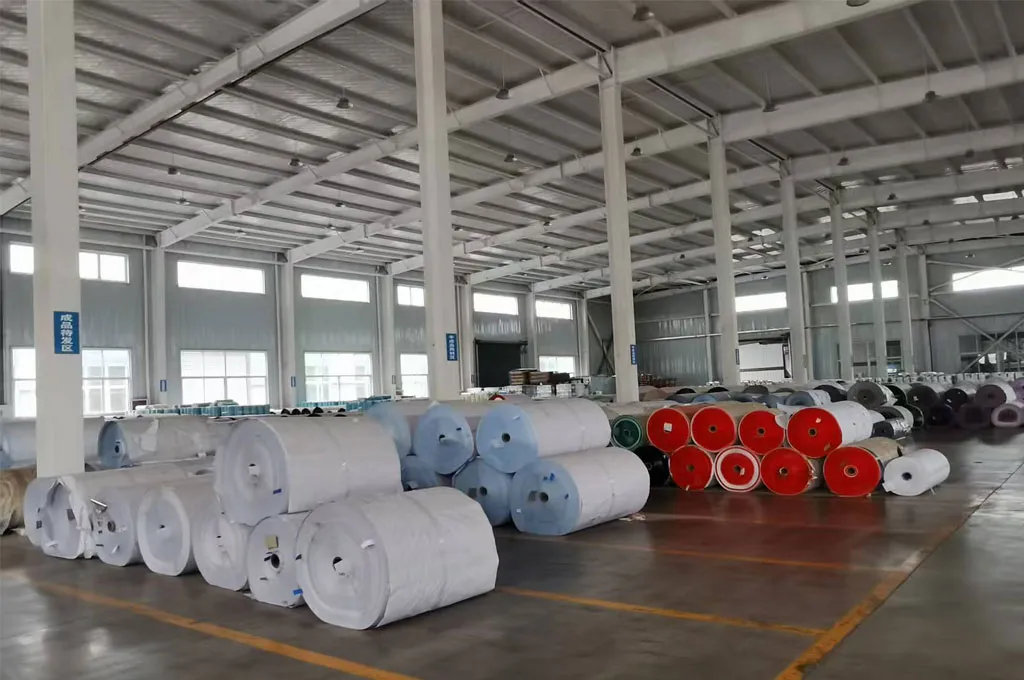
Selecting the appropriate film involves evaluating several factors beyond just the visual appeal.
The industry is actively advancing circular economy initiatives. Modern PVC films increasingly incorporate recycled content, and bio-based plasticizers are replacing traditional petroleum-based additives. Life cycle assessments demonstrate the material’s long service life reduces replacement frequency, contributing to lower overall environmental impact. Innovations in surface embossing technology now create deeper, more realistic textures without increasing material weight.
Whether you need a solid color wallpaper for a commercial project or a specialized skirting film that matches wood grain flooring, PVC film delivers a perfect balance of beauty, performance, and value.