Address
304 North Cardinal St.
Dorchester Center, MA 02124
Work Hours
Monday to Friday: 7AM - 7PM
Weekend: 10AM - 5PM
Address
304 North Cardinal St.
Dorchester Center, MA 02124
Work Hours
Monday to Friday: 7AM - 7PM
Weekend: 10AM - 5PM


 ByPulivk
In industries ranging from furniture design to automotive interiors, the demand for durable, high-quality coated materials has never been greater. At the core of this demand lies the expertise of specialized fabric pvc film manufacturers. These manufacturers engineer flexible composites that combine the mechanical strength of textiles with the protective and aesthetic virtues of PVC. The resulting coated fabrics deliver exceptional performance in challenging environments, offering resistance to moisture, chemicals, and abrasion while maintaining a premium look and feel. Whether you are sourcing for medical upholstery, outdoor covers, or decorative wall panels, understanding the production capabilities and quality benchmarks of your supplier is essential for long-term success.
Fabric PVC films are not simple single-layer plastics; they are advanced composite materials. A typical construction bonds a polyvinyl chloride layer to a supportive fabric scrim—often polyester, nylon, or cotton blends. This synergy creates a material that resists tearing, stretching, and environmental degradation far better than standard unsupported films. Leading fabric pvc film manufacturers precisely control the coating weight, adhesion strength, and surface finish to meet specific industrial requirements. The final product can be engineered for high tensile strength, specific elongation properties, and a wide range of surface aesthetics, from high-gloss leather grains to matte technical textures.
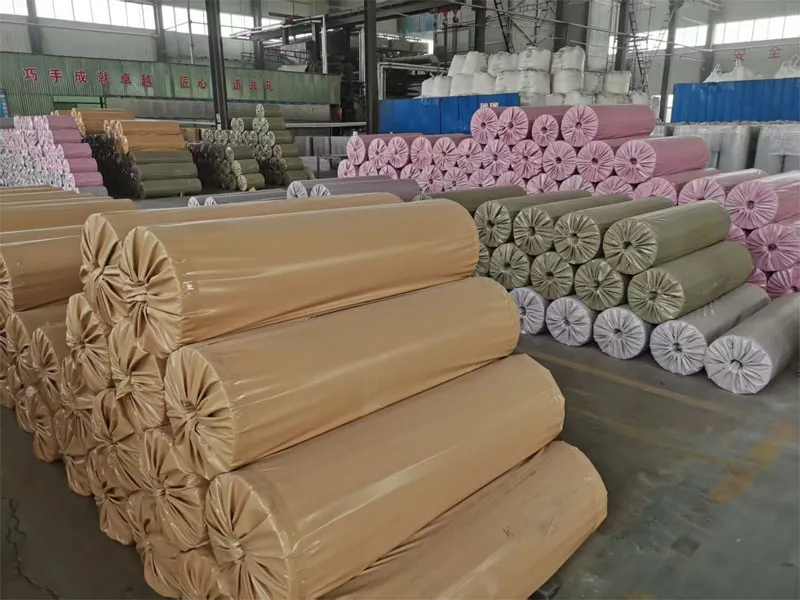
The durability and quality of coated materials depend significantly on the manufacturing technology employed. The most prominent methods include calendering, extrusion coating, and spread coating. Calendering uses heated rollers to precisely fuse the PVC compound onto the fabric, producing a highly uniform thickness and a smooth, flawless surface. This process is ideal for high-volume production of films used in upholstery and decorative laminates. In contrast, spread coating, where a liquid PVC paste is applied directly to the textile base, allows for deeper penetration into the fabric weave, creating an incredibly strong mechanical bond suitable for heavy-duty tarpaulins and roofing membranes. Each technique offers distinct advantages, and top-tier manufacturers select the optimal process based on the intended application’s stress and longevity requirements.
Versatility is a hallmark of an industry-leading factory. A reliable partner should offer an extensive lineup that transcends basic offerings. Below is an overview of the primary product categories you should expect from a comprehensive fabric pvc film supplier.
| Product Category | Key Characteristics | Typical Applications |
|---|---|---|
| Calendered Film | Uniform gauge, high clarity, excellent mechanical properties | Decorative laminates, stationery, automotive interiors |
| 3D Texture & Embossed Film | Deep embossing, realistic visual effects, scratch resistance | Furniture surfaces, wall panels, flooring |
| Functional Barrier Films | Anti-static, UV-resistant, anti-bacterial, flame-retardant | Electronics packaging, cleanrooms, medical devices |
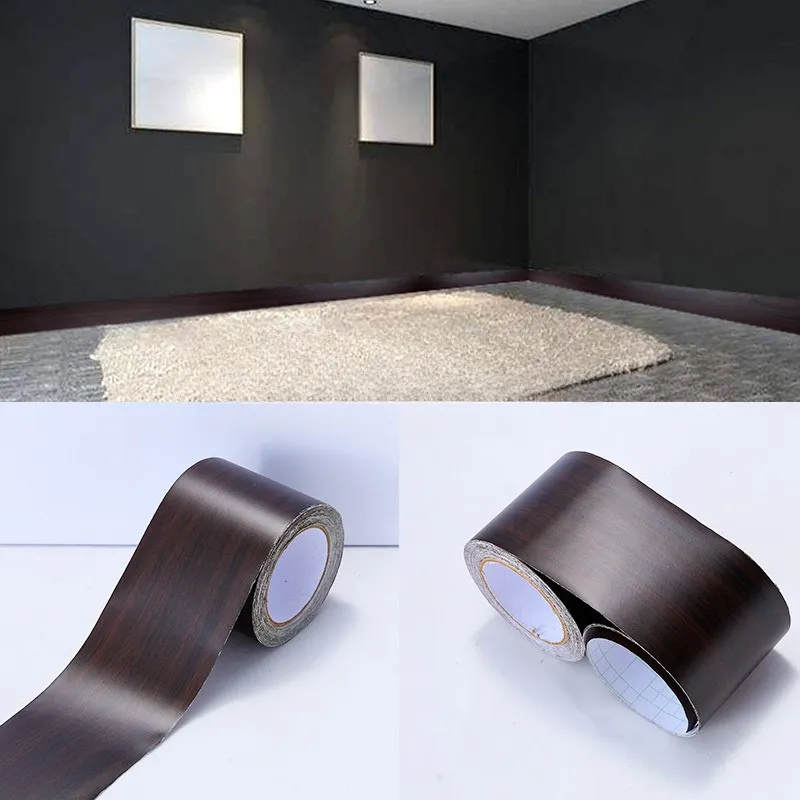
| Self-Adhesive Films | Pressure-sensitive backing, easy application, repositionable | Advertising graphics, wall stickers, DIY home renovation |
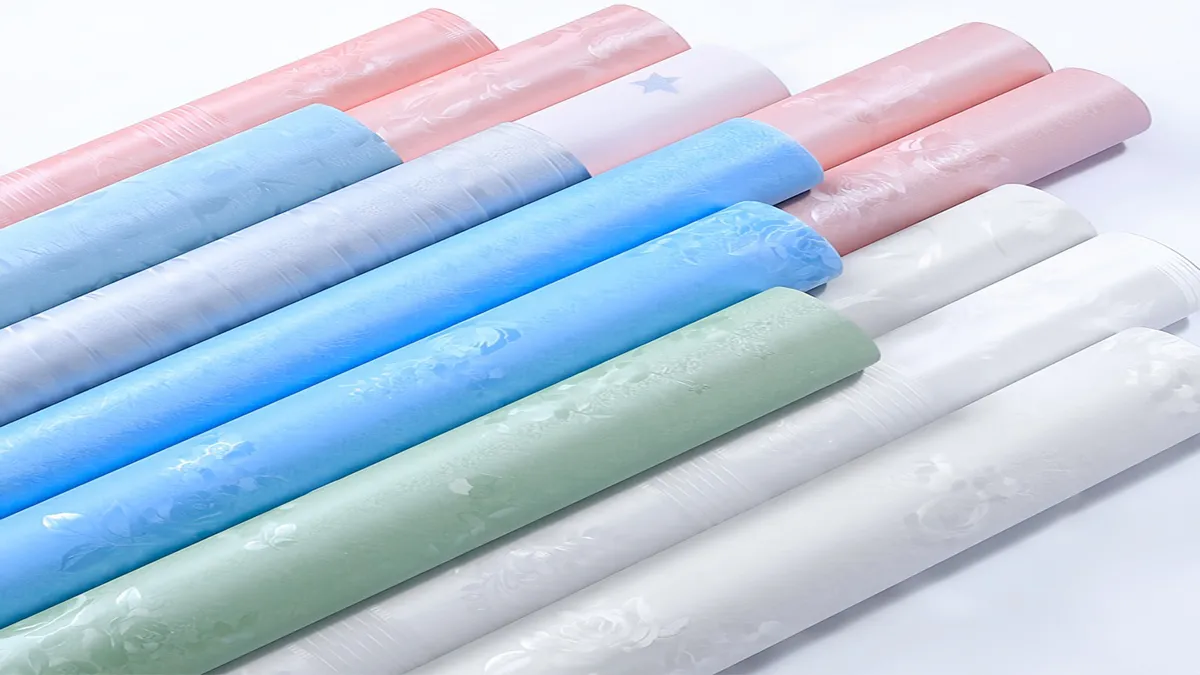
True durability is measurable. Professional fabric pvc film manufacturers don’t just claim quality—they prove it through rigorous testing. Compliance with international standards such as ASTM D1593 is non-negotiable for products entering demanding markets. Key performance indicators include tensile strength and elongation (tested per ISO 527-3), tear resistance, dimensional stability, and accelerated weathering tests. For products destined for food contact or children’s items, compliance with REACH regulations and RoHS directives regarding phthalate and heavy metal content is critical. A manufacturer’s ability to provide third-party test reports and traceability documentation is the clearest indicator of their commitment to delivering certified, safe, and durable materials.
Navigating the global supply chain for coated materials requires a partner with deep manufacturing infrastructure. Henan Pulivk New Materials Co., Ltd. exemplifies the modern integrated approach, operating synchronized calendering lines, precise printing stations, and automated split-packaging systems under one roof. This comprehensive control from raw material blending to final packaging allows for stringent cost management and rapid turnaround times. Their specialization in PVC calendered film, decorative film, and technical laminates serves a broad spectrum of industries, from furniture and building materials to automotive and medical sectors. By maintaining flexible OEM and customization options, they support brands in launching unique products without the typical supply chain friction.
Off-the-shelf solutions rarely satisfy the nuanced needs of complex engineering projects. The most capable partners offer deep OEM and color matching services.
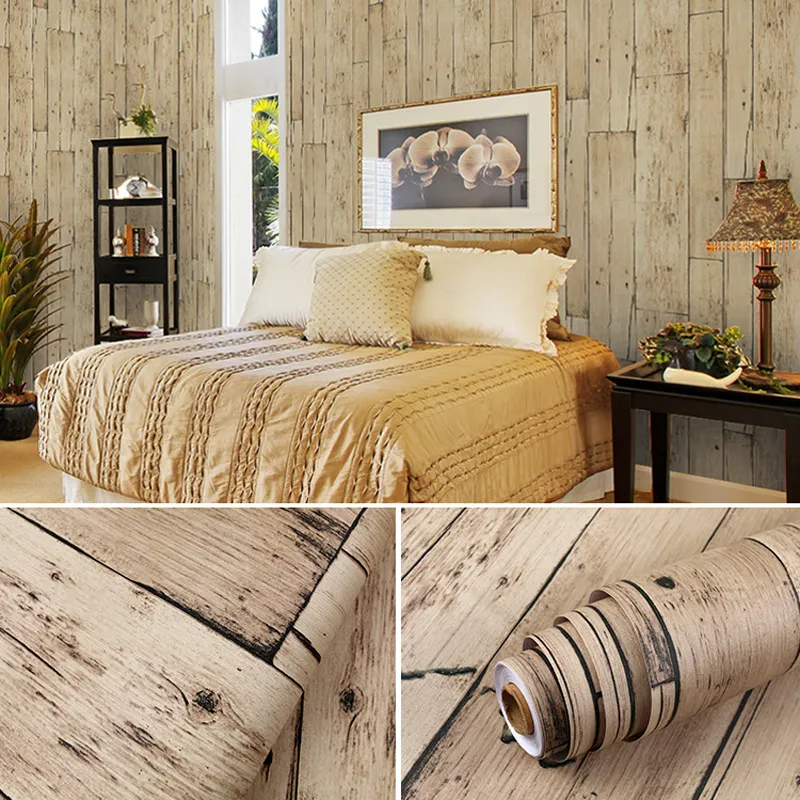
The versatility of fabric-backed PVC films has led to their adoption across a remarkably diverse range of sectors. Below are the key markets where these materials deliver critical value.
In this sector, decorative films are subjected to daily wear. High-quality coated materials resist scratches, fading, and moisture, making them ideal for kitchen cabinets, wardrobes, and office desks. The ability to replicate authentic wood grains and stone patterns at a fraction of the cost of natural materials is a primary driver of their popularity.
From waterproofing membranes to decorative wall panels, the construction industry relies on the dimensional stability and rot-proof nature of fabric PVC films. Their lightweight property reduces structural load, while their flexibility accommodates complex architectural designs. These films serve as durable alternatives to paint, wallpaper, and ceramic tiles in both residential and commercial buildings.
Vehicle interiors demand materials that can withstand extreme temperature fluctuations and heavy use. Coated fabrics used in seat covers, door panels, and dashboards must meet strict flammability standards and exhibit long-term UV resistance. The comfort and aesthetic appeal of modern vehicles are heavily reliant on advanced PVC coating technologies.
Sanitation is paramount in healthcare. Fabric PVC films with antimicrobial additives are extensively used for hospital mattress covers, privacy curtains, and flooring. Their non-porous surface prevents the absorption of bodily fluids and is easily cleaned with harsh disinfectants, thus ensuring a sterile environment and compliance with infection control protocols.
Choosing among the many fabric pvc film manufacturers requires a focus on operational stability. Look for a partner with full in-house production rather than a network of outsourced workshops. In-house calendering and printing guarantee a cohesive quality chain and protect proprietary designs. Furthermore, evaluate their supply chain strength: Can they secure raw material supply and buffer against PVC resin market volatility? A manufacturer with global export experience, particularly to regions with strict regulatory environments like Europe and North America, is a safer bet. They should provide transparent lead times and flexible logistics support, minimizing your inventory pressure.
Modern procurement strategy must account for environmental impact. Progressive manufacturers are moving beyond traditional formulations to offer phthalate-free and lead-free products. By utilizing eco-friendly plasticizers and inks, they produce films suitable for enclosed indoor spaces without off-gassing concerns. Additionally, initiatives supporting the circular economy for PVC are becoming a differentiator. This includes improving recyclability and incorporating life cycle assessment data, ensuring that durable materials do not come at the expense of future sustainability.
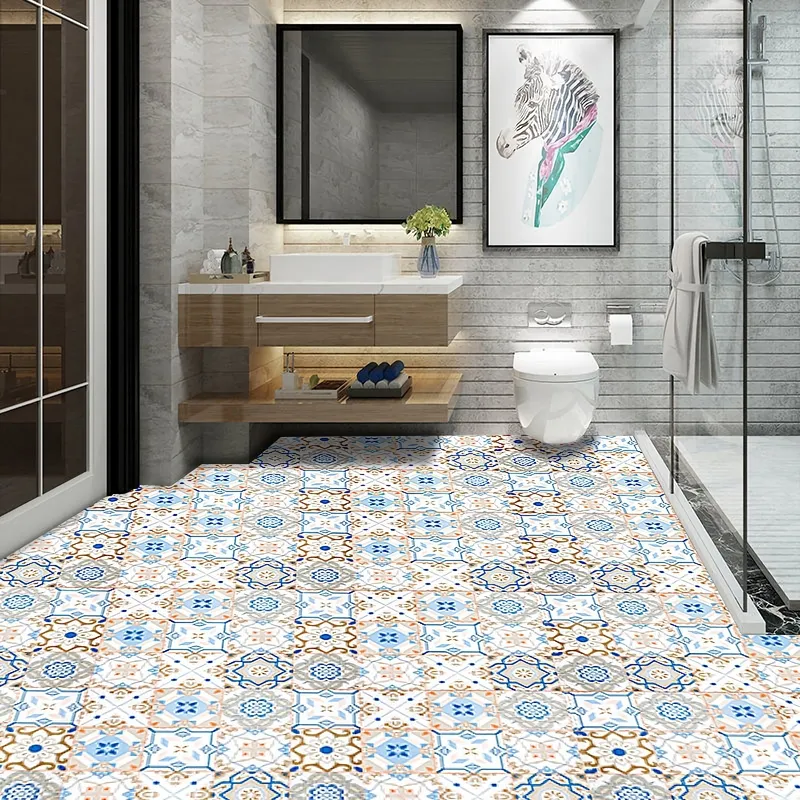
Even the best materials can fail if not properly handled. Common issues include plasticizer migration, uneven gloss, and delamination. A knowledgeable technical support team is therefore an extension of the product itself. Migration, which causes staining on adjoining painted surfaces, is prevented through the use of polymeric plasticizers and specific curing processes. Delamination of the fabric from the PVC layer is a result of insufficient bonding agents or incorrect process heat—issues preempted by strict in-line QC checkpoints. Suppliers who offer detailed lamination guidance and temperature profiling ensure that the final converted product performs exactly as predicted, even under high-frequency welding or sewing operations.
The intersection of material science and digital technology is creating new frontiers for fabric PVC films. Emerging trends include anti-fingerprint coatings, self-healing top layers, and films compatible with digital inkjet printing. These innovations allow for short-run customization and personalized interior surfaces without the need for expensive gravure cylinders. Furthermore, the integration of functional layers—such as heating elements or OLED components—into the film structure is a developing area where reliable fabric pvc film manufacturers are actively investing in R&D. Staying informed about these advancements helps buyers future-proof their product lines and maintain a competitive edge.