Address
304 North Cardinal St.
Dorchester Center, MA 02124
Work Hours
Monday to Friday: 7AM - 7PM
Weekend: 10AM - 5PM
Address
304 North Cardinal St.
Dorchester Center, MA 02124
Work Hours
Monday to Friday: 7AM - 7PM
Weekend: 10AM - 5PM


 ByPulivk
Pearl PVC membrane film has rapidly become a go-to material for interior designers, furniture manufacturers, and architects seeking a perfect balance between aesthetic appeal and functional durability. Unlike standard solid color films, the pearlescent effect adds a layer of depth and sophistication that shifts subtly under different lighting conditions, mimicking the luxurious look of natural mother-of-pearl. Whether you are renovating a residential space, designing commercial cabinetry, or sourcing materials for mass production, understanding the features, applications, and buying criteria for pearl pvc membrane film is essential to making an informed decision.
This guide delves deep into the material’s properties, providing a comprehensive overview for B2B buyers, contractors, and DIY enthusiasts. We will explore how this film is manufactured, why it stands out from traditional laminates, and how to source high-quality rolls from reliable suppliers. With advancements in calendering technology, modern pearl PVC films offer enhanced scratch resistance and UV stability, making them suitable for both vertical and horizontal applications.
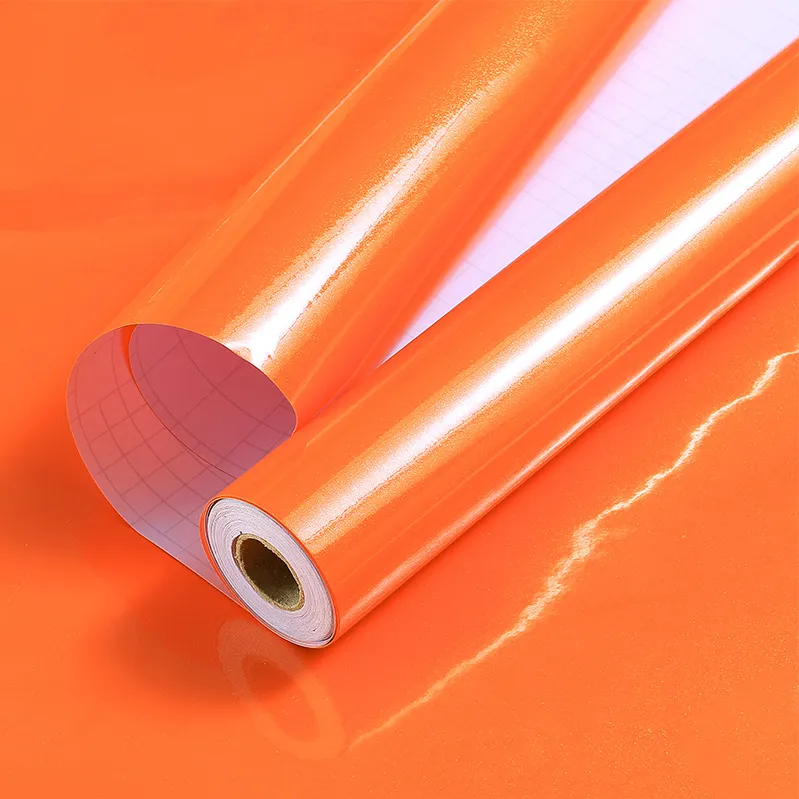
The unique shimmer of a pearl PVC film is not simply a printed pattern; it is a structural characteristic achieved through specialized calendering and pressing techniques. The base material typically consists of polyvinyl chloride resin, plasticizers, stabilizers, and pearl pigments. The key differentiator lies in the reflective pigment particles that align within the film layers to create the distinctive luster. This isn’t just a surface treatment; the pearlescent effect permeates the material, ensuring that the shine does not wear off easily.
When evaluating pearl pvc membrane film, several technical specifications must be considered. The material conforms to various ASTM Plastics Standards which define criteria for tensile strength, elongation, and dimensional stability. High-quality films offer a uniform thickness, usually ranging from 0.10mm to 0.50mm, allowing for deep draw ratios during membrane pressing without tearing or whitening. The surface hardness also matters; a suitable film resists fingernail scratches and general wear and tear, keeping furniture surfaces looking new for years.
| Feature | Specification | Benefit |
|---|---|---|
| Surface Finish | High-Gloss Pearlescent | Superior depth perception and light reflection |
| Thickness Range | 0.10mm – 0.50mm | Deep draw capability for complex 3D shapes |
| Width Options | Up to 1500mm | Minimizes seams on large panels |
| Durability | Scratch & Stain Resistant | Suitable for high-traffic areas and kitchens |
The versatility of pearl PVC membrane film extends across multiple industries. While it is predominantly used in the furniture industry for surface finishing, its application scope has broadened significantly due to its moisture-resistant properties and ease of maintenance. Below are the primary sectors that benefit from this material.
Perhaps the most common use case is in the production of 3D laminated doors, drawer fronts, and bed frames. The film is applied over medium-density fiberboard (MDF) using vacuum membrane presses. The resulting surface is seamless, waterproof, and available in finishes that realistically mimic high-end paints or exotic materials but at a fraction of the cost. The ability to wrap complex curves without failure is a hallmark of a premium glossy wardrobe film and pearl finishes alike.
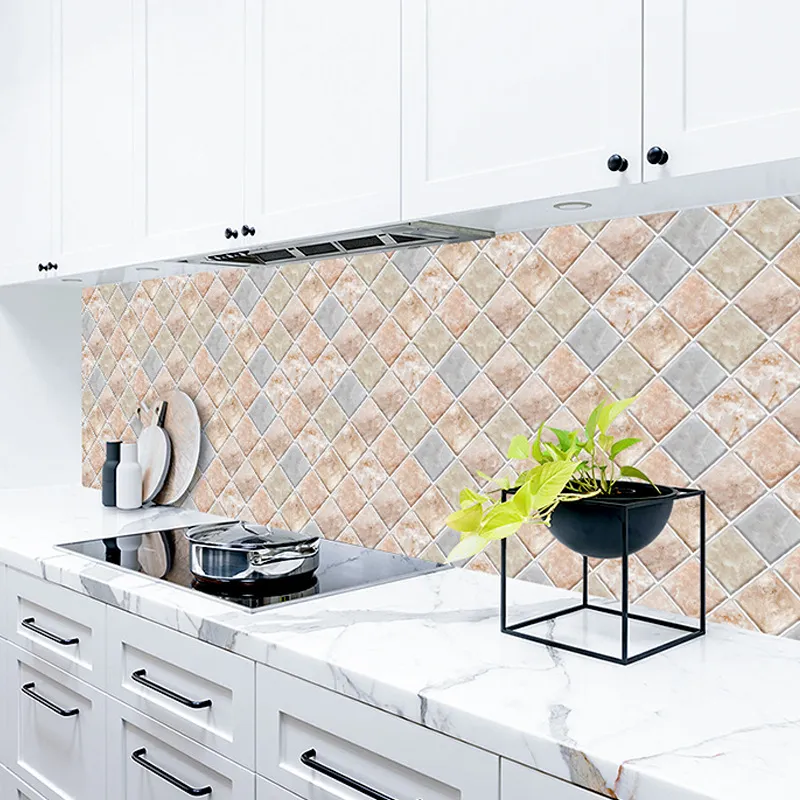
Interior designers frequently specify pearl films for wall paneling, especially in commercial settings like hotels, restaurants, and retail stores where ambiance is critical. The film reflects light, making spaces appear larger and more luxurious. According to industry standards like ASTM D2457, measuring the specular gloss of plastic films ensures the reflective quality meets design specifications. Unlike wallpaper, PVC wall panels offer better durability and simple washability.
Standard flush doors upgraded with pearl PVC film instantly look like expensive lacquered doors. Similarly, PVC skirting film in matching pearl tones provides a cohesive, high-end finish that ties the room together. This creates an easy-to-clean joint between the floor and the wall, preventing moisture ingress at the base.
Sourcing compliant materials is crucial, particularly for markets in Europe and North America. Buyers must ensure the film meets environmental and safety regulations. Reputable manufacturers use non-toxic, eco-friendly inks and calcium-zinc stabilizers rather than lead-based heat stabilizers. Furthermore, compliance with ASTM D1593 ensures the nonrigid vinyl sheeting performs predictably under stress. This standard is essential for verifying the mechanical integrity of the film during the vacuum forming process.
Procurement teams often look at the yield factor. The relationship between thickness, density, and square footage per roll dictates the project cost. Adherence to Plastic Film Yield testing standards helps buyers verify they are receiving the correct surface area. A common pitfall is buying film that is too thin to hide substrate imperfections; pearl films require a specific opacity to prevent the dark MDF core from showing through, usually achieved by a colored backing layer.
| Potential Issue | Root Cause | Solution |
|---|---|---|
| Edge lifting | Weak adhesive or insufficient activation temperature | Use PU-based adhesives and ensure correct hot-press settings |
| Discoloration | Lack of UV stabilizers | Specify UV-resistant grades for sun-exposed areas |
| Cracking when wrapping | Low PVC resin quality or incorrect plasticizer ratio | Verify Plastic Film Tensile Testing data before bulk purchase |
Selecting a supplier is as critical as selecting the product itself. The market is flooded with options, but the consistency of batch colors and the purity of the pearlescent pigment separate premium films from cheap alternatives. Look for a supplier with a fully integrated production chain. This ensures that no sub-standard materials enter the process, and the factory can control the chemical formula precisely.
A supplier with in-house calendering, printing, and split-packaging lines, such as Henan Pulivk New Materials Co., Ltd., offers distinct advantages. By controlling the full chain from raw material processing to finished packaging, they ensure stable quality and faster lead times. This direct control often translates into product that meets strict PVC Film Dimensional Stability requirements, which is vital for membrane pressing operations where shrinkage must be predictable and minimal.
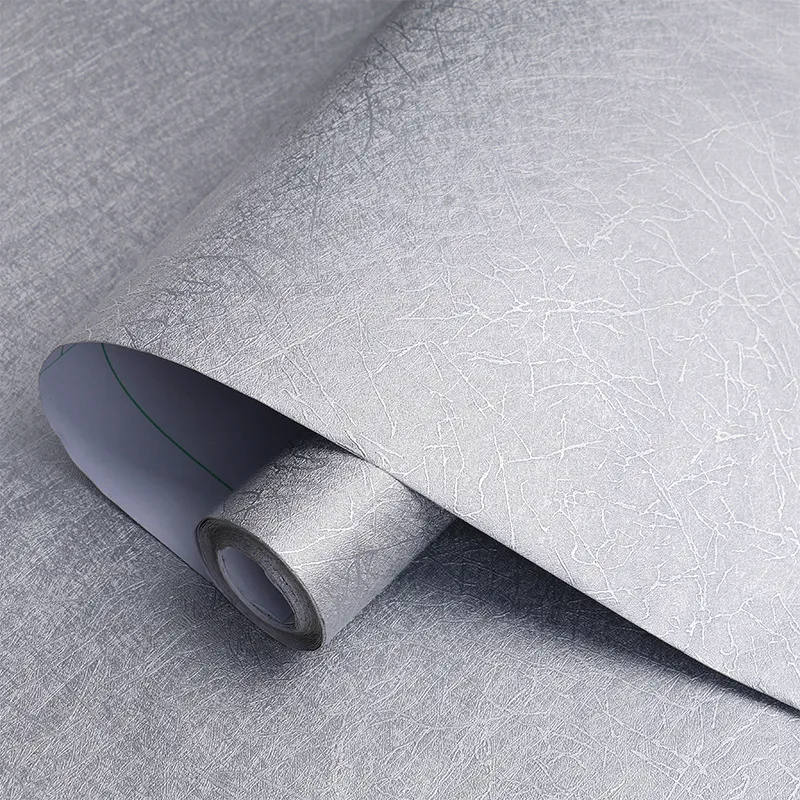
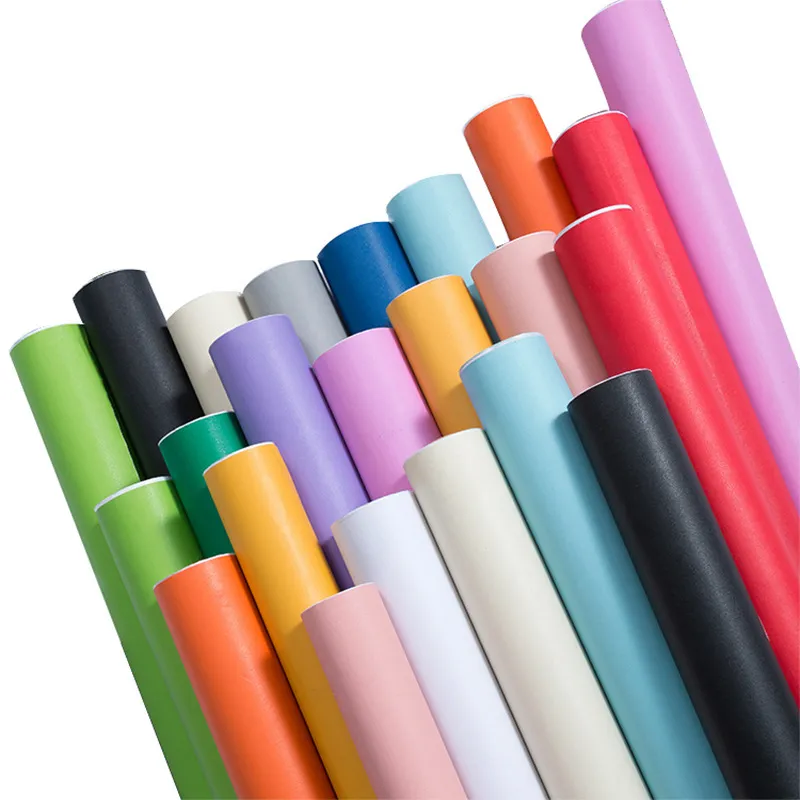
Every interior design project has unique color requirements. The best suppliers maintain an extensive color palette but also offer customized color matching services. Whether you need to match a specific RAL or Pantone reference, the ability to embed that precise shade into the marble film or pearl base is a valuable service. This flexibility, combined with customizable widths and reel lengths, allows for efficient material usage and less scrap on the factory floor.
Even the highest quality film will fail if not applied correctly. The application of pearl PVC film typically involves a lamination process using a membrane press. The MDF must be finely sanded, and the glue must be applied uniformly. The activation temperature is a narrow window; too low, the glue doesn’t bond; too high, the film over-stretches and loses its pearlescent pattern consistency. Always test run conditions using sample pieces to avoid costly mass-production errors.
The PVC industry has faced scrutiny regarding environmental impact, driving innovation toward more sustainable practices. Modern pearl PVC films are often recycled in closed-loop systems within the factory. Furthermore, the shift toward phthalate-free plasticizers is aligning these products with global regulatory frameworks. The lifecycle of a well-applied membrane film also contributes to sustainability by dramatically extending the life of affordable wood composites, reducing the need to harvest hardwood timber for decorative surfaces.
Before finalizing an order, many procurement professionals have specific questions regarding the technical limits and long-term performance of the material.
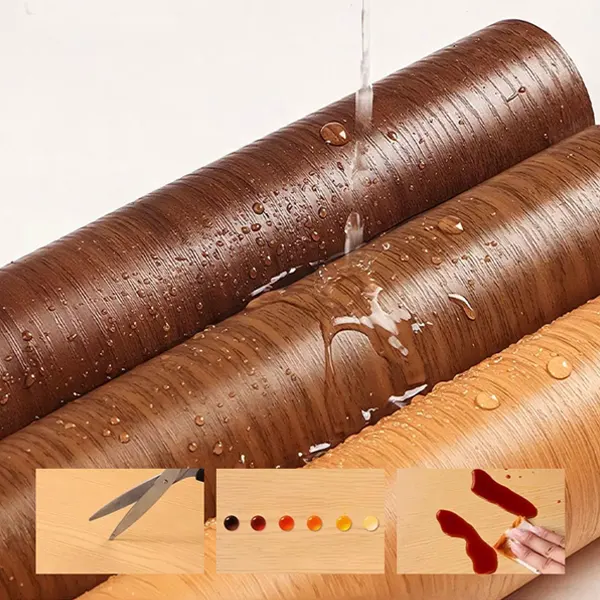
Absolutely. These films are impervious to moisture and steam, making them superior to wood veneers in humid conditions. The surface can be cleaned with standard non-abrasive household cleaners without dulling the gloss. This is a significant advantage over conventional paint which can peel in damp environments.
Standard widths vary depending on the production line but typically span 1250mm or 1500mm. Custom slitting is available to fit specific factory setups. Roll lengths are usually between 100 meters and 200 meters, though split-packaging options allow for smaller trial orders in fixed-length rolls protected by dust-proof PE film.
Upon arrival, check the film for visual defects such as fish-eyes, black spots, or color streaks. Measure the thickness with a micrometer in multiple locations across the web width. Verify the gloss level visually against the approved control sample. Also, it is advisable to test a small patch wrap on your specific MDF grade and glue system before running full production.