Address
304 North Cardinal St.
Dorchester Center, MA 02124
Work Hours
Monday to Friday: 7AM - 7PM
Weekend: 10AM - 5PM
Address
304 North Cardinal St.
Dorchester Center, MA 02124
Work Hours
Monday to Friday: 7AM - 7PM
Weekend: 10AM - 5PM


 ByPulivk
Understanding the physical properties of PVC films is essential for selecting the right material for your project. Among these properties, density plays a critical role in determining performance, durability, and application suitability. Whether you are sourcing PVC calendered film for furniture lamination or floor film for high-traffic areas, density influences everything from weight to mechanical strength.
PVC film density refers to the mass per unit volume of the material, typically expressed in grams per cubic centimeter (g/cm³) or kilograms per cubic meter (kg/m³). For most rigid and flexible PVC formulations, the density ranges between 1.16 and 1.55 g/cm³, depending on the type and amount of plasticizers, fillers, and additives used during production.
In practical terms, density directly correlates with the weight of the film roll. A higher-density film will weigh more for the same thickness and width, which impacts shipping costs, handling, and installation. Manufacturers like Henan Pulivk New Materials Co., Ltd. carefully control density parameters to meet specific application requirements across industries.
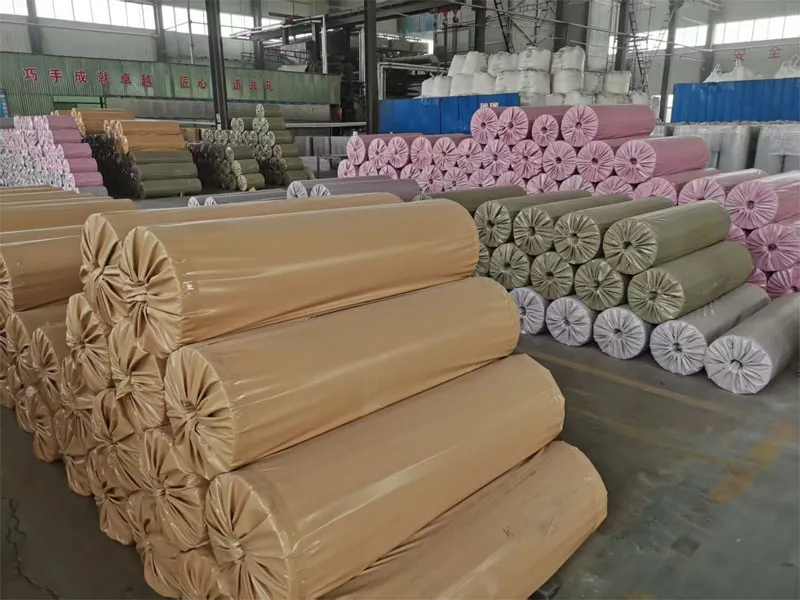
Calculating the density of PVC film can be done using a straightforward formula based on mass and volume measurements. The standard approach involves the following steps:
For production environments, inline thickness gauges and automated weighing systems allow real-time density monitoring. Refer to the ASTM PVC Film Standard for detailed testing methodologies that ensure accurate and repeatable results.
Density is far more than a numerical specification—it directly influences several key performance attributes of PVC films. Understanding these relationships helps engineers and buyers make informed decisions.
Higher-density PVC films generally exhibit superior tensile strength and tear resistance. This makes them ideal for demanding applications such as floor film and industrial protective coverings where long-term durability is essential.
Films with lower density, typically achieved through the addition of plasticizers, offer enhanced flexibility and conformability. These are preferred for applications like marble film wraps and curved surface laminations where the material must stretch and adhere smoothly.
Density affects the yield per kilogram of raw material. A film with optimized density provides more coverage area per unit weight, reducing material costs without compromising quality. This is particularly important for large-scale projects using wood grain film in furniture manufacturing.

The following table provides an overview of typical density values for various PVC film types, illustrating how formulation and application influence this critical parameter.
| PVC Film Type | Typical Density (g/cm³) | Common Applications |
|---|---|---|
| Rigid PVC Film (Unplasticized) | 1.35 – 1.55 | Packaging, credit cards, construction profiles |
| Flexible PVC Film (Plasticized) | 1.16 – 1.35 | Decorative films, automotive interiors, flooring |
| Calendered PVC Film | 1.20 – 1.40 | Furniture lamination, wall panels, signage |
| Foamed PVC Film | 0.50 – 0.90 | Lightweight displays, insulation, cushioning |
| Filled PVC Film | 1.40 – 1.65 | Cost-effective flooring, heavy-duty coverings |
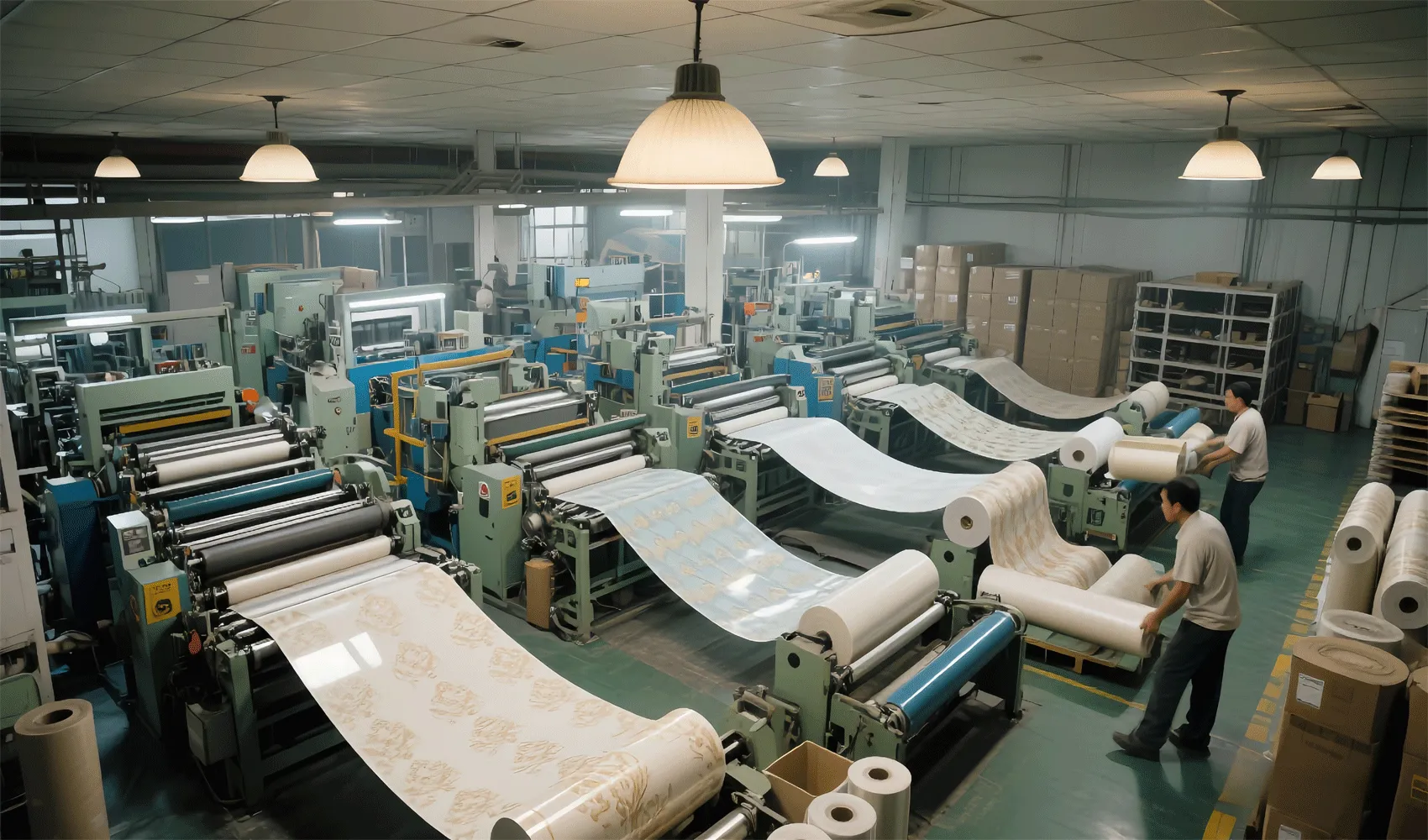
Multiple factors during formulation and processing influence the final density of PVC film. Understanding these variables allows manufacturers to tailor products to specific customer needs.

Choosing the right density level depends heavily on the intended application. Here is how different industries approach density requirements:
Adherence to internationally recognized testing standards ensures consistent quality and facilitates global trade. Key standards relevant to PVC film density and related properties include:
These standards provide the framework for reliable density measurement and ensure that products meet the specifications required by industries worldwide.
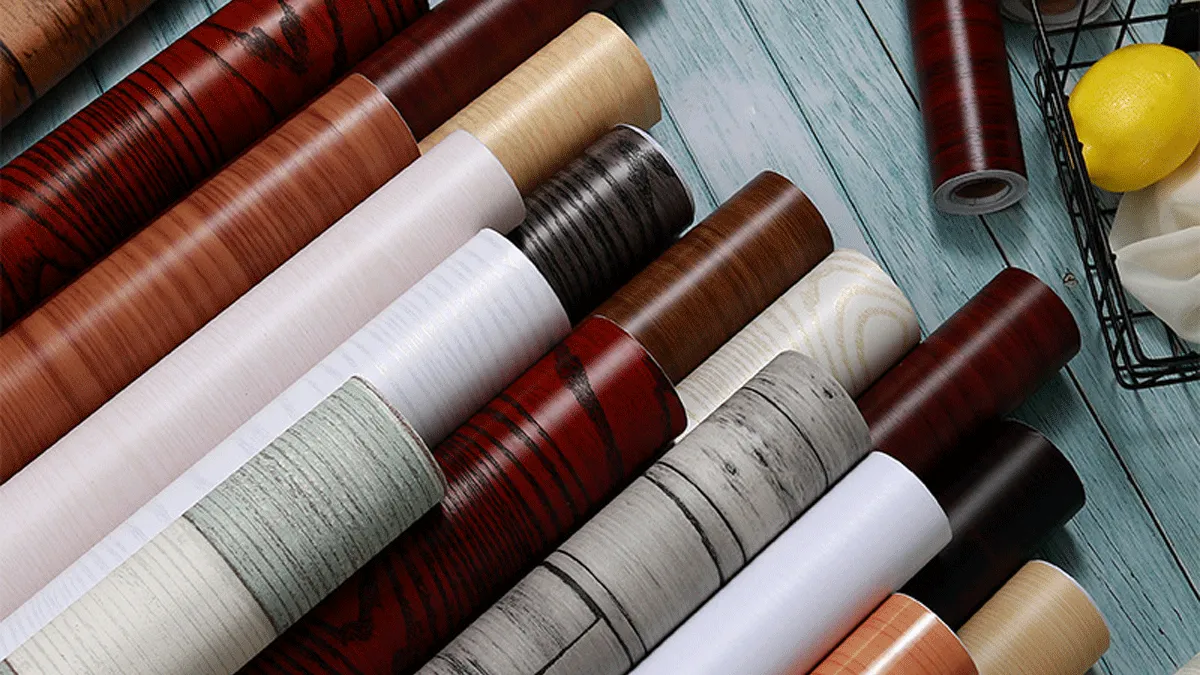
PVC film density is a fundamental parameter that affects mechanical performance, cost efficiency, and application suitability. By understanding how to calculate and interpret density values, buyers and engineers can select the optimal film for their projects—whether it is calendered film for furniture, durable floor film for commercial spaces, or decorative marble film for interior design. Partnering with experienced manufacturers who maintain strict quality control over density specifications ensures consistent results and long-term satisfaction.