Address
304 North Cardinal St.
Dorchester Center, MA 02124
Work Hours
Monday to Friday: 7AM - 7PM
Weekend: 10AM - 5PM
Address
304 North Cardinal St.
Dorchester Center, MA 02124
Work Hours
Monday to Friday: 7AM - 7PM
Weekend: 10AM - 5PM


 ByPulivk
When it comes to packaging and preserving food, safety is the absolute priority. Food-grade PVC film has become a staple in both commercial and household environments, valued for its excellent clarity, flexibility, and cost-effectiveness. Whether you are wrapping fresh produce, sealing meal trays, or protecting food during transport, understanding the specific properties of PVC film food applications is essential for making the right choice.
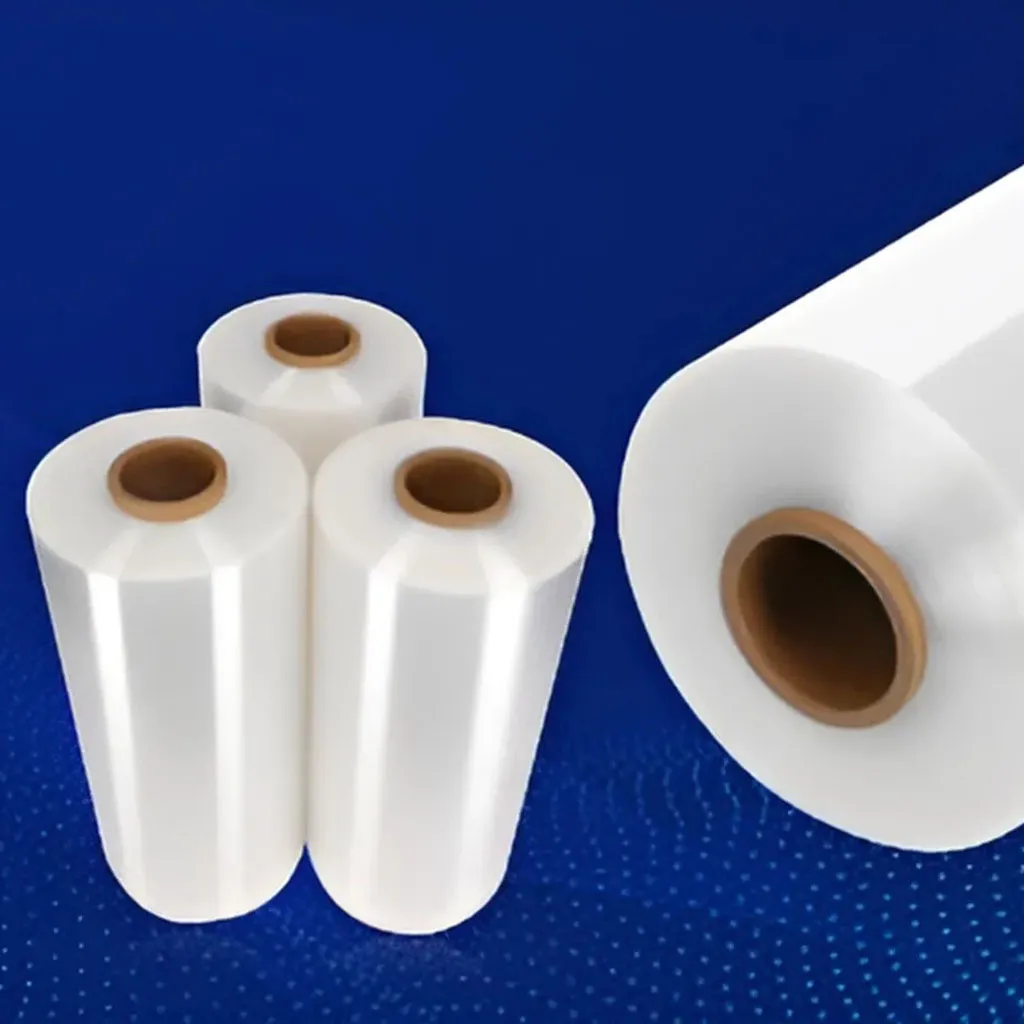
Not all PVC films are created equal. Food-grade variants are manufactured under strict specifications to ensure they are safe for direct and indirect food contact. The base polymer is combined with non-toxic plasticizers and stabilizers that comply with international health standards. Unlike industrial-grade films, these materials are free from heavy metals like lead and cadmium. It’s crucial to verify that the film meets rigorous regulatory standards for plasticizers and phthalates in food contact applications.
Before purchasing, always look for compliance documentation. A trustworthy supplier will provide evidence of passing Thermoplastic Materials Standards. The film must not transfer harmful chemicals to the food, even under varying temperature conditions. Proper food-safe films are odorless and do not alter the taste or smell of the wrapped product. Manufacturers like Henan Pulivk New Materials Co., Ltd. focus on creating films that balance flexibility with structural integrity, ensuring strong seals without cracking.
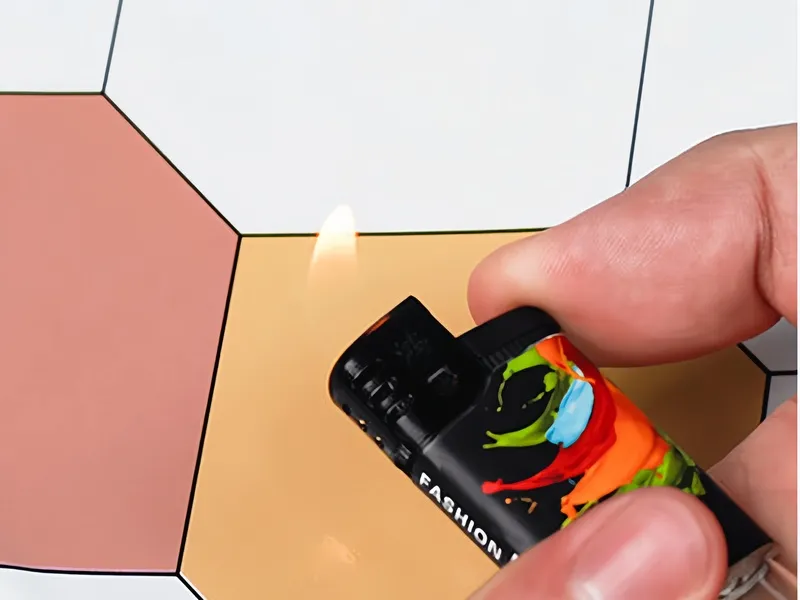
The versatility of PVC film makes it indispensable across various segments of the food supply chain. Its primary applications include:
Why choose PVC over alternatives like polyethylene or polypropylene? The table below highlights the distinct advantages of PVC food film.
| Feature | PVC Food Film Benefit |
|---|---|
| Clarity | Superior transparency allows for excellent product visibility and barcode scanning. |
| Cling | Exceptional self-adhering capability eliminates the need for additional adhesives. |
| Permeability | Controlled oxygen and moisture transmission rates to extend product shelf life. |
| Processability | Runs efficiently on high-speed automatic wrapping machines without tearing. |
| Cost | A highly economical solution for bulk packaging requirements. |
Selecting the right gauge and formulation depends heavily on the end-use. For heavy or sharp-edged items, you need a film with high propagation tear resistance. For wrapping machines, the coefficient of friction of plastic film is critical to ensure smooth feeding. Additionally, quantifying the surface shine is possible through specular gloss testing of plastic films, which is a key aesthetic requirement for retail display. Always request a technical data sheet that outlines these performance benchmarks.
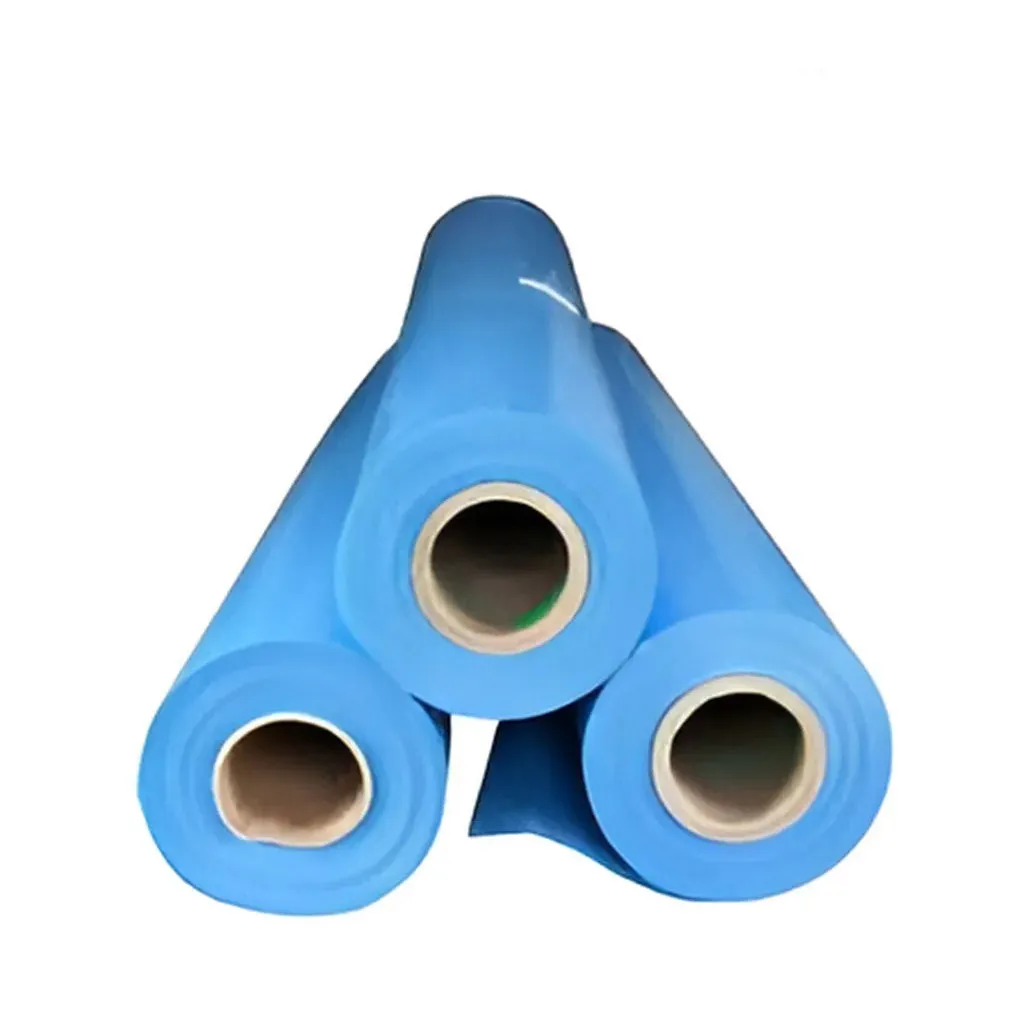
When sourcing pvc film food grade, one size does not fit all. A reliable production partner will offer extensive customization options. Look for facilities that can provide calendered film in various thicknesses, typically ranging from 10 to 50 microns, and widths up to 1500mm. The ability to create custom perforated patterns for breathability or custom slit rolls for specific machinery is a mark of a seasoned manufacturer. Ensure the supplier has a rigorous quality control system that checks for gels, fisheyes, and thickness variation.
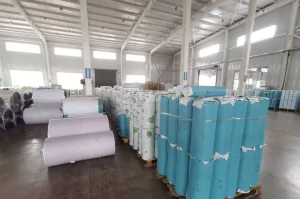
Proper packaging during transit is just as important as the film itself. Professional suppliers offer split packaging services, where master rolls are cut into fixed-length smaller rolls wrapped in dust-proof PE film or kraft paper. This guarantees that your kitchen and industrial films arrive uncontaminated and ready for immediate use. The rolls are clearly labeled with specifications and packed in export-standard cartons or pallets to prevent damage.
For distributors and food packaging companies, OEM services are a vital part of the supply chain. Whether you need private labeling, specific color tints, or custom printing with your usage instructions, a factory with advanced printing lines and calendering lines can integrate these requirements seamlessly. This full in-house production chain reduces lead times and ensures that the source-level quality is consistent from batch to batch. Minimum order quantities are generally flexible, making it easier to test market demand before committing to large-scale imports.
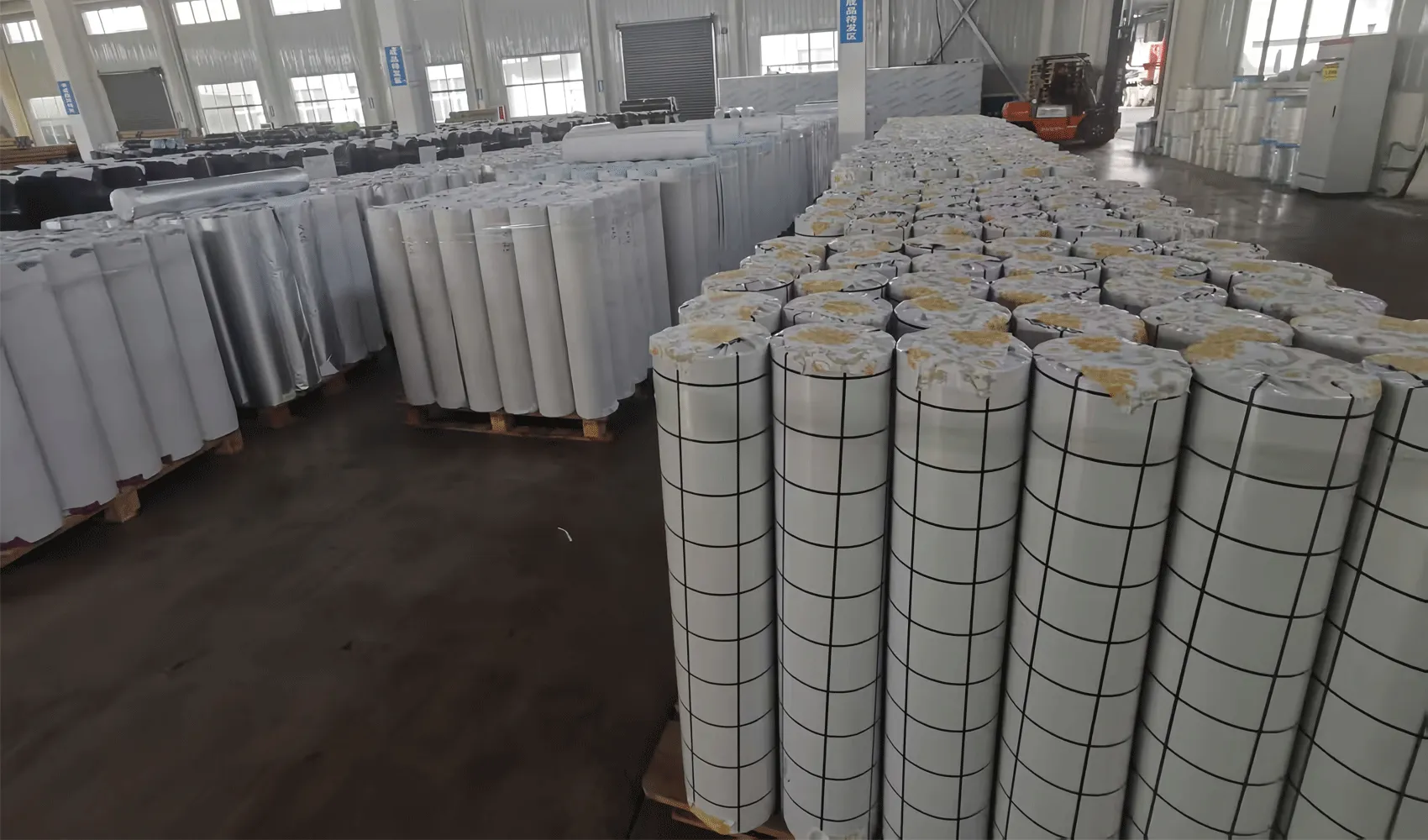
To maintain the shelf life of both the film and the food, store rolls in a cool, dry place away from direct sunlight. The film should be stored in its original packaging until it is ready to be used on the production line. Under correct storage conditions, food-grade PVC film maintains its physical properties and clarity for extended periods, making it a reliable choice for inventory management. When applying the film, ensure the target surface is clean and dry to maximize the cling and sealant properties.
Choosing the right food-grade PVC film is an investment in product quality and consumer safety. By prioritizing compliance with international safety standards and partnering with a manufacturer that offers a full in-house production chain—from raw material processing to finished packaging—you secure a stable supply of high-performance material that enhances the appearance and lifespan of your food products. Whether you need stretchable cling wraps, rigid tray-sealing layers, or custom-printed PVC film solutions, the focus should always remain on certified quality and responsive customer support.