Address
304 North Cardinal St.
Dorchester Center, MA 02124
Work Hours
Monday to Friday: 7AM - 7PM
Weekend: 10AM - 5PM
Address
304 North Cardinal St.
Dorchester Center, MA 02124
Work Hours
Monday to Friday: 7AM - 7PM
Weekend: 10AM - 5PM


 ByPulivk
Polyvinyl chloride (PVC) film is one of the most versatile polymer materials available today, transforming industries from interior design to heavy-duty industrial packaging. Its unique combination of durability, flexibility, and cost-effectiveness has made it a staple in both commercial and residential applications. Whether you are looking for a high-gloss decorative surface, a durable floor film solution, or a specialized barrier material, understanding the breadth of pvc film uses is essential for making informed material decisions.
The popularity of PVC film stems from its engineered versatility. By adjusting plasticizers, stabilizers, and processing methods, manufacturers can produce films ranging from rigid to highly flexible. This adaptability, combined with inherent flame retardancy and chemical resistance, allows it to meet strict regulatory standards, including the ASTM PVC Film Standard. The material can be formulated to resist UV degradation, block static electricity, or provide a soft, tactile feel, making it superior to many alternative materials in specific use cases.
PVC film uses span across a massive range of sectors. The construction and furniture sectors rely heavily on decorative and protective films, while the medical industry demands high-clarity, sterilizable barriers. Below, we break down the primary markets driving demand for this material.
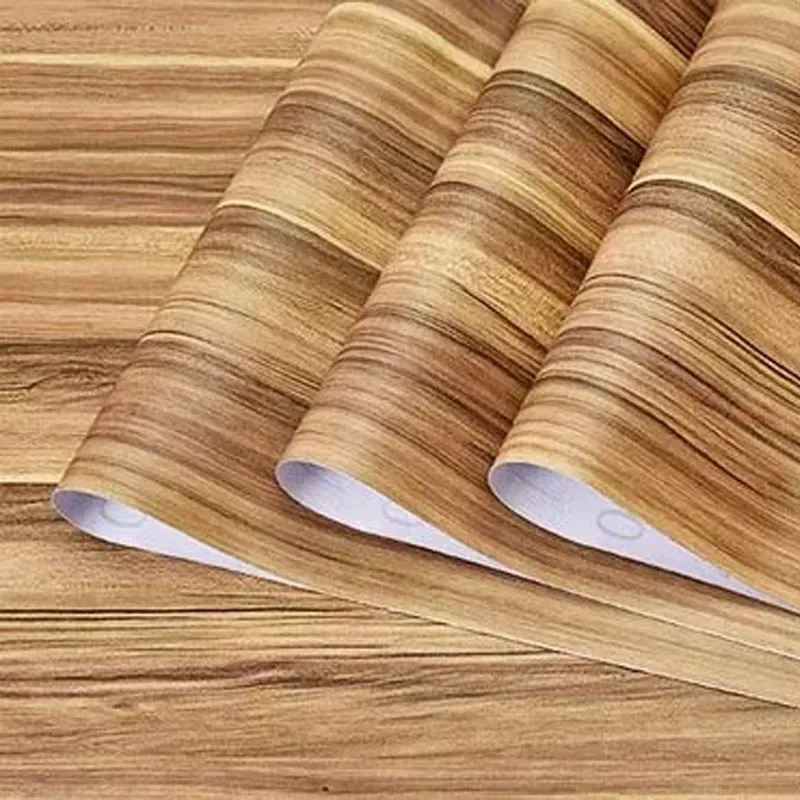
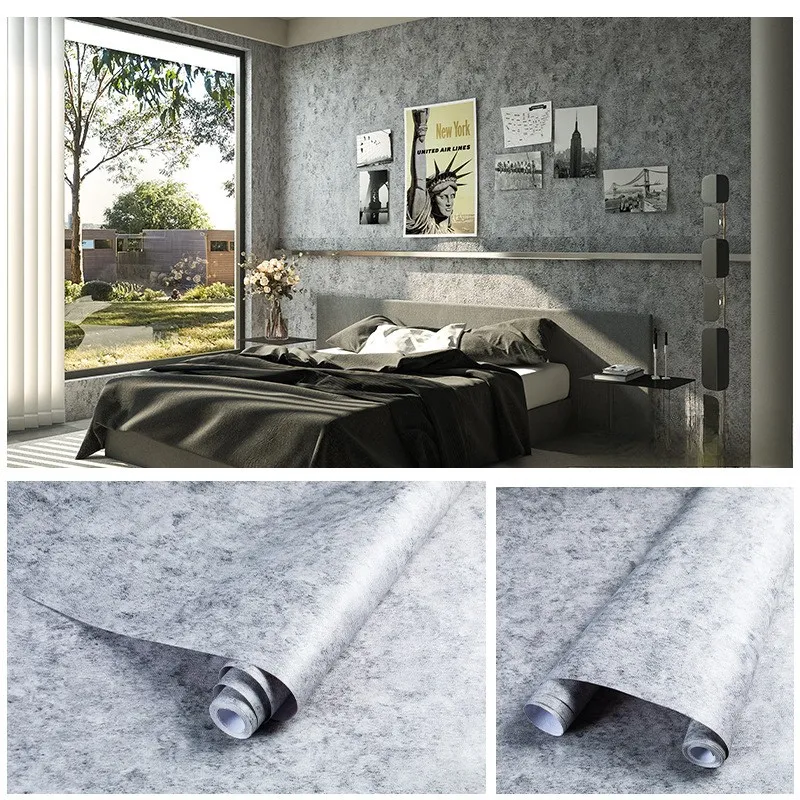
In the furniture industry, PVC decorative films have largely replaced traditional veneers and laminates due to their superior consistency and design flexibility. Products like wood grain film offer the authentic look of oak, walnut, or cherry without the cost or environmental impact of harvesting hardwood. These films are applied to MDF (Medium Density Fiberboard) and particleboard to create durable, scratch-resistant surfaces for kitchen cabinets, wardrobes, and office desks.

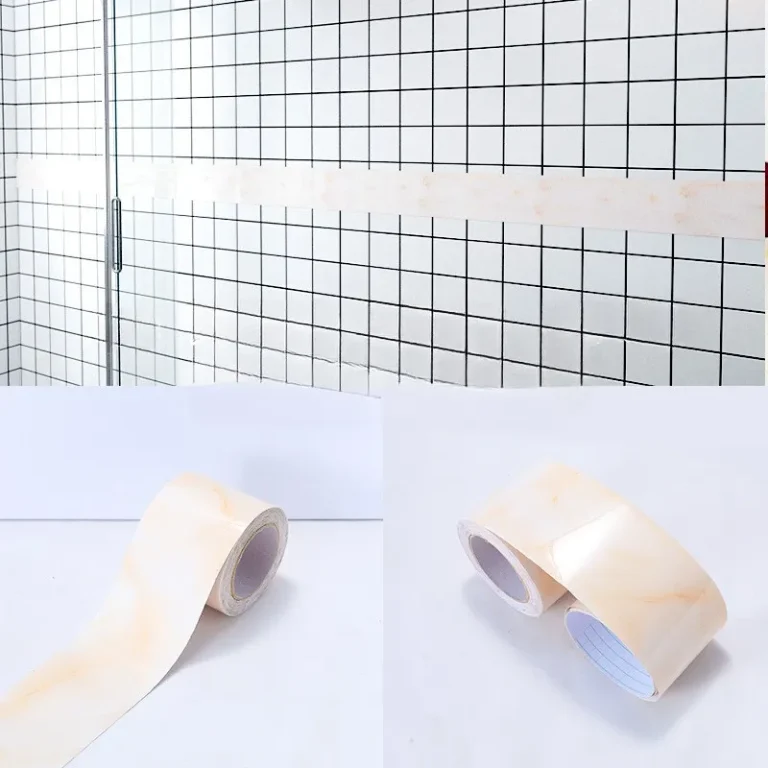
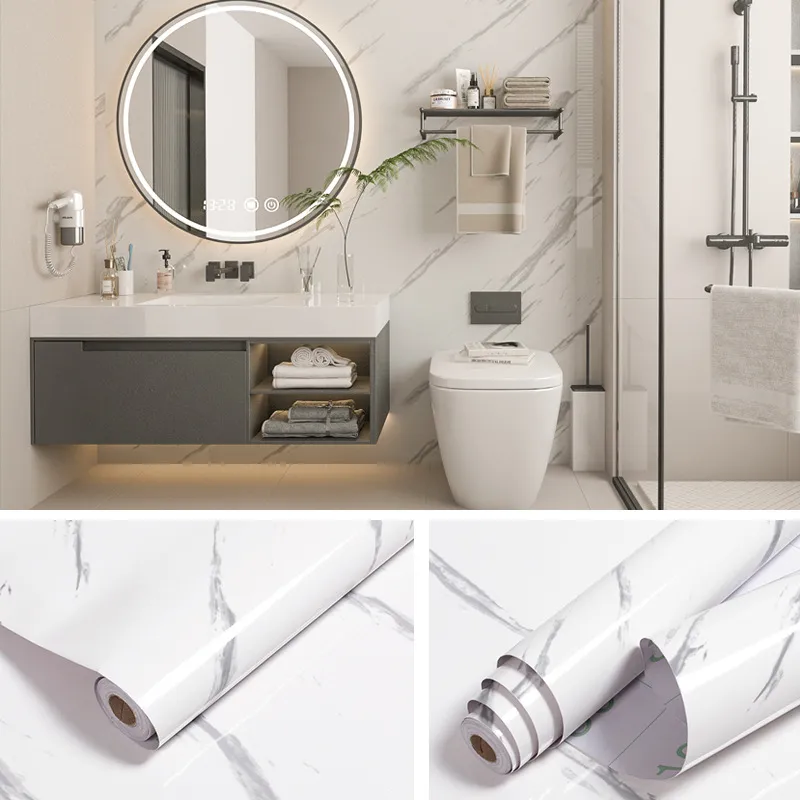
Beyond wood replication, marble film is increasingly popular for accent walls and tabletops, providing a luxurious stone aesthetic without heavy weight or difficult installation. The advent of 3D embossed films further enhances realism, adding texture that mimics natural materials.
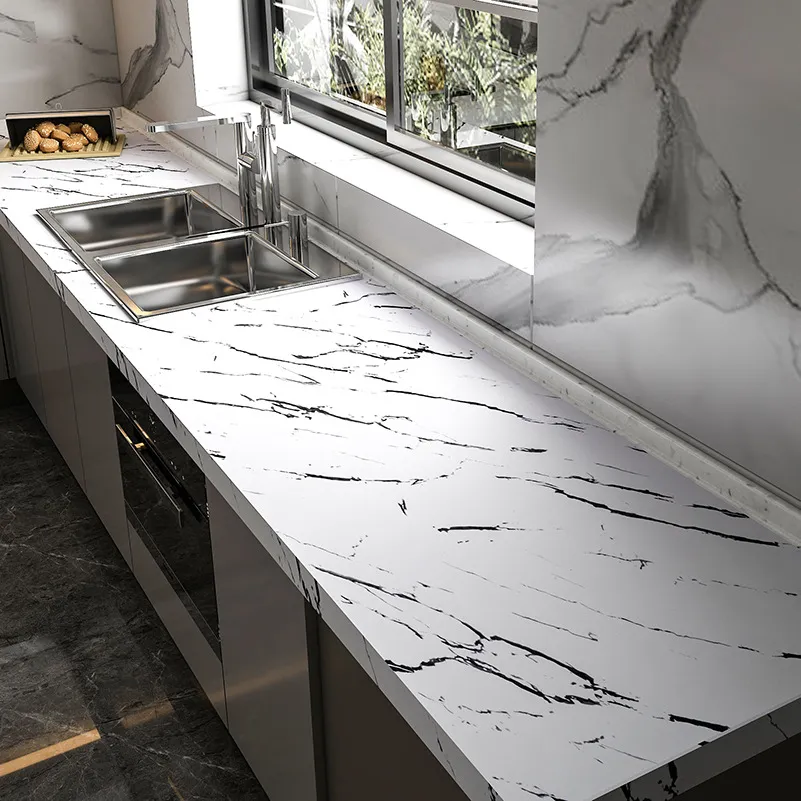
Construction applications heavily utilize the waterproof and durable nature of PVC. Wall decorations, ceiling panels, and skirting boards extensively use PVC films to provide a clean, modern finish that is easy to maintain. Unlike paint or wallpaper, these films resist moisture, mold, and staining, making them ideal for high-humidity environments. Their compliance with dimensional stability standards, often tested via methods derived from PVC Film Dimensional Stability protocols, ensures they don’t warp or peel over time.
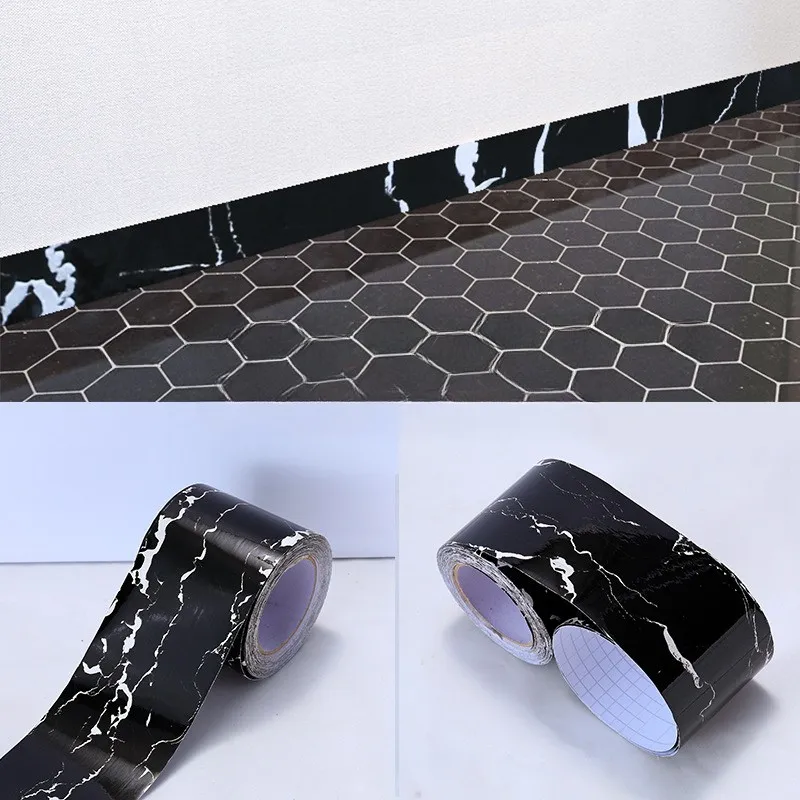
Luxury Vinyl Tile (LVT) and sheet flooring rely on thick, robust PVC films for the wear layer. These layers are engineered to withstand heavy foot traffic, chair scuffs, and pet claws. The pvc film uses in this sector demand excellent plastic film tear resistance and impact strength. Modern printing technologies allow these films to perfectly simulate ceramic tile, hardwood planks, and natural stone at a fraction of the cost and installation complexity.
The electronics industry requires highly specialized films. Anti-static PVC films are critical for packaging sensitive electronic components, preventing electrostatic discharge that can destroy circuit boards. For appliance surfaces, brushed metal and glossy finish films are applied to the exteriors of refrigerators, washing machines, and air conditioner panels. These films not only enhance visual appeal but also provide a protective barrier against corrosion and fingerprints.
In healthcare, pvc film uses extend to life-saving applications. Medical-grade PVC films are used for IV bags, blood storage containers, and sterile packaging because they can be formulated to be phthalate-free and biocompatible. In cleanrooms, antistatic and particulate-free PVC curtains and wall coverings help maintain sterile atmospheres by repelling dust and bacteria.
Printable PVC films are the backbone of the sign and display industry. High-opacity white films are used for lightbox advertising, vehicle wraps, and point-of-sale displays. The film’s ability to accept eco-solvent, UV, and latex inks while maintaining vibrant colors makes it perfect for outdoor banners that require weather resistance. Specialized 3D silk texture films are also entering the high-end visual display market, offering a unique tactile and visual depth that standard paper prints cannot match.
When specifying materials, engineers and designers prioritize several key attributes. PVC film often outperforms alternatives because of these specific benefits:
To better understand the scope of pvc film uses, it helps to categorize them by their specific formulations. The table below outlines some of the most requested variants in the industrial and consumer markets.
| Film Type | Primary Application | Key Characteristics |
|---|---|---|
| Calendered Transparent Film | Packaging, Stationery, Lamination | High clarity, flexible, cost-efficient |
| Wood Grain Decorative Film | Furniture, Interior Doors | Realistic texture, scratch-resistant |
| 3D Embossed Film | Luxury Wall Panels, Ceilings | Deep texture, paint-free, waterproof |
| Marble & Stone Look Film | Commercial Desks, Bathroom Vanities | Glossy finish, stain-resistant |
| PVC Skirting Film | Baseboard Protection, Decoration | Impact-resistant, easy to clean |
| Anti-Static Film | Electronics Packaging, Cleanrooms | Dissipates static, dust-repellent |
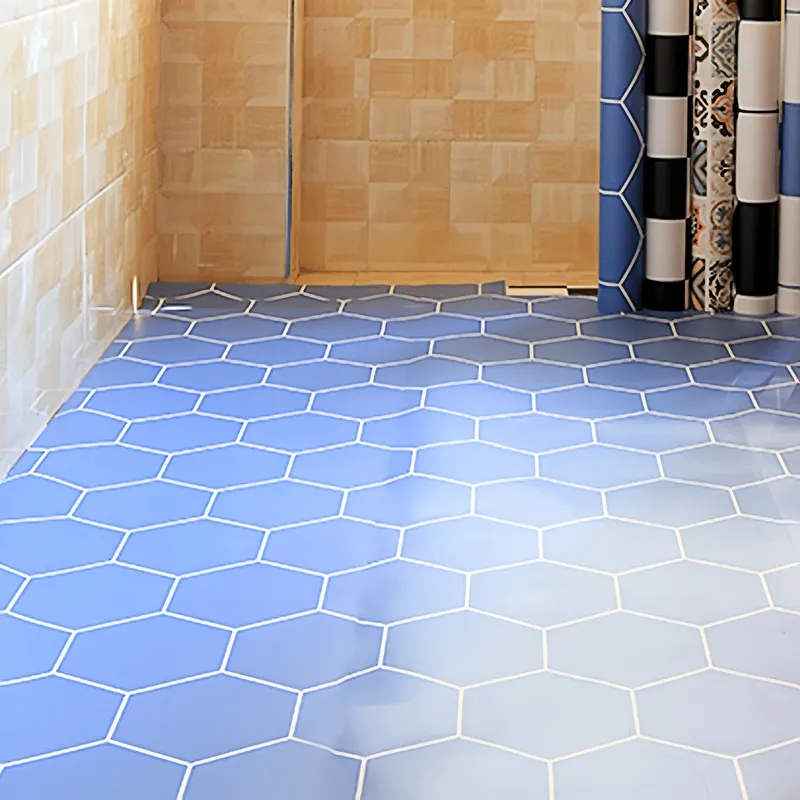
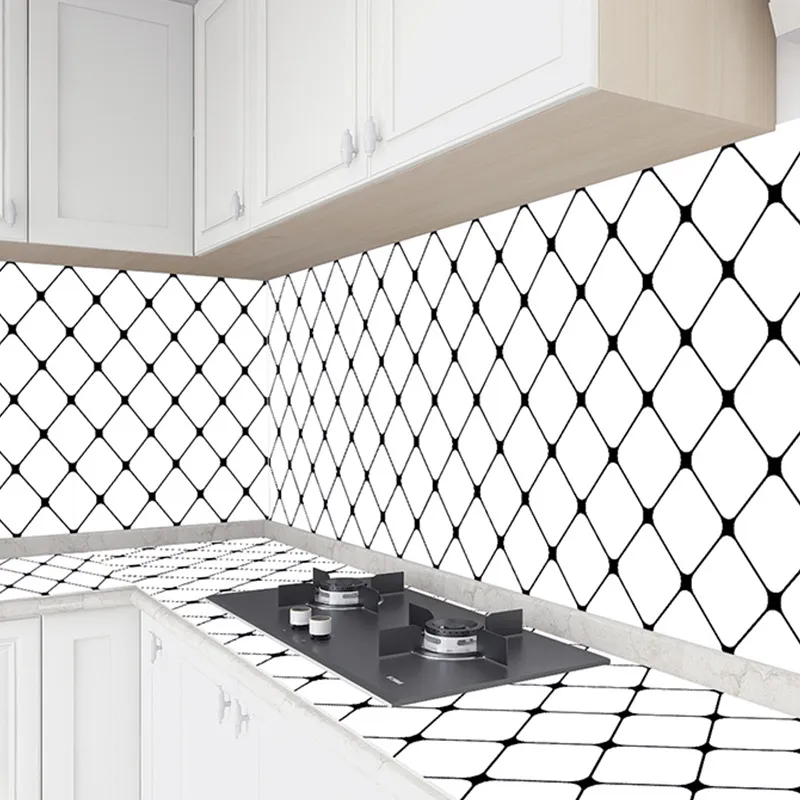
Beyond industrial settings, consumers interact with PVC film daily. In the kitchen, oil-proof aluminum foil composite films keep backsplashes clean, while thick transparent tablecloth films protect dining surfaces during messy meals. Bathroom floor stickers provide an instant, non-slip makeover for outdated tiles, and waterproof shower curtain films are a staple in millions of homes. The pvc film uses in these contexts focus on hygiene and easy maintenance, requiring only a damp cloth for cleaning.
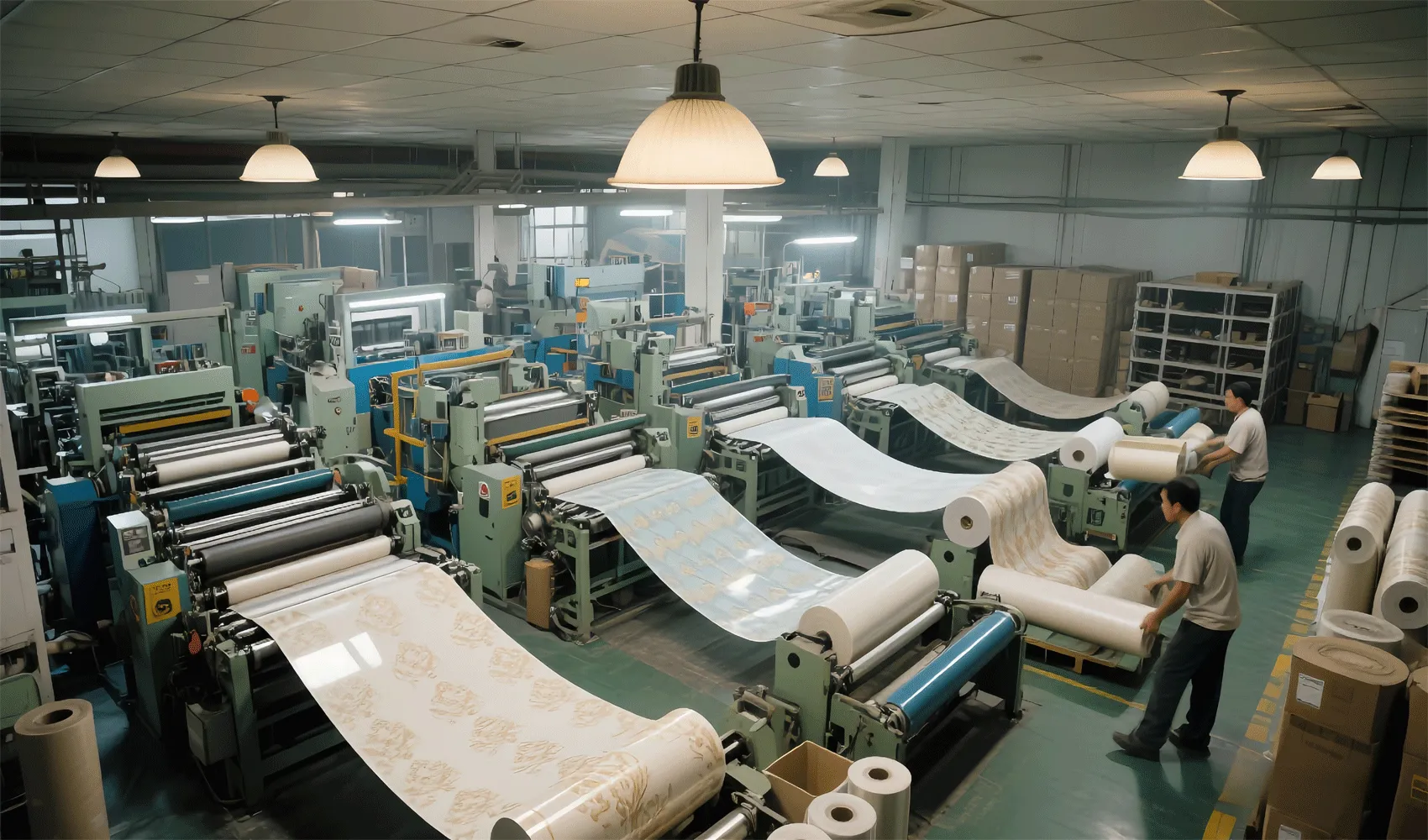
To ensure PVC film performs under demanding conditions, manufacturers adhere to rigorous testing for PVC film dimensional stability, tensile strength, and clarity. Companies like Henan Pulivk New Materials Co., Ltd., which operate integrated calendering, printing, and packaging lines, can control every variable from raw resin to the finished roll. This in-house control guarantees that the film meets specific thickness requirements—often crucial for plastic film thickness testing compliance—and delivers consistent color matching for large furniture orders.
Selecting the optimal film requires a clear understanding of the substrate, the expected traffic or wear, and the environmental exposure. For interior furniture, polyurethane-coated PVC films offer superior scratch resistance, while garden furniture requires films with advanced UV inhibitors to prevent fading. If the application involves food contact, it is vital to specify non-toxic, phthalate-free formulations that comply with global food safety regulations. Whether you need a high-gloss wardrobe film or an industrial-grade protective barrier, the diversity of pvc film uses ensures there is a tailored solution for virtually any surface challenge.