Address
304 North Cardinal St.
Dorchester Center, MA 02124
Work Hours
Monday to Friday: 7AM - 7PM
Weekend: 10AM - 5PM
Address
304 North Cardinal St.
Dorchester Center, MA 02124
Work Hours
Monday to Friday: 7AM - 7PM
Weekend: 10AM - 5PM


 ByPulivk
The global market for technical textiles continues to expand, driven by demand for materials that combine flexibility with extreme durability. At the center of this innovation lies the fabric PVC film factory, a specialized manufacturing hub where engineering meets polymer science. Unlike standard plastic sheeting, PVC-coated fabric integrates a woven polyester or nylon base with multiple layers of polyvinyl chloride, creating a composite that resists tearing, UV degradation, and chemical exposure far better than either material alone.
Industries ranging from construction and transportation to event management and agriculture rely on these coated textiles for tarpaulins, tensile membranes, truck covers, and inflatable structures. The production process demands precision—every batch must balance plasticizer ratios, coating thickness, and lamination temperatures to achieve the specified tensile strength and flexibility. This is where an experienced fabric PVC film factory distinguishes itself from commodity suppliers.
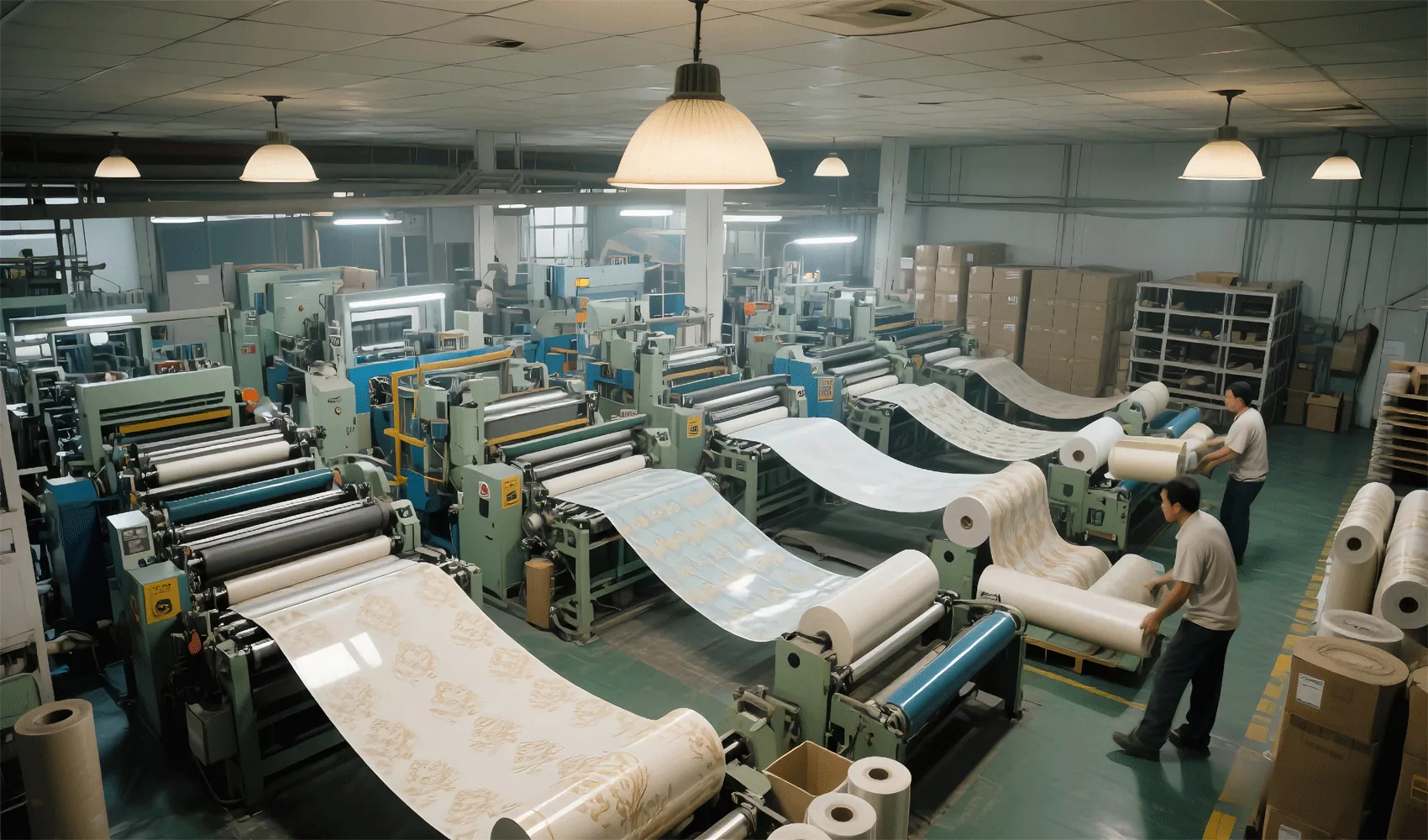
A vertically integrated PVC film manufacturer controls every stage of production, from base fabric weaving to final roll packaging. The process typically follows four sequential phases that determine the functional characteristics of the finished textile.
| Production Stage | Core Process | Quality Control Checkpoint |
|---|---|---|
| Base Fabric Preparation | High-tenacity polyester or nylon weaving with controlled denier and density | Tensile strength test per ISO 527-3 |
| Plastisol Compounding | PVC resin mixed with plasticizers, stabilizers, pigments, and functional additives | Viscosity measurement and dispersion analysis |
| Coating & Lamination | Knife-over-roll or calender coating with precise thickness control across the web | Thickness gauge monitoring every 50 linear meters |
| Surface Finishing | Embossing, lacquering, or anti-soiling topcoat application | Adhesion testing and visual inspection under controlled lighting |
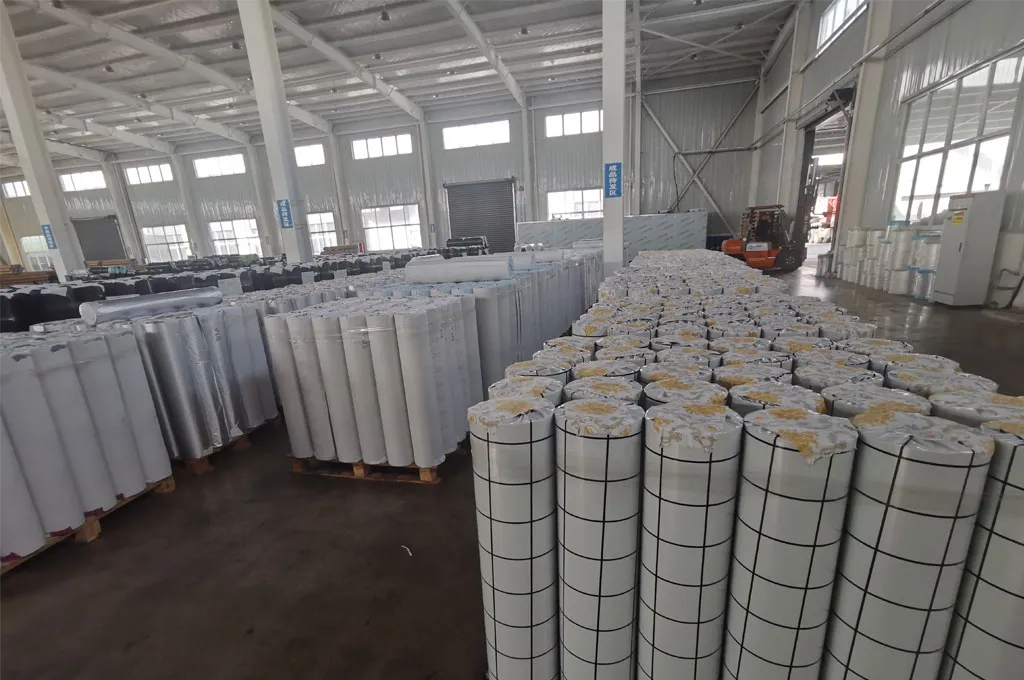
Not all coated fabrics are created equal. The coating technique fundamentally affects the product’s performance profile. Calendering forces the PVC compound through heated rollers directly onto the fabric, creating a dense, uniform layer ideal for waterproof tarpaulins and industrial curtains. Spreading or knife coating applies a liquid plastisol that penetrates deeper into the fabric interstices, producing superior adhesion for applications requiring repeated flexing.
A reputable fabric PVC film factory offers both methods and guides clients toward the appropriate technology based on end-use requirements. For instance, calendered PVC film performs exceptionally well in architectural membranes where consistent gauge and smooth surface finish are critical, while spread-coated fabrics excel in heavy-duty truck tarpaulins subjected to constant vibration and wind shear.
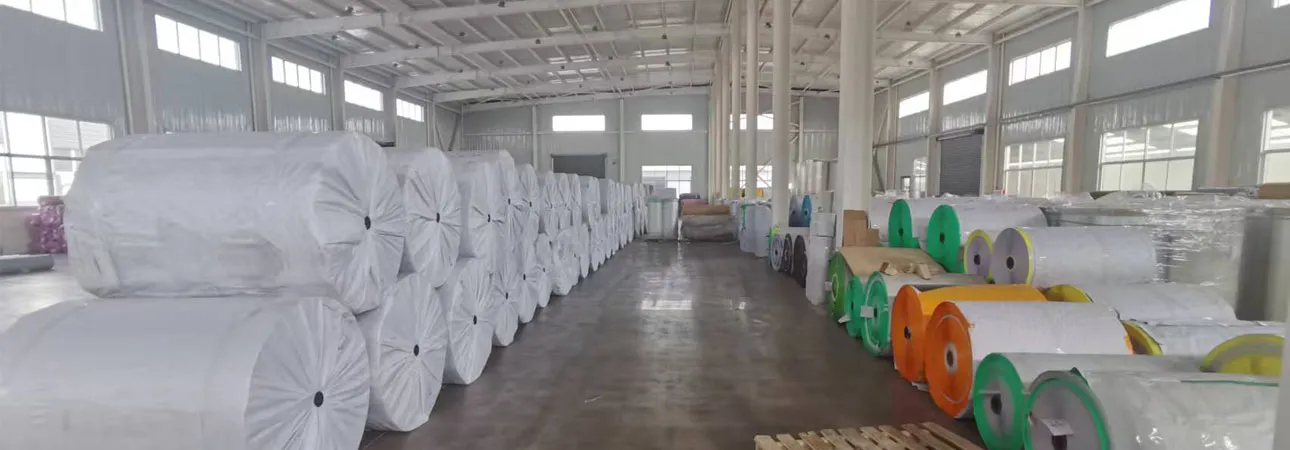
The true value of partnering with a custom PVC fabric solutions provider lies in the ability to tailor material properties to specific operational demands. Off-the-shelf products rarely match the exact requirements of complex industrial applications, which is why leading manufacturers invest heavily in R&D and formulation capabilities.
| Industry | Typical Application | Custom Property Required |
|---|---|---|
| Transportation | Truck side curtains, railcar covers | High abrasion resistance, weldable seams |
| Architecture | Tensile membrane roofs, facade cladding | Fire retardancy (EN 13501-1), translucency control |
| Agriculture | Biogas storage domes, silage covers | Chemical resistance, gas impermeability |
| Defense | Rapid-deployment shelters, camouflage covers | IR reflectance, extreme temperature tolerance |
While compliance with ASTM D1593 for nonrigid vinyl chloride plastic sheeting provides a baseline, top-tier fabric PVC film factory operations implement multi-stage inspection protocols that exceed industry norms. Optical inspection systems scan the full web width at production speeds, detecting pinholes, gel particles, and coating inconsistencies invisible to the human eye. Thickness profiling across the roll width ensures that edge-to-edge gauge variation stays within ±3%.
Environmental responsibility has become a non-negotiable aspect of modern PVC fabric manufacturing. Henan Pulivk New Materials Co., Ltd. has integrated eco-friendly practices throughout its production chain, utilizing phthalate-free plasticizer systems and solvent recovery units that minimize VOC emissions. The company’s formulations comply with EU REACH regulations for chemical substances, making their coated fabrics suitable for markets with stringent environmental legislation.
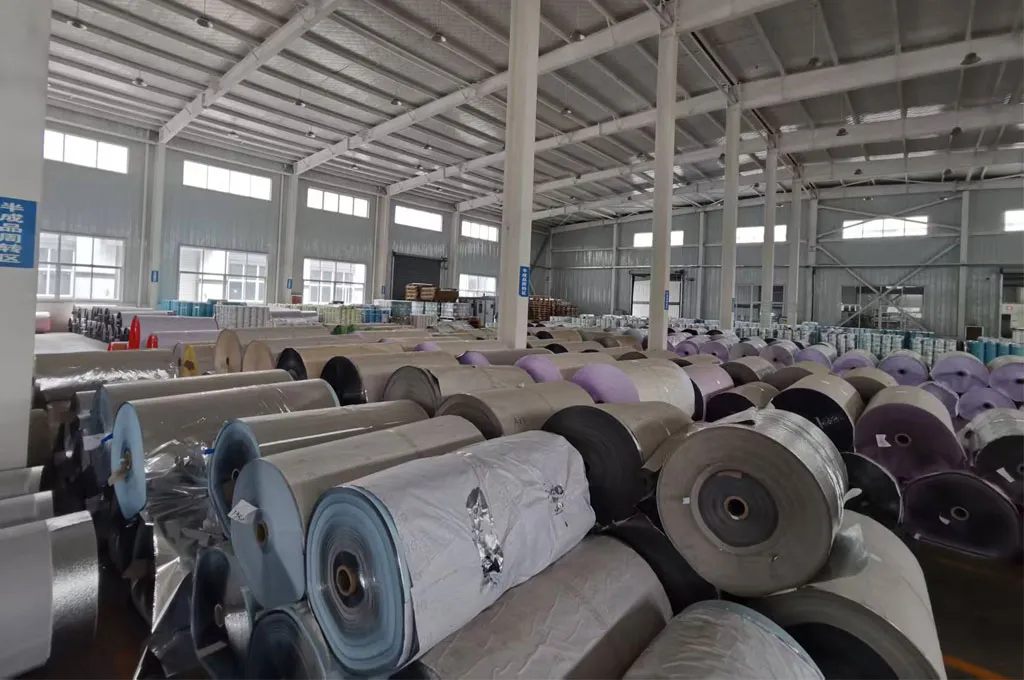
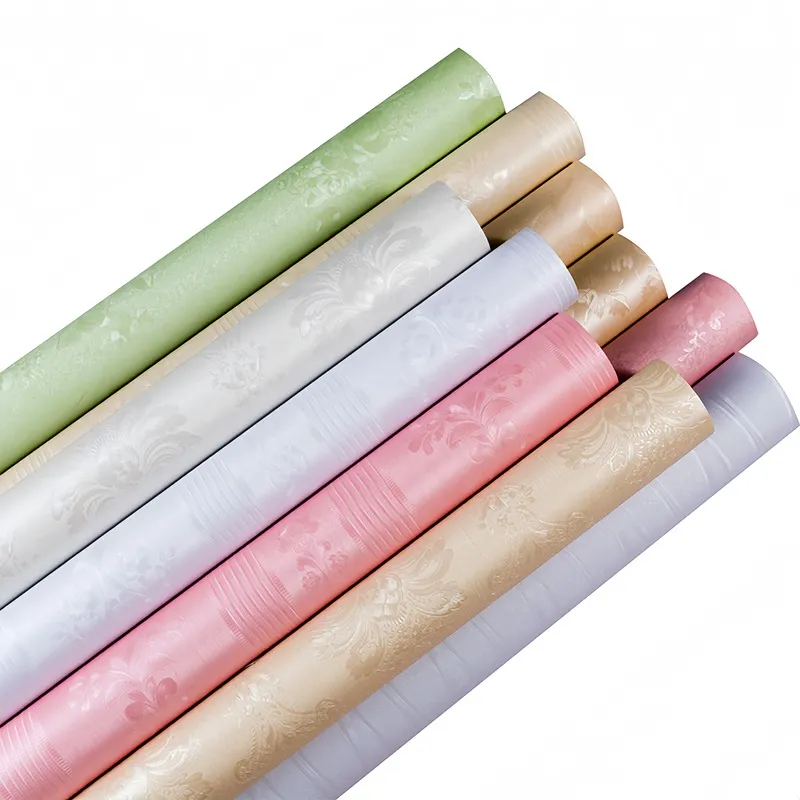
Beyond the base coating, surface engineering adds another dimension of performance and aesthetics to PVC-coated fabrics. A fabric PVC film factory with in-house embossing capabilities can impart textures that serve both decorative and practical purposes.
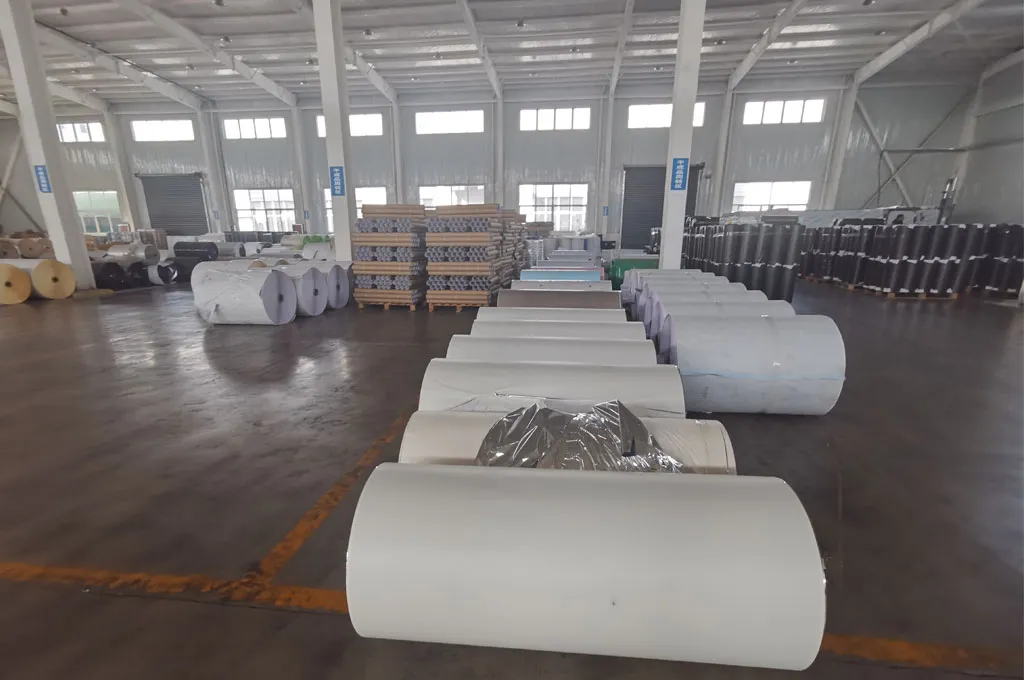
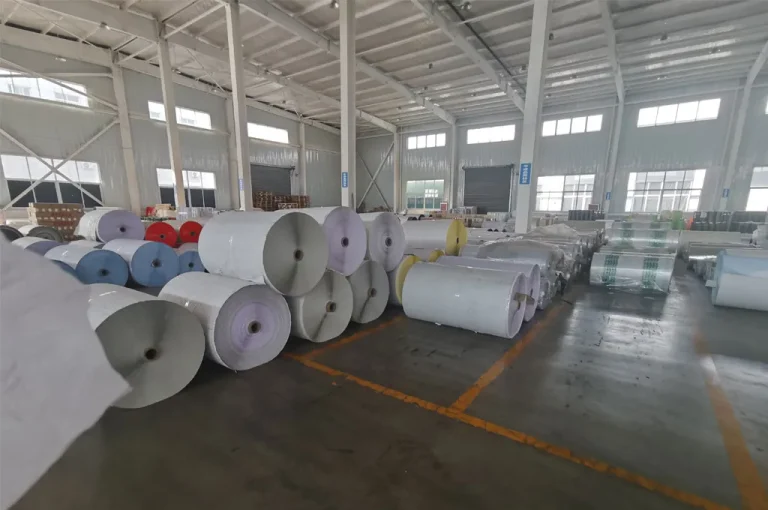
When a single PVC coated fabric factory manages everything from fabric weaving to finished roll slitting, several efficiencies emerge that directly benefit downstream customers. Lead times shorten because there are no handoff delays between subcontractors. Quality accountability becomes unambiguous—one entity owns every defect. And perhaps most significantly, material traceability improves, allowing rapid root cause analysis if field performance issues ever arise.
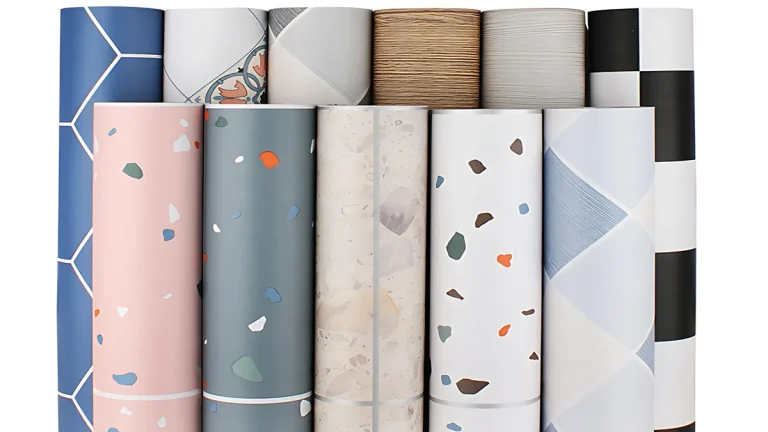
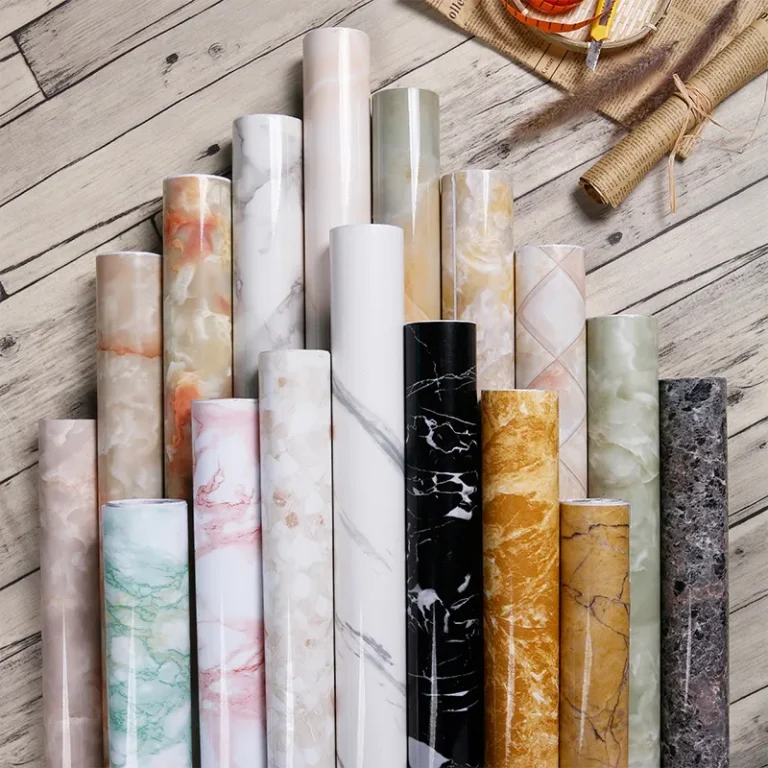
From calendered films for lamination to specialized coated textiles for structural applications, the manufacturing capability of a well-equipped facility covers a broad spectrum. Products like PVC floor films and wood grain decorative films demonstrate the versatility that modern calendering and coating lines can achieve within a single production environment.
| Evaluation Criterion | Why It Matters | What to Verify |
|---|---|---|
| Vertical Integration Level | Determines cost efficiency and quality control span | In-house weaving, compounding, coating, and slitting |
| Production Capacity | Impacts lead times and ability to handle volume surges | Annual tonnage output and line speed capabilities |
| Technical Support Depth | Facilitates material selection and application troubleshooting | Availability of application engineers for on-site consultation |
| Certification Portfolio | Validates compliance with regional and industry regulations | REACH, RoHS, fire safety certifications per application |
The industry continues to evolve, with research focusing on bio-based plasticizers that reduce the carbon footprint of PVC compounds without sacrificing mechanical properties. Recyclability initiatives are gaining momentum, and forward-thinking fabric PVC film factory operations are developing closed-loop systems that reclaim and reprocess production scrap and end-of-life products. These innovations align with the PVC circular economy principles advocated by industry bodies across Europe and North America.
Digital printing compatibility represents another growth frontier. As on-demand graphics and customized branding become standard expectations, coated fabrics must offer receptive surfaces for UV-curable and latex ink systems without requiring secondary treatment. The ability to print directly onto the coated textile opens new markets in interior decor, retail display, and personalized outdoor products.
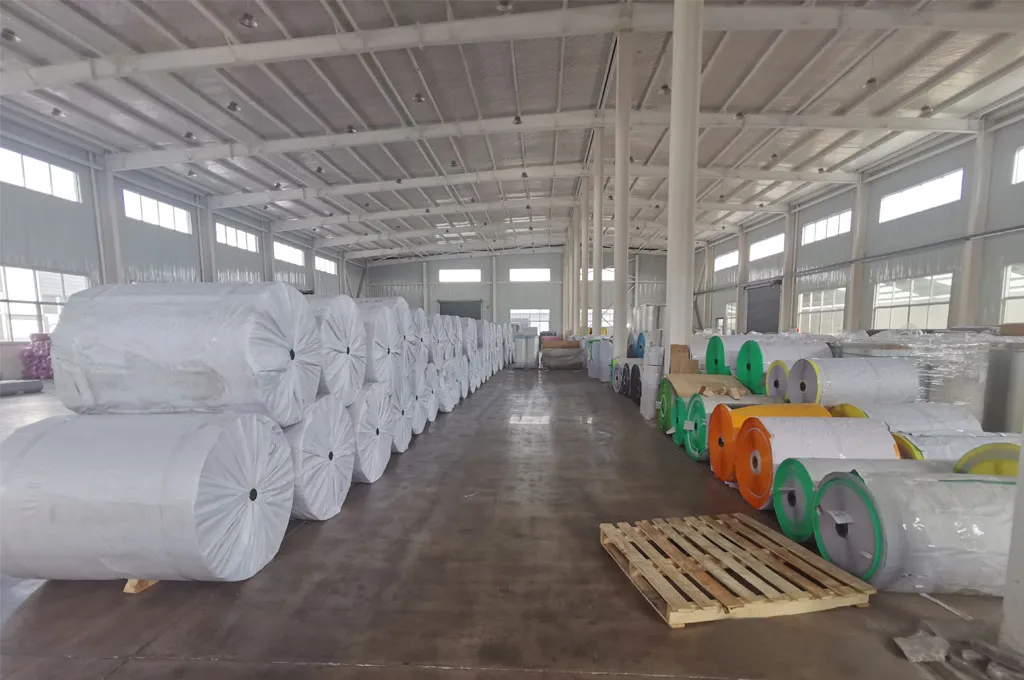
A fabric PVC film factory that ships internationally must demonstrate more than manufacturing competence—it needs robust logistics infrastructure and documentation expertise. Container loading optimization reduces freight costs for bulk orders, while familiarity with customs requirements across target markets prevents clearance delays. Export-oriented facilities maintain standard operating procedures for palletizing, moisture protection, and labeling that meet the receiving standards of warehouses and distribution centers worldwide.
Choosing the right manufacturing partner means evaluating the full picture: production technology, quality systems, customization capability, and supply chain reliability. The best fabric PVC film factory becomes an extension of your own operations, providing consistent materials that perform predictably in your manufacturing processes and end-use environments.