Address
304 North Cardinal St.
Dorchester Center, MA 02124
Work Hours
Monday to Friday: 7AM - 7PM
Weekend: 10AM - 5PM
Address
304 North Cardinal St.
Dorchester Center, MA 02124
Work Hours
Monday to Friday: 7AM - 7PM
Weekend: 10AM - 5PM


 ByPulivk
Procuring the right fabric PVC film is a strategic decision that directly impacts product quality, manufacturing efficiency, and brand reputation. Whether you are sourcing for furniture lamination, interior decoration, or specialized industrial applications, understanding the intricacies of the supply chain is critical. This guide breaks down the essential steps to evaluating both the product and the supplier, ensuring your next purchasing cycle delivers value and consistency.
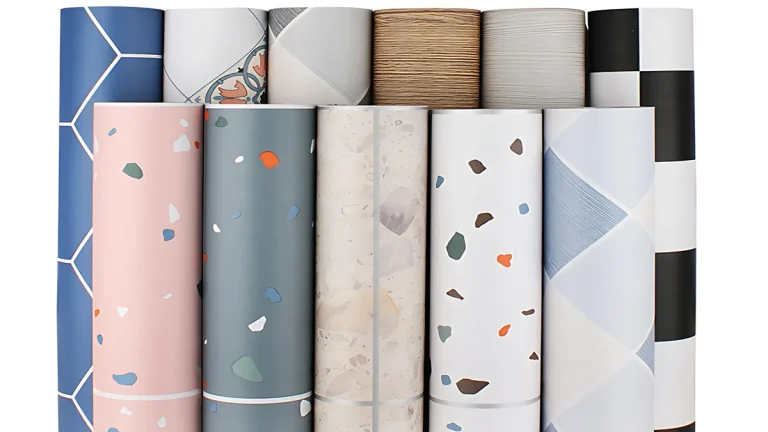
Before initiating any procurement request, it is vital to define the technical specifications your application demands. Fabric PVC film is not a one-size-fits-all commodity. The market offers a variety of textures and performance characteristics tailored to specific verticals.
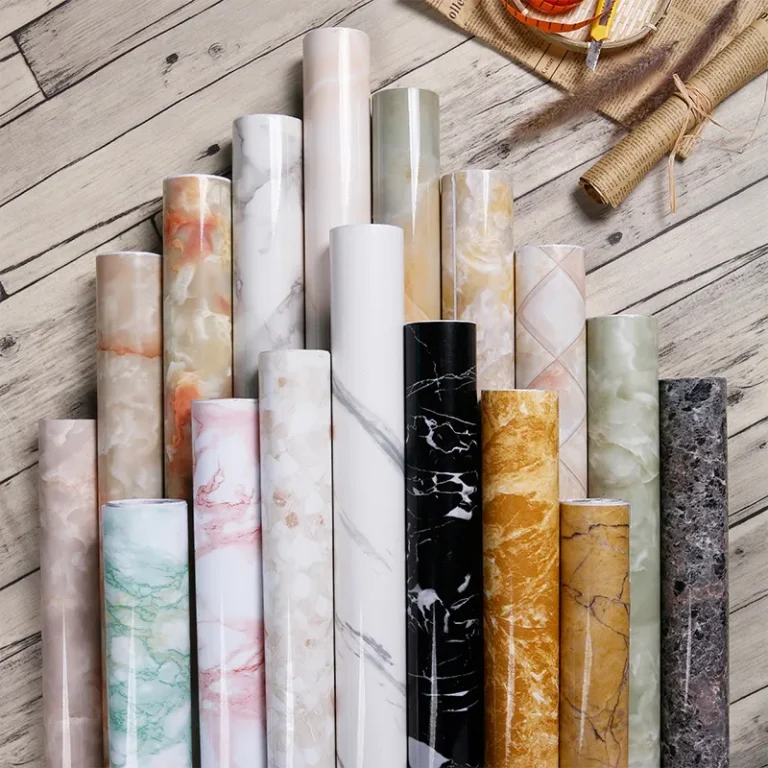
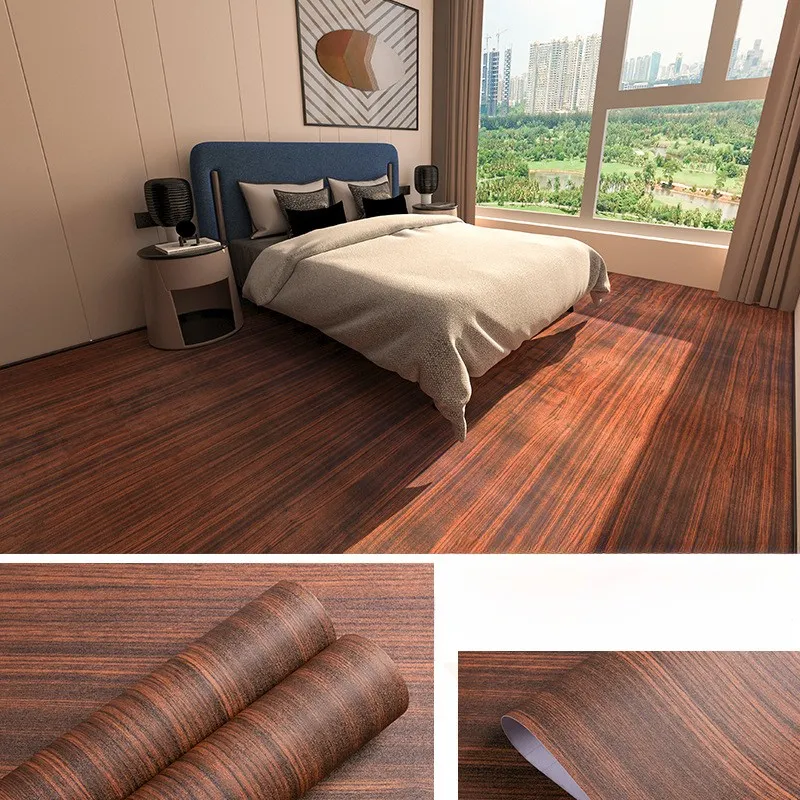
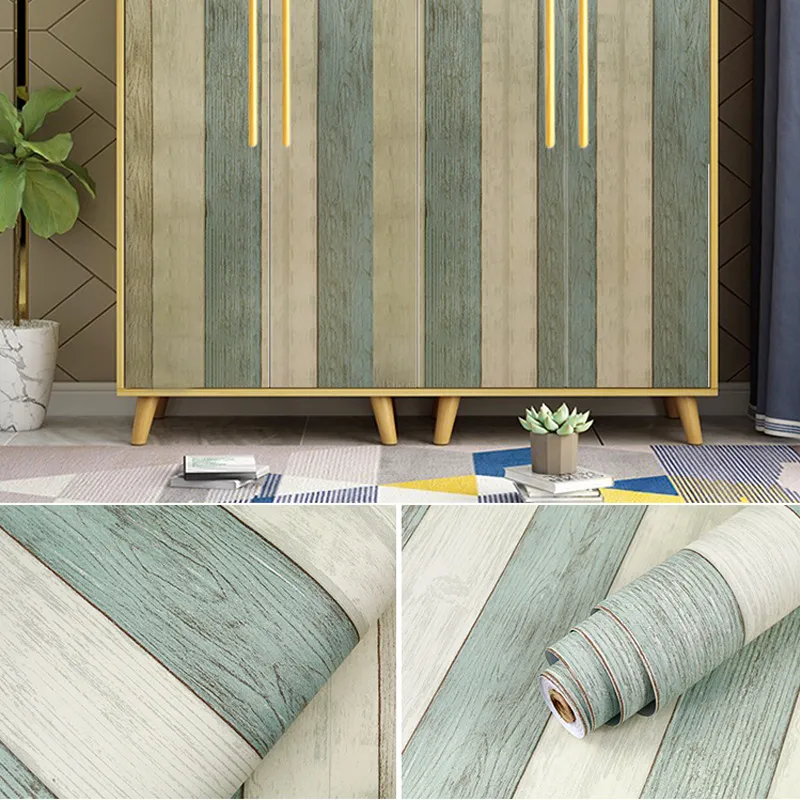
These films mimic natural materials. Wood grain film and marble film are widely used in furniture and interior doors. For a premium tactile experience, 3D silk texture films and embossed finishes provide depth and elegance to plain substrates like MDF and particleboard.
In high-traffic or hygiene-sensitive areas, performance matters. Anti-oil kitchen films, vinyl floor films, and antibacterial options offer durability and safety. For electronics and cleanrooms, antistatic and UV-resistant properties are non-negotiable requirements.
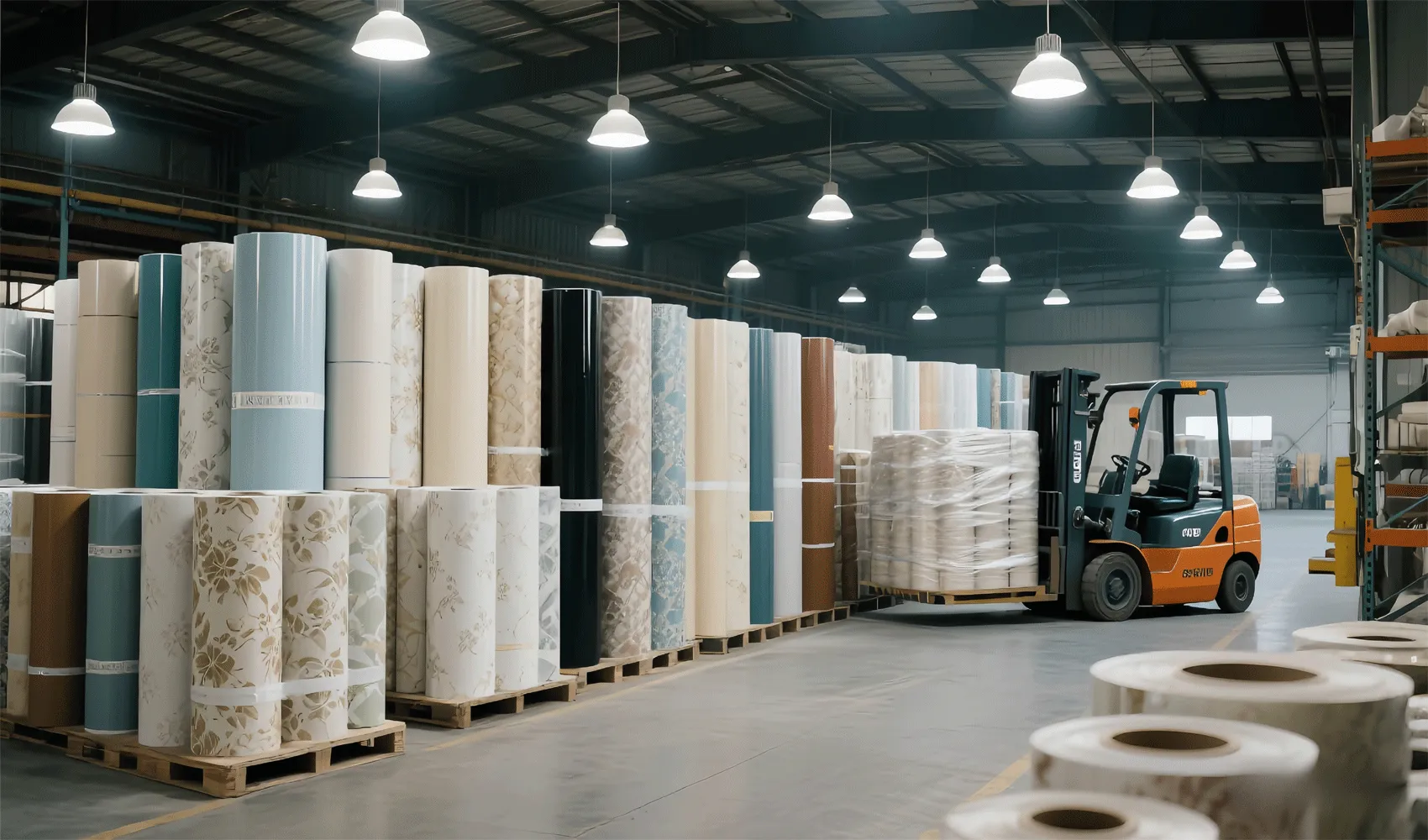
Selecting a supplier goes beyond comparing price sheets. You are establishing a partnership that affects your production continuity. Look for manufacturers that control the entire production chain, from raw material processing to calendering and packaging. This vertical integration eliminates intermediary markups and allows for tighter quality control.
Henan Pulivk New Materials Co., Ltd. exemplifies this full-stack approach, utilizing advanced calendering lines and split-packaging lines to ensure stable lead times and cost-effectiveness for global partners. When auditing a supplier, prioritize these three pillars:
High-quality fabric PVC film purchasing decisions rely on objective performance data. You should request technical datasheets that reference international testing standards. Adherence to mechanical and chemical benchmarks ensures the film will perform under lamination heat and long-term environmental stress.
| Test Category | Relevant Standard | Why It Matters |
|---|---|---|
| Tensile Strength | ASTM PVC Film Standard | Resistance to tearing during wrapping and laminating. |
| Dimensional Stability | PVC Film Dimensional Stability | Prevents shrinkage or edge lifting on finished products. |
| Chemical Safety | EU PVC Chemical Restrictions | Ensures compliance with RoHS, REACH, and phthalate-free mandates. |
Do not overlook the balance between hardness and elongation. A film that is too brittle will crack during profile wrapping, while an overly soft film may not withstand surface abrasion. Always link your quality checks to the exact application method, whether it’s flat lamination or membrane pressing.
Your market demands differentiation. The ability to customize is often the deciding factor in fabric PVC film purchasing. A supplier with robust OEM services can replicate specific colors, textures, and even proprietary decorative patterns from your design drafts or physical samples.
Look for partners that offer a wide range of customization options without prohibitive minimum order quantities:
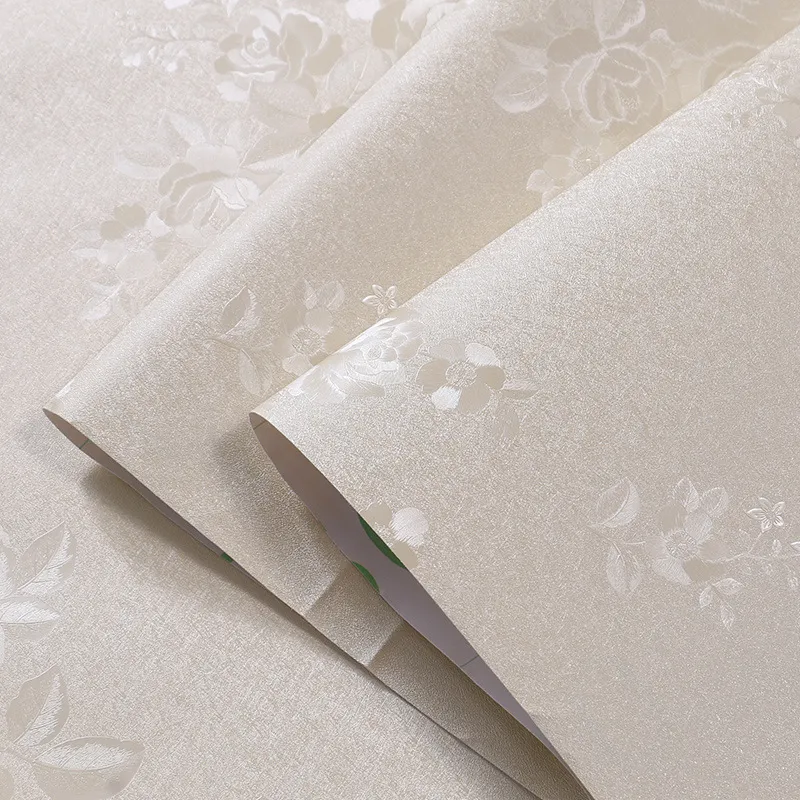
Never skip the sampling stage. A physical sample tells you more about a fabric PVC film than a digital catalog. It allows you to assess the exact hue under your lighting, the depth of the embossing, and the adhesion quality during lamination trials.
When requesting samples, ask for A4-sized swatches rather than small chips. This allows for a proper D-BEF (distinctness of reflected image) assessment on gloss films and a full “hand-feel” evaluation on matte or textured surfaces. If the supplier requires coverage of courier costs for standard stock samples, this is standard industry practice, but custom-developed samples may involve a sampling fee.
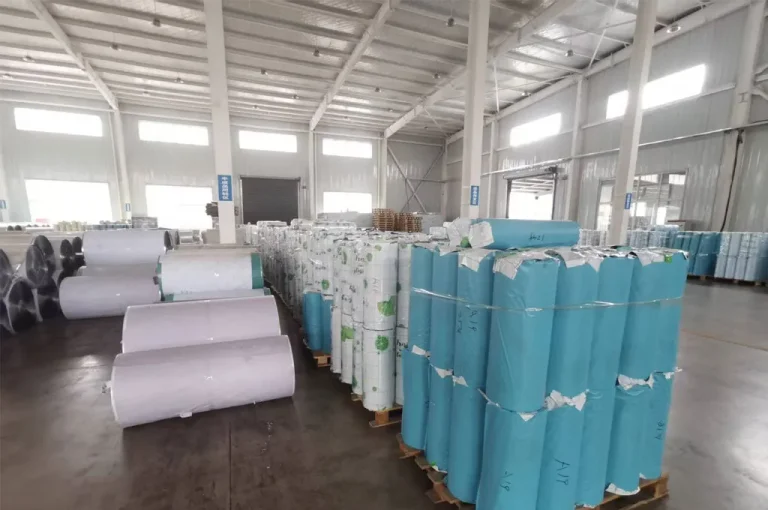
Efficient logistics are essential when handling bulk volumes. When you purchase fabric PVC film, the packaging method directly influences the product condition upon arrival. Insist on dust-proof PE film wrapping and sturdy carton or pallet-based packing to prevent edge damage and roll deformation during sea freight.
Furthermore, a supplier’s ability to offer split-packaging serves as a critical strategic advantage. Instead of tying up capital in massive master rolls, you can request pre-cut, fixed-length rolls. This reduces waste on your production floor and simplifies internal inventory distribution.

The end-user experience is the ultimate test of your purchasing decision. A fabric PVC film must maintain its aesthetic appeal and structural integrity over time. For interior applications, verify that the films utilize eco-friendly, non-toxic inks that remain stable.
Equally important is the supplier’s post-sales technical competence. A reliable partner provides guidance on optimal lamination temperatures, adhesive recommendations, and substrate compatibility. This support mitigates your operational risk and reduces the learning curve for new product integrations. You can often find preliminary answers in a comprehensive manufacturer FAQ resource center, which should cover application methods and troubleshooting.
A structured approach to fabric PVC film purchasing transforms it from a transactional activity into a competitive advantage. By aligning your technical needs with a supplier’s manufacturing capabilities and quality control systems, you secure a product stream that enhances your manufacturing output and satisfies the market’s shift toward high-fidelity decorative surfaces.