Address
304 North Cardinal St.
Dorchester Center, MA 02124
Work Hours
Monday to Friday: 7AM - 7PM
Weekend: 10AM - 5PM
Address
304 North Cardinal St.
Dorchester Center, MA 02124
Work Hours
Monday to Friday: 7AM - 7PM
Weekend: 10AM - 5PM


 ByPulivk
Modern architecture and industrial manufacturing increasingly demand materials that deliver both performance and energy savings. Finding a dependable heat insulation PVC film supplier has become essential for projects that prioritize thermal regulation, cost reduction, and long-term durability. These specialized films are engineered to reflect infrared radiation, minimize heat transfer, and maintain stable indoor environments—capabilities that are transforming window retrofitting and industrial packaging worldwide.
Buildings account for a significant portion of global energy consumption, with windows often representing the weakest thermal barrier. High-performance insulation films address this challenge directly. A qualified heat insulation PVC film supplier provides solutions that can reduce solar heat gain in summer and retain warmth during winter, leading to substantial savings on heating and cooling bills. For facility managers and homeowners alike, this translates into a faster return on investment and a smaller carbon footprint. The technology relies on advanced nano-ceramic coatings and multi-layer co-extrusion processes that selectively filter the solar spectrum, blocking up to 99% of UV rays while maintaining visible light transmission. Independent testing according to Plastic Film Haze Testing protocols confirms that premium films preserve optical clarity without sacrificing thermal performance.
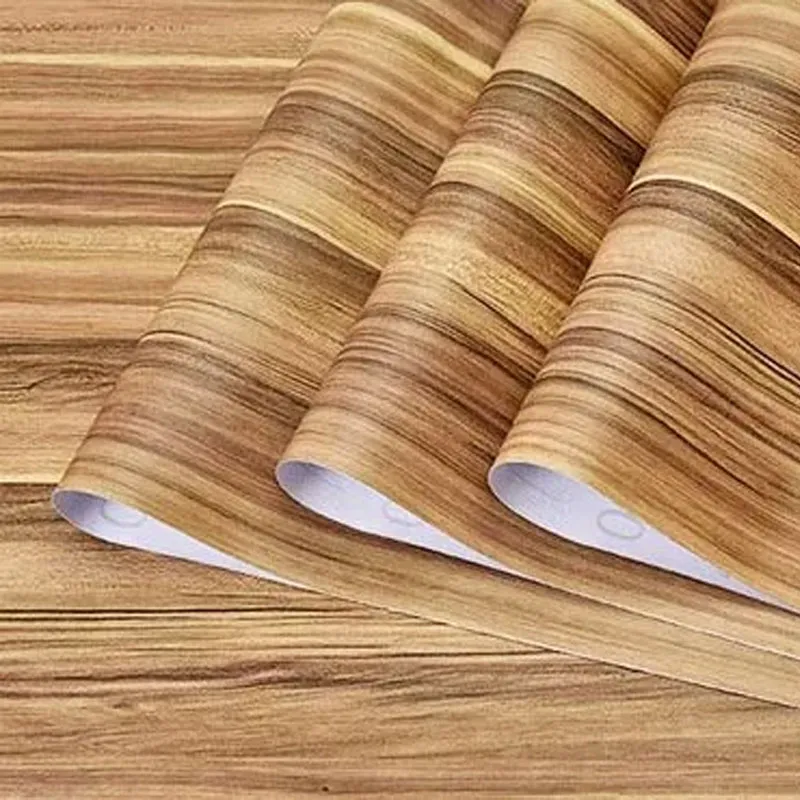
While window films represent the most visible application, industrial uses for thermal PVC films extend much further. Protective barriers in manufacturing cleanrooms, temperature-sensitive shipping liners, and insulation wraps for electronic components all benefit from the material’s unique properties. The versatility of modern calendered films allows a single supplier to serve diverse sectors—from construction and automotive to medical device packaging. Understanding the mechanical characteristics of these materials is crucial. For instance, evaluation through Plastic Film Tensile Testing ensures that the film maintains structural integrity under stress, while PVC Film Dimensional Stability testing verifies that the material won’t warp or shrink under fluctuating temperatures—a critical factor for both laminated windows and industrial covers.
Selecting the right film type depends heavily on the intended use environment and performance requirements. Below is an overview of common insulation film categories and their typical characteristics:
| Film Type | Key Feature | Primary Application |
|---|---|---|
| Transparent Insulation Film | High visible light transmittance, low haze | Residential and commercial window retrofitting |
| Anti-Static Thermal Film | Dissipates static while insulating | Electronics manufacturing, cleanroom barriers |
| Metalized Reflective Film | Exceptional infrared reflection | Industrial machinery covers, automotive sunshades |
| UV-Blocking Protective Film | Blocks 99% UV radiation | Museum glazing, furniture surface protection |
Calendering remains one of the most cost-effective and scalable methods for producing high-quality thermal films. This continuous process compresses heated PVC compound between precision rollers to achieve uniform thickness—typically from 0.03 mm to 0.50 mm. The resulting film exhibits excellent consistency, making it ideal for applications where tight tolerances matter. Henan Pulivk New Materials Co., Ltd. operates advanced calendering lines that integrate optical inspection systems and thickness gauges, ensuring every roll delivered meets the demanding specifications required by energy-efficient window manufacturers and industrial clients.
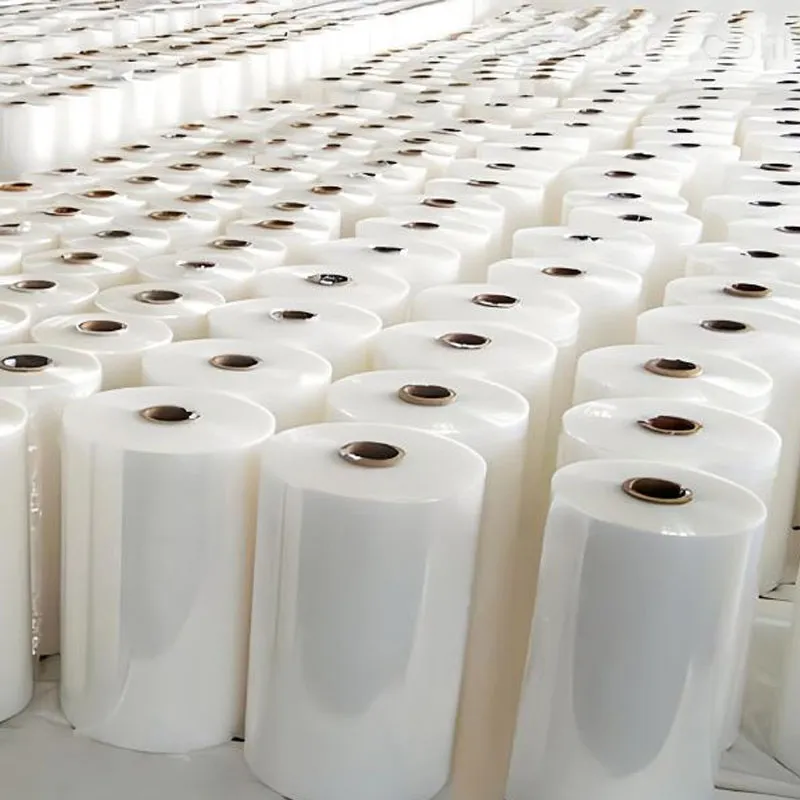
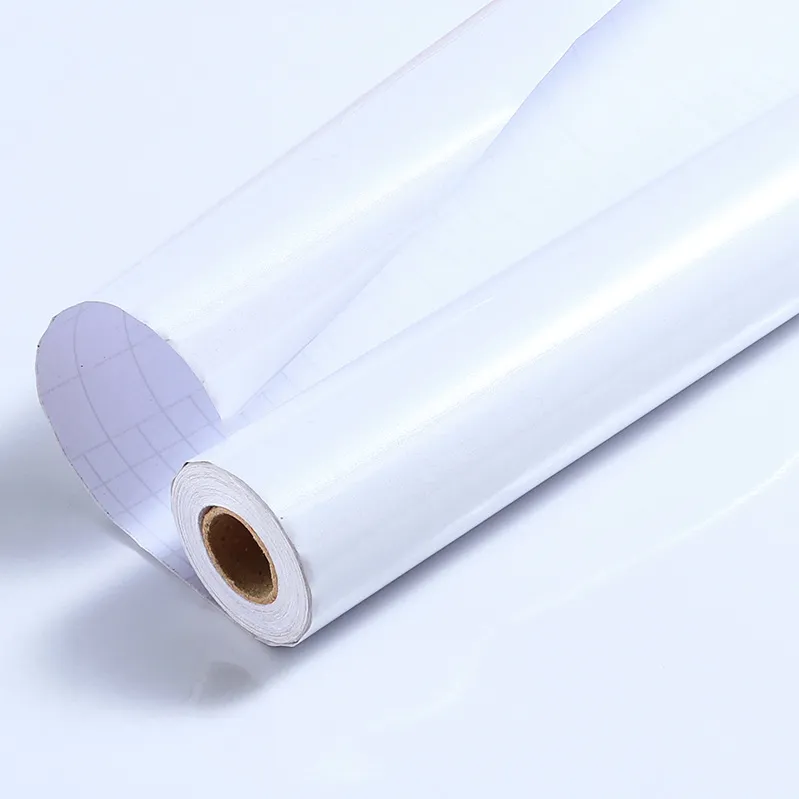
Calendered Transparent Film
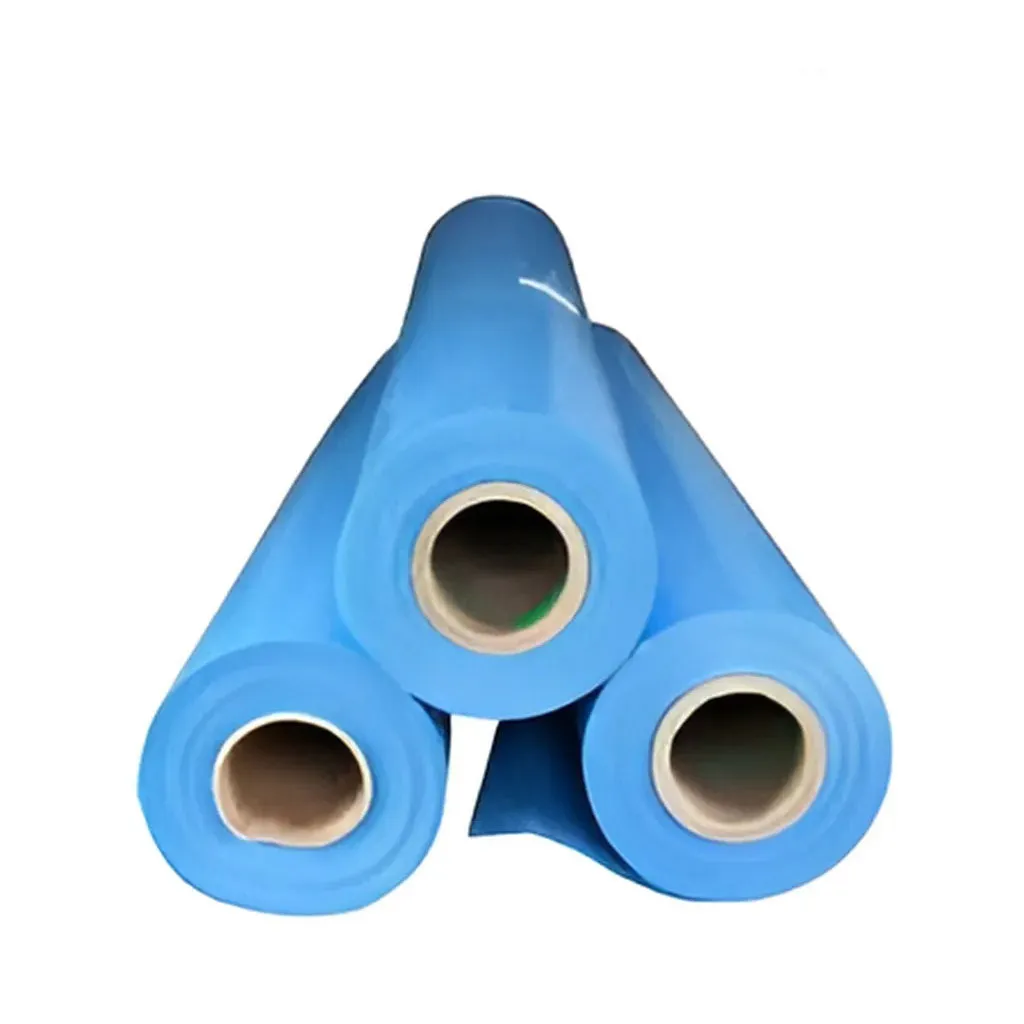
Anti-Static PE Film
Procurement managers and engineers rely on internationally recognized testing standards to validate supplier claims. Reputable manufacturers provide documentation demonstrating compliance with key benchmarks. Below are critical performance indicators and the corresponding test methods used to evaluate thermal PVC films:
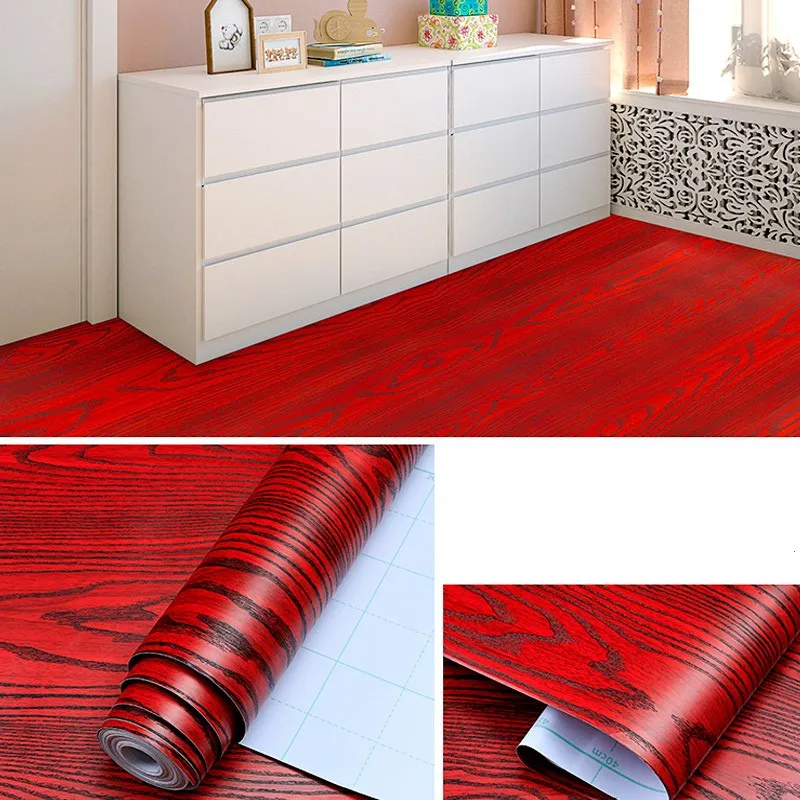
Not all film manufacturers possess the technical depth required to produce reliable insulation products. When evaluating a potential partner, consider these essential capabilities:
| Capability | Why It Matters |
|---|---|
| Full in-house production | Eliminates reliance on third-party converters, ensuring consistent quality and faster lead times |
| Custom formulation expertise | Allows tailoring of UV inhibitors, plasticizers, and colorants to specific project needs |
| Split packaging services | Provides finished rolls in exact lengths required, reducing on-site waste and handling costs |
| Global export experience | Demonstrates familiarity with international shipping regulations and documentation requirements |
Modern thermal films must balance performance with environmental responsibility. Leading suppliers now offer lead-free and phthalate-free formulations that comply with RoHS and REACH requirements. The use of eco-friendly inks ensures suitability for indoor decoration and human contact applications. Additionally, verifying that a supplier follows PVC Life Cycle Assessment methodologies demonstrates commitment to sustainability from raw material sourcing through end-of-life disposal.
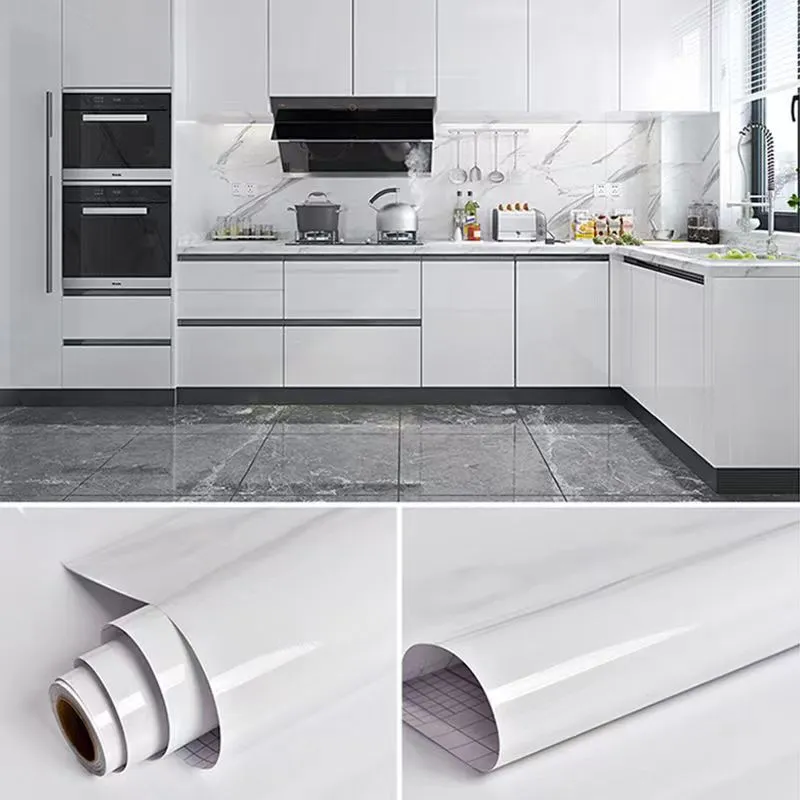
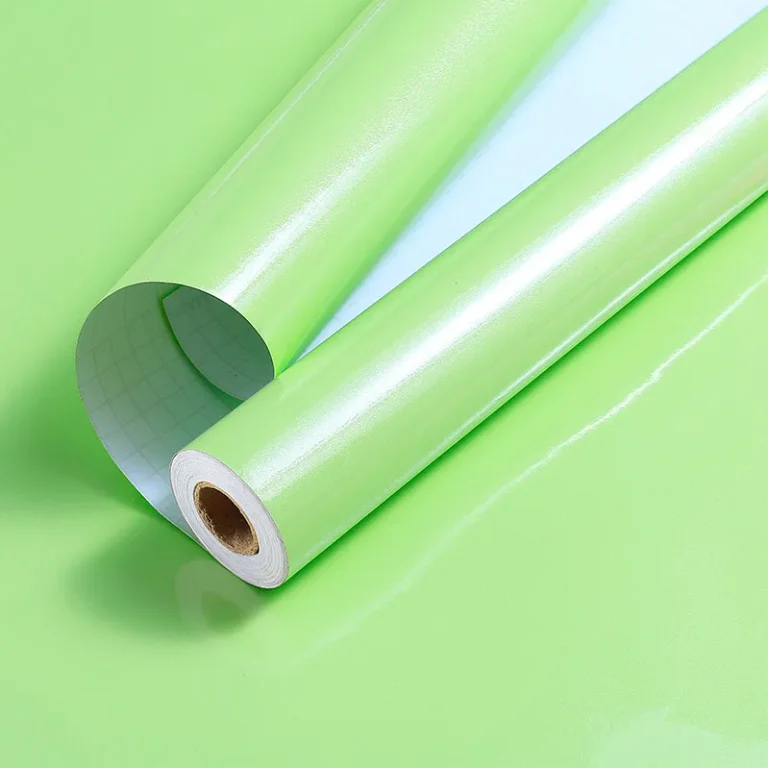
Glossy Wardrobe Film
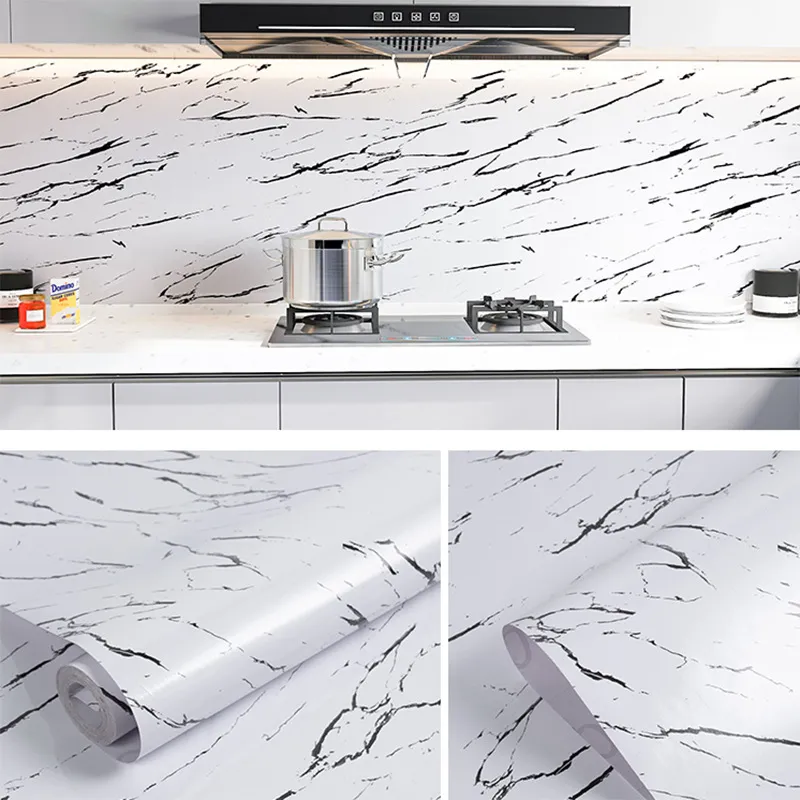
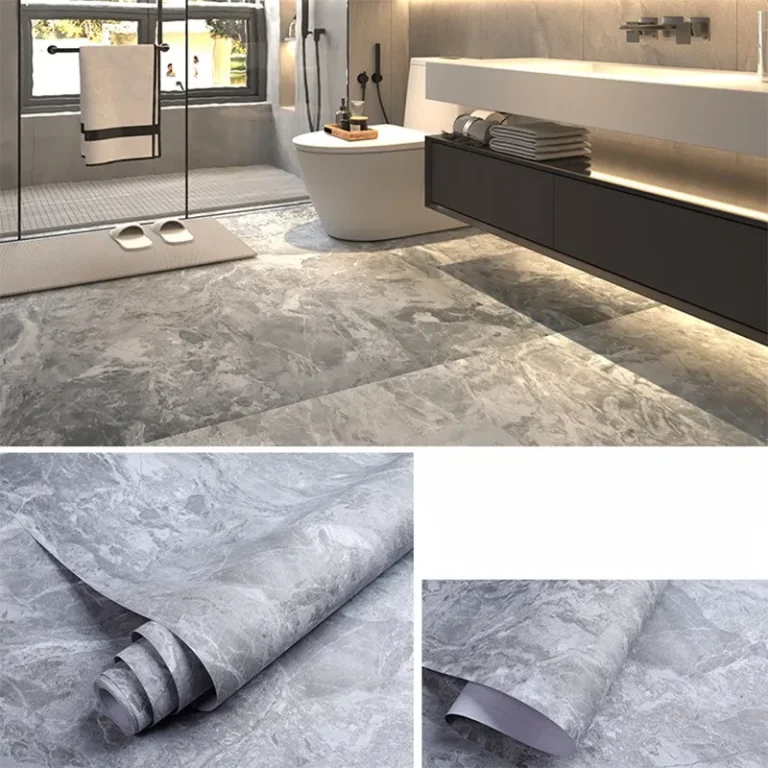
Marble Decorative Film
Even the highest-quality insulation film requires proper installation to deliver its full performance potential. For window applications, professional lamination using vacuum or cold adhesive methods is recommended. The substrate must be thoroughly cleaned and free of dust or oils before application. Post-installation, cleaning with a soft damp cloth and mild neutral detergent preserves the film’s clarity and insulating properties. Avoid abrasive cleaners or strong solvents that could compromise the surface layer or accelerate plasticizer migration. Industrial films used in machinery covers or cleanroom barriers should be inspected periodically for signs of mechanical wear, particularly at attachment points and along edges where stress concentrates.
Building owners assessing window film investments should consider total lifecycle costs rather than upfront material expense alone. Quality thermal films typically pay for themselves within 2-5 years through reduced energy consumption, with premium products lasting 15 years or more before replacement is needed. Additional benefits include improved occupant comfort, reduced glare, and protection of interior furnishings from UV fading. When sourced directly from a manufacturer that controls the entire production chain—from raw material processing to finished packaging—purchasers benefit from source-level pricing without intermediary markups, maximizing the return on investment for large-scale projects.
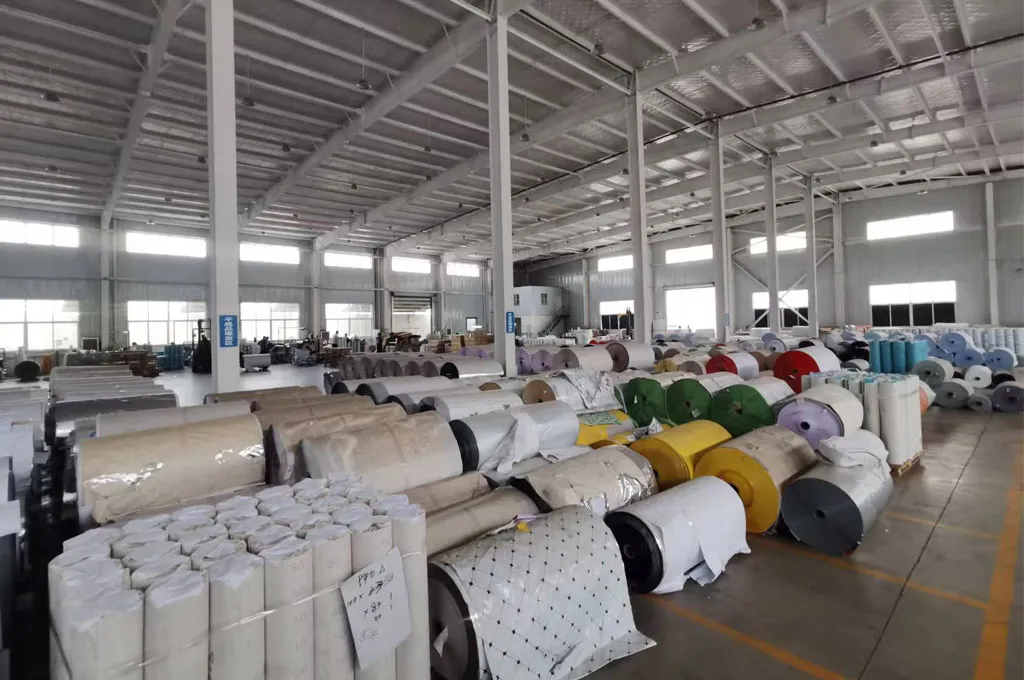
The insulation film market continues to evolve, driven by stricter building energy codes and growing awareness of climate-responsive design. Emerging technologies include spectrally selective coatings that adapt to changing sunlight angles throughout the day, and phase-change material integrations that absorb and release heat cyclically. Suppliers investing in research and development are also exploring bio-based plasticizers and recycled content streams that reduce environmental impact while maintaining the mechanical and thermal properties required for demanding applications. Staying informed about these developments helps specifiers and purchasers make forward-compatible decisions that won’t require premature replacement as regulations tighten.
For organizations seeking a reliable manufacturing partner with demonstrated expertise in thermal films, the comprehensive product range—from transparent calendered varieties to specialized anti-static and metalized options—provides a single-source solution that simplifies procurement and ensures consistent quality across product lines.