Address
304 North Cardinal St.
Dorchester Center, MA 02124
Work Hours
Monday to Friday: 7AM - 7PM
Weekend: 10AM - 5PM
Address
304 North Cardinal St.
Dorchester Center, MA 02124
Work Hours
Monday to Friday: 7AM - 7PM
Weekend: 10AM - 5PM


 ByPulivk
Opaque PVC film is a versatile, cost-effective material widely used across construction, furniture manufacturing, advertising, and interior design industries. Unlike transparent films, an opaque PVC film completely blocks light transmission, making it ideal for applications requiring privacy, surface covering, or a solid color appearance. This guide explores the different types, practical uses, key benefits, and essential factors to consider when purchasing opaque PVC film for your projects.
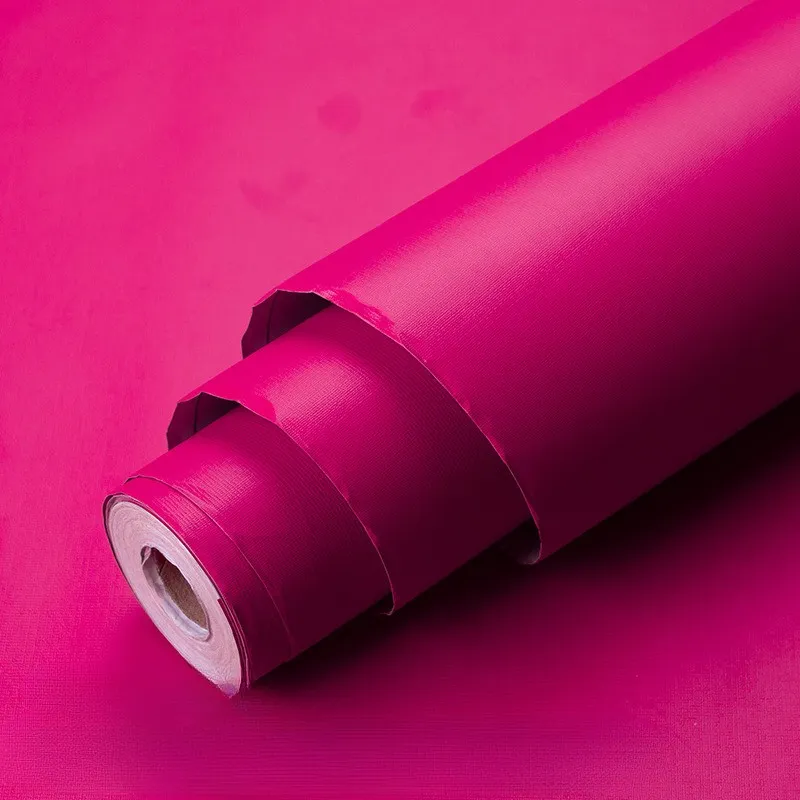
The market offers a diverse range of opaque PVC films, each engineered for specific performance requirements. Understanding these variations is crucial for selecting the right material. The calendered film process is a primary manufacturing method that ensures consistent thickness and surface quality.
| Film Type | Key Characteristics | Common Applications |
|---|---|---|
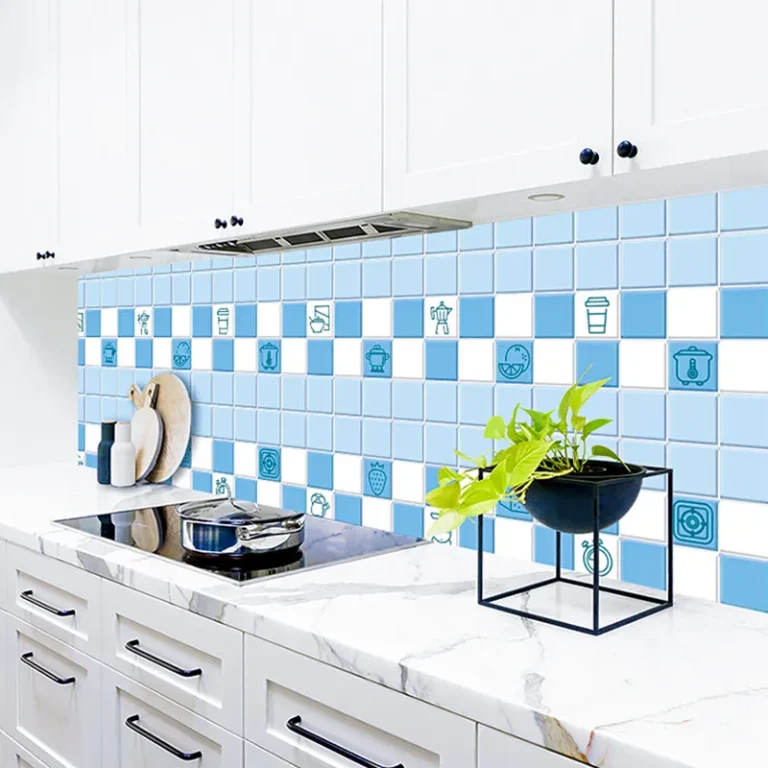
| Solid Color Film | Uniform pigmentation, excellent hiding power, available in matte or glossy finish | Furniture surfaces, wall panels, solid color wallpaper |
| Wood Grain Film | Realistic wood textures, scratch-resistant surface, high definition printing | Door skins, cabinetry, wood grain film for interior decoration |
| Marble & Stone Film | Authentic stone patterns, durable surface, lightweight alternative to natural stone | Wall cladding, column wraps, marble film for countertops |
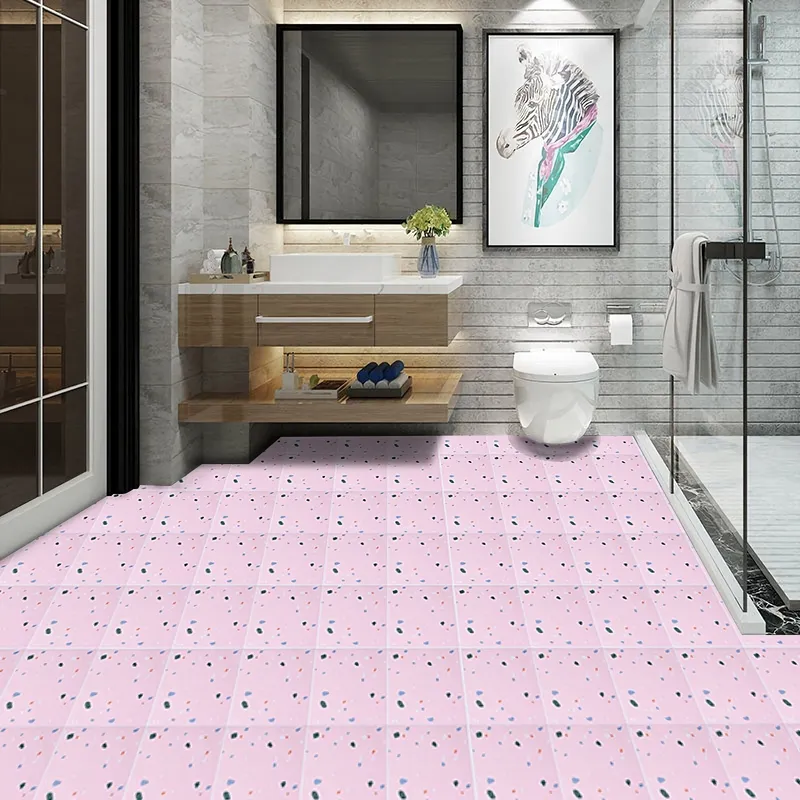
| Floor Film | High wear resistance, slip-resistant texture, waterproof construction | Residential and commercial floor film coverings |
Evaluating opaque PVC film requires attention to standardized testing methods. Industry professionals reference ASTM PVC Film Standard to verify material consistency and reliability across different suppliers.
A high-quality opaque PVC film should demonstrate good tensile strength and tear resistance. Referring to Plastic Film Tensile Testing and Plastic Film Tear Resistance standards helps ensure the material can withstand handling and installation stresses without failing.
Films must maintain their shape under varying conditions. The PVC Film Dimensional Stability standard provides critical guidance for applications where temperature fluctuations are expected.
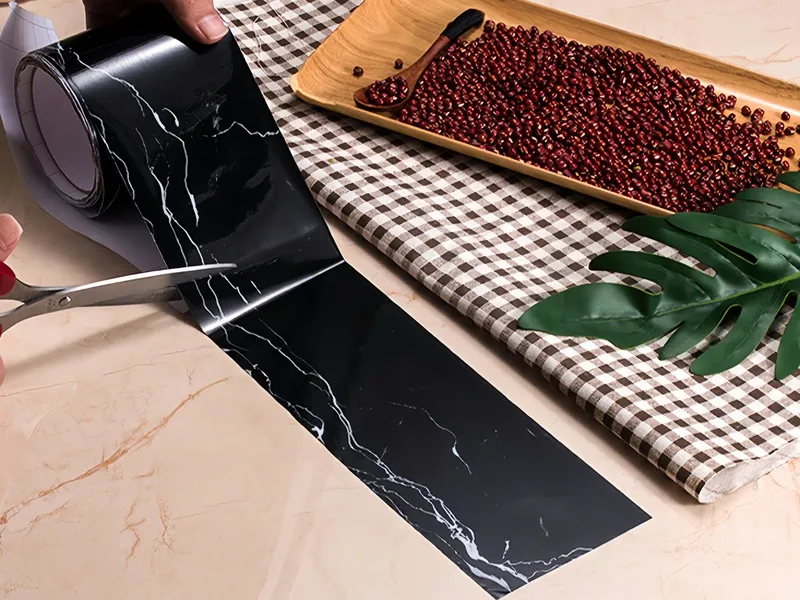
Choosing opaque PVC film for your projects offers a range of advantages. Manufacturers like Henan Pulivk New Materials Co., Ltd. produce films that combine practical functionality with aesthetic versatility.
Complete opacity ensures privacy and prevents underlying surface imperfections from being visible, a crucial feature for renovation projects and furniture refurbishment.
Available in thousands of colors, patterns, and textures, opaque PVC films can replicate natural materials like wood grain, marble, or textured fabric at a fraction of the cost.
Engineered for long-term performance, these films resist moisture, chemicals, and daily wear, making them suitable for high-traffic areas such as kitchens and commercial spaces.
The adaptability of opaque PVC film makes it a preferred choice across multiple sectors:
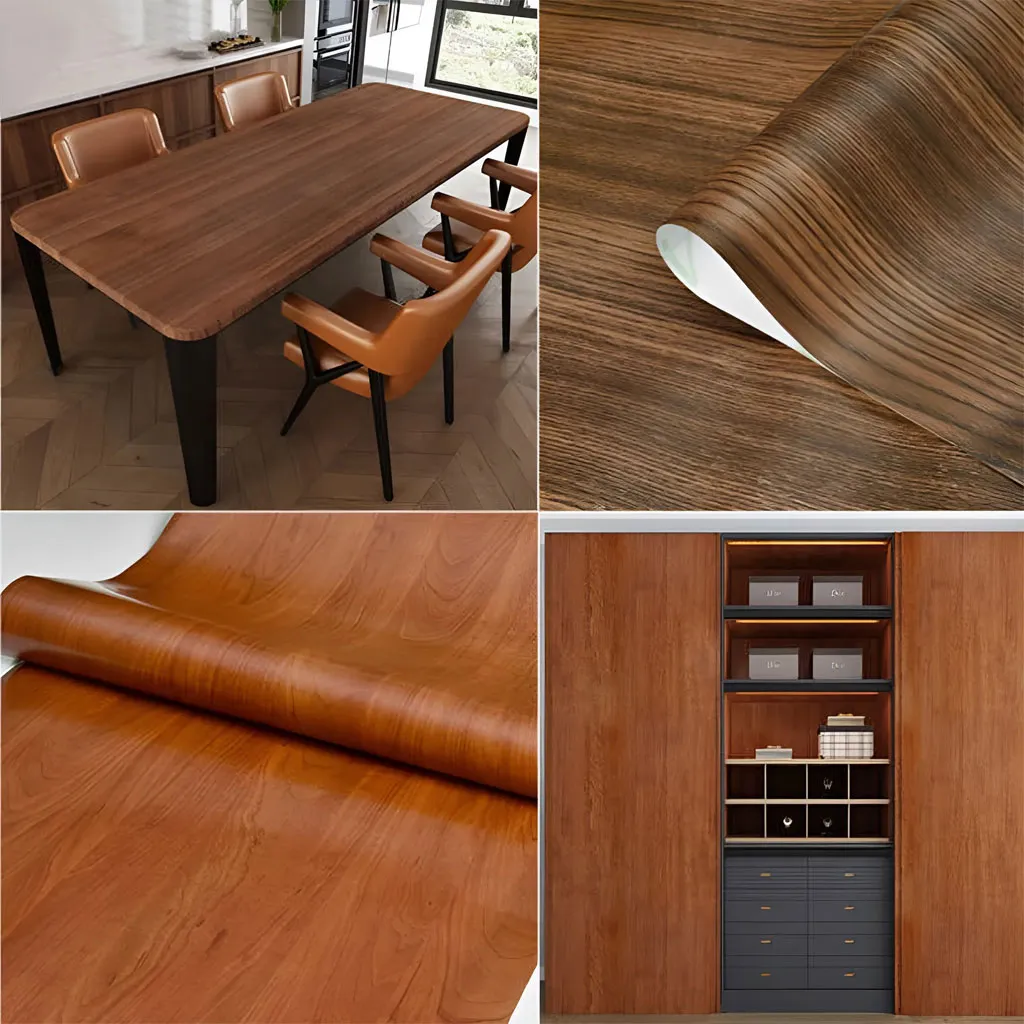
Opaque films serve as an economical surface finish for MDF and particleboard components, providing durable and attractive surfaces for cabinets, shelving, and tabletops.

From residential interiors to commercial showrooms, opaque PVC films offer a clean, uniform finish for accent walls, ceiling panels, and partition systems.
Making an informed purchase requires evaluating several technical and logistical factors:
| Consideration | Details |
|---|---|
| Thickness | Ranges commonly from 0.03 mm to 0.50 mm. Thicker films offer better durability and opacity for furniture surfaces, while thinner gauges work well for temporary displays or lightweight applications. |
| Width and Roll Length | Standard widths up to 1500 mm accommodate most production equipment. Verify roll dimensions match your lamination or cutting machinery specifications. |
| Surface Finish | Options include matte, glossy, embossed, and soft-touch finishes. The finish affects both aesthetics and practical aspects like cleanability and scratch visibility. |
| Adhesive Compatibility | Ensure the film is compatible with your chosen adhesive system, whether water-based, solvent-based, or hot melt, to achieve optimal bonding with the substrate. |
| Fire Rating | For commercial and public space installations, verify that the film meets local fire safety standards and building code requirements. |
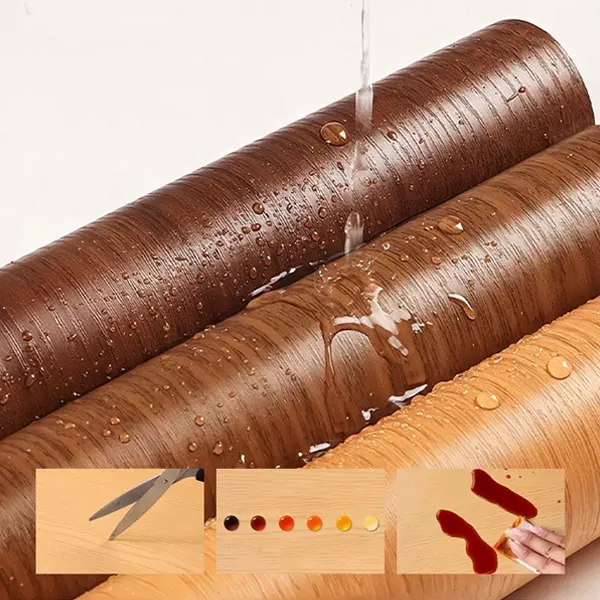
Proper application and care significantly extend the service life of opaque PVC film. Surface preparation is critical—substrates should be clean, dry, and free of dust or grease. For flat lamination applications, cold pressing with suitable adhesives is commonly recommended. Regular cleaning with a soft damp cloth and mild detergent preserves the film’s appearance without damaging the surface.
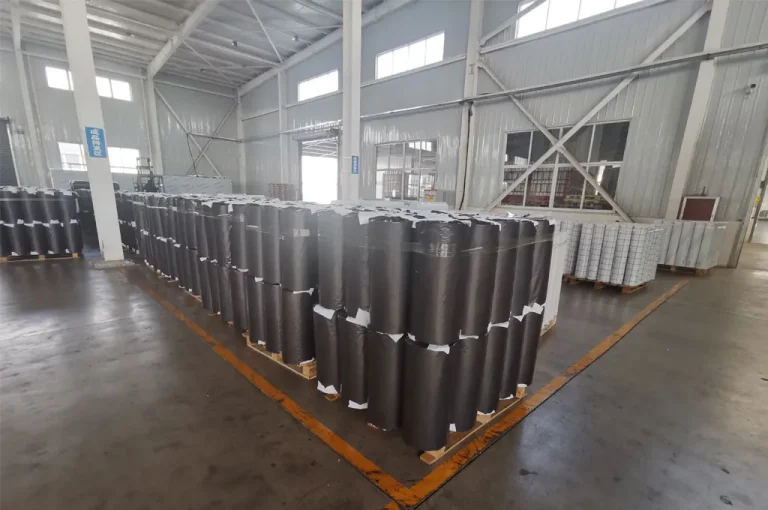
When evaluating suppliers, look for manufacturers with comprehensive in-house production capabilities. This full production chain approach enables strict quality control at every stage, from raw material processing to finished packaging, while maintaining consistent lead times. For OEM requirements, confirm that the producer supports customized sizes, colors, prints, and packaging to match your specific brand and application needs.