Address
304 North Cardinal St.
Dorchester Center, MA 02124
Work Hours
Monday to Friday: 7AM - 7PM
Weekend: 10AM - 5PM
Address
304 North Cardinal St.
Dorchester Center, MA 02124
Work Hours
Monday to Friday: 7AM - 7PM
Weekend: 10AM - 5PM


 ByPulivk
Polyvinyl chloride, or PVC clear film, is one of the most versatile materials in modern manufacturing and design. Its transparency, durability, and cost-effectiveness make it an essential component across industries ranging from packaging to interior decoration. Whether you’re sourcing for industrial lamination, protective coverings, or decorative surfaces, understanding the unique properties of this material ensures you select the right grade for your specific needs.
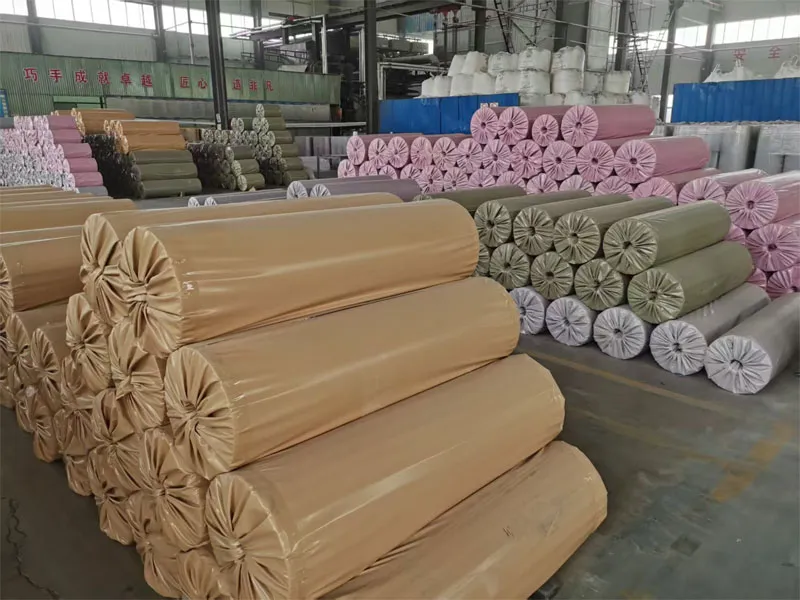
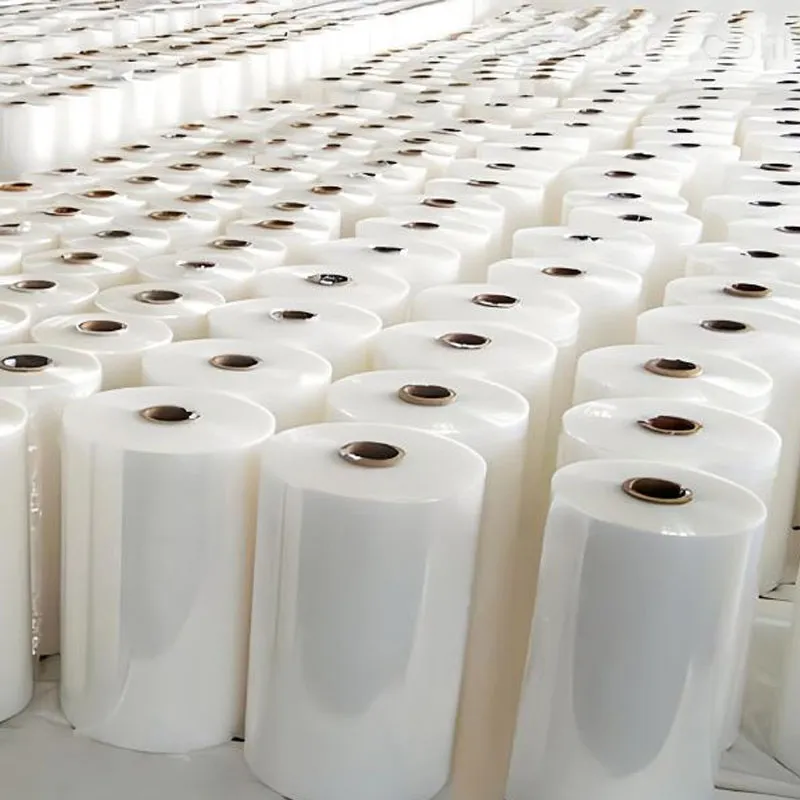
Calendered film represents the primary production method for PVC clear film. This process involves heating and softening PVC resin compounds, then passing them through a series of precision rollers to achieve the desired thickness and surface finish. The result is a highly uniform, flexible sheet that can be transparent, frosted, or tinted, depending on the formulation. The manufacturing precision directly impacts the film’s optical clarity, tensile strength, and consistency.
The appeal of PVC clear film lies in its exceptional balance of physical properties. It offers high transparency comparable to glass but with the added advantages of being shatterproof, lightweight, and flexible. This makes it ideal for protective barriers, viewing windows in packaging, and lamination films for printed materials. It also exhibits good chemical resistance and can be formulated with UV stabilizers for extended outdoor use.
In industrial settings, transparent PVC film serves as a reliable protective layer. It is widely used for machine guarding, temporary surface protection during construction or renovation, and as a barrier film in cleanroom environments. Its resistance to oils and greases makes it suitable for kitchen anti-oil film applications and other scenarios where exposure to contaminants is common.
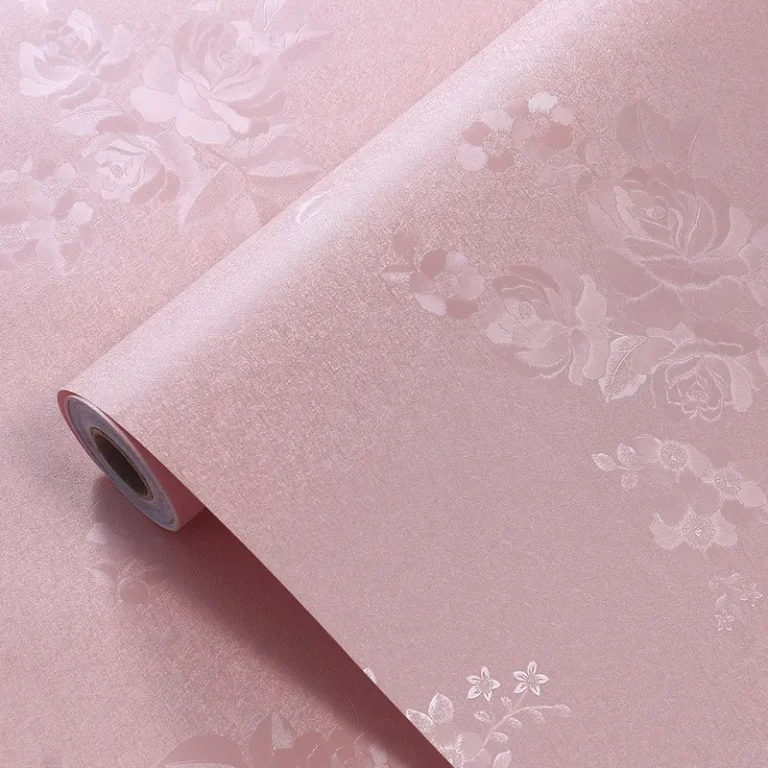
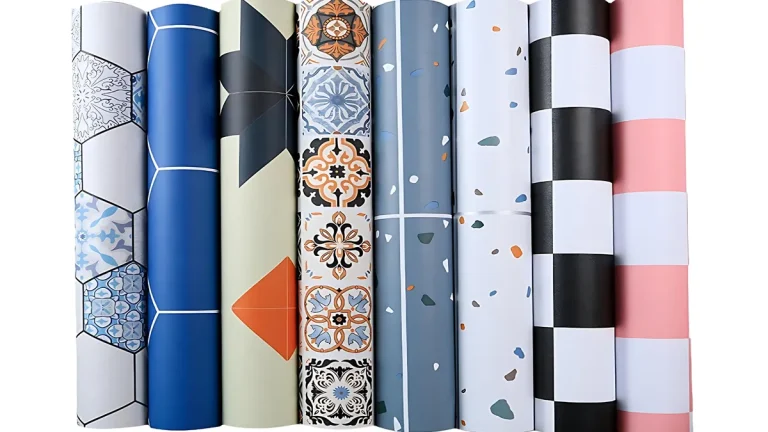
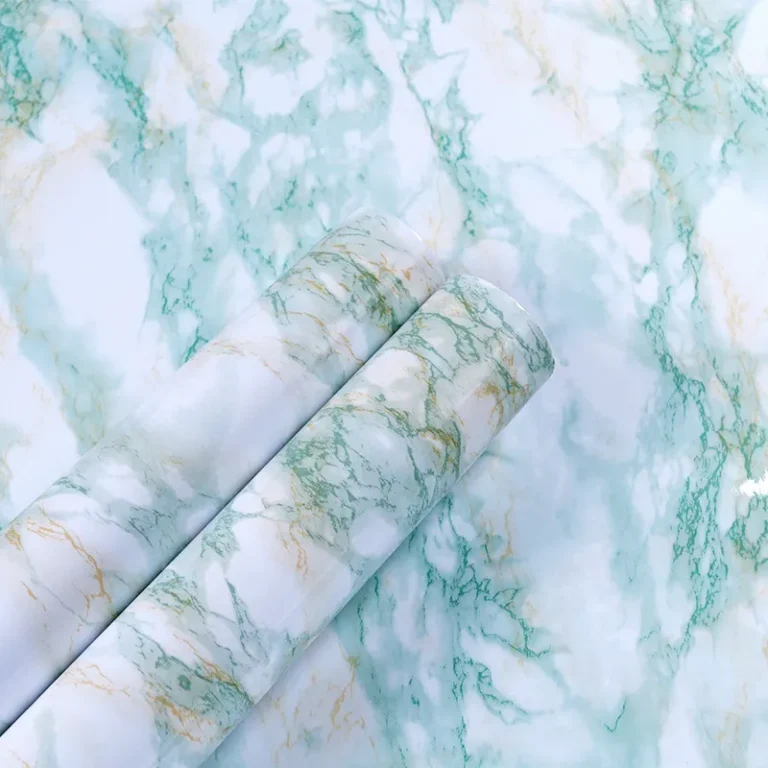
Beyond pure utility, clear PVC films are engineered for aesthetic enhancement. They can be embossed with textures like wood grain or leather patterns, or printed with high-definition designs. A popular choice is glossy wardrobe film, which is applied to furniture surfaces to provide a sleek, modern look while protecting against scratches and moisture. The versatility extends to wall coverings, ceiling panels, and interior door wraps, offering a cost-effective alternative to traditional materials.
The packaging industry relies heavily on transparent PVC film for its ability to showcase products while providing a secure barrier. From blister packs for electronics and pharmaceuticals to tamper-evident seals and shrink-wrap films, the clarity of PVC ensures maximum product visibility on retail shelves. The material can be easily thermoformed, making it suitable for creating custom-shaped packaging inserts.
Selecting the optimal film requires careful evaluation of several performance criteria. The following table outlines the key properties and their typical testing standards, which are critical for making an informed decision.
| Property | Significance | Related Standard |
|---|---|---|
| Optical Clarity & Haze | Determines the transparency level for visual applications. | Plastic Film Haze Testing |
| Tensile Strength & Elongation | Measures the film’s resistance to tearing and stretching. | Plastic Film Tensile Testing |
| Dimensional Stability | Ensures the film maintains its shape under temperature changes. | PVC Film Dimensional Stability |
| Plasticizer Migration | Affects long-term flexibility and compatibility with adhesives. | PVC Plasticizers and Phthalates |
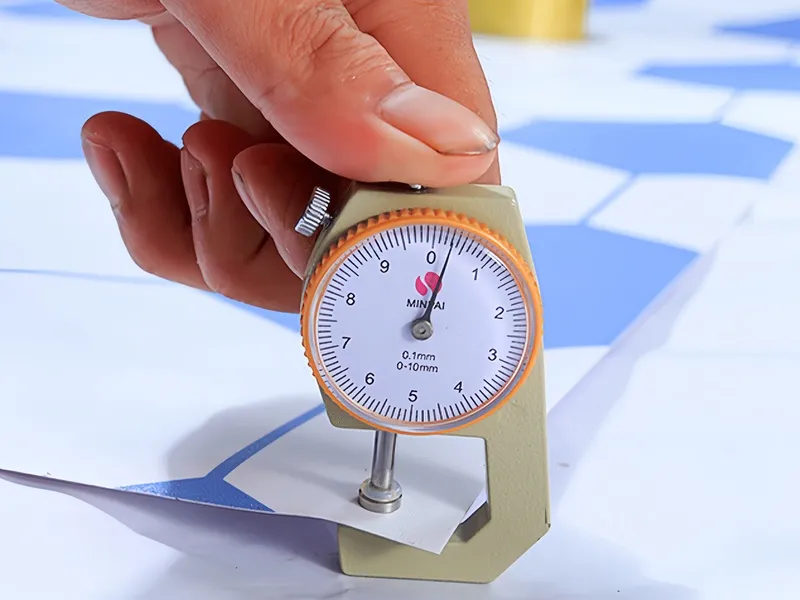
| Thickness Tolerance | Critical for consistent processing in automated equipment. | Plastic Film Thickness Testing |
Maintaining the appearance of PVC clear film is straightforward. Routine cleaning with a soft cloth, warm water, and a mild, non-abrasive detergent is recommended to remove dust and smudges. It is important to avoid harsh solvents, alkaline cleaners, or abrasive scouring pads, as these can scratch the surface or cause the film to become cloudy. When used in exterior applications, films with integrated UV inhibitors will exhibit significantly better color retention and resistance to embrittlement over time.
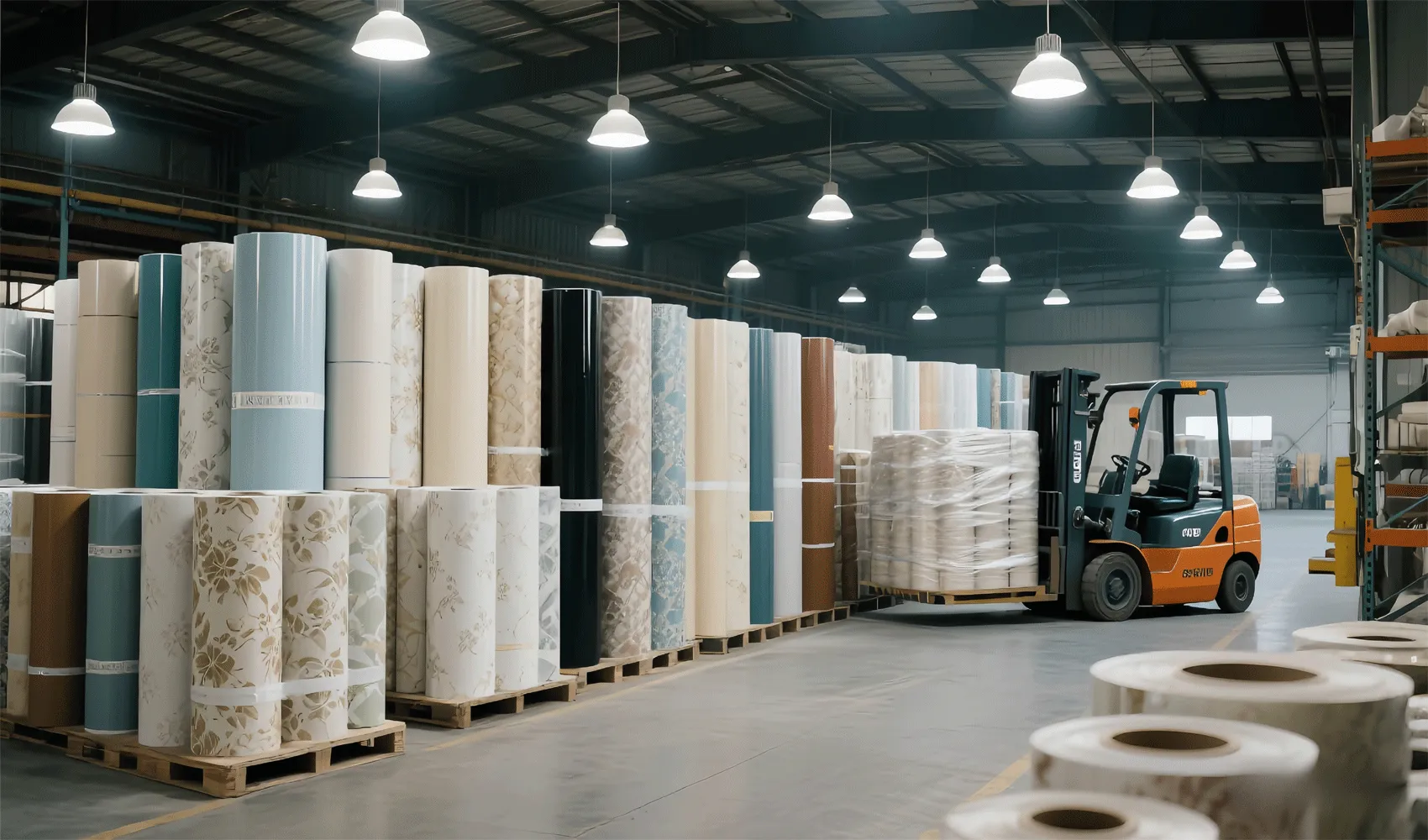
For sourcing, Henan Pulivk New Materials Co., Ltd. offers a comprehensive range of calendered PVC films, including custom formulations and finishes tailored to specific industry requirements. With integrated manufacturing capabilities spanning from raw material processing to finished roll packaging, the production chain is designed for quality assurance and efficient delivery on a global scale.
Source your next project with confidence. Contact us today for expert consultation and tailored material solutions.