Address
304 North Cardinal St.
Dorchester Center, MA 02124
Work Hours
Monday to Friday: 7AM - 7PM
Weekend: 10AM - 5PM
Address
304 North Cardinal St.
Dorchester Center, MA 02124
Work Hours
Monday to Friday: 7AM - 7PM
Weekend: 10AM - 5PM


 ByPulivk
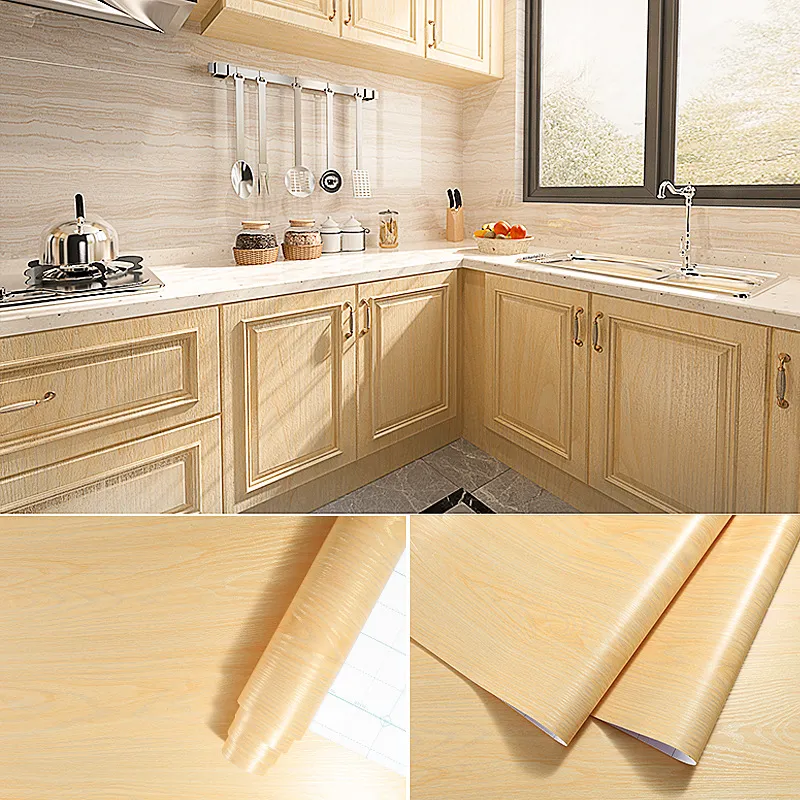
Choosing the right PVC film for windows can completely transform a space, offering a perfect balance between aesthetics and practicality. Whether you aim to enhance privacy, reduce glare, or simply refresh your interior design, understanding the various options available is crucial. This versatile material has become a go-to solution for homeowners and professionals alike, due to its durability and cost-effectiveness.
From modern frosted finishes to realistic wood grain textures, the diversity in design is vast. However, beyond the visual appeal, the film acts as a protective barrier. It shields window glass from scratches and UV rays, ultimately extending the lifespan of the underlying frame. This guide will walk you through the key benefits, types, and installation must-knows.
Investing in PVC film for windows goes beyond simple decoration. The functional benefits often outweigh those of traditional curtains or blinds. For modern households looking for an efficient thermal solution, a product like a high-quality calendered film can contribute to insulation by trapping a layer of air against the glass.
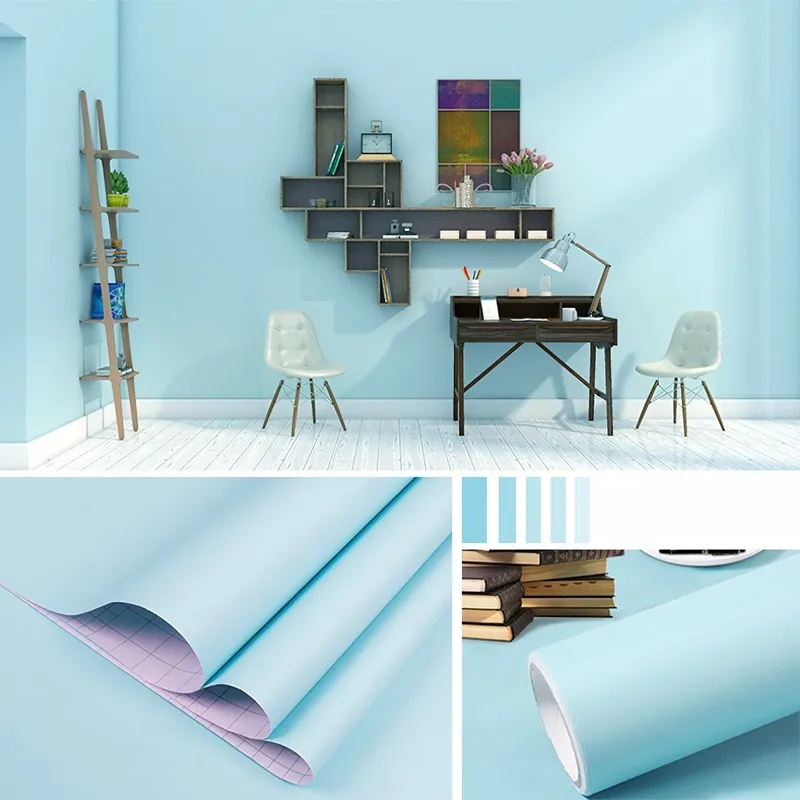
The market offers a wide range of textures and functional layers. Selecting the right type depends on your specific design goals. For instance, a 3D silk texture film adds a subtle, elegant shimmer that catches the light beautifully, while a solid color film provides a more consistent, modern block-out effect.
| Film Type | Key Feature | Best Application |
|---|---|---|
| Frosted Film | Blurs transparency while allowing maximum light | Bathrooms & meeting rooms |
| Decorative Film | Includes wood, stone, and 3D textures | Living rooms & furniture surfaces |
| Solar Control Film | Reduces glare and blocks infrared heat | Sun-facing conservatories |
| Safety Film | Holds shattered glass together upon impact | Doors & storefronts |
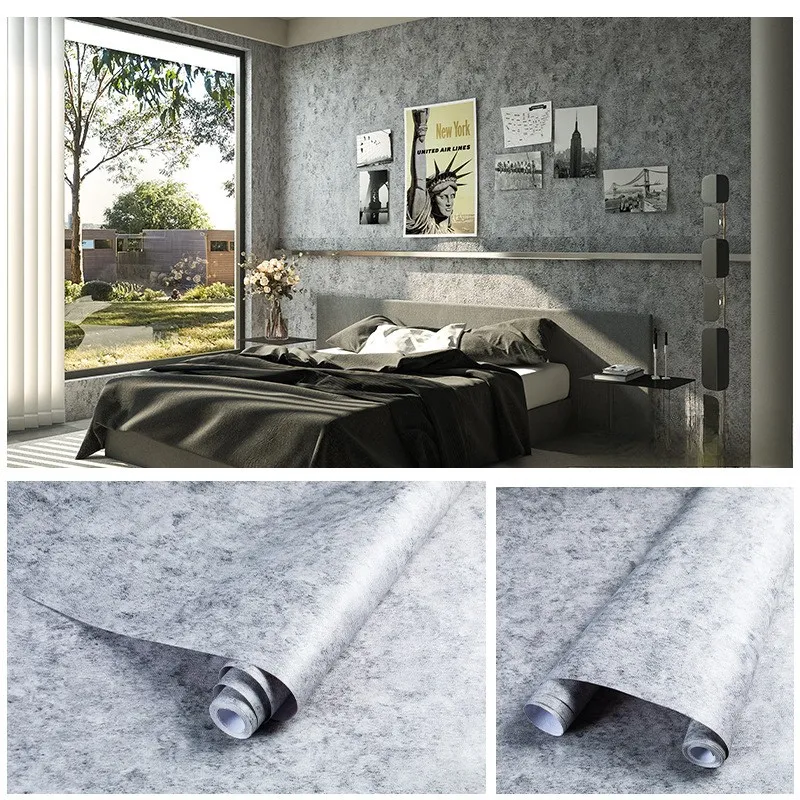
A flawless finish relies heavily on proper application. While many achieve excellent DIY results, understanding the process prevents bubbles and peeling. Always ensure the product meets relevant dimensional stability standards to avoid shrinking post-installation.
Cleanliness is non-negotiable. Use a razor blade to scrape off any paint or debris, then spray the window with a solution of water and baby shampoo. Wipe it down thoroughly. Any dust left behind will be trapped visibly under the film.
Measure the window pane and add an extra inch to all sides before cutting. This overlap ensures full coverage and can be trimmed for a perfect fit later. Always use a sharp utility knife and a straight edge to avoid jagged lines.
Generously spray the glass again. Peel the backing off the PVC film, and mist the adhesive side as you peel. This prevents the film from sticking to itself instantly and allows you to slide it into position on the glass.
Position the film on the wet glass. Using a stiff squeegee, push the water out from the center to the edges. Once all bubbles are gone, use your sharp knife to trim the excess film along the window frame edge for a clean look.
Not all films are created equal. To ensure you get the best performance, there are several technical specs to consider before adding to cart. A high-grade marble film, for example, should have strong embossing depth that won’t wear down easily from sun exposure or cleaning.
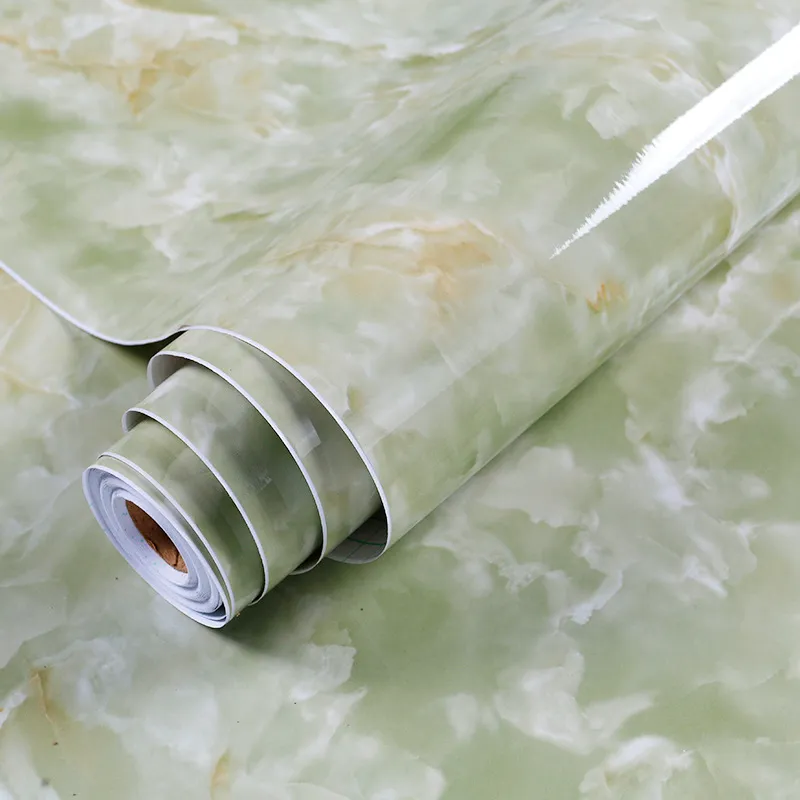
Quality control is paramount in thin-film production. Companies like Henan Pulivk New Materials Co., Ltd. maintain strict standards because they oversee everything from raw material processing to split packaging. This vertical integration eliminates middlemen, ensuring a product that meets rigorous ASTM PVC film standards for nonrigid sheeting. Testing metrics such as tear resistance and tensile properties are critical for window applications.
When comparing suppliers, ask for samples. A physical sample allows you to test the removal process and check the “memory” of the film—how well it resists shrinking back from edges. Additionally, bulk ordering can often lead to significant savings on per-square-foot pricing, especially for full-home renovations.
Finding the best PVC film for windows involves balancing design desires with practical engineering. By understanding the difference between a calendered product and a specialty 3D texture, you can select a material that not only looks stunning but also protects your interior and cuts energy costs. Remember to prioritize surface preparation during installation to avoid common pitfalls. With hundreds of patterns available—from realistic stone to high-gloss solids—you are equipped to create a space that reflects your personal style with precision.