Address
304 North Cardinal St.
Dorchester Center, MA 02124
Work Hours
Monday to Friday: 7AM - 7PM
Weekend: 10AM - 5PM
Address
304 North Cardinal St.
Dorchester Center, MA 02124
Work Hours
Monday to Friday: 7AM - 7PM
Weekend: 10AM - 5PM

 ByPulivk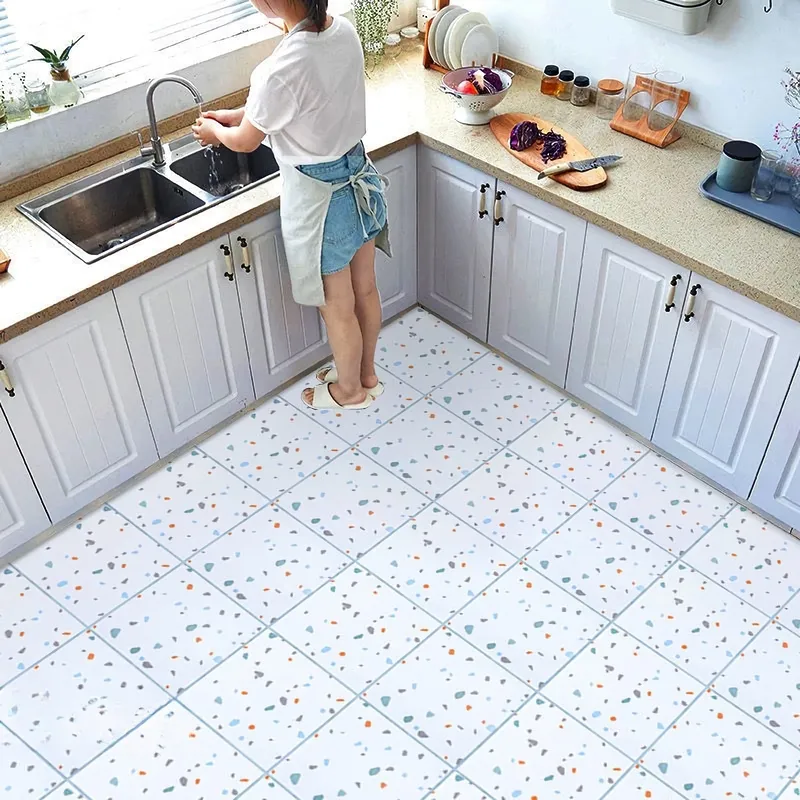
PVC film material has become a ubiquitous solution across countless industries, from modern interior design to high-performance industrial packaging. Understanding the different types available, their specific applications, and core benefits is crucial for manufacturers, importers, and designers who demand both aesthetics and functionality. Whether you are looking for a durable floor film or a decorative surface layer, the versatility of polyvinyl chloride film is unmatched.
The diversity of PVC film material allows it to mimic luxury textures while providing practical surface protection. The manufacturing process, particularly calendering, plays a vital role in determining the film’s final properties. Below is a breakdown of the most prevalent types found in the market today.
Polyvinyl chloride films have expanded far beyond simple wrapping. Their adaptability makes them a critical component in structural decoration and protective gear. Here is how specific PVC film material types map to real-world usage:
| Industry | Common Application | Recommended Product |
|---|---|---|
| Furniture Manufacturing | Surface lamination for cabinets, tables, and interior doors | Wood Grain Film |
| Building & Construction | Wall decoration, ceiling panels, and PVC skirting film | Marble Film / Stone Grain Film |
| Home Improvement | Renovation of wardrobes, kitchen backsplashes, and flooring | Glossy Wardrobe Film |
| Electronics & Appliances | Protective insulation and anti-static coverings for panels | PE Antistatic Film |
| Advertising & Exhibitions | Lightbox graphics, display backdrops, and promotional stickers | PET Advertising Film |
| Medical & Cleanroom | Sterile packaging and antibacterial surface protection | Medical Antibacterial Film |
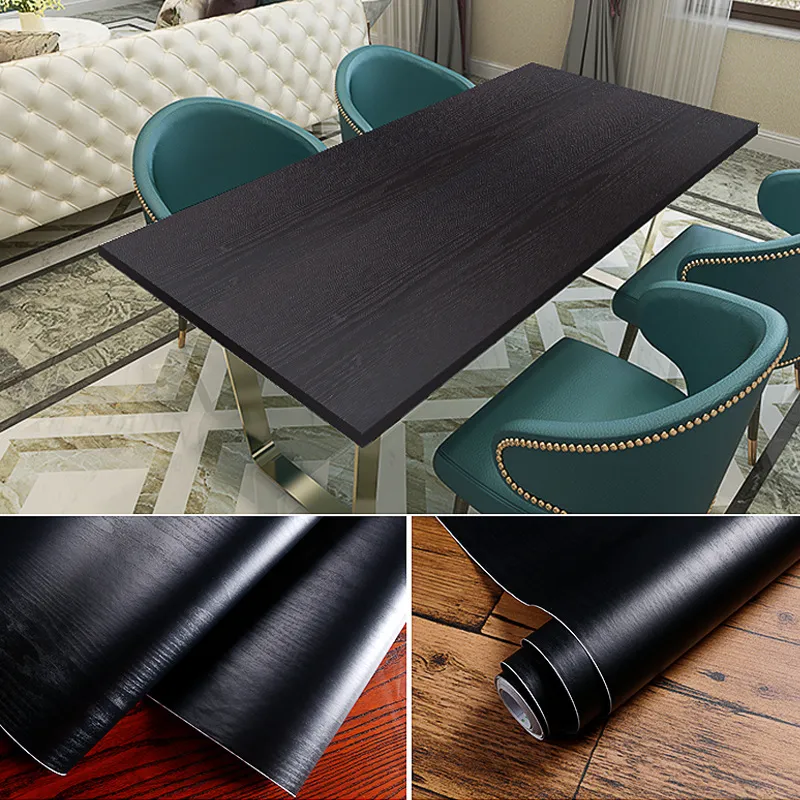
Why do global buyers consistently choose PVC film material over traditional paint, wood veneer, or laminate? The advantages lie in a combination of physical durability, economic efficiency, and design freedom.
High-quality PVC films are engineered to resist scratches, impacts, and daily wear. When formulated with specific plasticizers, they maintain flexibility without cracking. For flooring solutions, compliance with standards like the ISO 10581 PVC Flooring Standard ensures long-term indentation resistance.
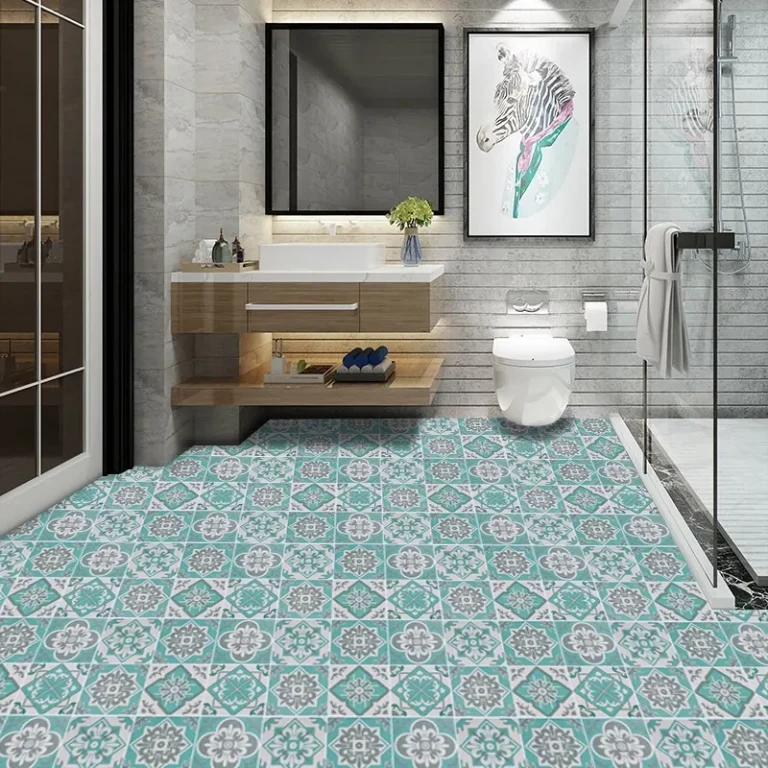
Unlike organic materials, PVC does not absorb moisture, making it the ideal choice for bathroom floor stickers and kitchen environments. It resists oils, weak acids, and alkalis, allowing for easy cleaning with neutral detergents without surface degradation.
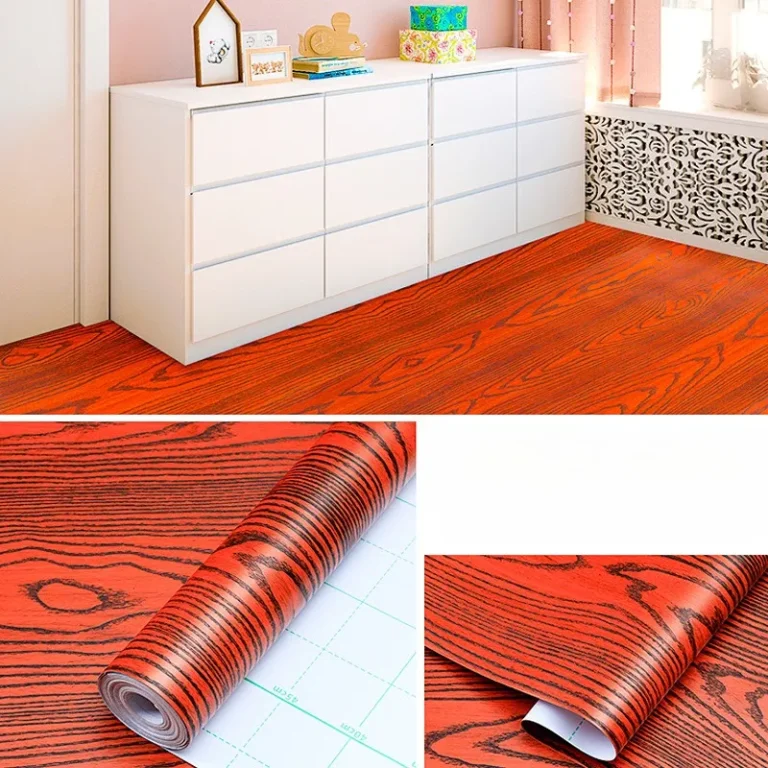
Thanks to advanced printing and embossing technologies, PVC film can convincingly replicate wood, textile, metal, and stone textures. It supports a vast color palette simply not possible with natural materials, providing a competitive edge for interior designers.
PVC offers the premium look of high-end materials at a fraction of the cost. Moreover, the industry has made significant strides in the PVC circular economy, with many manufacturers, including Henan Pulivk New Materials Co., Ltd., offering lead-free and phthalate-free formulations to meet REACH restrictions. This reduces the environmental footprint while maintaining material value.
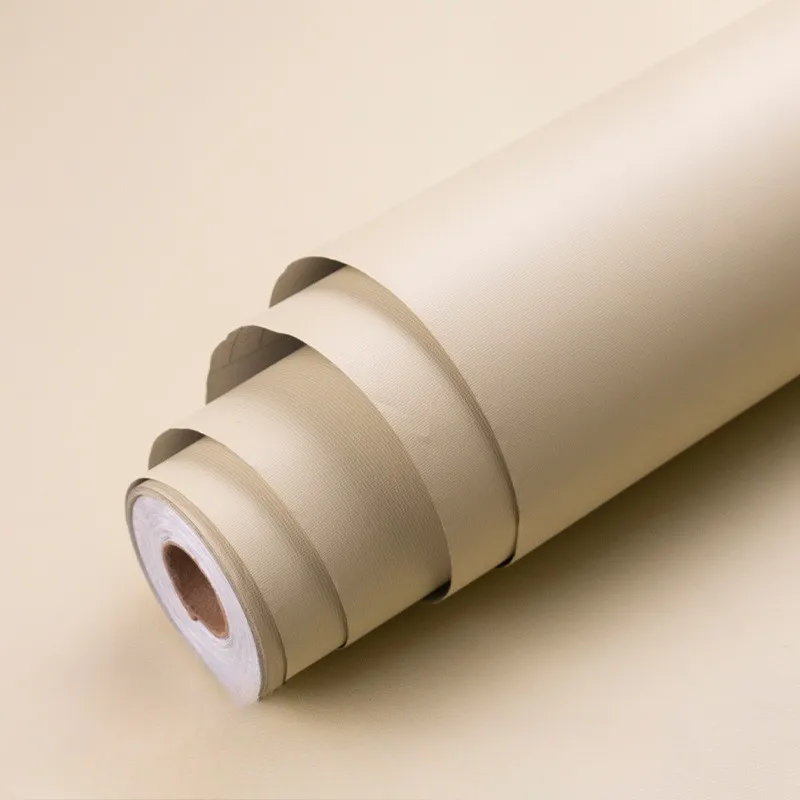
Selecting the correct film can be daunting given the sheer volume of options. To ensure you make an optimal decision, focus on these four technical parameters and supplier capabilities:
Look beyond the visual. Check the ASTM PVC Film Standard (D1593) for general quality. If you are sourcing film for high-traffic areas, evaluate the tear resistance (ASTM D1004) and impact resistance (ASTM D1709). For flexible packaging, the tensile properties (ASTM D882) are critical to prevent breakage during sealing.
The adhesive and thermal lamination temperatures must match the surface. MDF, particleboard, glass, and metal all require different heat ranges and adhesive blends. Ask your supplier for a detailed technical datasheet that specifies the recommended hot-press temperature and pressure curve. Using incompatible films can lead to premature peeling or bubbling.
In many projects, standard patterns are not enough. You need a supplier who can perform precise color matching according to Pantone charts and custom embossing. Look for “Full In-House Production” capabilities, covering calendering, printing, and split-packaging. This ensures that even if you need a unique brushed metal finish or a specific stone pattern, the production chain remains streamlined. Confirm the MOQ (Minimum Order Quantity) for custom designs upfront; some factories require as low as 3,000 square meters per design for standard films.
Depending on your target market, environmental credentials are non-negotiable. For food contact applications, you must ensure compliance with Vinyl Chloride Food Contact Regulations (21 CFR). For general indoor use, request phthalate-free certifications. Validated compliance with RoHS and REACH is a significant advantage, ensuring the product is safe for human contact and indoor air quality.
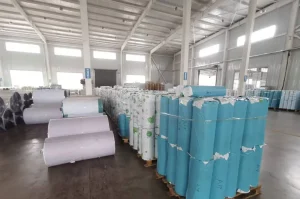
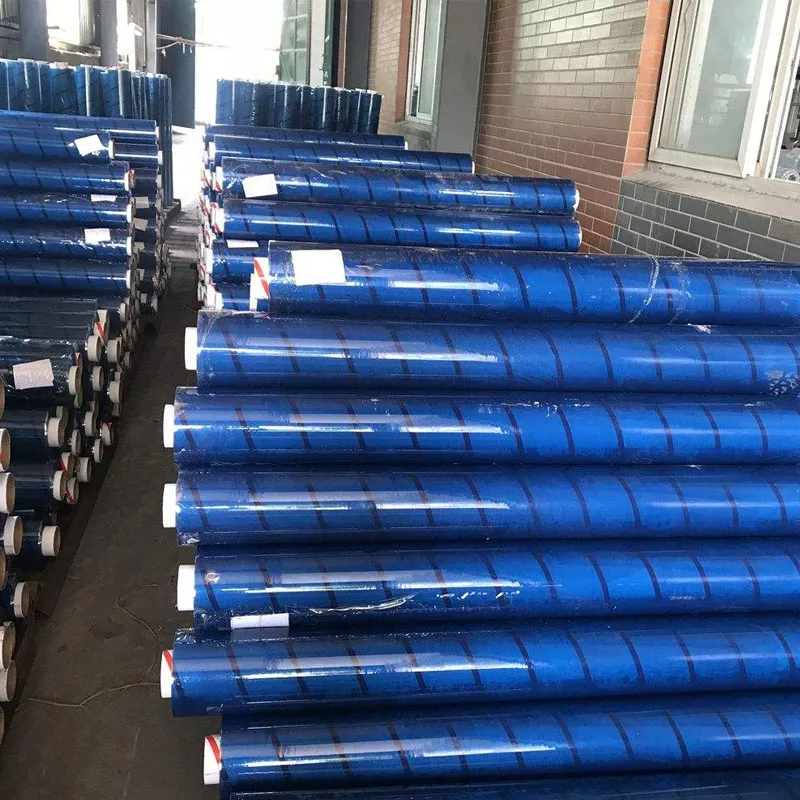
PVC rolls are heavy and can be damaged during transit if not packed correctly. Request that the PVC film split packaging includes dust-proof PE film wrapping with edge protectors. Reliable suppliers use reinforced pallets to prevent humidity damage and distortion, which is crucial for maintaining the flatness of the film during long-distance ocean freight.
The PVC film material market is dynamic, driven by rapid innovations in texture replication and functional coatings. Whether you are looking for a durable marble film for a luxury hotel project or an antistatic material for a cleanroom, the key lies in balancing aesthetics with technical performance. As the VinylPlus 2030 Commitment advances, the future of PVC is increasingly circular, promising better recycling rates and lower carbon footprints. By prioritizing suppliers who control the full production chain—from raw material to finished packaging—you secure not just a product, but a long-term quality partnership.