Address
304 North Cardinal St.
Dorchester Center, MA 02124
Work Hours
Monday to Friday: 7AM - 7PM
Weekend: 10AM - 5PM
Address
304 North Cardinal St.
Dorchester Center, MA 02124
Work Hours
Monday to Friday: 7AM - 7PM
Weekend: 10AM - 5PM


 ByPulivk
Polyvinyl chloride (PVC) film has become an indispensable material across global industries, from modern interior design to heavy-duty industrial packaging. Mastering PVC film production requires a deep understanding of raw material science, precision engineering, and stringent quality standards. This comprehensive overview explores the core manufacturing processes, diverse product typologies, and critical performance benchmarks that define the industry.
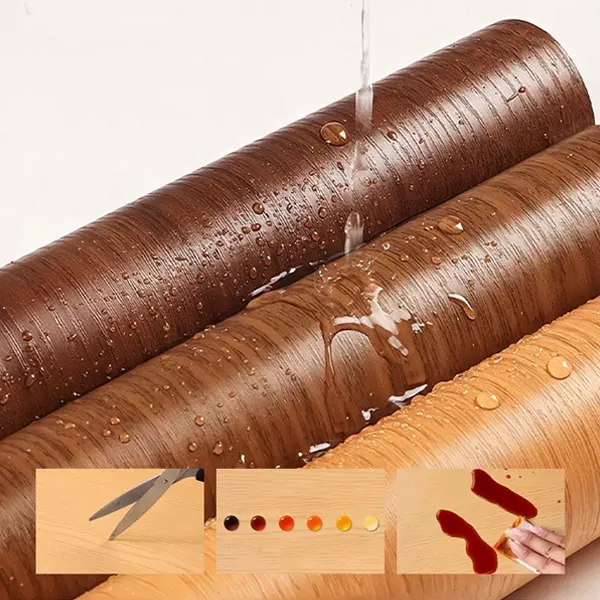
The most widely adopted method for manufacturing high-quality PVC film is calendering. This continuous process involves blending PVC resin with plasticizers, stabilizers, and pigments, then passing the heated compound through a series of precision rollers. These rollers squeeze the material into a flat sheet of uniform thickness, a process that demands extreme accuracy to avoid defects. For specialized products like wood grain film, subsequent embossing stations imprint realistic textures that mimic natural materials with remarkable fidelity.
The versatility of PVC chemistry allows for an extensive range of film types, each engineered for specific functional and aesthetic requirements.
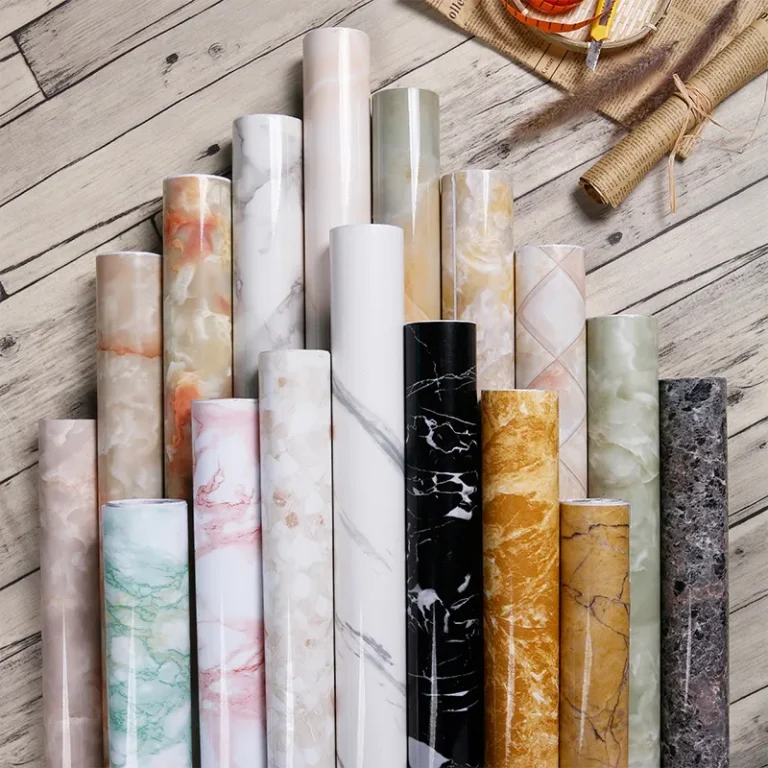
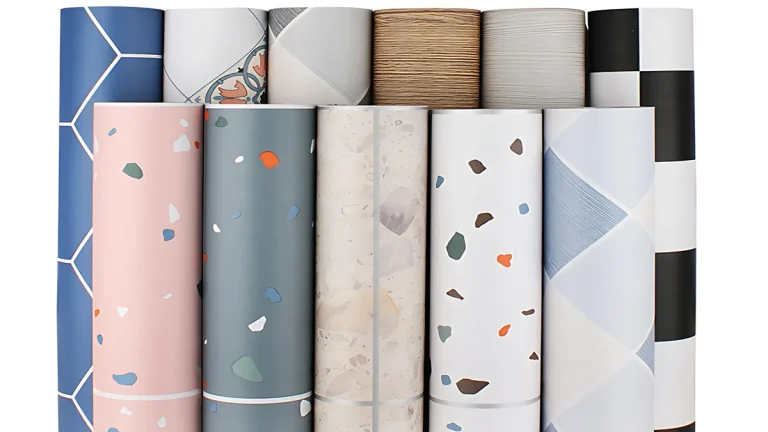
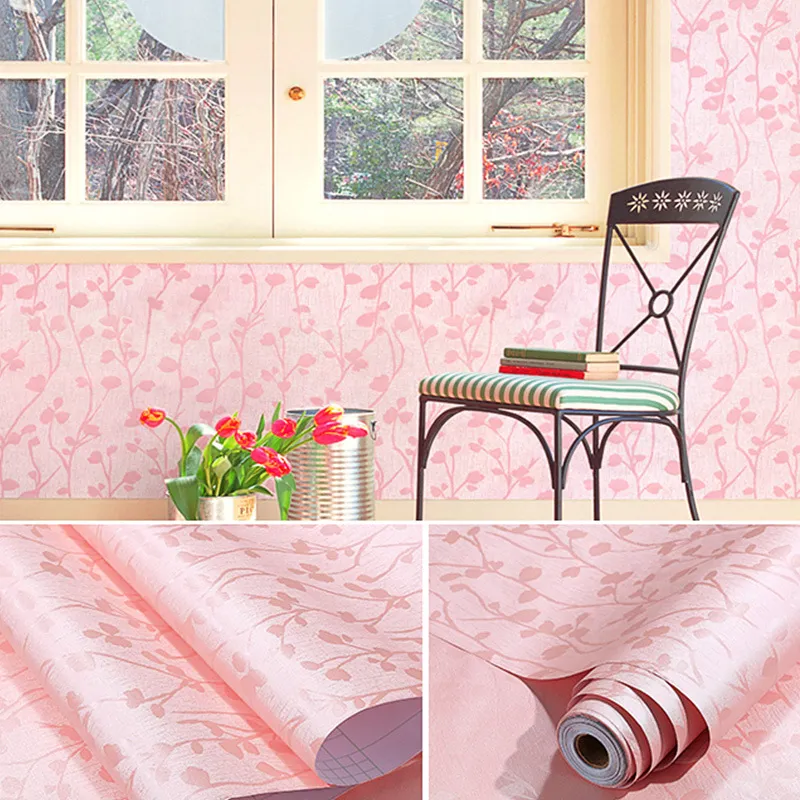
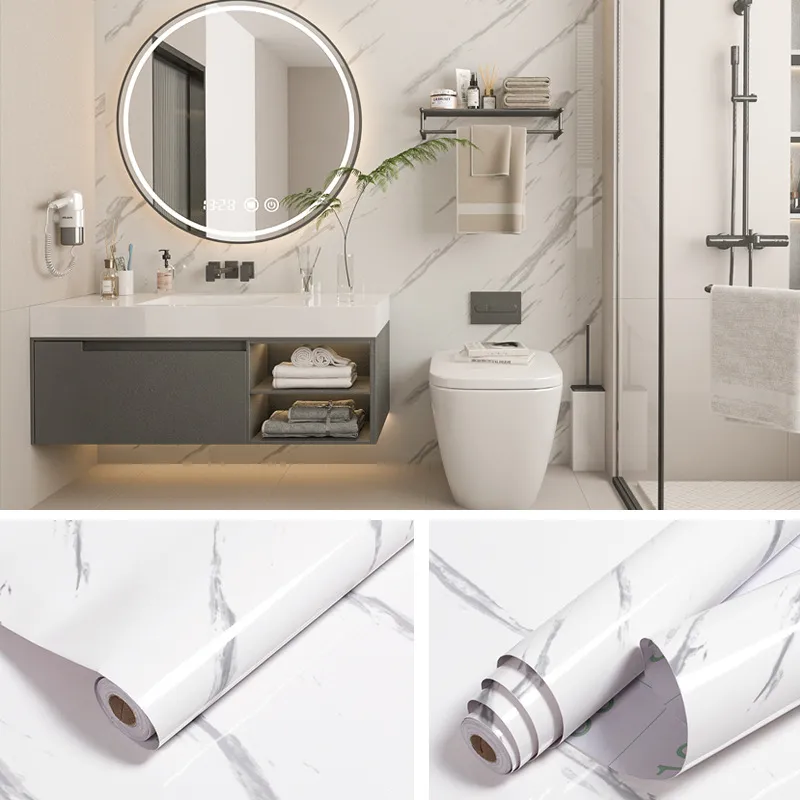
These films are designed to enhance visual appeal. Technologies allow for high-definition printing and embossing, creating 3D silk texture film options and deep matte finishes. The variety spans from solid colors to complex patterns, suitable for wall panels and furniture lamination.
Beyond decoration, calendered films serve critical protective roles. These include anti-static films for electronics, UV-resistant layers for outdoor use, and specialized calendered film used in medical isolation gowns and cleanroom packaging. The ability to modify the formula during compounding allows manufacturers to achieve exacting physical properties.
The adaptability of PVC film has led to its adoption in a vast array of sectors. Here are some of the primary application areas:
| Industry | Typical Applications | Key Film Properties |
|---|---|---|
| Furniture Manufacturing | Cabinet doors, tabletops, wardrobe surfaces | Scratch resistance, realistic texture, colorfastness |
| Building & Construction | Interior wall panels, ceiling tiles, skirting boards | Moisture resistance, dimensional stability, fire rating |
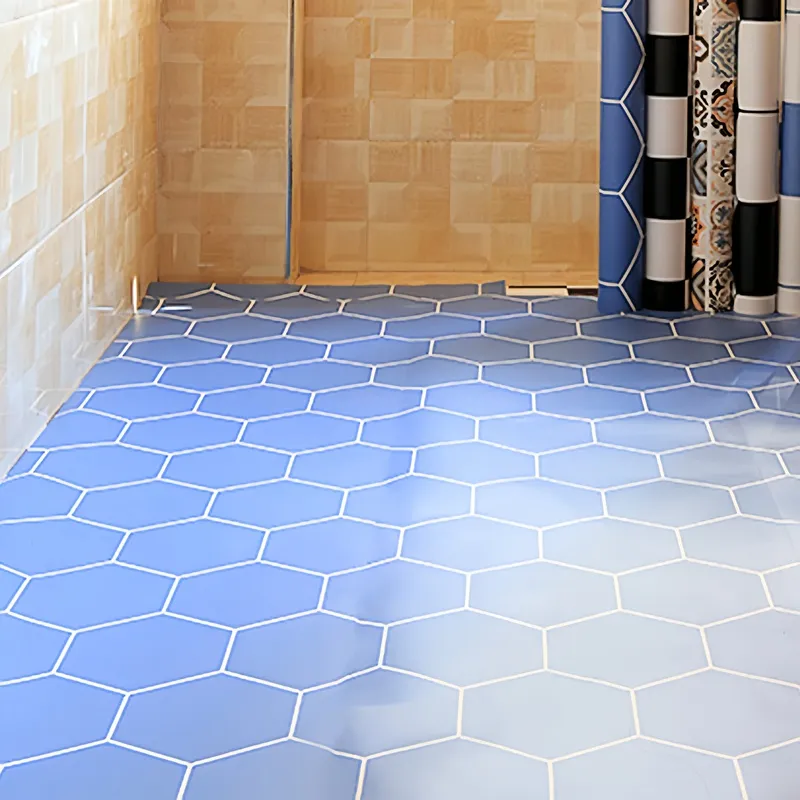
| Flooring Solutions | Luxury vinyl tiles, bathroom stickers, kitchen flooring | Slip resistance, wear layer durability, waterproof |
| Advertising & Exhibitions | Lightbox films, exhibition backdrops, car wraps | High light transmission, ink adhesion, flexibility |
High-performance floor film products, for instance, must combine a tough UV-cured topcoat with a resilient PVC core to withstand foot traffic while maintaining realistic stone or wood visuals.
To ensure reliability and safety, PVC film production is governed by strict international protocols. Compliance with these standards is non-negotiable for global market access.
The American Society for Testing and Materials provides a comprehensive framework. ASTM PVC Film Standard specifications such as D1593 outline requirements for nonrigid vinyl chloride sheets. Critical performance tests include Plastic Film Tensile Testing (ASTM D882) to measure strength and elongation, and Plastic Film Haze Testing (ASTM D1003) to quantify transparency.
The International Organization for Standardization (ISO) also sets crucial benchmarks. ISO Film Tensile Testing (ISO 527-3) and ISO Film Thickness Standard (ISO 4593) are essential for verifying product consistency. For flooring applications, PVC Flooring Standard (ISO 10581) defines the requirements for homogeneous floor coverings.
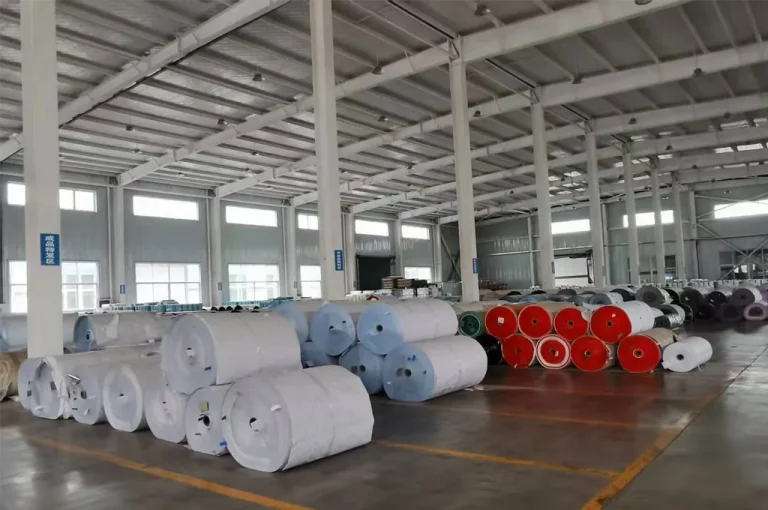
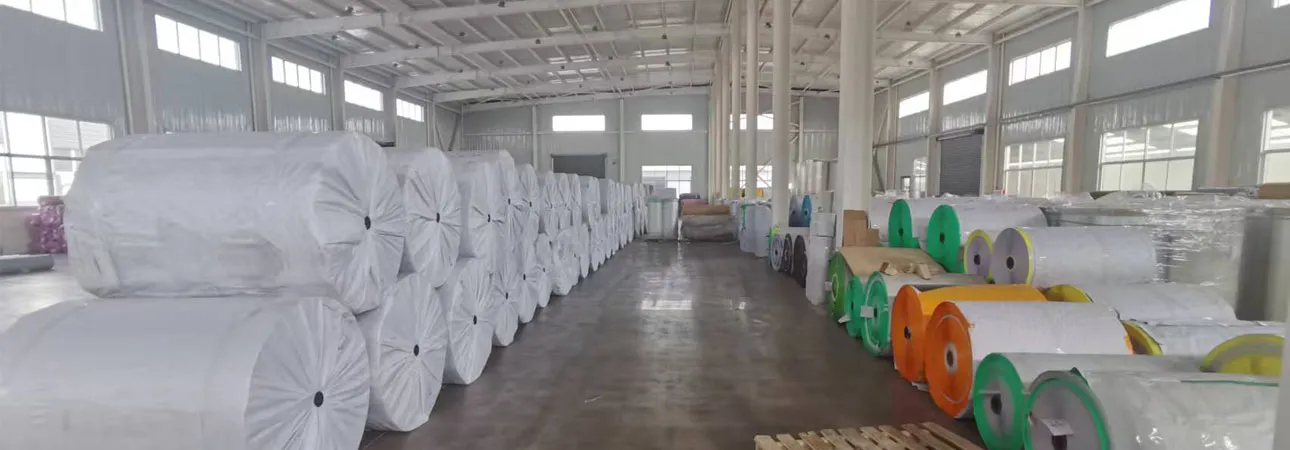
Leading manufacturers in the sector, such as Henan Pulivk New Materials Co., Ltd., distinguish themselves by retaining full in-house control over the entire production chain. This begins with raw material compounding and extends through calendering, printing, embossing, and final split-packaging. By managing every stage internally, producers can offer extensive OEM customization—matching specific Pantone colors, creating bespoke textures like soft-touch or 3D relief, and ensuring stable lead times without relying on third-party subcontractors.
Reliable factories operate advanced optical inspection systems directly on the line to detect pinholes or gauge variations in real-time. Parameters like Plastic Film Gloss Testing (ASTM D2457) and Plastic Film Tear Resistance (ASTM D1004) are rigorously evaluated before a batch is approved for shipment. In-house splitting equipment allows full master rolls to be cut into precise, fixed-length smaller rolls, individually wrapped in dust-proof PE film and labeled for safe global transit.
The aesthetic outcome of PVC film production hinges on the surface replication technology. Modern embossing rollers can reproduce incredibly fine details.
Modern consumers and regulators demand eco-conscious products. Current trends in PVC film production focus on phthalate-free plasticizers and heavy-metal-free stabilizers. Compliance with REACH and RoHS directives is now standard practice for manufacturers serving the European and North American markets. Furthermore, the industry is actively pursuing PVC Recycling and Circularity initiatives, aiming to reprocess post-industrial waste back into new films, reducing the carbon footprint of calendered products.
With thousands of custom designs available—from wood grains and solid colors to patented 3D silk textures—selecting a manufacturer with true in-house calendering capability ensures value. It eliminates the markup from intermediaries and guarantees that the PVC Film Dimensional Stability and physical toughness are verified at the source. Whether developing a unique medical isolation film or a decorative high-gloss panel, the synergy between advanced machinery and strict quality protocols defines the final product’s success.