Address
304 North Cardinal St.
Dorchester Center, MA 02124
Work Hours
Monday to Friday: 7AM - 7PM
Weekend: 10AM - 5PM
Address
304 North Cardinal St.
Dorchester Center, MA 02124
Work Hours
Monday to Friday: 7AM - 7PM
Weekend: 10AM - 5PM


 ByPulivk
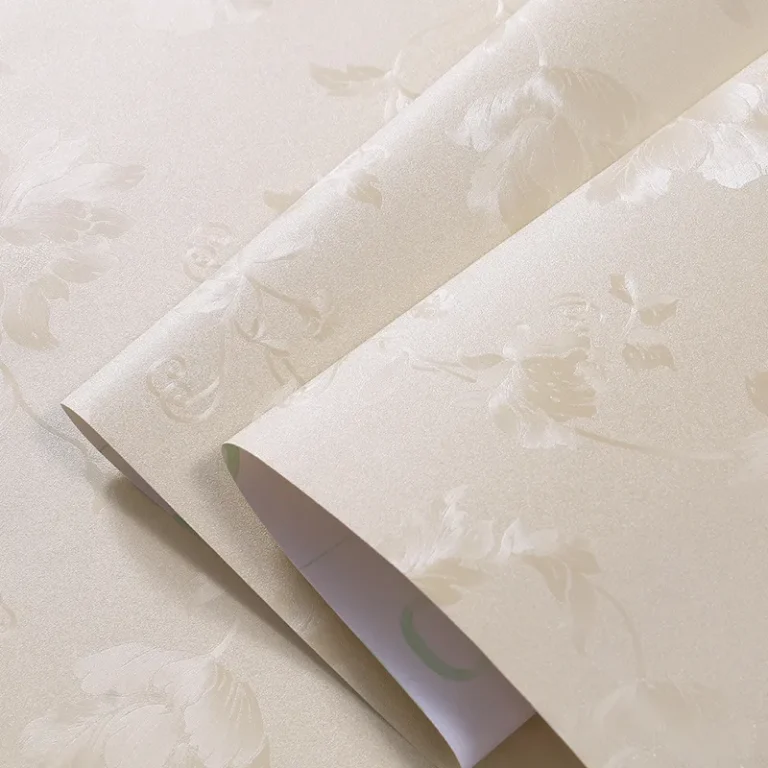
PVC membrane film has become an indispensable material across modern manufacturing, interior design, and industrial applications. Its unique combination of durability, flexibility, and aesthetic versatility makes it a preferred choice for
professionals seeking cost-effective surfacing solutions. Whether you are renovating a kitchen, outfitting a commercial space, or engineering a new product line, understanding the nuances of PVC membrane film is critical to achieving both functional performance and visual impact.
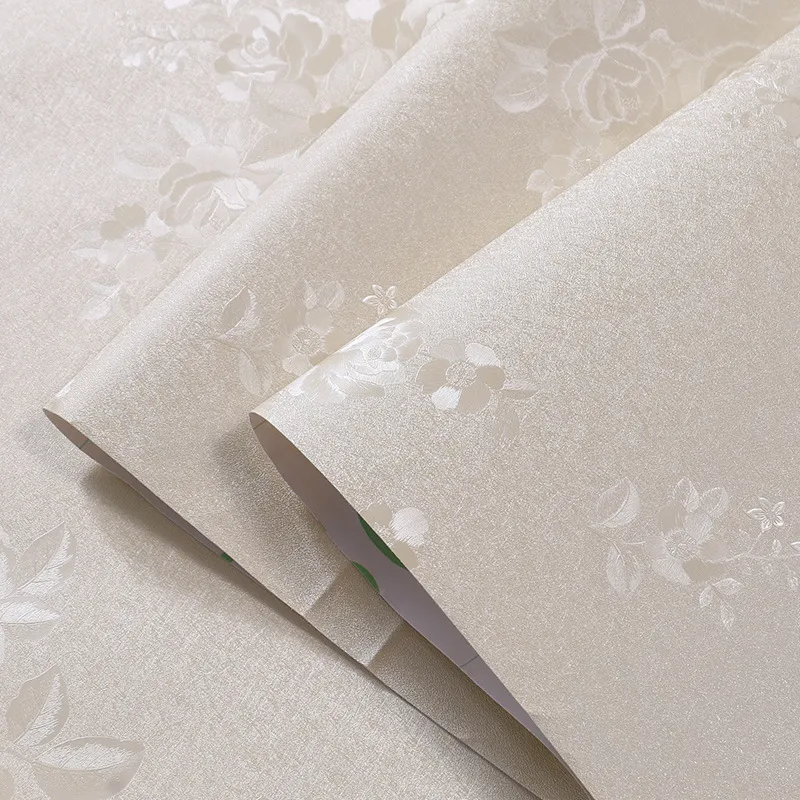
This guide explores the essential types, applications, and benefits of PVC membrane film, followed by a practical framework to help you select the right film for your specific project requirements.
The market offers a diverse range of PVC films, each engineered with specific properties for different end-uses. Below are the primary categories you will encounter:
| Type | Key Characteristics | Primary Applications |
|---|---|---|
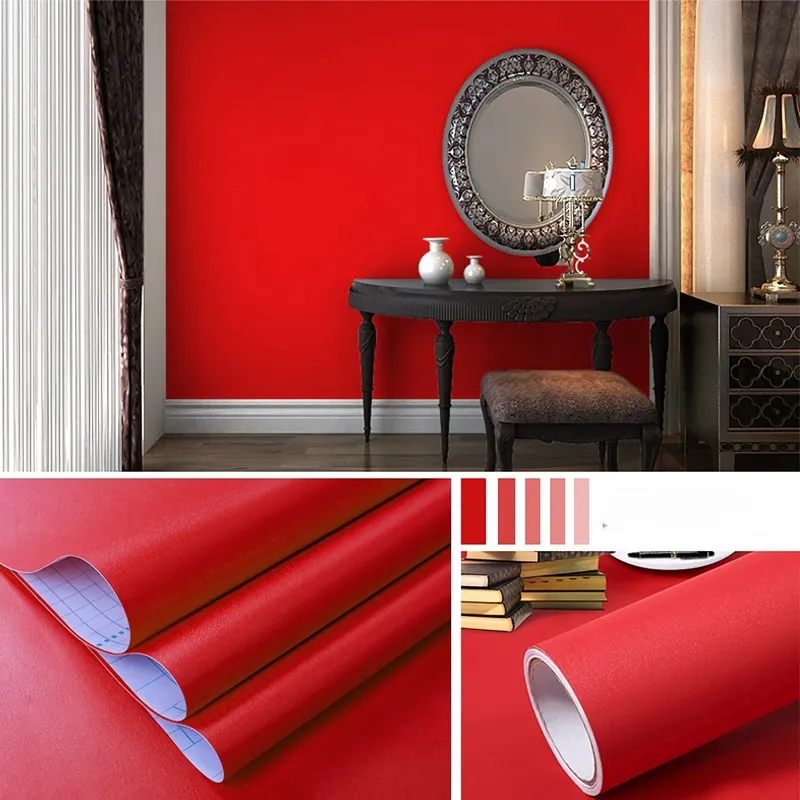
| Decorative Film | Wood grain, marble, solid color, and 3D textures | Furniture surfaces, interior walls, doors, cabinets |
| Calendered Film | Transparent, frosted, pearlescent, antistatic, single or multi-layer | Packaging, stationery, isolation, car stickers, protective layers |
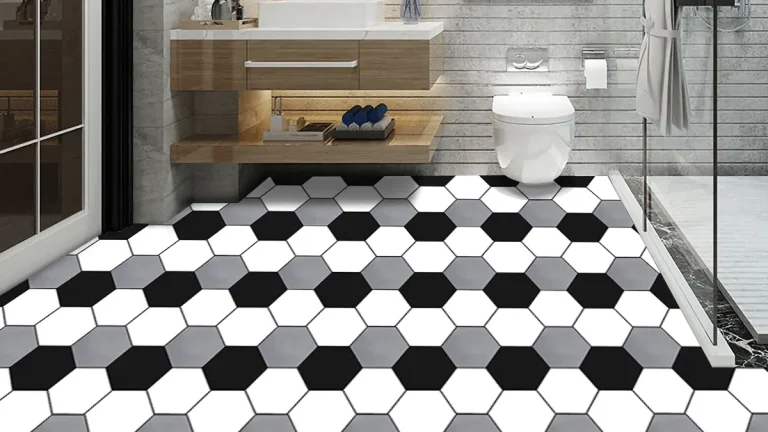
| Floor Film | High wear resistance, waterproof, slip-resistant textures | Vinyl kitchen flooring, bathroom floor stickers, commercial flooring |
| Functional Film | Anti-scratch, UV-resistant, anti-fog, antibacterial, soft touch | Medical cleanrooms, electronics, appliance panels, household goods |
The adaptability of PVC membrane film allows it to replace traditional materials like wood, stone, and metal in numerous contexts. Here are the key sectors benefiting from this technology:
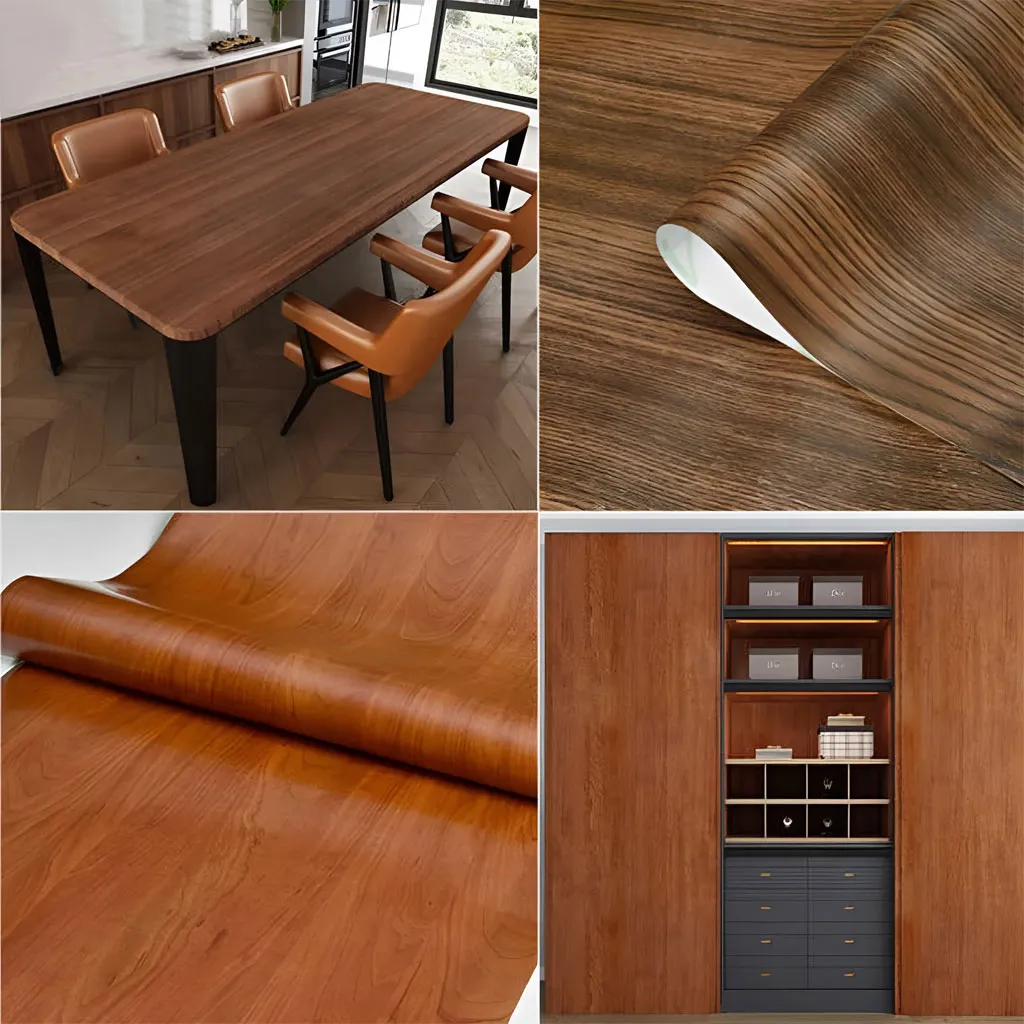
Why do industries choose PVC film over other materials? The value proposition is compelling:
Compared to natural wood veneer or stone slabs, PVC film dramatically reduces material costs. Source-level control of raw materials allows manufacturers to offer competitive pricing, making high-end aesthetics accessible for mass-market
products.
PVC films are inherently waterproof, resistant to chemicals, and can be formulated to withstand UV exposure. This makes them suitable for demanding environments like kitchens. For instance, a kitchen anti-oil film must resist heat, moisture, and staining while maintaining its appearance. Industry standards like the
PVC Film Dimensional Stability test (ASTM D1204) help ensure these properties are quantified.
The design possibilities are virtually unlimited. From a 3D silk texture film with a tactile, luxurious feel to a high-gloss wardrobe film, the surface
effects can be precisely controlled. Manufacturers can match any color using Pantone charts or create custom patterns from a client’s design draft.
Modern PVC films are increasingly aligned with circular economy principles. Lead-free and phthalate-free formulations are available, complying with international regulations like REACH and RoHS. The industry, guided by initiatives like the
PVC Circular Economy framework, is advancing in recycling and material recovery, reducing the overall environmental footprint.
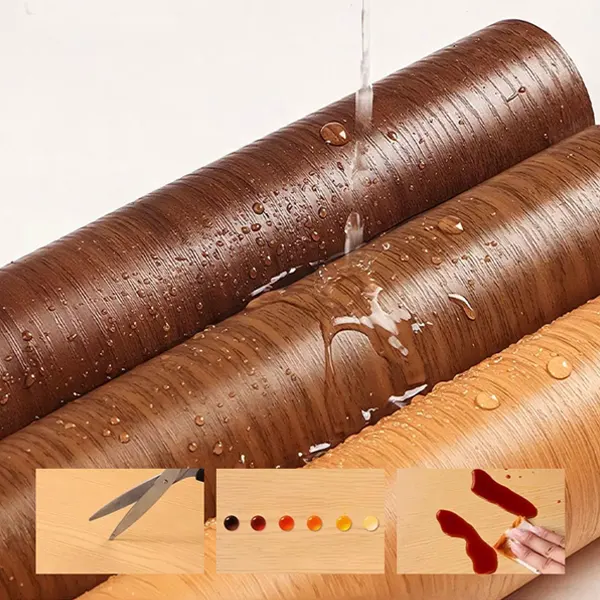
Selecting the optimal film requires a systematic evaluation of your project’s specific demands. Consider the following factors:
What surface will the film be applied to? Smooth MDF, particleboard, glass, and metal all have different surface energies. The film must be compatible with the recommended adhesive and lamination method, whether it’s a cold lamination process or a
vacuum press using heat.
Will the final product be used indoors or outdoors? For outdoor applications, you would need a film with UV inhibitors to prevent yellowing and embrittlement. In a humid bathroom or kitchen, water resistance is crucial. For an electronics application,
an antistatic property is likely required. Reference the
Plastic Film Thermal Shrinkage standard (ASTM D2732) when a product will be exposed to significant temperature fluctuations.
Key parameters include thickness (typically from 0.03 mm to 0.50 mm), width, gloss level (matte to high-gloss), and surface texture. If the film will be subjected to heavy wear, like a floor film for high-traffic areas, you
need to prioritize high tear resistance and impact resistance.
Do you need a standard design from a catalog, or a fully custom solution? A supplier with a large design library, like Henan Pulivk New Materials Co., Ltd., and the capacity to create custom colors and textures can provide a significant
advantage. This full in-house production capability, from calendering to printing and packaging, ensures that the final product matches your exact specifications.
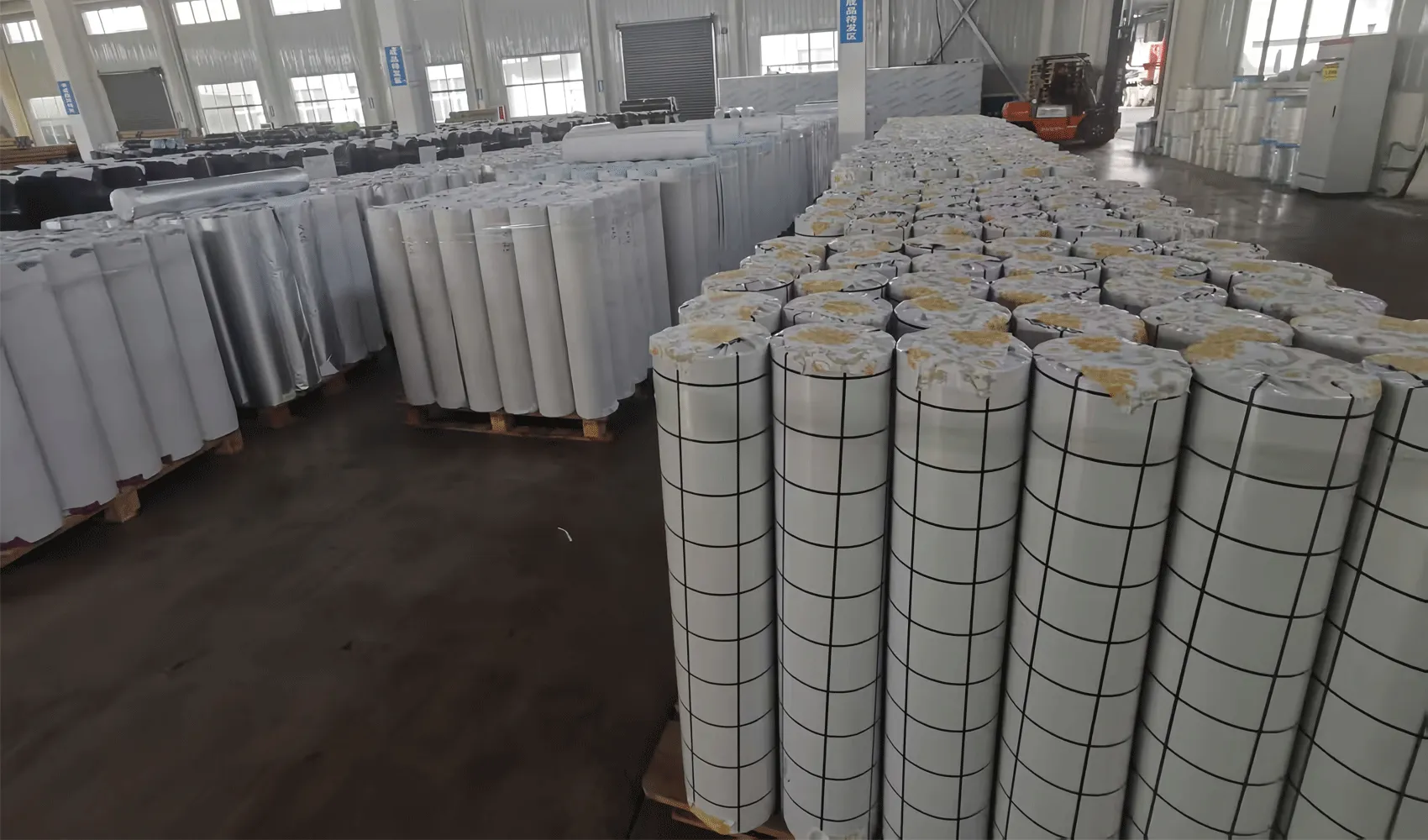
Before placing a bulk order, always request samples to verify the film’s color, texture, and physical properties. Confirm that the film meets all necessary regulatory requirements for your target market, such as those related to
PVC Plasticizers and Phthalates for food contact applications.
A reputable supplier will provide full traceability and quality control documentation.
By carefully navigating these steps—from understanding the diverse types of PVC membrane film to rigorously vetting supplier capabilities—you can confidently select a material that elevates your project’s quality, aesthetics, and
market value. Whether you need a standard decorative film or a highly specialized functional barrier, the right choice transforms a simple sheet of PVC into a powerful design and engineering tool.