Address
304 North Cardinal St.
Dorchester Center, MA 02124
Work Hours
Monday to Friday: 7AM - 7PM
Weekend: 10AM - 5PM
Address
304 North Cardinal St.
Dorchester Center, MA 02124
Work Hours
Monday to Friday: 7AM - 7PM
Weekend: 10AM - 5PM


 ByPulivk
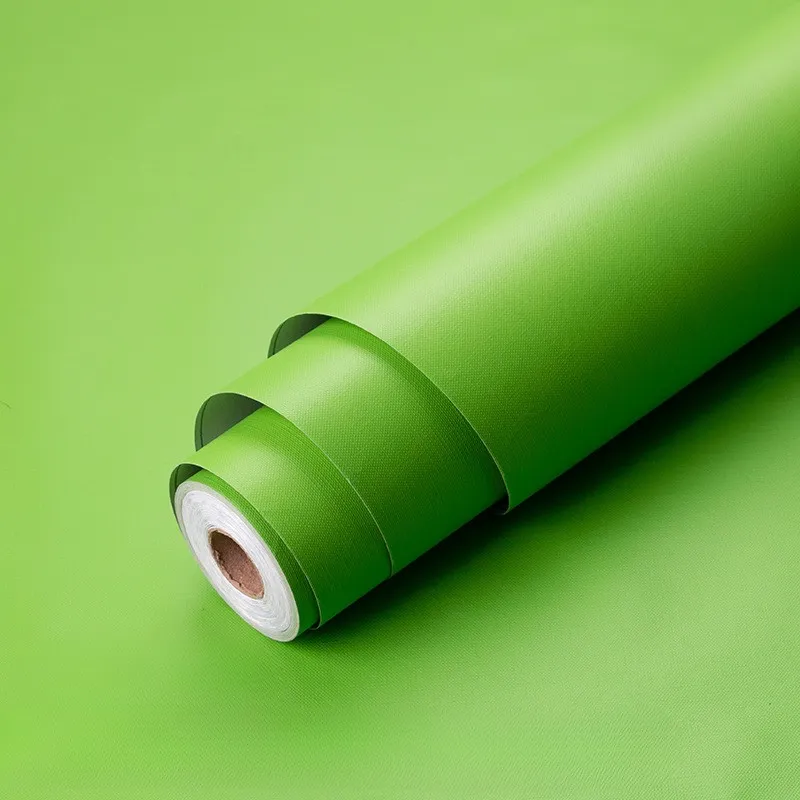
PVC white film is one of the most versatile materials used across industries ranging from furniture manufacturing to construction and packaging. Its clean, bright appearance combined with excellent physical properties makes it a preferred choice for surface decoration, lamination, and protective applications. Understanding the different types, their specific uses, and key selection criteria helps businesses and end-users make informed purchasing decisions.
PVC white film is a thin, flexible sheet made from polyvinyl chloride resin, available in various finishes including glossy, matte, and embossed textures. It can be produced through calendering or casting processes, with each method offering distinct performance characteristics. The film is widely used as a surface material for furniture panels, wall panels, doors, ceilings, and other interior elements where a clean white aesthetic is desired.
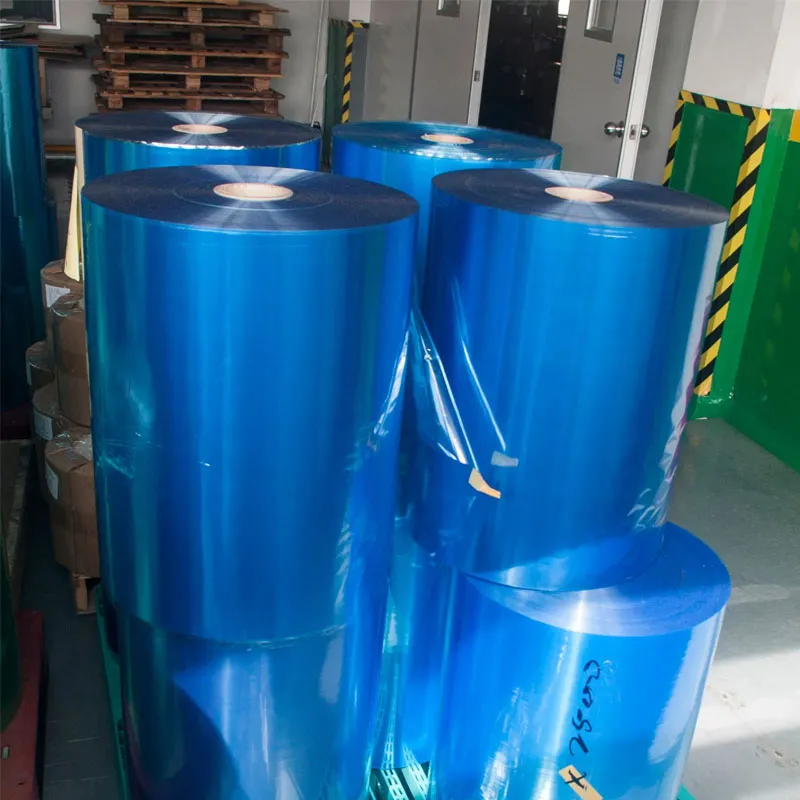
The applications of PVC white film span multiple sectors due to its adaptability and cost-effectiveness. Below are the primary areas where this material delivers exceptional value.
White PVC film is extensively used for laminating MDF, particleboard, and plywood surfaces in furniture production. It provides a smooth, durable finish for wardrobes, cabinets, shelves, and office furniture. The film can be applied via vacuum membrane pressing or flat lamination, creating a seamless white surface that resists scratches and stains.
In modern interior design, solid color wall panels featuring white PVC film offer a clean, minimalist look. The material is lightweight, easy to install, and available with various embossed patterns that add visual depth without compromising the white color tone. It is commonly used in residential spaces, commercial offices, and retail environments.
White PVC film serves as an ideal door skin material, providing a uniform white finish that mimics painted surfaces while offering superior moisture resistance. It is also widely used for skirting boards, where its flexibility allows it to conform to curved profiles and its durability ensures long-lasting performance in high-traffic areas.
In industrial settings, pvc white film is utilized for packaging, temporary surface protection during construction, and as a base material for labels and decals. Its opacity provides excellent coverage, while its strength prevents tearing during handling and transportation.
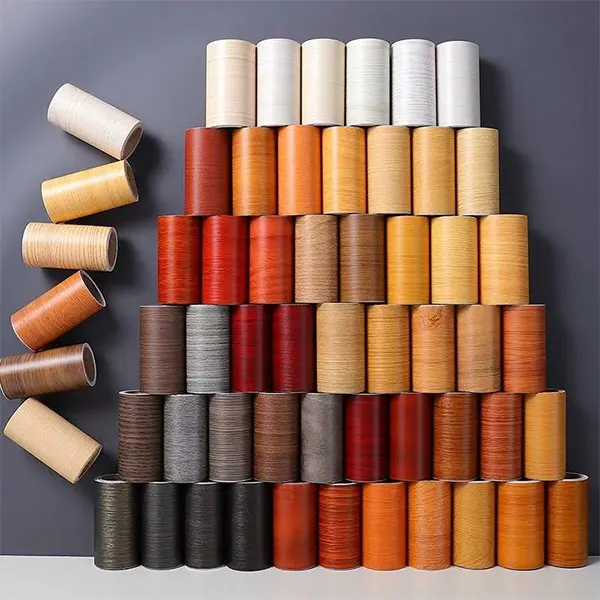
Choosing PVC white film over alternative materials offers several distinct advantages that contribute to both performance and cost savings.
Selecting the appropriate pvc white film requires evaluating several technical parameters. The table below summarizes the key factors to consider based on your intended application.
| Selection Criteria | Options Available | Recommended For |
|---|---|---|
| Thickness | 0.08mm – 0.50mm | Thinner for packaging, thicker for furniture lamination |
| Surface Finish | Glossy, matte, embossed, soft-touch | Glossy for high-end furniture, matte for walls, embossed for textured effects |
| Width | Up to 1500mm | Wider rolls for large panels, custom cuts for specific dimensions |
| Adhesive Type | Self-adhesive, non-adhesive | Self-adhesive for DIY projects, non-adhesive for industrial lamination |
| UV Resistance | Standard, UV-stabilized | UV-stabilized for outdoor or sun-exposed applications |
| Opacity | High-opacity white, semi-opaque | High-opacity for covering dark substrates |
The thickness of pvc white film directly influences its durability, flexibility, and application method. Films ranging from 0.08mm to 0.15mm are suitable for lightweight applications such as temporary protection and packaging. Medium-thickness films between 0.16mm and 0.30mm are commonly used for wardrobe surfaces and interior door skins. For heavy-duty applications including floor films and high-traffic areas, thicknesses of 0.30mm to 0.50mm provide enhanced wear resistance.
The visual and tactile qualities of white PVC film vary significantly based on the surface finish. A glossy white finish reflects light, creating a bright and modern appearance suitable for contemporary furniture designs. A matte white finish offers a softer, more subtle look that hides fingerprints and minor surface imperfections. Embossed textures can replicate materials such as leather, fabric, or wood grain while maintaining the white color, adding a premium touch to panels and doors.
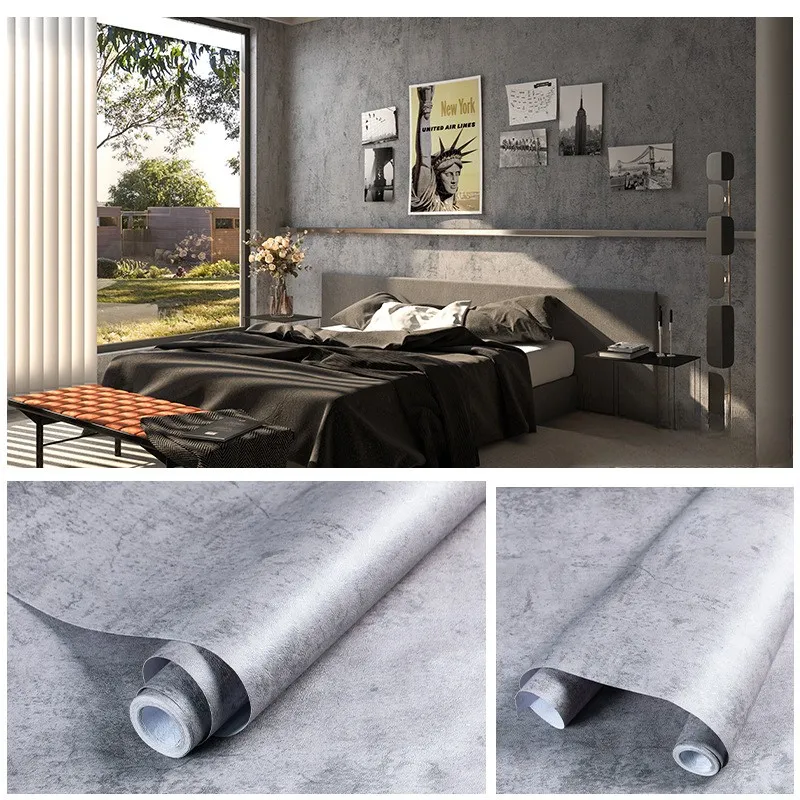
When sourcing pvc white film, it is essential to verify compliance with established industry standards. Adherence to specifications such as ASTM PVC Film Standard ensures consistent material properties. Key performance indicators include tensile strength, haze and transparency levels, and dimensional stability under thermal stress. Reputable manufacturers conduct rigorous testing at multiple stages to guarantee product consistency and reliability.
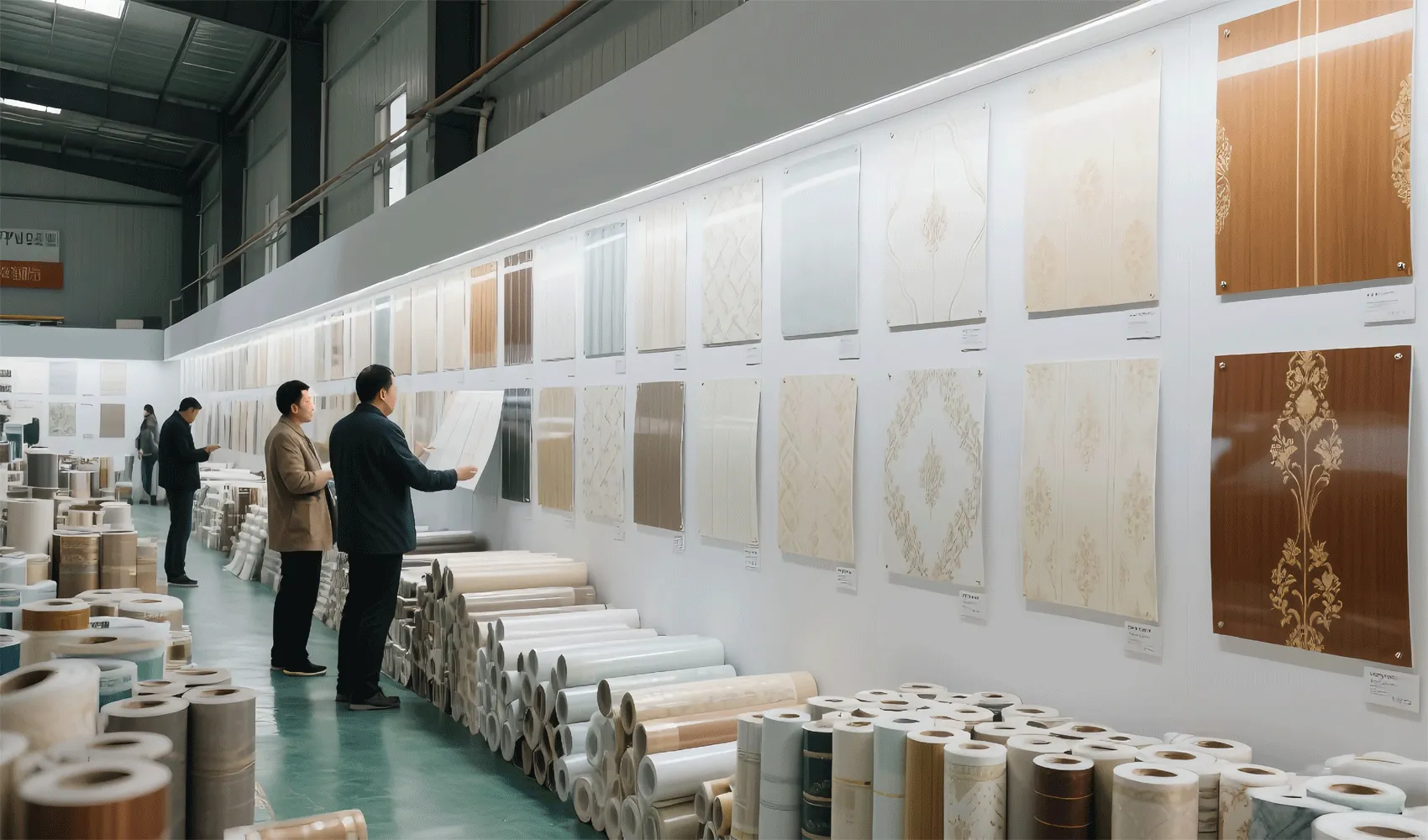
With integrated calendering, printing, and split-packaging production lines, Henan Pulivk New Materials Co., Ltd. delivers consistent quality across every batch of pvc white film. The company’s full in-house production capability ensures tight control over raw materials, manufacturing processes, and final inspection. This translates into reliable lead times, competitive pricing, and the flexibility to accommodate customized specifications for color, finish, thickness, and roll dimensions.
Multiple QC checkpoints are implemented throughout production, from incoming raw material inspection to final packaging. Automated optical inspection systems and precision thickness gauges monitor film consistency in real time. The result is a PVC white film product that meets the demands of furniture manufacturers, interior decorators, and industrial users worldwide.
For standard white PVC film products, the typical minimum order quantity starts at 3,000 square meters per design. Customized colors or specialty finishes may require higher quantities. It is best to contact the sales team with your specific requirements for an accurate quotation.
Yes, but it depends on the formulation. White PVC film with UV inhibitors and stabilizers can withstand outdoor exposure for extended periods. Standard indoor-grade film may experience yellowing or embrittlement when exposed to direct sunlight. Always specify outdoor application requirements when ordering to receive the appropriate product formulation.
Use a soft, damp cloth or sponge with a mild neutral detergent for routine cleaning. Avoid abrasive cleaners, scouring pads, strong acids, and alkaline solutions, as these can scratch or damage the film surface. Regular gentle cleaning helps maintain the white appearance and extends the service life of the material.


