Address
304 North Cardinal St.
Dorchester Center, MA 02124
Work Hours
Monday to Friday: 7AM - 7PM
Weekend: 10AM - 5PM
Address
304 North Cardinal St.
Dorchester Center, MA 02124
Work Hours
Monday to Friday: 7AM - 7PM
Weekend: 10AM - 5PM


 ByPulivk
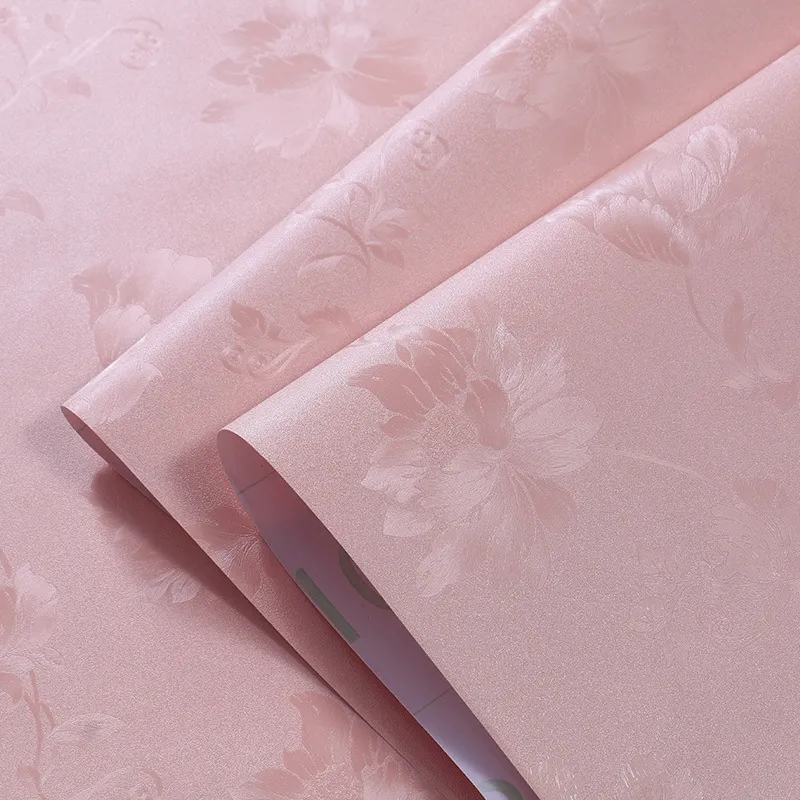
When selecting materials for high-quality printing and durable packaging, the specific thickness and surface finish of the film play a critical role in the final output. In the world of flexible substrates, 150mic matte PVC film has emerged as a preferred choice for professionals seeking a balance between robustness and subtle elegance. This material provides a non-reflective surface that enhances readability while standing up to the rigorous demands of conversion processes.
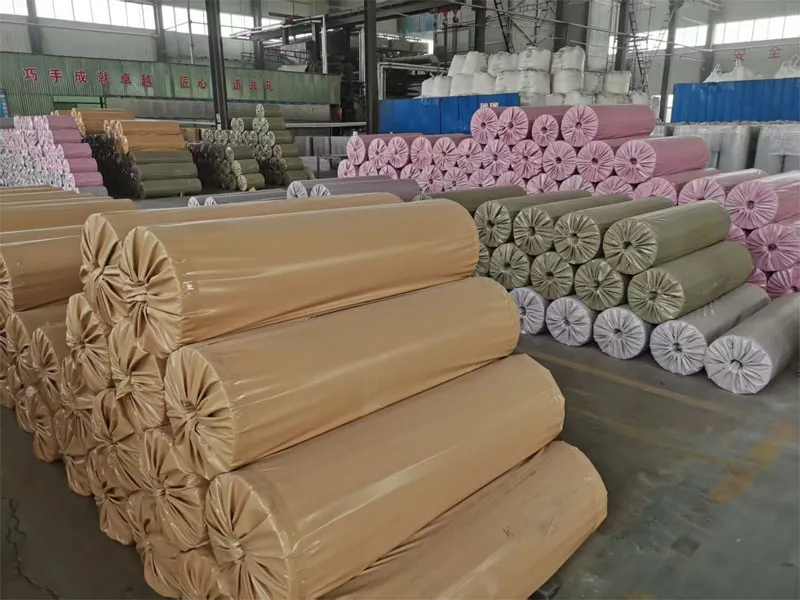
Thickness is not just a number; it dictates the structural integrity of the final product. The 150mic matte PVC film sits perfectly between flexible light-duty films and rigid heavy-gauge sheets. At 150 microns, you get a material that feels substantial to the touch yet remains perfectly suited for high-speed die-cutting and scoring. Unlike thinner films that may curl or tear during lamination, this gauge maintains dimensional stability under tension, a property validated by PVC Film Dimensional Stability standards. This makes it an ideal candidate for creating premium menu covers, durable ID cards, and luxury packaging that must hold its shape without warping.
Glossy surfaces can often be a handicap in environments with overhead lighting, creating glare that obscures text and images. The anti-glare properties of a matte PVC film are essential for applications where immediate readability is crucial. This finish scatters light rather than reflecting it, drastically reducing eye strain and making colors appear softer and more saturated. Furthermore, matte surfaces offer excellent scratch resistance; minor abrasions that would be instantly visible on a high-gloss sheet remain largely hidden on a textured, non-reflective surface, preserving the pristine look of the product throughout its lifecycle.
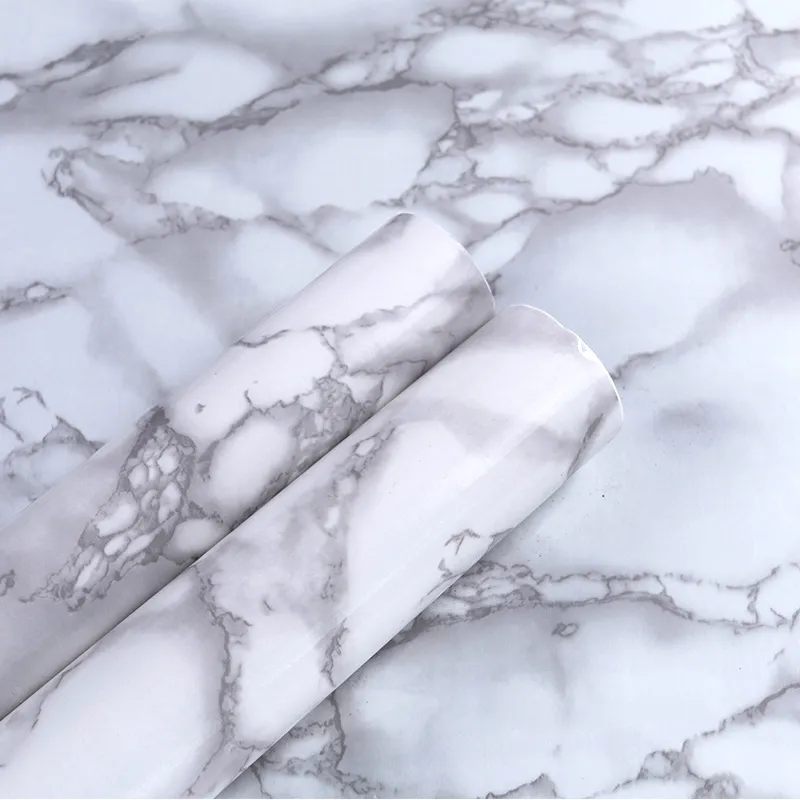
For commercial printers, ink adhesion is a non-negotiable requirement. The surface tension of the 150mic matte PVC film is engineered to accept a wide variety of UV-curable and solvent-based inks without bleeding or streaking. This ensures crisp, high-definition graphics. To maintain quality control, rigorous testing procedures, such as those described in the Plastic Film Gloss Testing methods, are crucial for ensuring batch-to-batch consistency in the surface finish. The precise surface topography is what gives the film its receptive signature, allowing for rapid drying and reducing the risk of offsetting during stack pressing.
The versatility of this specific grade extends far beyond simple print sheets. It is a powerhouse in the flexible packaging sector, often utilized as a laminating film to add a tactile soft-touch effect to rigid boxes. It also serves as a robust base for PVC skirting film applications where scuff resistance is mandatory. Below are some primary sectors that rely on this material:
To ensure this material fits your converting equipment, it is essential to analyze the technical data. The 150mic matte PVC film typically exhibits a specific tensile strength and elongation percentage that prevents snapping on high-speed lines. The table below outlines the typical physical properties one can expect from a high-quality calendered matte sheet.
| Property | Specification Range | Advantage |
|---|---|---|
| Total Thickness | 150 µ (±5%) | Optimal rigidity for card applications |
| Surface Finish | Matte/Velvet | Anti-glare & UV printing optimized |
| Dimensional Stability | Low Shrinkage | Prevents registration issues |
| Tensile Strength | > 45 MPa | Durable in high-speed converting |
While clear PVC offers transparency, the matte variant used in this 150mic matte PVC film provides a distinct user experience. The diffused surface completely eliminates the “fingerprint magnet” issue common with gloss films. For packaging designers, this means the product looks flawless from the point of sealing to the point of sale. Additionally, if you are sourcing comparable decorative solutions, reviewing a comprehensive PVC film product range can provide context on how matte finishes differ from high-gloss or embossed alternatives in terms of durability and print fidelity.
Today’s specifications often require compliance with international environmental standards. Reputable factories producing 150mic matte PVC film focus on clean formulations, including lead-free and phthalate-free stabilizers, aligning with global regulations. The manufacturing sector has made significant strides in efficiency; for instance, Henan Pulivk New Materials Co., Ltd. utilizes integrated calendering lines that minimize waste while ensuring a uniform matte texture across every yard of film produced. This dedication to quality control ensures that the physical properties, such as the precise 150-micron gauge, remain consistent to meet the stringent requirements set by the ASTM PVC Film Standard.
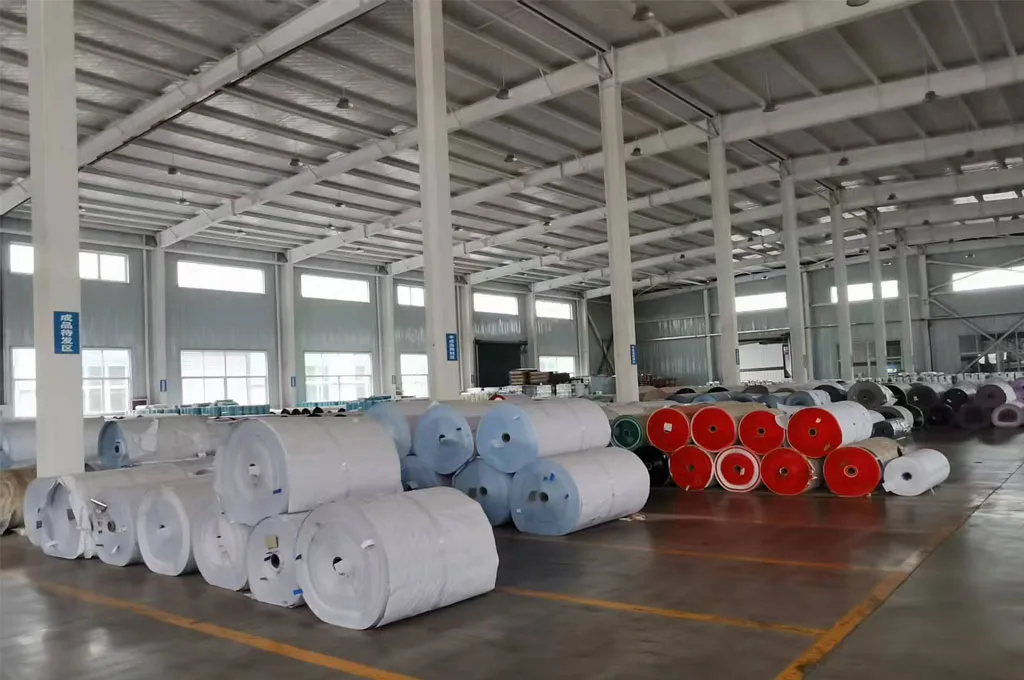
Handling 150mic matte PVC film requires attention to ambient conditions to ensure absolute flatness. The material should be acclimatized to the printing room’s temperature for at least 24 hours prior to use. Static electricity can be a concern with thicker films, so ionization bars on the press are recommended to prevent dust attraction. For further guidance on handling thermoplastic sheets, referencing standards like Thermoplastic Film Testing Guide can be invaluable. Proper tension control during rewinding is also critical to prevent telescoping of the rolls, ensuring a smooth, uninterrupted feed during long print runs.
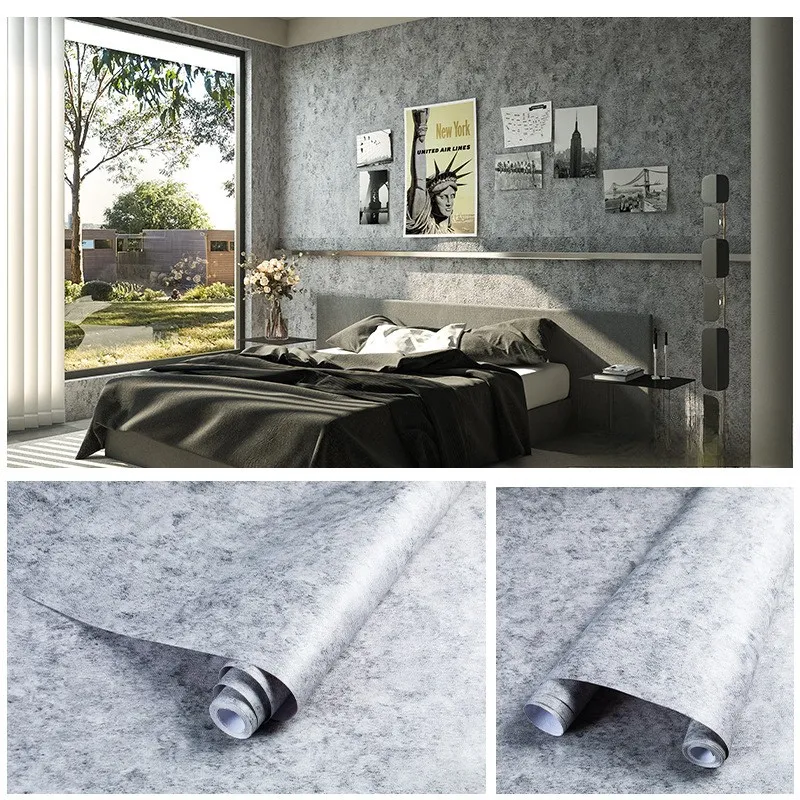
Investing in a 150mic matte PVC film elevates the sensory perception of your product. The soft-touch feel communicates quality and sophistication that cannot be replicated by thinner or less refined materials. Whether you are sealing a luxury textile card, producing a waterproof menu, or creating a durable hang-tag, the combination of 150-micron thickness and a non-reflective surface provides a decisive competitive advantage. It’s a practical, aesthetic, and cost-effective solution that bridges the gap between flexible packaging and rigid plastic sheeting, offering long-term value for converters and brand owners alike.