Address
304 North Cardinal St.
Dorchester Center, MA 02124
Work Hours
Monday to Friday: 7AM - 7PM
Weekend: 10AM - 5PM
Address
304 North Cardinal St.
Dorchester Center, MA 02124
Work Hours
Monday to Friday: 7AM - 7PM
Weekend: 10AM - 5PM


 ByPulivk
In modern manufacturing, surface aesthetics and material durability are not mutually exclusive. Custom PVC film bridges this gap by offering a combination of visual appeal and robust physical properties. Whether used for furniture lamination, wall paneling, or protective packaging, these films provide a high-performance skin that can mimic wood, stone, or high-gloss finishes without the associated cost or weight of natural materials.
The versatility of calendered film technologies allows manufacturers to specify thickness, texture, and roll length precisely. This level of control ensures that the material integrates seamlessly into existing production lines, reducing waste and improving throughput. From embossed surfaces that provide a soft-touch feel to transparent overlays that protect printed graphics, the application spectrum continues to expand.
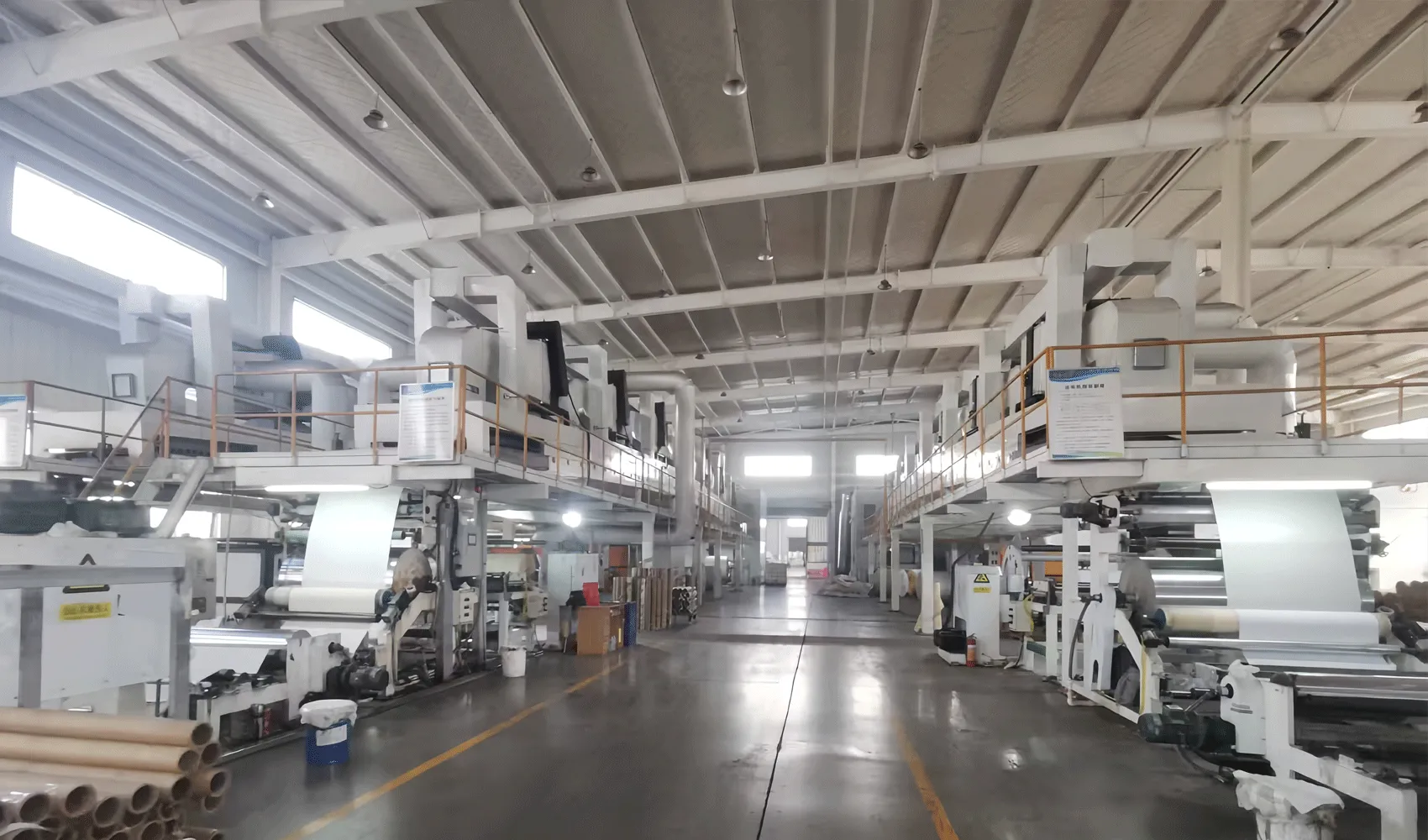
Choosing the right substrate impacts production efficiency and final product quality. Manufacturers who switch to customized solutions often report immediate gains in line speed and visual consistency. The following characteristics make custom PVC film a preferred choice across industries:
In the packaging sector, clarity and seal integrity are non-negotiable. floor film and related rigid vinyl formulations offer excellent optical properties, allowing end-users to inspect products without opening the package. The ability to customize slip properties and anti-static characteristics ensures that these films run efficiently on high-speed packaging lines without jamming or generating dust buildup.
Additionally, barrier properties against moisture and gases can be enhanced through multi-layer configurations. This creates packaging that not only displays products beautifully but also extends shelf life, addressing a key requirement in the food and pharmaceutical industries.
To ensure that every roll of film meets stringent specifications, manufacturers rely on standardized testing protocols. Adherence to these protocols guarantees consistency from lot to lot and helps predict real-world performance. Below are critical test categories and their relevance to custom PVC film selection:
| Property | Test Method | Significance |
|---|---|---|
| Tensile Strength | ISO Film Tensile Testing | Determines load-bearing capacity and durability under stress |
| Tear Resistance | Plastic Film Tear Resistance | Ensures material does not fail during handling or stretching |
| Haze and Clarity | Plastic Film Haze Testing | Critical for transparent packaging and overlays |
| Dimensional Stability | PVC Film Dimensional Stability | Prevents warping and registration issues in printing |
| Gloss Level | Plastic Film Gloss Testing | Controls the visual finish from matte to high-gloss |
| Thickness Uniformity | ISO Film Thickness Standard | Confirms consistent material usage and performance |
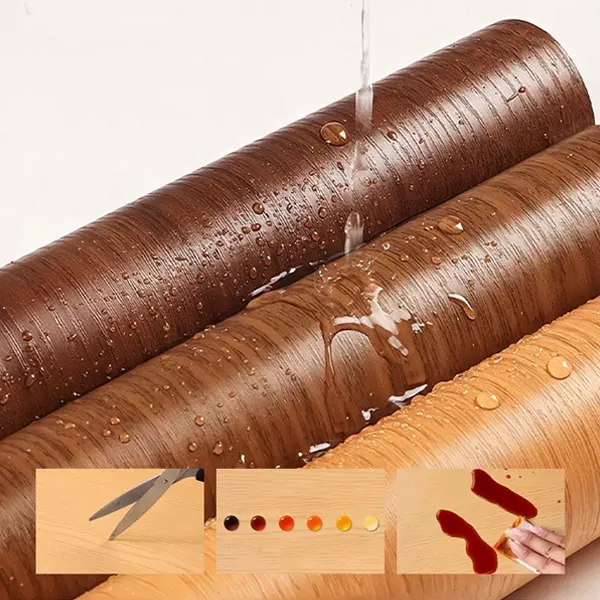
The decorative potential of custom PVC film is vast, expanding well beyond basic lamination. Textures that replicate natural materials such as wood grain, brushed metal, and stone are widely used in interior design and furniture production. These films provide a durable and easy-to-clean surface that resists everyday wear while maintaining a premium appearance.
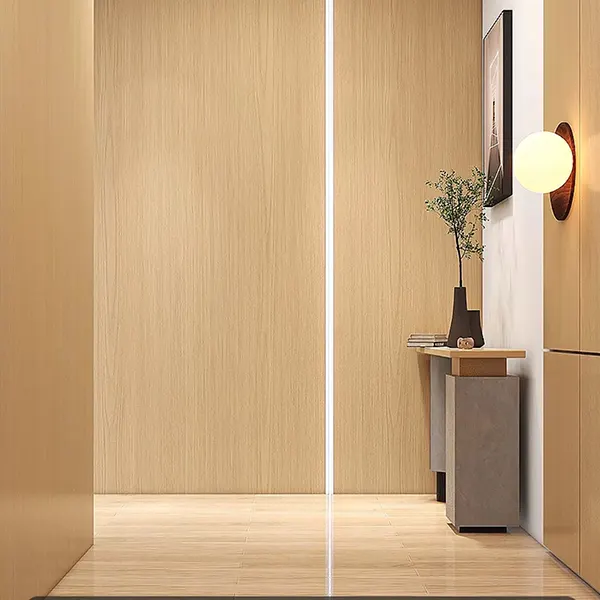
Surface films designed for wood grain film applications allow MDF and particleboard panels to take on the look of solid oak, walnut, or teak. This approach conserves natural resources while offering a consistent grain pattern that is impossible to achieve with solid timber.
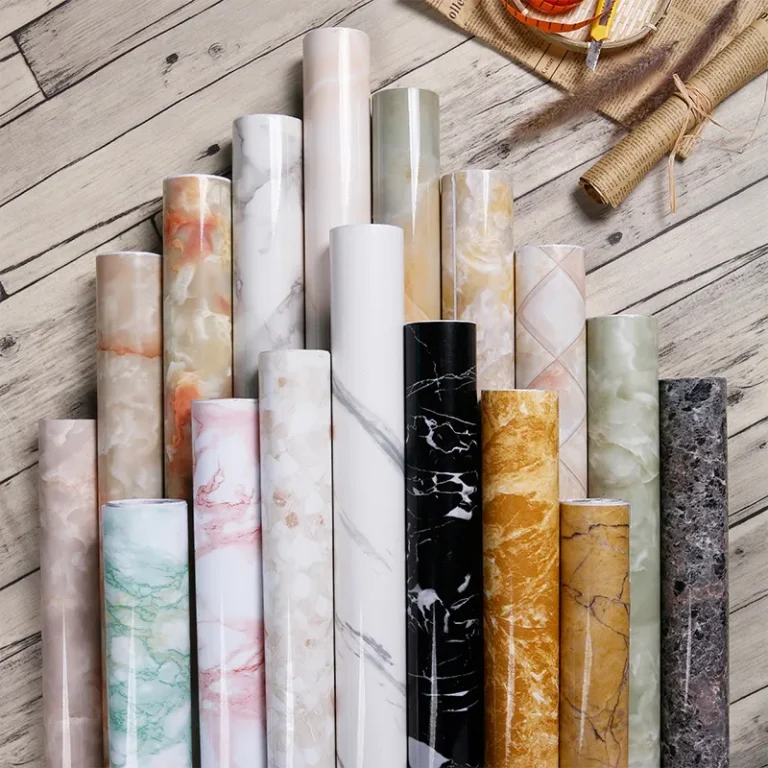
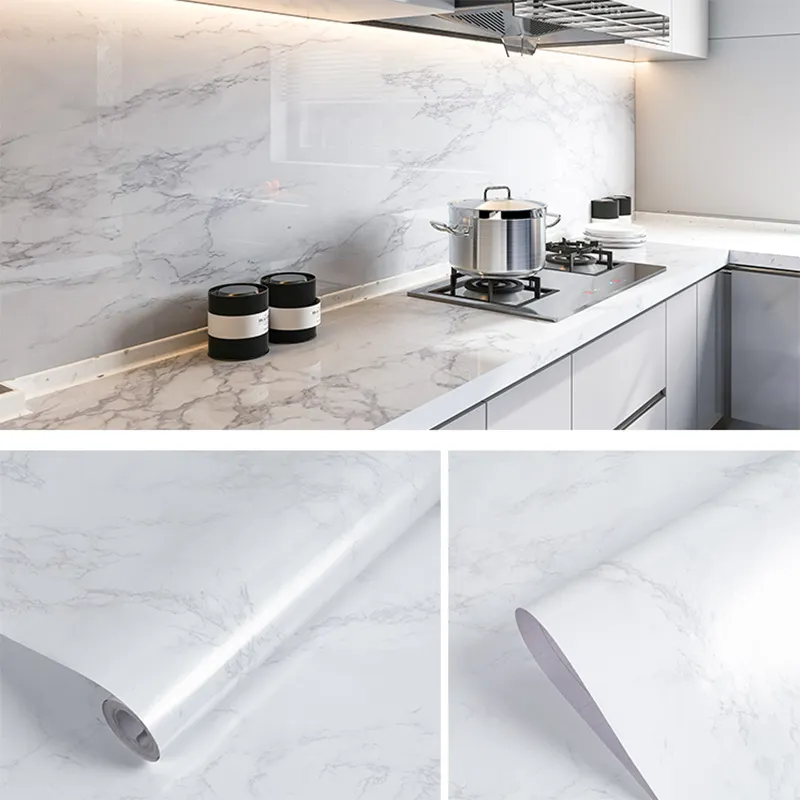
Interior walls, ceiling panels, and partitions benefit from films that offer both decoration and protection. Stone pattern and solid color films provide a lightweight alternative to ceramic tiles and paint, often with antimicrobial additives suitable for hygienic environments.
Protective films with anti-static and UV-resistant properties shield sensitive electronic components during assembly and use. Brushed metal finishes on appliance panels deliver a high-end aesthetic without the fingerprint issues common to genuine stainless steel.
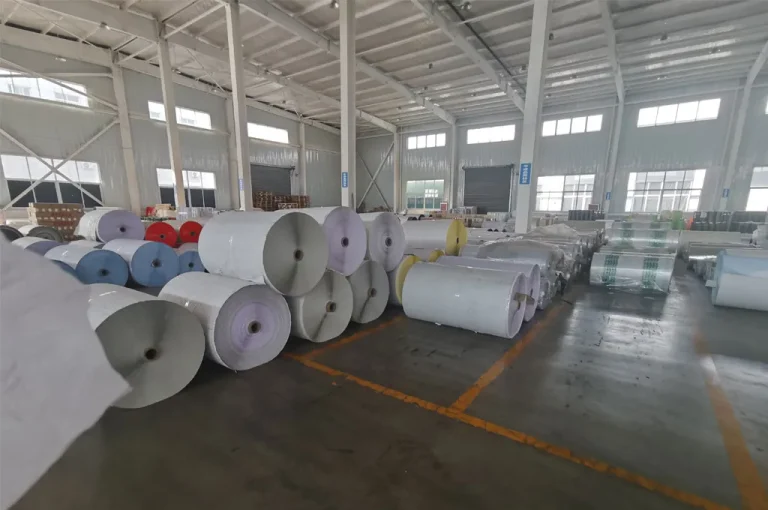
Henan Pulivk New Materials Co., Ltd. distinguishes itself through a fully integrated production model. In-house calendering and printing lines are paired with split-packaging capabilities, meaning every stage—from raw material processing to finished labeling—is synchronized. This vertical integration reduces lead times and ensures that each roll of custom PVC film reflects uniform color matching and precise thickness specifications.
Supporting documentation and compatibility testing are part of the technical package provided to clients. Whether developing a new decorative pattern or translating complex CAD drawings into production reality, the OEM process is structured to move from concept to shipment smoothly.
Comprehensive technical support accompanies each order, from material selection advice to lamination guidance. Clients receive documentation covering recommended adhesive types, application temperatures, and substrate preparation requirements to optimize performance on the production floor.
Modern custom PVC film production incorporates eco-conscious practices that meet evolving regulatory standards. Formulations are available without restricted substances such as phthalates and heavy metals, aligning with PVC Recycling and Circularity goals promoted by industry consortiums. By selecting films produced under these strict protocols, downstream manufacturers can market their own products as compliant with international environmental expectations.
The incorporation of UV inhibitors further extends service life by combating yellowing and embrittlement, which ultimately reduces material replacement cycles and associated waste streams.
Choosing the correct film grade depends on the intended application environment and processing method. The comparison below highlights key differences among popular product categories to streamline sourcing decisions:
| Product Category | Typical Application | Notable Feature | Learn More |
|---|---|---|---|
| Calendered Film | General lamination, stationery, packaging | Uniform thickness, excellent clarity | View Details |
| 3D Silk Texture Film | Premium furniture, wall panels, decorative surfaces | Deep embossed texture, soft-touch finish | View Details |
| Marble Film | Countertops, columns, retail displays | Realistic stone patterns, scratch-resistant | View Details |
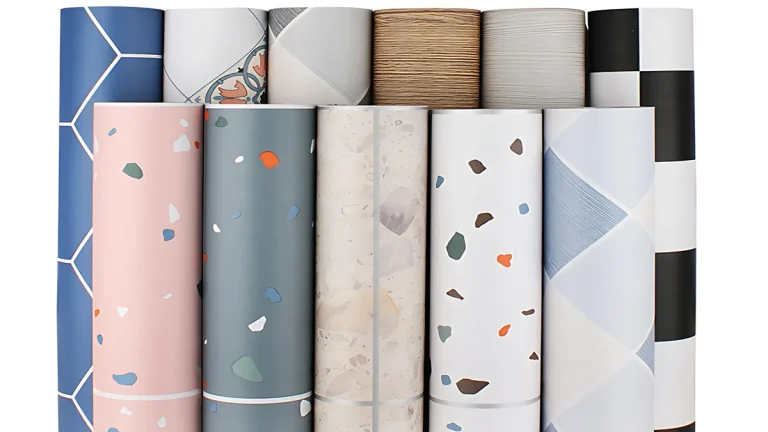
| Floor Film | Residential and commercial flooring overlays | Wear layer protection, anti-slip options | View Details |
| Glossy Wardrobe Film | Closet doors, cabinets, modern interiors | High-gloss surface, fingerprint resistance | View Details |
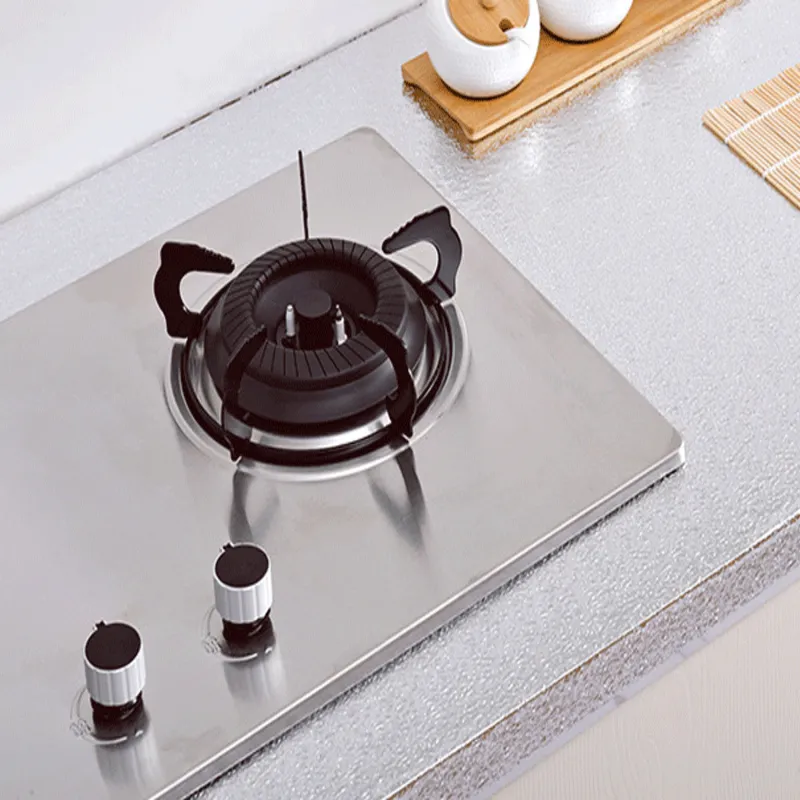
| Kitchen Anti-oil Film | Kitchen backsplashes, countertops near stoves | Oil repellent, easy to wipe clean | View Details |
The path to an optimized material solution often begins with a sample evaluation. By testing physical samples under actual production conditions, manufacturers can validate adhesion strength, thermoforming behavior, and color accuracy before committing to a full production run. This step de-risks the transition and ensures that the film selected meets both technical and aesthetic targets from day one.