Address
304 North Cardinal St.
Dorchester Center, MA 02124
Work Hours
Monday to Friday: 7AM - 7PM
Weekend: 10AM - 5PM
Address
304 North Cardinal St.
Dorchester Center, MA 02124
Work Hours
Monday to Friday: 7AM - 7PM
Weekend: 10AM - 5PM


 ByPulivk
The demand for eco-friendly PVC film is growing rapidly across industries worldwide. As consumers and businesses increasingly prioritize sustainability, manufacturers are developing innovative formulations that reduce environmental impact without compromising performance. Whether for interior decoration, furniture manufacturing, or packaging, eco-friendly PVC film offers a practical solution that balances functionality with environmental responsibility.
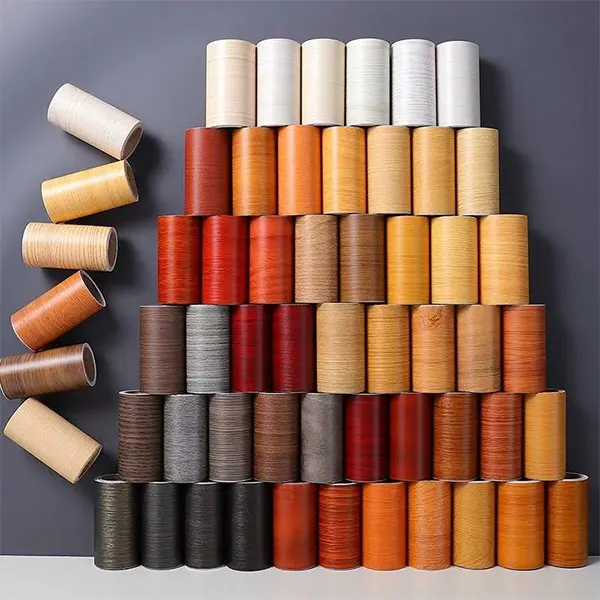
Traditional PVC film has faced scrutiny due to concerns about plasticizers, chlorine content, and end-of-life disposal. However, modern eco-friendly PVC film addresses these issues through several key innovations. Lead-free and phthalate-free formulations have become industry standards, while bio-based plasticizers derived from renewable sources are increasingly replacing petroleum-based alternatives. According to PVC Life Cycle Assessment data, the environmental footprint of PVC production has decreased significantly over the past decades.
Many sustainable PVC film solutions now comply with stringent international regulations such as RoHS and REACH, ensuring they are safe for indoor use and human contact. The shift toward circular economy principles means that PVC films are increasingly designed for recyclability and long-term durability, reducing the need for frequent replacement.

Manufacturers now offer a range of sustainable options that cater to environmentally conscious buyers. The following table summarizes the most common eco-friendly approaches in PVC film production:
| Sustainable Option | Description | Key Benefit |
|---|---|---|
| Phthalate-Free Formulations | Uses alternative plasticizers that are non-toxic and safe for human contact | Meets FDA and EU food contact standards |
| Bio-Based Plasticizers | Derived from soybean oil, citrates, and other renewable sources | Reduces reliance on fossil fuel-based materials |
| Recyclable PVC Films | Designed for mechanical recycling at end of life | Supports PVC Circular Economy initiatives |
| Low-VOC Emission Films | Minimizes volatile organic compound release during installation and use | Improves indoor air quality |
| Lightweight & Thin-Gauge Films | Reduced material usage while maintaining performance | Lowers raw material consumption and shipping costs |
Modern calendering production lines enable precise thickness control and consistent quality in eco-friendly PVC film manufacturing. This technology minimizes material waste while ensuring uniform physical properties across the entire roll. Films produced through advanced calendering exhibit excellent dimensional stability and surface finish, meeting ASTM PVC Film Standard requirements for nonrigid vinyl chloride plastic film and sheeting.
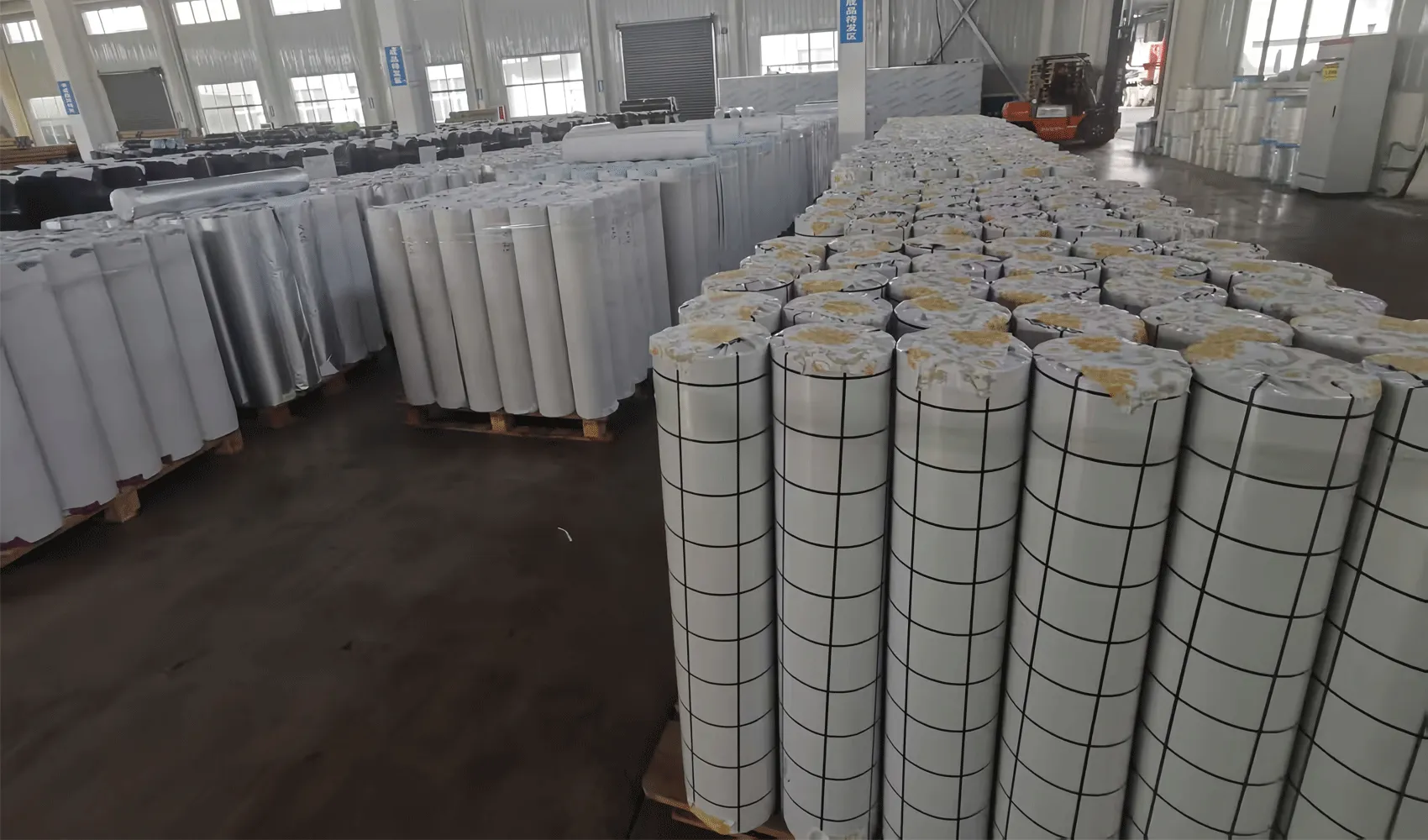
Choosing environmentally friendly PVC materials brings numerous advantages that extend beyond environmental considerations. These benefits make sustainable PVC films an increasingly popular choice for both commercial and residential applications.

The versatility of eco-friendly PVC film makes it suitable for a wide range of applications. Its combination of aesthetic appeal, durability, and environmental compliance has driven adoption across multiple sectors.
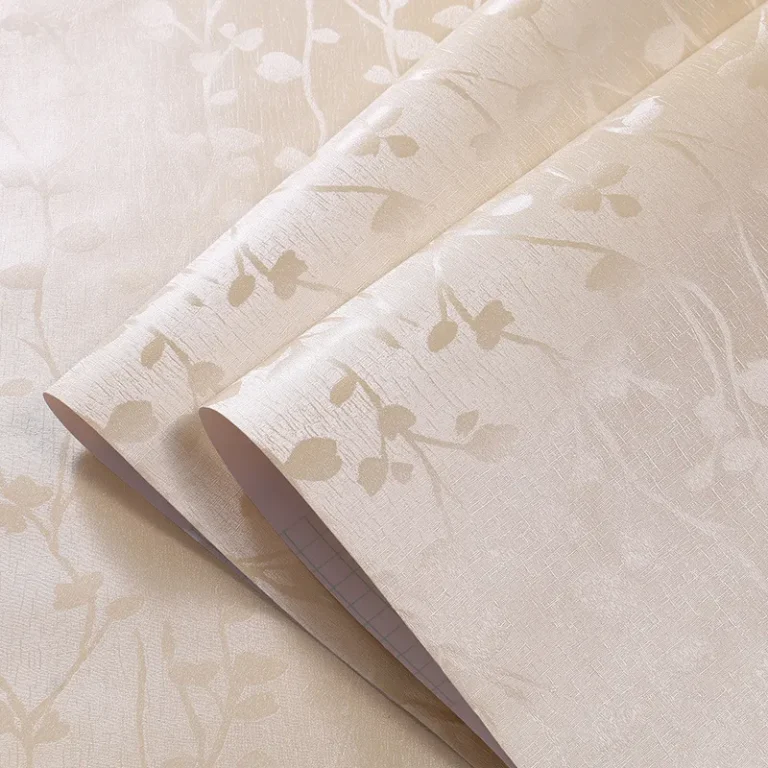
Decorative films for furniture surfaces represent one of the largest markets for sustainable PVC films. Green PVC decorative film featuring wood grain, fabric textures, and solid colors allows furniture makers to achieve premium looks while meeting environmental standards. These films bond securely to MDF and particleboard substrates, providing scratch-resistant and easy-to-clean surfaces for tables, cabinets, and wardrobe doors.
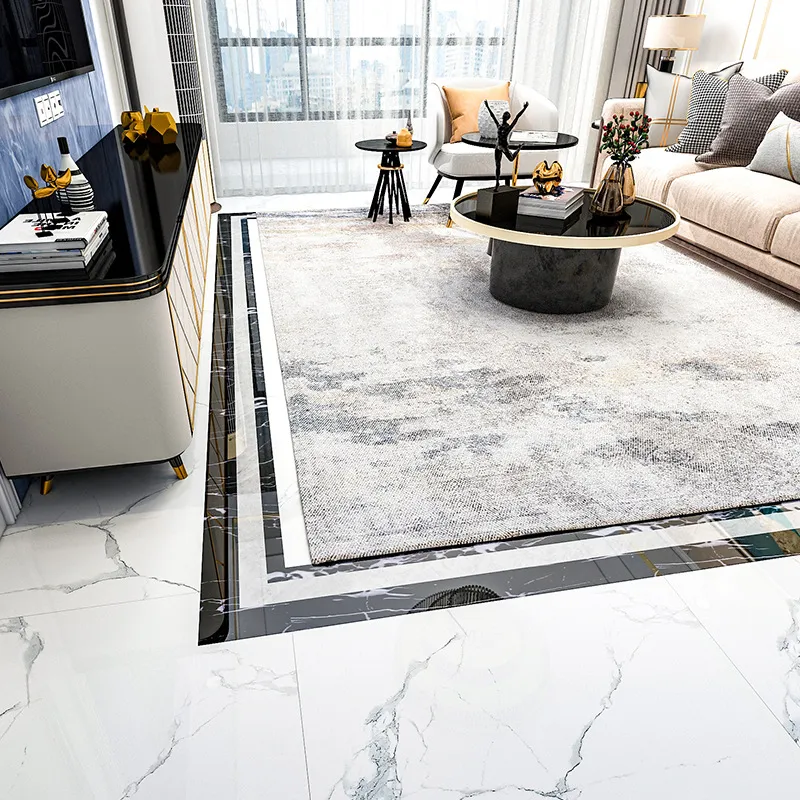
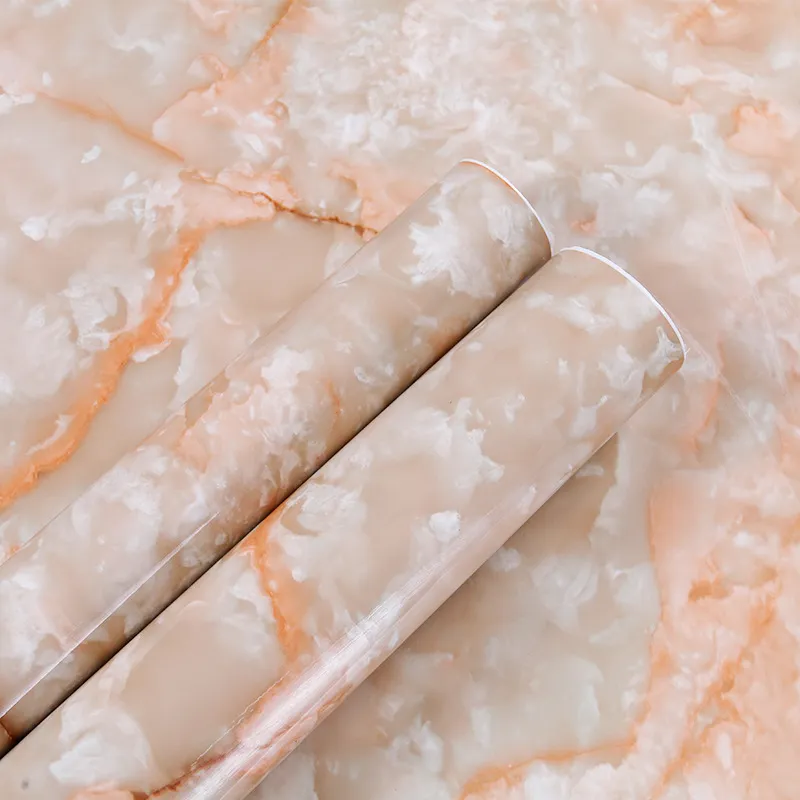
In the construction sector, eco-friendly PVC films serve as wall coverings, ceiling materials, and partition films. Stone pattern and marble-effect films offer the luxurious appearance of natural materials without the associated environmental cost of quarrying. Waterproof properties make them ideal for bathrooms, kitchens, and other moisture-prone areas.
Eco-conscious PVC floor films provide durable, easy-to-install flooring options that resist wear, moisture, and stains. They are widely used in residential kitchens, bathrooms, and commercial spaces. Products manufactured to ISO PVC Flooring Standard specifications ensure consistent quality and performance.
Anti-static and protective films for electronic device panels and appliance surfaces benefit from eco-friendly formulations. These specialty films provide insulation, scratch protection, and aesthetic finishes while meeting RoHS compliance requirements.
Antibacterial and easy-to-sanitize PVC films are essential in healthcare settings. Eco-friendly versions eliminate harmful plasticizers while maintaining the hygienic properties required for medical furniture, cleanroom packaging, and protective barriers.
Lightbox films, exhibition backdrops, and advertising stickers made from sustainable PVC materials offer vibrant printability and long-lasting visual impact. Their durability reduces the frequency of replacement, contributing to overall resource conservation.
When sourcing eco-friendly PVC film, understanding relevant quality standards helps buyers make informed decisions. The following table outlines key international standards applicable to PVC film products:
| Standard | Scope | Relevance to PVC Film |
|---|---|---|
| ASTM D1593 | Nonrigid Vinyl Chloride Plastic Film | Defines thickness, width, and physical property requirements |
| ISO 527-3 | Tensile Properties of Plastic Films | Measures strength and elongation characteristics |
| REACH (EC 1907/2006) | EU Chemical Safety Regulation | Restricts hazardous substances in PVC formulations |
| RoHS (2011/65/EU) | Restriction of Hazardous Substances | Limits lead, phthalates, and other hazardous materials |
| ISO 10581 | Homogeneous PVC Floor Covering | Specifies requirements for PVC flooring products |
The PVC industry has made significant strides toward circularity. According to the VinylPlus 2030 Commitment progress reports, recycling rates for PVC products continue to improve year over year. Modern eco-friendly PVC films are designed with recyclability in mind, and many manufacturers now operate take-back programs to ensure post-industrial and post-consumer waste is properly processed.
Key environmental advantages of choosing sustainable PVC film include reduced raw material consumption through thin-gauge technology, lower transportation emissions due to lightweight products, and decreased landfill waste through improved recyclability. The ASTM Plastics Standards continue to evolve to support these sustainability goals.

When evaluating suppliers for eco-friendly PVC film, consider the following factors to ensure you partner with a manufacturer committed to quality and sustainability:
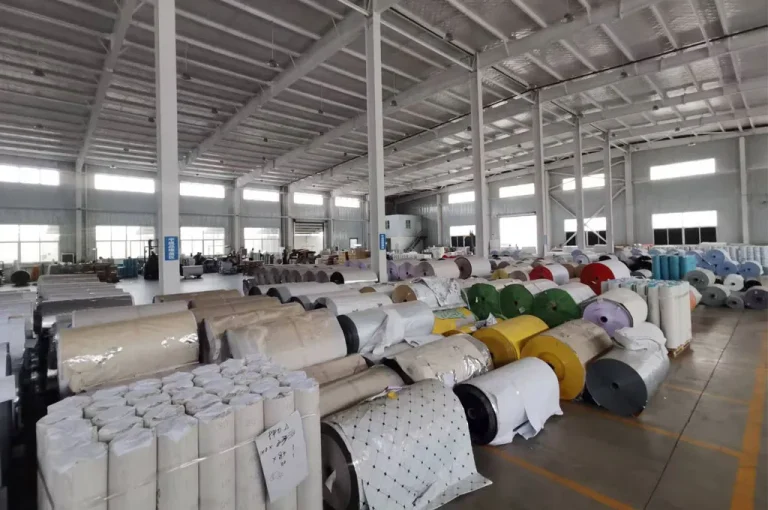
Henan Pulivk New Materials Co., Ltd. is one manufacturer that offers a comprehensive range of eco-friendly PVC film products, including wood grain film, marble film, glossy film, matte film, and specialty films for diverse applications. With integrated calendering, printing, and split-packaging production lines, the company maintains strict quality control throughout the manufacturing process while supporting customized OEM requirements.
The evolution of eco-friendly PVC film continues as research and development efforts focus on further reducing environmental impact. Emerging trends include the development of fully bio-based PVC alternatives, improved chemical recycling technologies that recover monomers from end-of-life products, and advanced additive packages that enhance biodegradability without compromising durability. Industry initiatives like VinylPlus 2030 Commitment are driving the sector toward ambitious sustainability targets.
As regulatory frameworks tighten and consumer awareness grows, the demand for certified eco-friendly PVC film will only increase. Manufacturers who invest in sustainable formulations and transparent supply chains today will be well-positioned to meet the needs of tomorrow’s environmentally conscious markets.