Address
304 North Cardinal St.
Dorchester Center, MA 02124
Work Hours
Monday to Friday: 7AM - 7PM
Weekend: 10AM - 5PM
Address
304 North Cardinal St.
Dorchester Center, MA 02124
Work Hours
Monday to Friday: 7AM - 7PM
Weekend: 10AM - 5PM


 ByPulivk
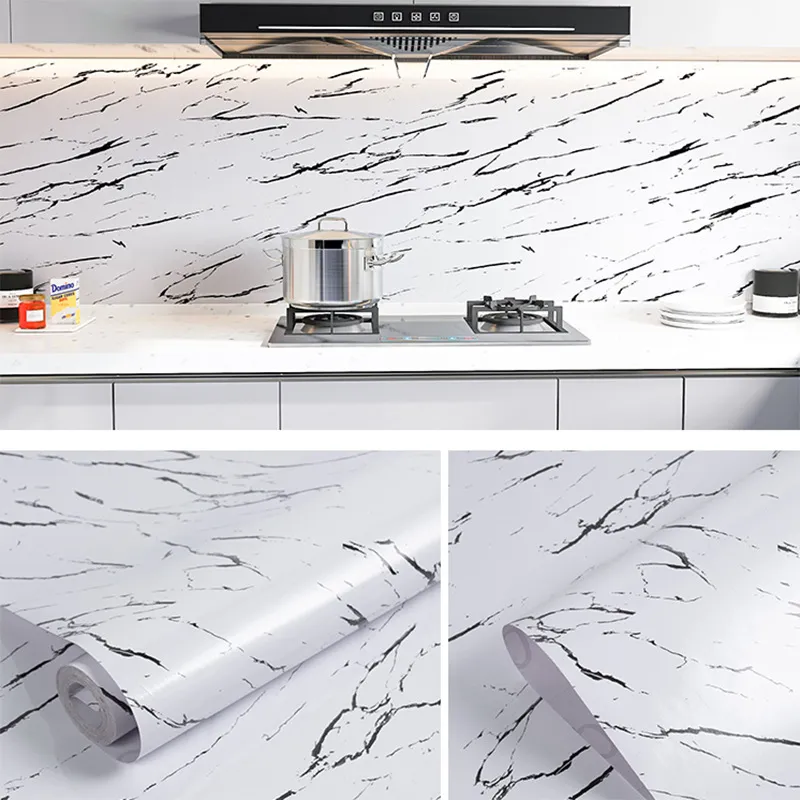
Extrusion film PVC is a thermoplastic material produced through a melt-extrusion process, where polyvinyl chloride resin is heated, plasticized, and formed into continuous thin sheets or films. Unlike calendered film, which is processed through a series of heated rollers, extrusion film offers distinct advantages in thickness uniformity, optical clarity, and production efficiency for certain applications.
The extrusion process allows manufacturers to create multilayer structures, incorporate additives like UV stabilizers or plasticizers, and achieve precise gauge control. This makes PVC extrusion film a versatile choice across industries ranging from packaging and medical devices to construction and stationery.
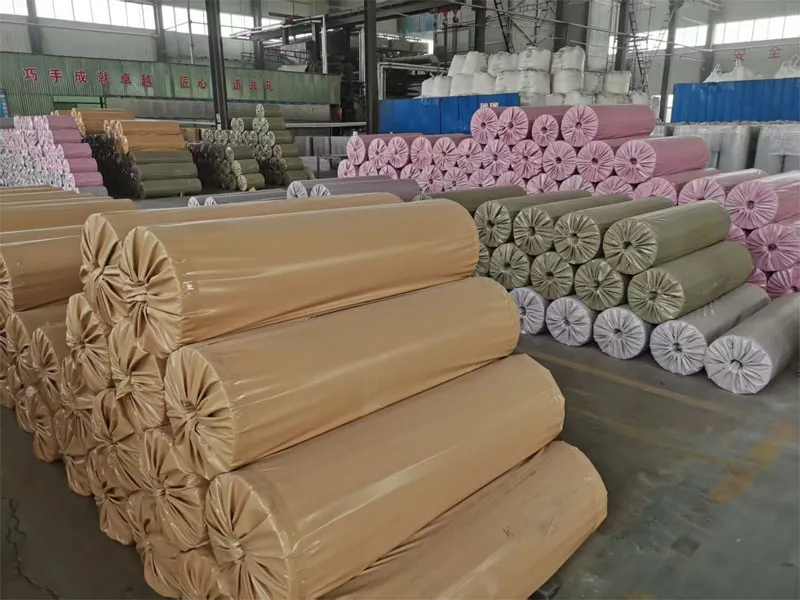
Understanding the different categories of extrusion film PVC helps buyers select the right material for specific applications. Each type is formulated with distinct properties to meet performance requirements.
Rigid films contain little to no plasticizer, resulting in a stiff, durable material with excellent dimensional stability. They are commonly used for thermoformed packaging trays, credit card overlays, and graphic arts applications. These films maintain their shape well under stress and offer good printability for branding and labeling.
Flexible films incorporate plasticizers to achieve softness and elongation. They are widely used in medical bags, inflatable products, and protective coverings. The flexibility can be customized from semi-rigid to very soft, depending on the plasticizer type and concentration. These films conform easily to irregular surfaces and provide excellent sealing properties.
Optical-grade transparent films deliver high light transmission and low haze, making them suitable for see-through packaging, window films, and display overlays. They can be treated for anti-fog or anti-static performance depending on end-use requirements.
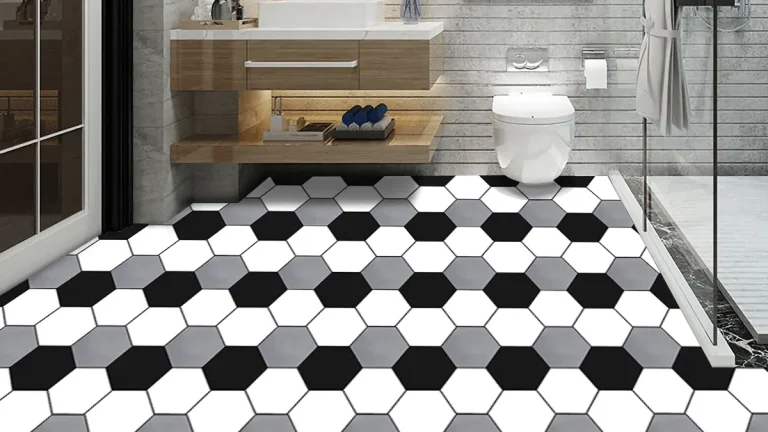
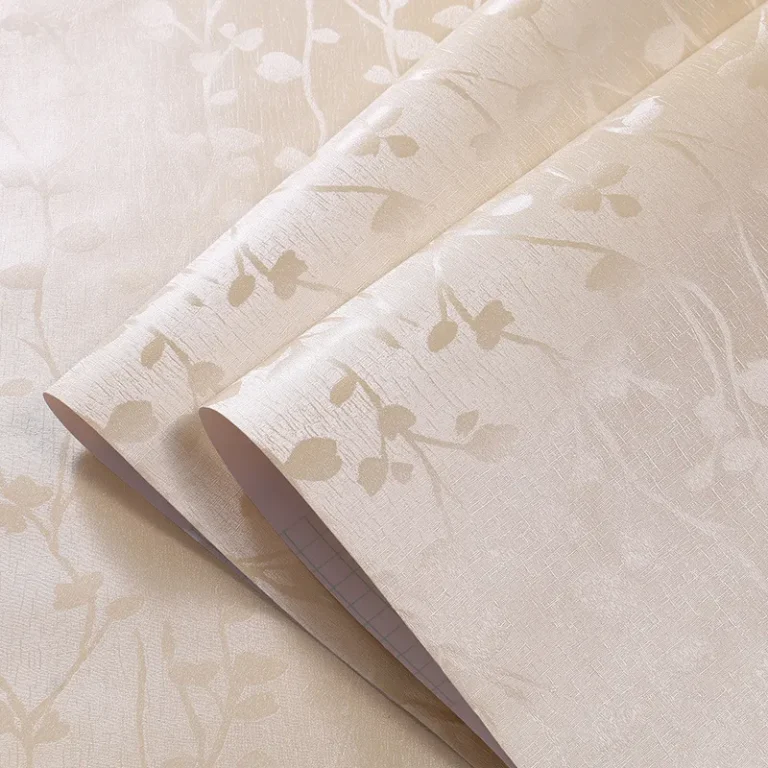
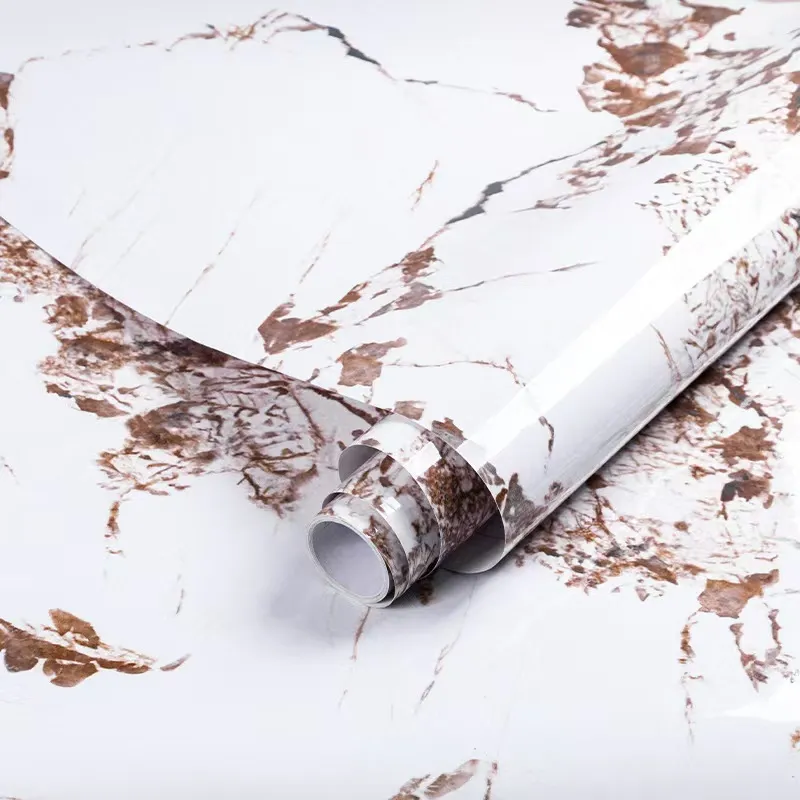
These films are pigmented or embossed during manufacturing to achieve specific aesthetic effects. Options include wood grain film, metallic finishes, and frosted textures. They are popular in interior decoration, PVC skirting film applications, and furniture lamination.
This category includes films with enhanced properties such as UV resistance, flame retardancy, or antistatic performance. Some are engineered for cleanroom environments, while others meet food-contact regulations for direct packaging applications.
The adaptability of extrusion film PVC has led to its adoption in numerous sectors. The table below summarizes key application areas and the film types typically used.
| Industry Sector | Common Applications | Recommended Film Type |
|---|---|---|
| Medical & Healthcare | IV bags, blood bags, tubing, surgical drapes | Flexible, medical-grade transparent film |
| Packaging | Thermoformed blisters, clamshells, shrink labels | Rigid or semi-rigid transparent film |
| Construction & Building | Window profiles lamination, wall covering, floor film | Colored, textured, or rigid film |
| Furniture & Decoration | Cabinet surfaces, door panels, edge banding | Wood grain, marble film, decorative films |
| Stationery & Graphics | Report covers, book binding, printable sheets | Rigid transparent or colored film |
Why do manufacturers and designers consistently choose extrusion film PVC over alternative materials? The advantages span performance, cost, and processing convenience.
Selecting the appropriate extrusion film PVC requires evaluating several factors. The following guide will help you navigate specifications and supplier discussions.
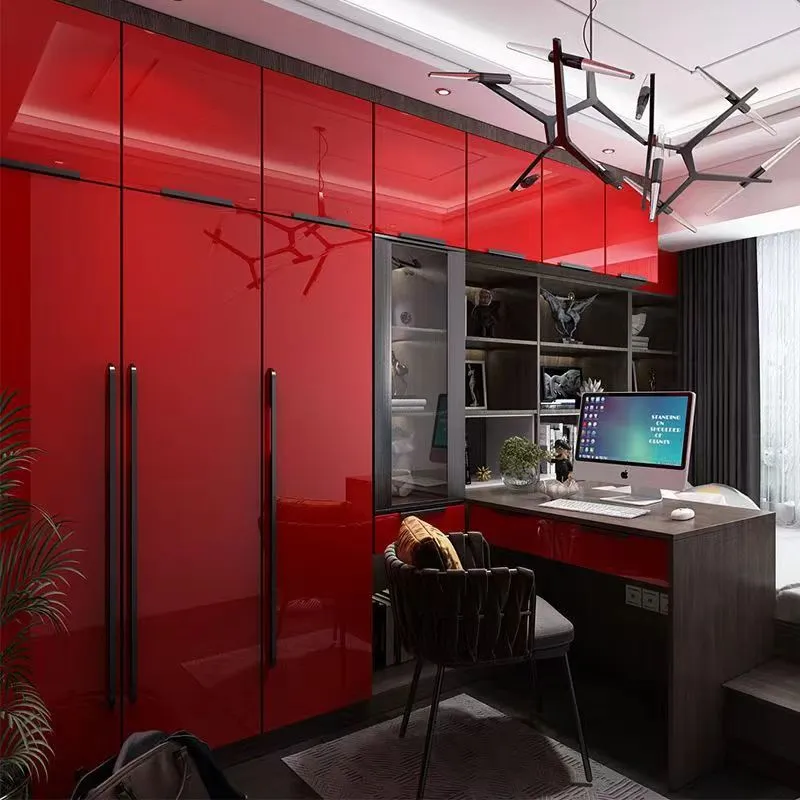
Consider where the film will be used. Does it need to withstand outdoor UV exposure, or will it remain indoors? Will it come into contact with food, skin, or chemicals? The answers determine the required formulation, including UV stabilizers, plasticizer type, and purity level. For instance, films intended for glossy wardrobe film surfaces may prioritize scratch resistance and aesthetic consistency.
Film thickness directly impacts durability, flexibility, and cost. Thinner films (0.05mm – 0.15mm) suit lightweight packaging, while thicker films (0.2mm – 0.5mm) are needed for structural or protective applications. Width availability varies by manufacturer; ensure your supplier can provide the dimensions that match your processing equipment.
Key performance indicators include tensile strength, elongation at break, tear resistance, and impact strength. Request data sheets that reference standard tests like Plastic Film Tensile Testing and tear resistance methods. This data ensures the film can withstand your manufacturing processes and end-use stresses.
Determine whether you need a glossy, matte, or embossed finish. For printing applications, specify the required surface energy (dyne level) to guarantee ink adhesion. Corona treatment is often applied to raise surface energy for improved printability and lamination bonding.
Verify that the film complies with relevant regulations in your target market. This might include EU PVC Chemical Restrictions compliance, FDA food-contact status, or specific industry certifications. Reputable suppliers will provide documentation and certificates of analysis.
Before committing to a bulk order, always test samples on your actual production line. This validates processability, seal strength, print quality, and final product appearance. Henan Pulivk New Materials Co., Ltd. supports sample requests so buyers can evaluate performance firsthand.
Ensuring consistent quality in extrusion film PVC production relies on rigorous testing protocols. Industry-standard methods provide objective benchmarks for material performance.
| Test Category | Common Standard | What It Measures |
|---|---|---|
| Thickness Control | ASTM D6988 / ISO 4593 | Consistency of film gauge across width and length |
| Optical Properties | ASTM D1003 / ISO 13468 | Haze percentage and light transmission clarity |
| Mechanical Strength | ASTM D882 / ISO 527-3 | Tensile strength, elongation, and modulus |
| Surface Gloss | ASTM D2457 | Specular gloss at various angles for finish consistency |
| Thermal Stability | ASTM D1204 / ISO 11501 | Dimensional change under heating conditions |
Modern extrusion film PVC production increasingly addresses environmental concerns. Manufacturers are adopting calcium-zinc stabilizers as alternatives to traditional lead-based systems, reducing heavy metal content. Some films are formulated with bio-based plasticizers derived from renewable resources instead of phthalates.
The industry also participates in circular economy initiatives through programs like PVC Recycling and Circularity efforts, which promote collection and reprocessing of post-industrial and post-consumer PVC waste. When specifying films, ask about recycled content options and end-of-life recyclability to support sustainability goals.
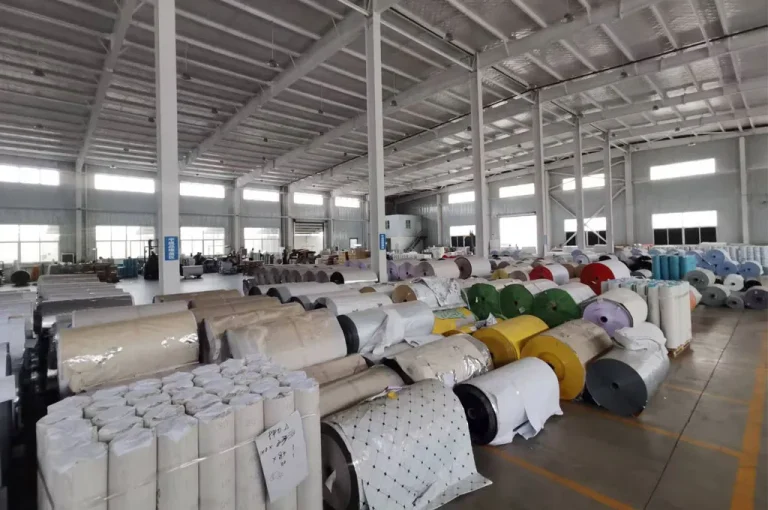
Partnering with the right manufacturer is crucial for consistent quality and supply chain stability. Here are factors to evaluate when sourcing extrusion film PVC.