Address
304 North Cardinal St.
Dorchester Center, MA 02124
Work Hours
Monday to Friday: 7AM - 7PM
Weekend: 10AM - 5PM
Address
304 North Cardinal St.
Dorchester Center, MA 02124
Work Hours
Monday to Friday: 7AM - 7PM
Weekend: 10AM - 5PM


 ByPulivk
PVC film has become one of the most versatile materials in modern manufacturing, home improvement, and interior design. Whether you are a professional installer, a furniture maker, or a DIY enthusiast, understanding how to use PVC film correctly can significantly enhance the durability and visual appeal of your projects. This comprehensive guide covers everything from surface preparation and application techniques to troubleshooting and maintenance.
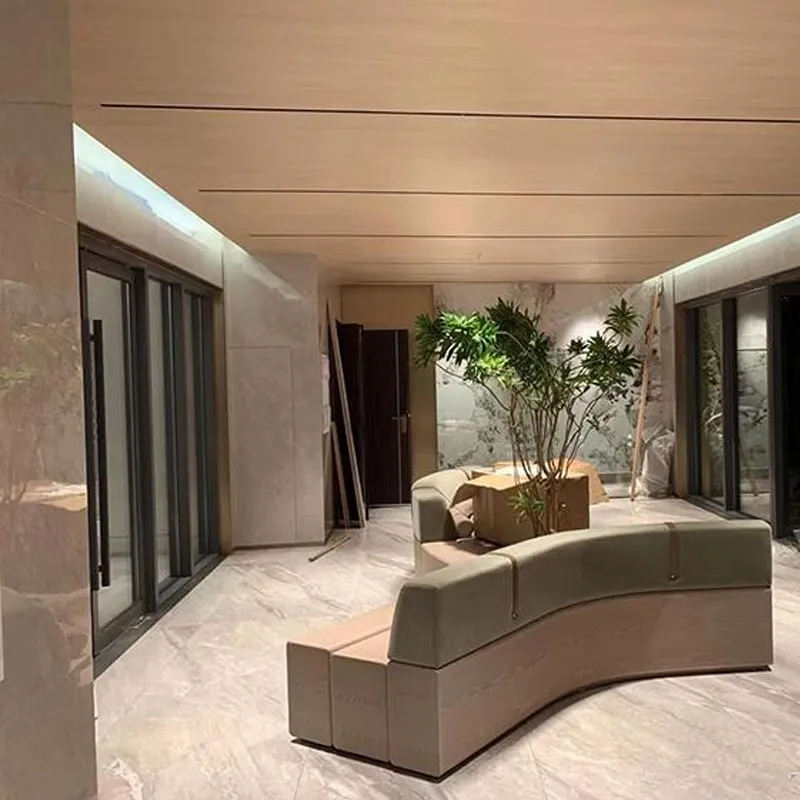
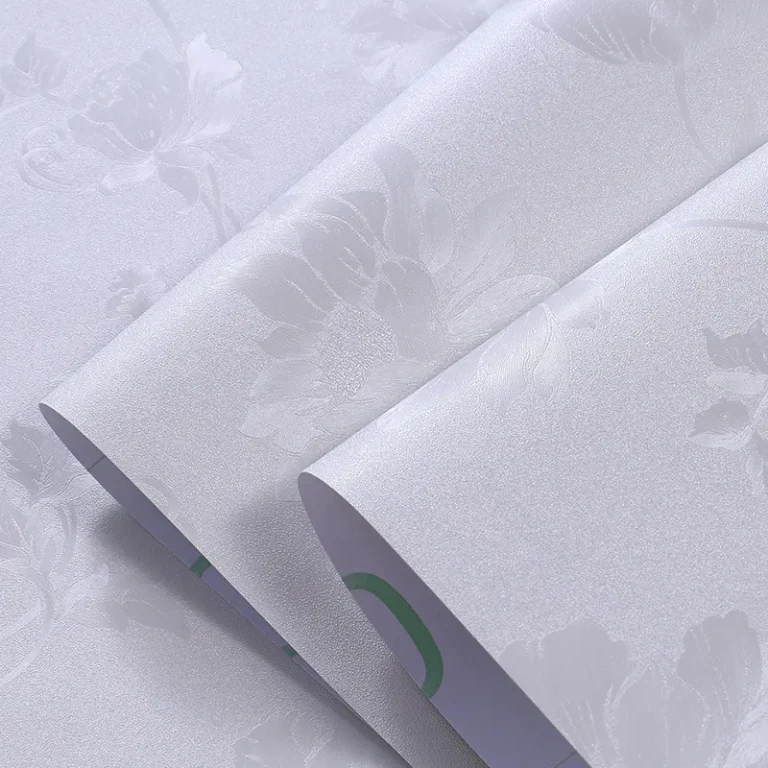
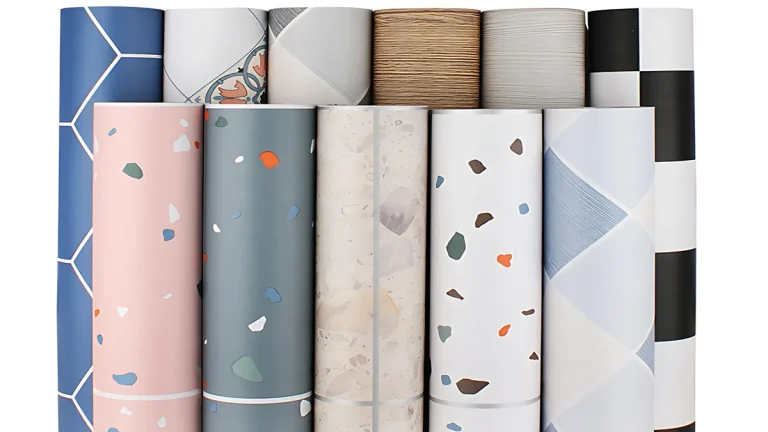
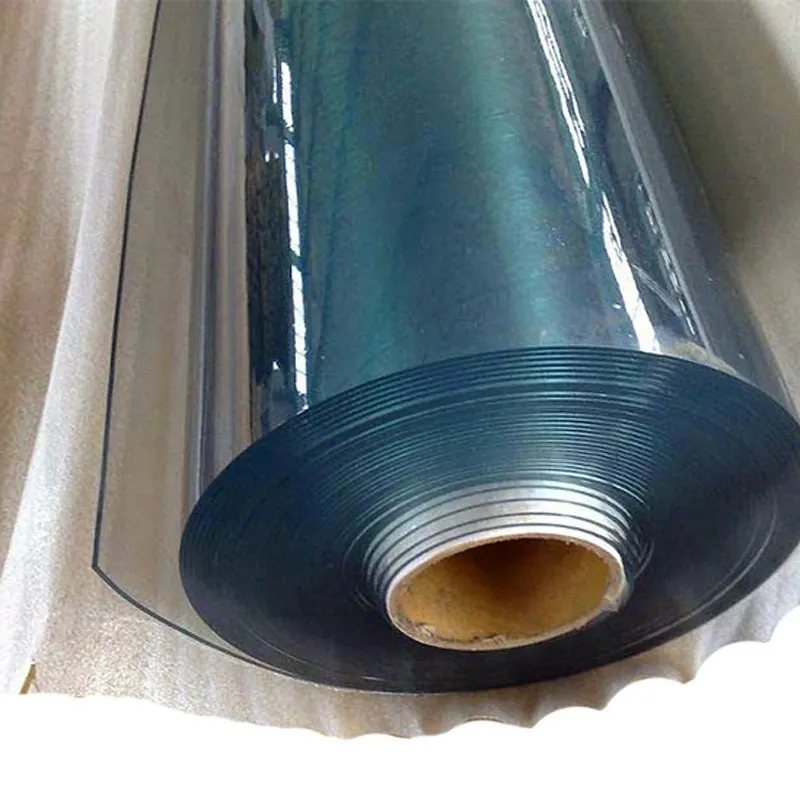
Before diving into the application process, it is essential to know what type of calendered film you are working with. PVC films come in various finishes, including wood grain, marble, solid color, glossy, matte, and 3D silk texture. Each type has specific handling requirements and ideal applications. The thickness generally ranges from 0.03 mm to 0.50 mm, and choosing the right adhesive method—either self-adhesive backing or wet glue lamination—is critical for a lasting finish.
Proper surface preparation is the foundation of a successful PVC film application. The substrate must be smooth, clean, dry, and free from dust, oil, or loose particles. For surfaces like MDF, particleboard, or plywood, sanding with fine-grit sandpaper is recommended to remove any irregularities. If you are applying film to walls or existing furniture, ensure that old paint or varnish is stable and not peeling.
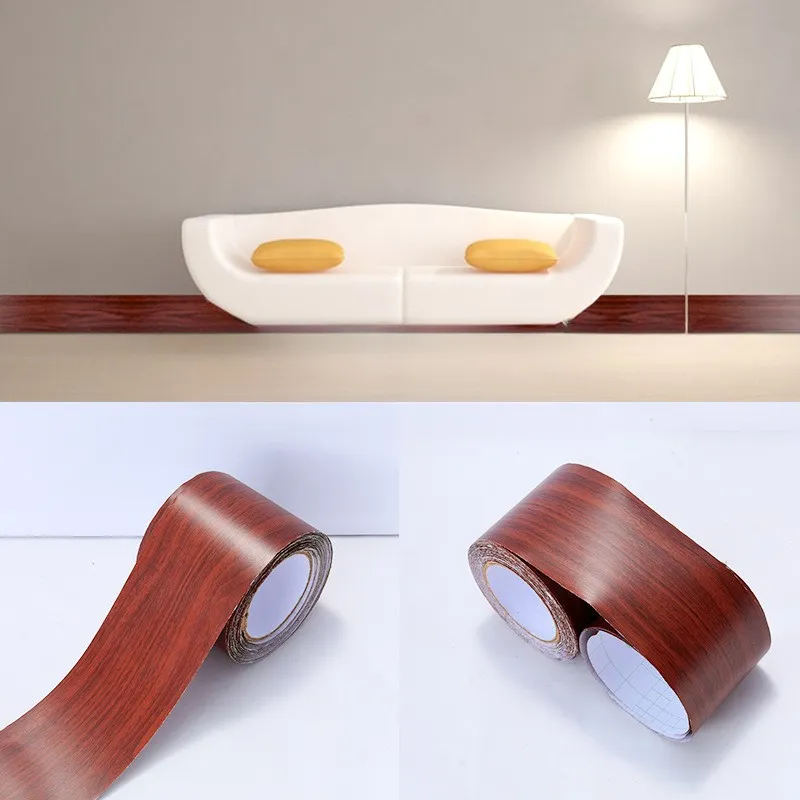
Many decorative films, such as glossy wardrobe film or solid color wallpaper, come with a peel-and-stick backing. This method is straightforward and ideal for small to medium-sized projects.
For larger surfaces or films that require repositioning, a wet application using a spray bottle with water and a few drops of mild soap can be very effective. This technique is common for PVC floor film installations and wall coverings.
PVC film is incredibly adaptable. Below is a quick reference table summarizing popular applications and the recommended film types for each scenario. These recommendations align with ASTM PVC film standards for quality and performance.
| Application Area | Recommended Film Type | Installation Tip |
|---|---|---|
| Furniture & Wardrobes | Glossy, Matte, Wood Grain Film | Use edge banding for corners |
| Interior Walls | Solid Color Wallpaper, Marble Film | Wet application for seamless alignment |
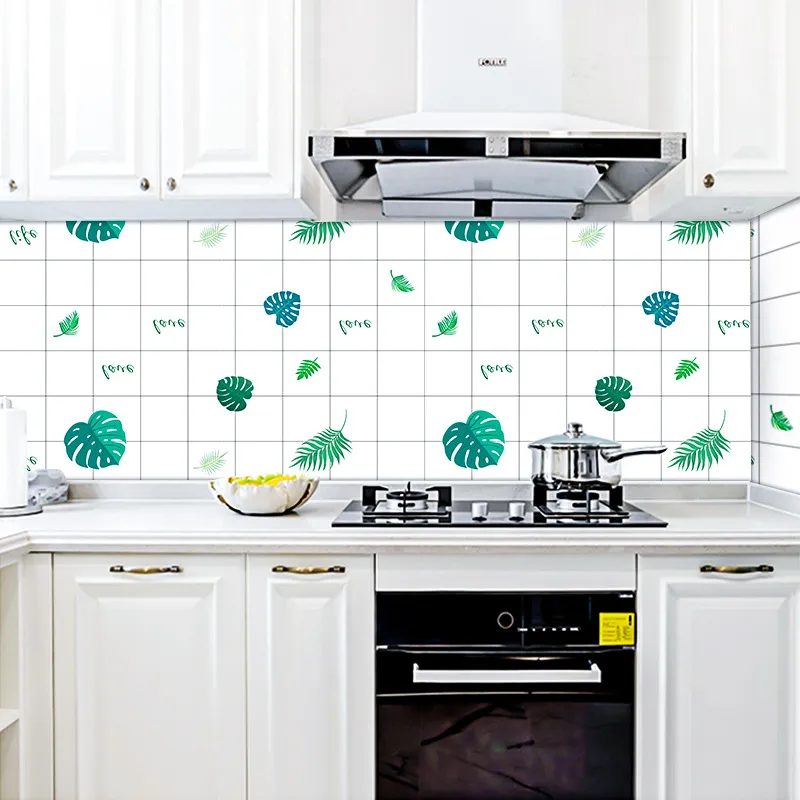
| Kitchen Backsplash | Kitchen Anti-oil Film, Aluminum Foil Film | Ensure heat resistance near stoves |
| Flooring & Skirting | PVC Floor Film, Skirting Film | Apply strong pressure for full adhesion |
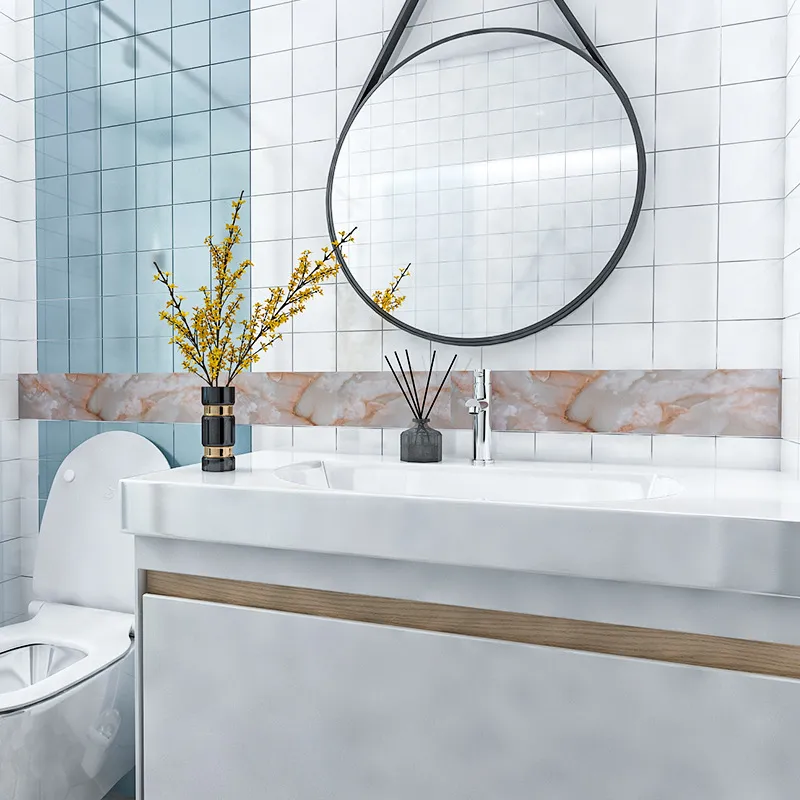
| Bathroom Surfaces | Waterproof Bathroom Stickers | Seal edges with silicone to prevent moisture |
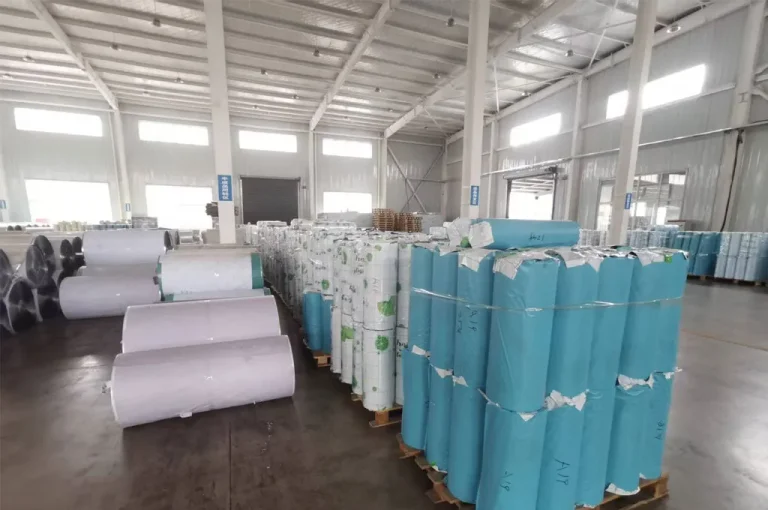
Achieving a professional result requires attention to detail and the right tools. Here are some expert techniques gathered from years of PVC film manufacturing experience at Henan Pulivk New Materials Co., Ltd.
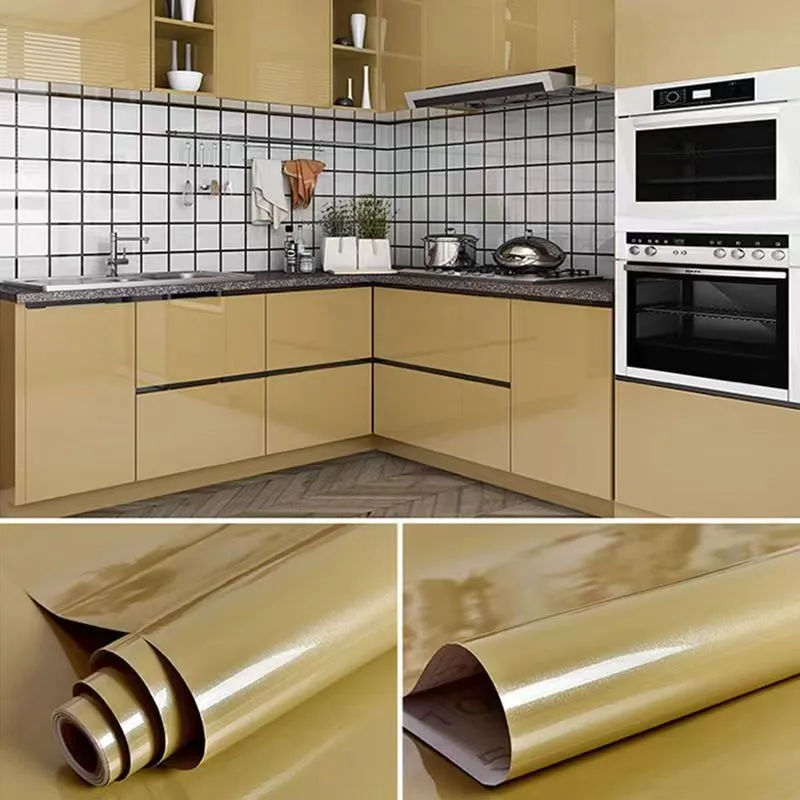
Kitchen anti-oil film is designed to withstand grease splatters and high humidity. When applying this film near cooking areas, ensure the substrate is completely degreased. The film can be cut to fit around outlets and switches using a precision knife. Its smooth surface allows for easy wipe-downs without leaving residue.
Textured films, including 3D silk texture and embossed patterns, require gentle handling. Excessive squeegee pressure can flatten the texture, so use a soft felt-wrapped tool during application. These films are often used for accent walls and furniture panels to add depth and a tactile dimension.
Even experienced installers encounter challenges. Below are solutions for frequent PVC film application problems:
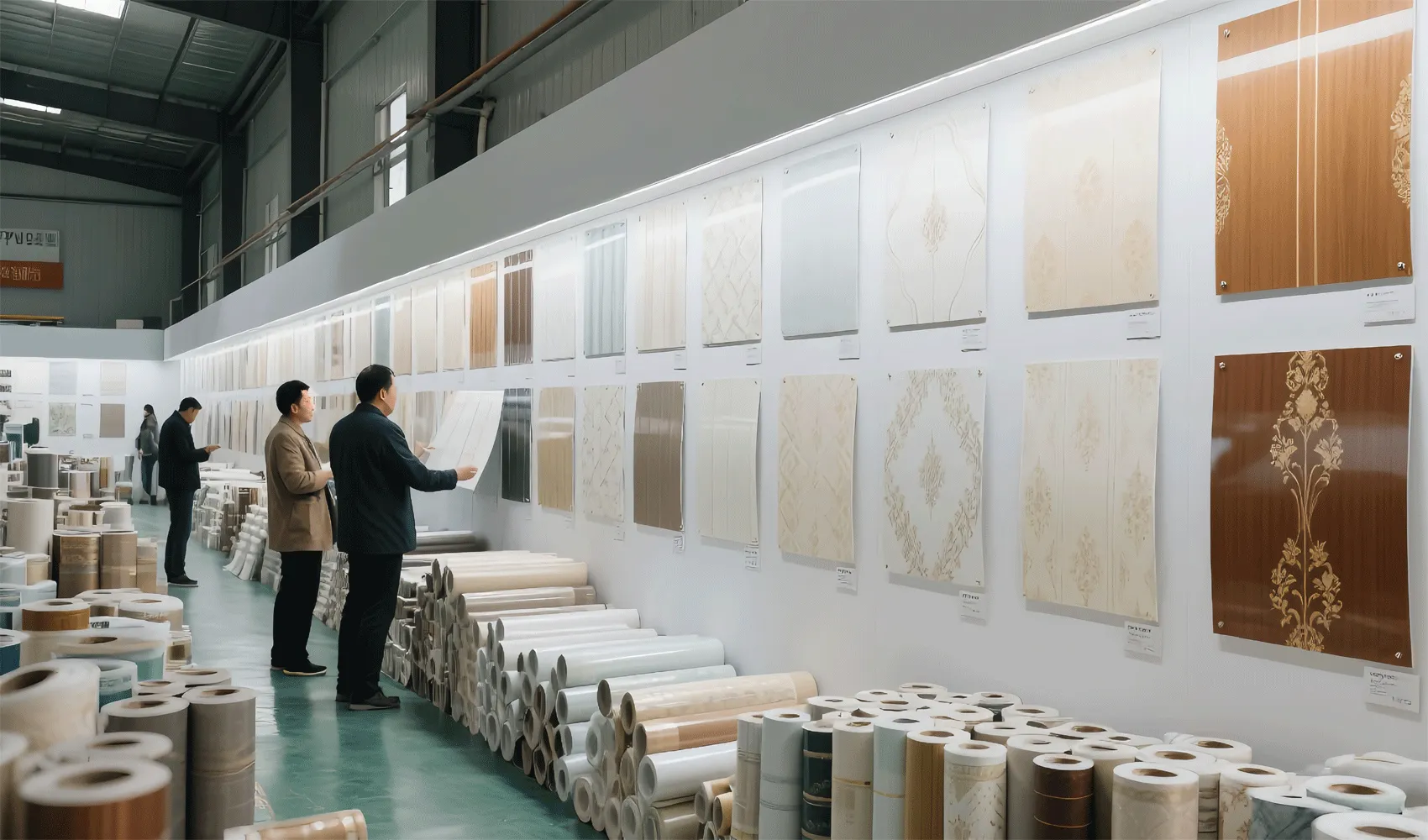
Not all PVC films are created equal. High-quality films, such as those manufactured with calendering processes, exhibit better tensile strength, tear resistance, and color consistency. When sourcing materials, look for products that comply with ISO film tensile testing specifications and environmental regulations like RoHS and REACH. A reliable PVC film supplier will provide detailed technical data sheets and application guidance.
The longevity of your PVC film installation depends on both material quality and proper technique. Films with integrated UV inhibitors are more resistant to yellowing when exposed to sunlight, making them suitable for areas near windows or outdoor applications. Always store leftover film in its original packaging, away from direct heat sources and sunlight.
Can PVC film be used on textured walls?
It is not recommended. PVC film adheres best to smooth, non-porous surfaces. Textured walls reduce the contact area and may cause the film to peel over time. Consider sanding or applying a smooth underlayment first.
How do I remove PVC film without damaging the surface underneath?
Warm the film gently with a heat gun or hair dryer to soften the adhesive. Start from a corner and peel the film back slowly at a 45-degree angle. Any remaining adhesive can be cleaned off with a mild solvent.
Is PVC film waterproof?
Most PVC films are highly water-resistant and can be used in bathrooms and kitchens. However, for areas with direct water contact, such as shower enclosures, additional edge sealing is necessary to prevent moisture infiltration behind the film.
What is the shelf life of unused PVC film?
When stored properly in a cool, dry environment and in its original packaging, PVC film can maintain its properties for 12 to 24 months. The plastic film thermal shrinkage characteristics may change if storage conditions fluctuate significantly.