Address
304 North Cardinal St.
Dorchester Center, MA 02124
Work Hours
Monday to Friday: 7AM - 7PM
Weekend: 10AM - 5PM
Address
304 North Cardinal St.
Dorchester Center, MA 02124
Work Hours
Monday to Friday: 7AM - 7PM
Weekend: 10AM - 5PM


 ByPulivk
The question “is PVC film safe” arises frequently among architects, interior designers, and DIY homeowners. The short answer is: yes, modern PVC film is safe when manufactured according to international standards and used as intended. However, the full picture depends on chemical composition, application environment, and quality control during production.
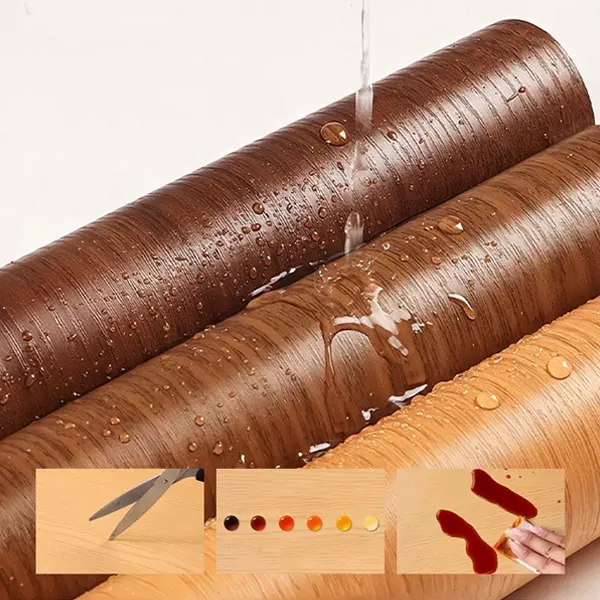
Polyvinyl chloride (PVC) film is a thermoplastic material created through the polymerization of vinyl chloride monomers. In its final solid form, PVC is chemically stable and inert. The safety concerns typically center around three key areas:
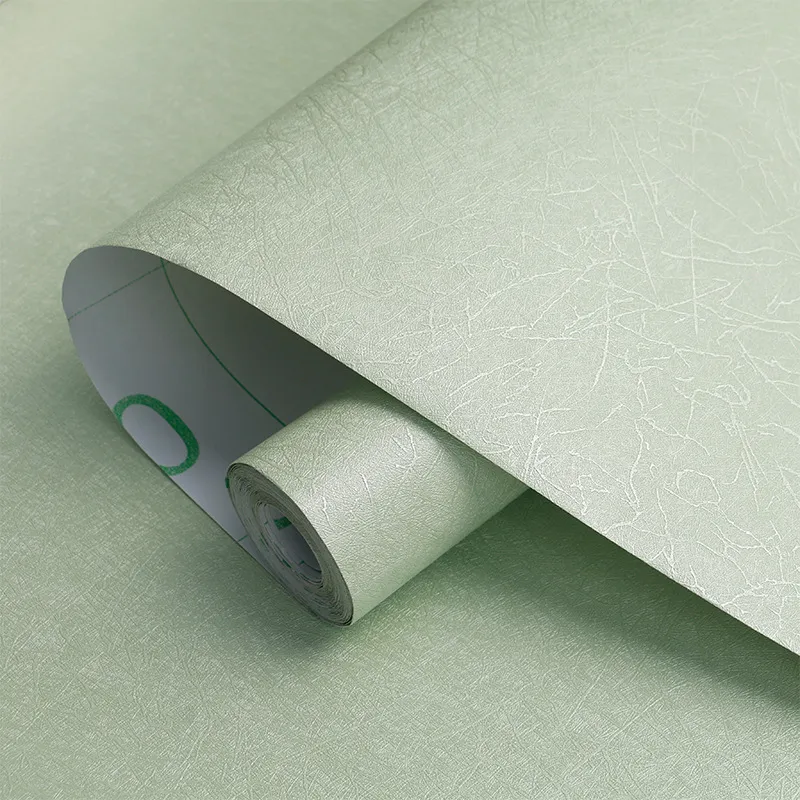
Multiple international organizations have developed rigorous standards to ensure PVC film products meet safety requirements. These standards cover everything from chemical migration limits to physical durability and fire resistance. Below is a summary table of key standards relevant to is PVC film safe for various end uses:
| Standard | Scope | Relevance to Safety |
|---|---|---|
| ASTM D1593 | Nonrigid Vinyl Chloride Plastic Film and Sheeting | Defines material specifications for nonrigid PVC film used in consumer products |
| ISO 527-3 | Tensile Properties of Plastic Films and Sheets | Ensures mechanical integrity under stress, reducing failure risks |
| FDA Phthalates Guidance | Phthalates in Food Packaging and Food Contact Applications | Regulates plasticizer safety for food-related PVC uses |
| ECHA Restrictions | EU Registry of Restriction Intentions | Lists restricted substances in PVC under REACH regulations |
| ISO 10581 | Homogeneous PVC Floor Covering Specifications | Covers wear resistance and chemical emissions for floor films |
For European markets, PVC film products must comply with RoHS (Restriction of Hazardous Substances) and REACH (Registration, Evaluation, Authorisation and Restriction of Chemicals) regulations. These frameworks strictly limit or prohibit the use of lead, mercury, cadmium, hexavalent chromium, and certain phthalates. When a manufacturer states RoHS and REACH compliance, it means the film has been tested and verified to meet these chemical safety thresholds.
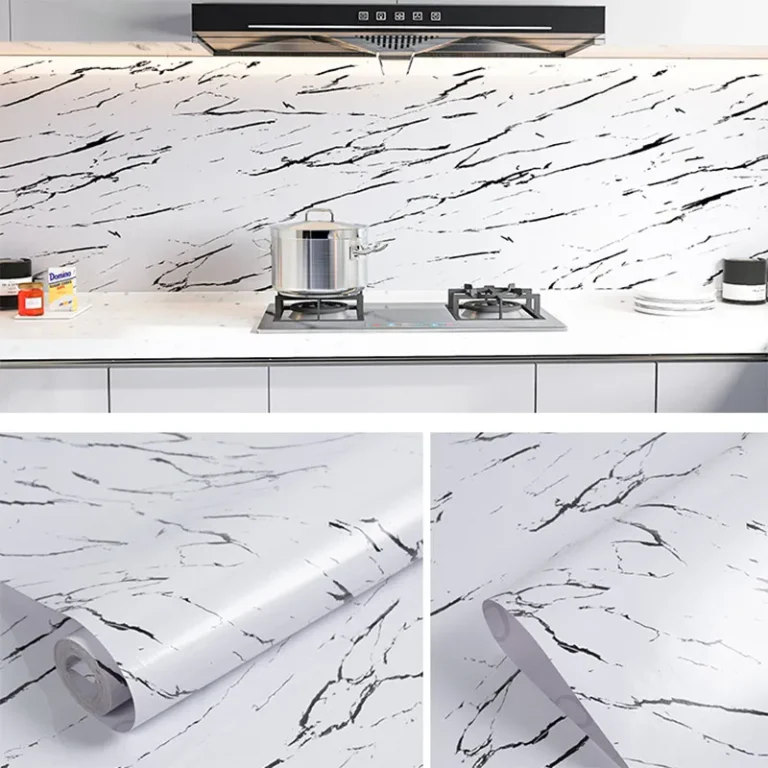
When evaluating is PVC film safe for interior decoration, wood grain film and marble film products are among the most common choices. These films are applied to furniture surfaces, wall panels, and interior doors. Key safety factors include:
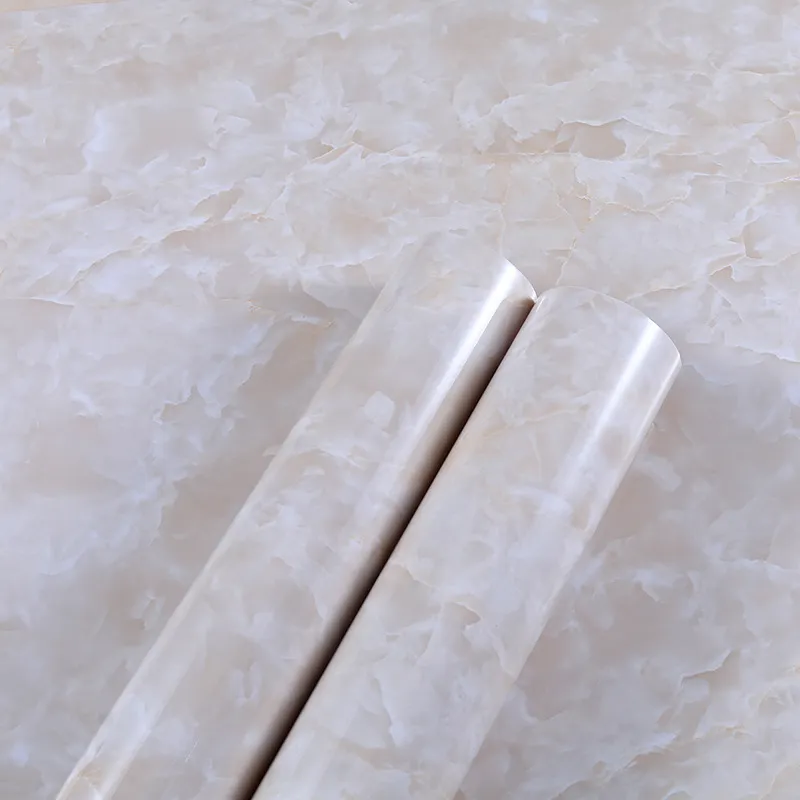
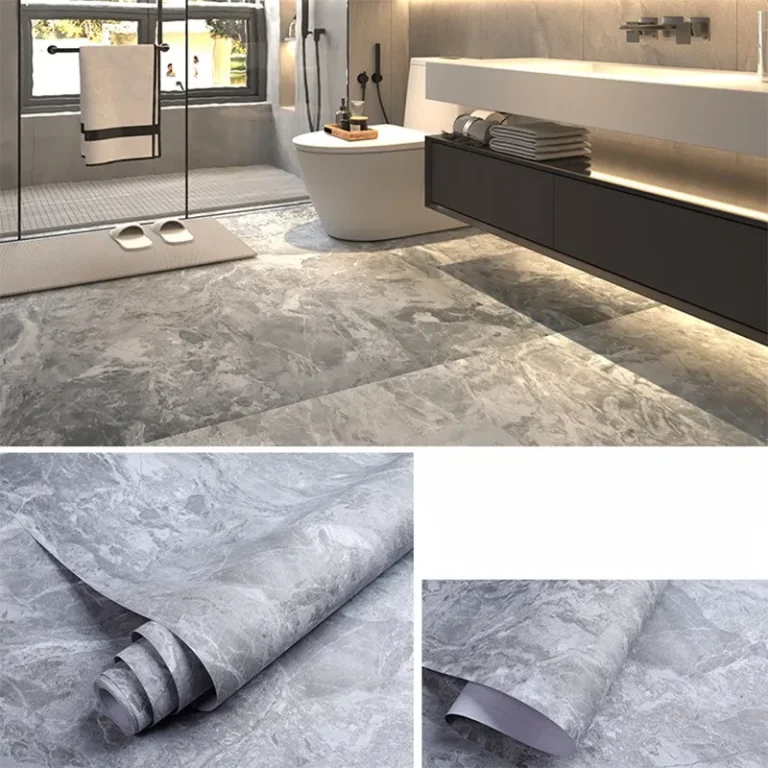
PVC floor film requires special attention to slip resistance and wear durability. Safety considerations for floor applications include:
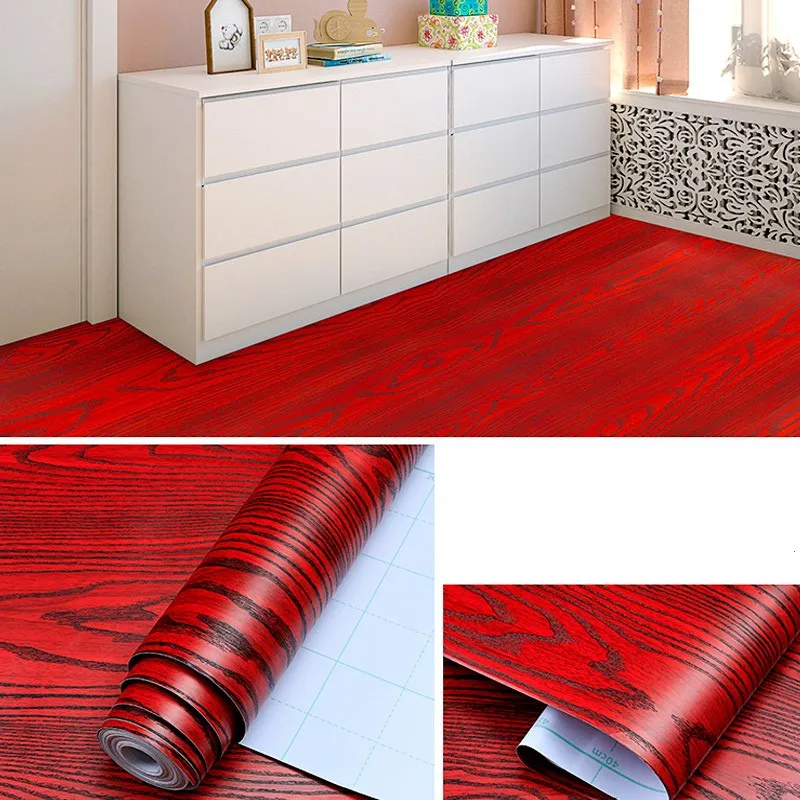
High-humidity and food-preparation areas demand the strictest safety standards. Kitchen anti-oil film and bathroom floor stickers must be:
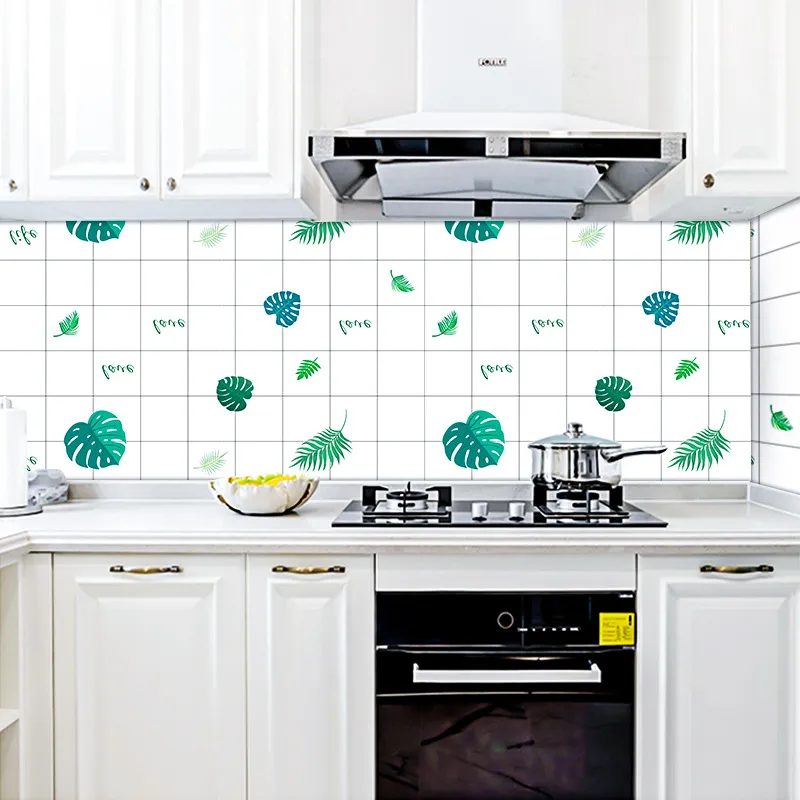
Beyond chemical safety, the physical characteristics of PVC film contribute to overall product safety. Testing standards provide measurable benchmarks:
| Physical Property | Testing Standard | Safety Implication |
|---|---|---|
| Tear Resistance | ASTM D1004 | Prevents accidental tearing that could expose sharp substrate edges |
| Impact Resistance | ASTM D1709 | Ensures the film absorbs impacts without shattering |
| Coefficient of Friction | ASTM D1894 | Controls surface slipperiness to reduce fall hazards |
| Dimensional Stability | ASTM D1204 | Prevents warping or shrinkage that could create tripping hazards |
When sourcing PVC film and asking “is PVC film safe for my project,” look for these indicators of quality and compliance:
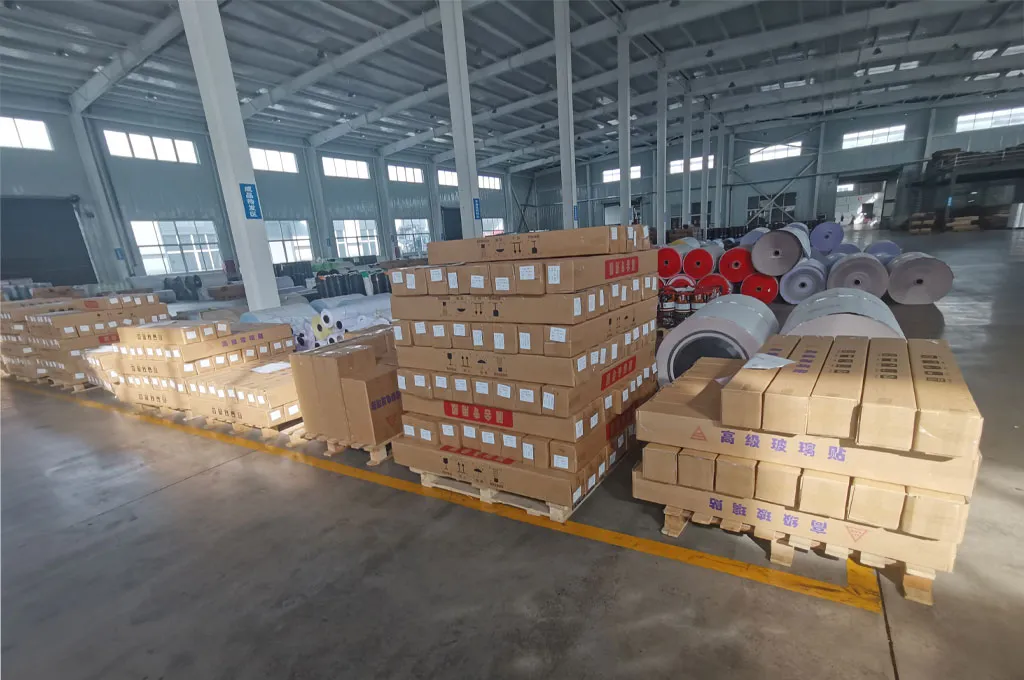
The safety question extends beyond the product’s service life. PVC recycling initiatives have grown significantly, with programs like VinylPlus Circular Economy working to create closed-loop recycling systems. Modern calendered film products are increasingly designed for recyclability, with:
The European PVC industry has established ambitious goals for circularity and safety under the VinylPlus 2030 Commitment, which includes targets for recycling volume, sustainable additive use, and transparent chemical management throughout the PVC lifecycle.
Reality: While phthalates were historically used as plasticizers, the industry has shifted dramatically. Today, many PVC films—especially those for indoor use—are formulated with non-phthalate alternatives such as DOTP (dioctyl terephthalate) or citrate-based plasticizers. Certification labels can confirm phthalate-free status.
Reality: Any initial odor from new PVC film typically dissipates within days after installation. Proper ventilation during and immediately after installation resolves most concerns. Long-term, properly formulated PVC film has minimal VOC emissions under normal temperature and humidity conditions.
Reality: Like many building materials, PVC film can release hydrogen chloride gas when burned. However, building codes require flame-retardant grades and proper fire safety systems to manage this risk. In normal use, PVC film does not spontaneously ignite and has a relatively high ignition temperature.

Ensuring PVC film safety also depends on proper handling and application:
Different end uses require different levels of safety certification. Understanding these requirements helps determine whether a specific PVC film product is appropriate:
| Application | Key Safety Requirement | Typical Certification |
|---|---|---|
| Furniture Manufacturing | Low formaldehyde, low VOC | E1, CARB Phase 2 |
| Medical & Cleanroom | Antibacterial, non-toxic, sterilizable | ISO 10993 biocompatibility |
| Food Packaging | Migration limits for additives | FDA 21 CFR, EU 10/2011 |
| Children’s Products | Phthalate-free, heavy metal limits | CPSIA, EN 71-3 |
Based on current scientific understanding and regulatory frameworks, properly manufactured PVC film is safe for its intended applications. The key factors ensuring safety include compliance with international standards like RoHS and REACH, use of modern non-toxic stabilizers and plasticizers, and appropriate product selection for the specific end use. When sourced from reputable manufacturers who maintain full production chain control and provide transparent documentation, PVC film offers a safe, durable, and cost-effective solution for decorative and protective applications across numerous industries.
For architects, designers, and procurement professionals, the critical step is verifying certification and requesting technical documentation that confirms safety compliance for your specific application requirements.